
Dog Supplement Dosage Calculator
Supplement Dosage Calculator
Your dog's health is your top priority, but figuring out which supplements actually work can be confusing. With so many products on the shelf, how do you know what's safe and effective? Let's cut through the noise.
Not all dogs need dog supplements. A balanced commercial diet usually covers all nutritional needs. However, certain situations-like aging, joint issues, or digestive problems-may require extra support. Always consult your vet before adding supplements to your dog's routine.
Why Your Dog Might Need Supplements
Most commercial dog foods are formulated to meet AAFCO standards, meaning they provide complete nutrition for healthy dogs. But real life isn't perfect. Senior dogs, dogs with chronic conditions, or those on homemade diets may need extra support. For example, a German Shepherd with arthritis or a Poodle with allergies might benefit from targeted supplements. The key is identifying your dog's specific needs rather than guessing.
Top Dog Supplements Explained
GlucosamineA natural compound found in cartilage that supports joint health in dogs. is one of the most researched supplements for joint support. It's often combined with chondroitin for better results. A 2025 study from the University of Pennsylvania found that senior dogs with osteoarthritis showed 25% less pain after 12 weeks of glucosamine supplementation. This supplement is ideal for large breeds like German Shepherds or Golden Retrievers, especially as they age.
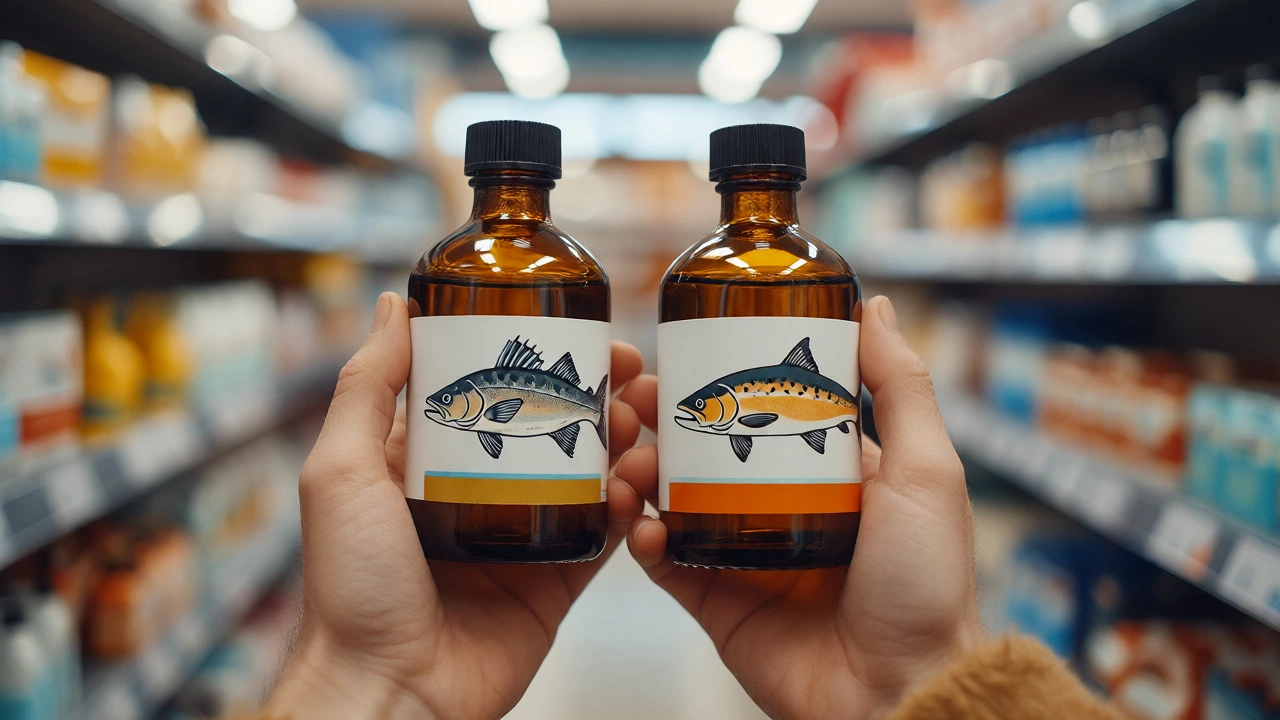
Fish oilRich in omega-3 fatty acids, which reduce inflammation and improve skin and coat health. is another top choice. Omega-3s from fish oil help with allergies, dry skin, and even heart health. Research from the Journal of Veterinary Dermatology shows that 70% of dogs with allergic skin conditions experienced reduced itching after using omega-3 supplements. For best results, choose a product with high EPA and DHA levels. A typical dose is 100mg of combined EPA/DHA per 10 pounds of body weight daily.
ProbioticsLive bacteria that support gut health and digestion in dogs. can be a game-changer for dogs with sensitive stomachs. A 2024 study in the American Journal of Veterinary Research found probiotics reduced diarrhea in 80% of dogs with acute gastrointestinal issues. Look for products with multiple strains like Lactobacillus and Bifidobacterium. A standard dose is 1 billion CFU daily for most dogs.
Vitamin EAn antioxidant that supports immune function and skin health in dogs. is often overlooked but crucial for older dogs or those with skin issues. A study in the Journal of Animal Physiology found that Vitamin E supplementation reduced oxidative stress in senior dogs by 40% after six months. The recommended dose is 50-100 IU per day for adult dogs.
CBD oilDerived from hemp, CBD may help with anxiety and pain in dogs. is a controversial option. While some pet owners report success, the FDA has not approved CBD for dogs. A 2023 study in the Journal of Veterinary Pharmacology noted potential benefits for seizure control, but more research is needed. Always choose third-party tested products and consult your vet before use.

Comparison of Top Dog Supplements
| Supplement Type | Key Benefits | Best For | Potential Side Effects | Dosage Example |
|---|---|---|---|---|
| Glucosamine & Chondroitin | Supports joint health, reduces arthritis pain | Senior dogs, active breeds | Mild stomach upset | 500mg per 25 lbs body weight daily |
| Omega-3 Fatty Acids | Improves skin/coat, reduces inflammation | Dogs with allergies, dry skin | Fishy breath, loose stools | 100mg EPA/DHA per 10 lbs body weight |
| Probiotics | Aids digestion, boosts gut health | Dogs with sensitive stomachs | Temporary gas | 1 billion CFU daily |
| Vitamin E | Antioxidant for immune support | Older dogs, skin issues | Nausea at high doses | 50-100 IU per day |
| CBD Oil | Reduces anxiety, pain relief | Stressful situations, chronic pain | Lethargy, dry mouth | Start with 0.2mg per kg |
How to Choose the Right Supplement for Your Dog
When selecting supplements, start with your dog's specific needs. For joint issues, prioritize glucosamine and chondroitin. For skin problems, omega-3s are your best bet. If your dog has frequent digestive upsets, probiotics could be the solution. Always check for third-party testing certifications like NSF or NASC. Avoid products with artificial additives or fillers. Remember, supplements are meant to complement-not replace-a balanced diet.
Potential Risks and Safety Tips
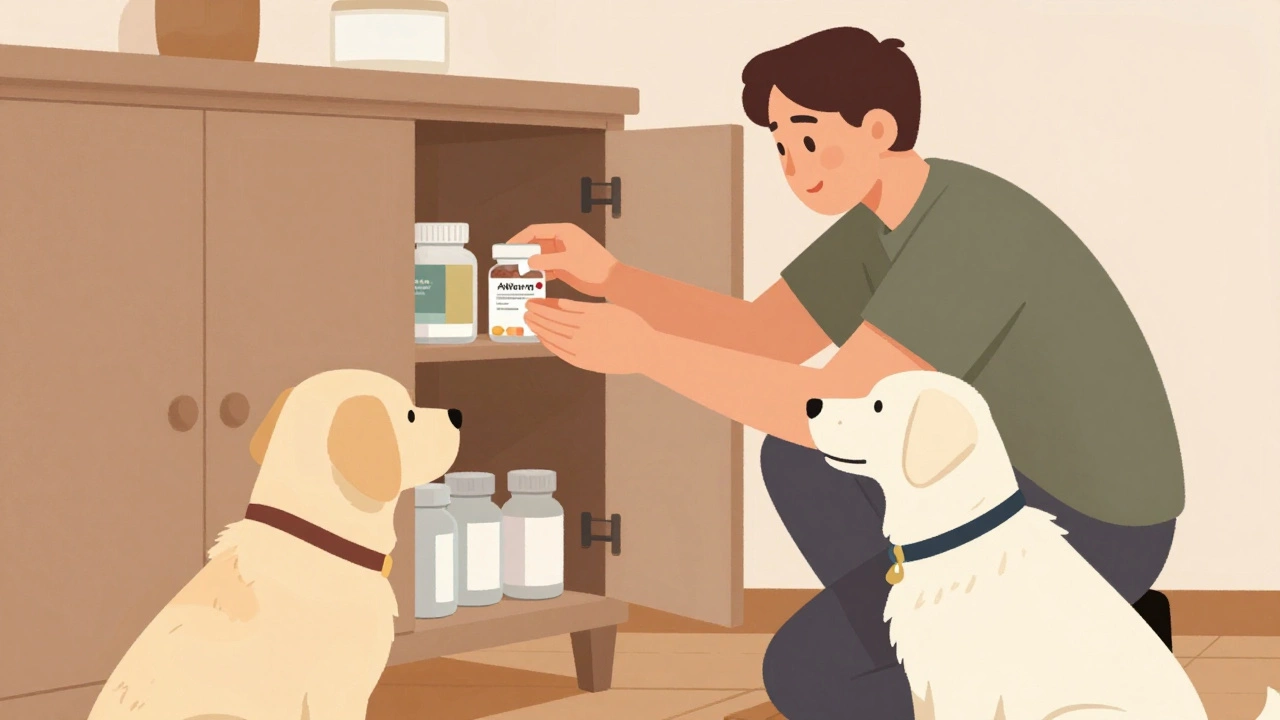
Over-supplementation can be dangerous. For example, too much Vitamin D can cause kidney damage, and excessive calcium can harm growing puppies. Always follow dosage guidelines strictly. Some supplements interact with medications-like fish oil with blood thinners. Store supplements properly and keep them out of reach. If your dog shows signs of vomiting, diarrhea, or lethargy after starting a supplement, stop immediately and contact your vet.
Frequently Asked Questions
Are dog supplements necessary for all dogs?
No, most dogs on a balanced commercial diet don't need supplements. However, specific situations like joint issues, allergies, or digestive problems may require targeted supplements. Always consult your vet before starting any supplement.
Can I give human supplements to my dog?
No. Human supplements often contain ingredients toxic to dogs, like xylitol or excessive vitamin D. Always use products formulated specifically for dogs.
How long does it take for supplements to work?
It varies. Joint supplements like glucosamine may take 4-8 weeks to show effects. Probiotics can work in days for digestive issues. Omega-3s for skin may take 6-8 weeks. Consistency is key-don't expect overnight results.
What's the difference between glucosamine and chondroitin?
Glucosamine helps rebuild cartilage, while chondroitin prevents cartilage breakdown. They're often combined for better joint support. Studies show the combination is more effective than either alone.
Are natural supplements safer than synthetic ones?
Not necessarily. Natural doesn't always mean safer. Some natural ingredients can be toxic in high doses. What matters is proper formulation and third-party testing. Always check the label for quality certifications.