Cat Feeding Strategy Evaluator
Not sure whether to leave dry food out all day? Answer a few questions about your cat's current status to get a personalized recommendation.
Fill in the details to see your personalized feeding strategy.
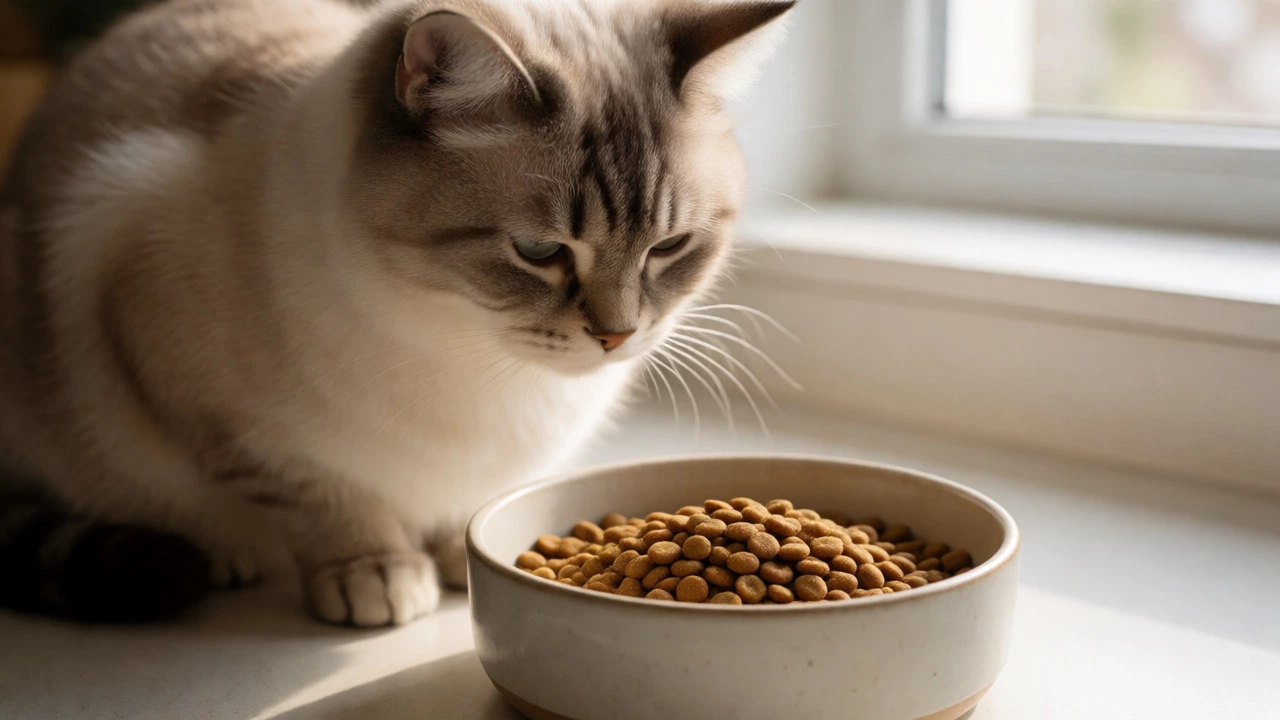
You pour a fresh bowl of kibble in the morning, walk away feeling like the perfect pet parent, and come home to find your cat has barely touched it. Or worse, you notice they’ve eaten half the bowl by noon and are begging for more by dinner. This scenario plays out in millions of households every day. The question isn’t just about convenience; it’s about whether leaving dry cat food out all day-known as free-feeding or ad libitum feeding-is actually helping or hurting your feline friend.
The short answer? It depends entirely on your cat’s personality, health status, and household dynamics. For some cats, constant access to food is a stress reliever that mimics their natural grazing instincts. For others, it’s a fast track to obesity and digestive issues. Let’s break down exactly when this method works, when it fails, and how to do it right if you choose to go this route.
The Natural Instinct vs. Modern Convenience
To understand why we even debate this, look at what cats were designed to do. In the wild, a domestic cat’s ancestor didn’t sit down to three square meals. They hunted small prey-mice, birds, insects-throughout the day and night. A single mouse provides only about 30 calories, meaning a cat might eat 10 to 20 times a day. Their digestive systems are built for frequent, small intake rather than large boluses of food.
Free feeding aligns with this biological rhythm. It allows cats to graze, which can reduce anxiety and prevent the "food aggression" seen in multi-cat homes where resources are scarce during set meal times. However, modern indoor life removes the hunting aspect. There’s no energy expenditure to match the calorie intake. When you leave a full bowl out, you’re essentially offering an all-you-can-eat buffet without the physical activity required to burn it off.
When Free Feeding Works Well
Leaving dry food out isn’t inherently bad. In fact, for specific scenarios, it’s often the best choice. Consider these situations:
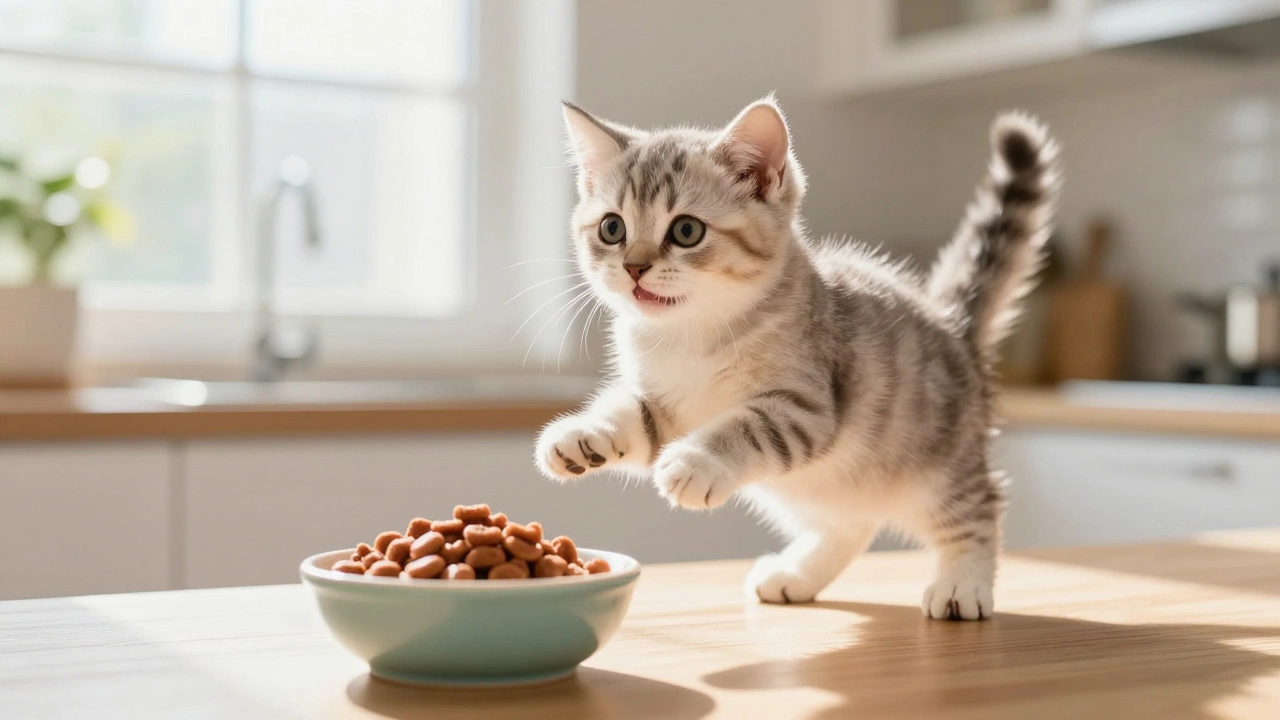
- Kittens: Young cats have tiny stomachs and high metabolic rates. They need to eat frequently to maintain blood sugar levels and support rapid growth. Restricting food for a kitten under six months old can lead to hypoglycemia (low blood sugar), which is dangerous.
- Multi-Cat Households: If one cat dominates the food bowl during scheduled mealtimes, shy or subordinate cats may starve themselves to avoid conflict. Free feeding allows each cat to eat in peace, whenever they want, reducing social stress.
- Working Owners: If you’re gone for 10+ hours, a cat left without food overnight might wake up hungry and stressed. A measured amount of dry food ensures they have access when they naturally wake up, which is often early morning.
In these cases, the convenience outweighs the risks, provided you monitor the situation closely.
The Risks: Obesity and Boredom Eating
Here is the hard truth: most adult indoor cats will overeat if given unlimited access to palatable dry food. Unlike dogs, who often stop eating when full, many cats lack strong satiety signals for carbohydrate-heavy kibble. They eat because it’s there, not because they’re hungry. This is called boredom eating or opportunistic grazing.
Feline obesity is linked to serious health conditions, including diabetes mellitus, arthritis, and hepatic lipidosis (fatty liver disease). According to the Association for Pet Obesity Prevention, nearly 60% of cats in the US are overweight or obese. Free feeding is a major contributor to this statistic.
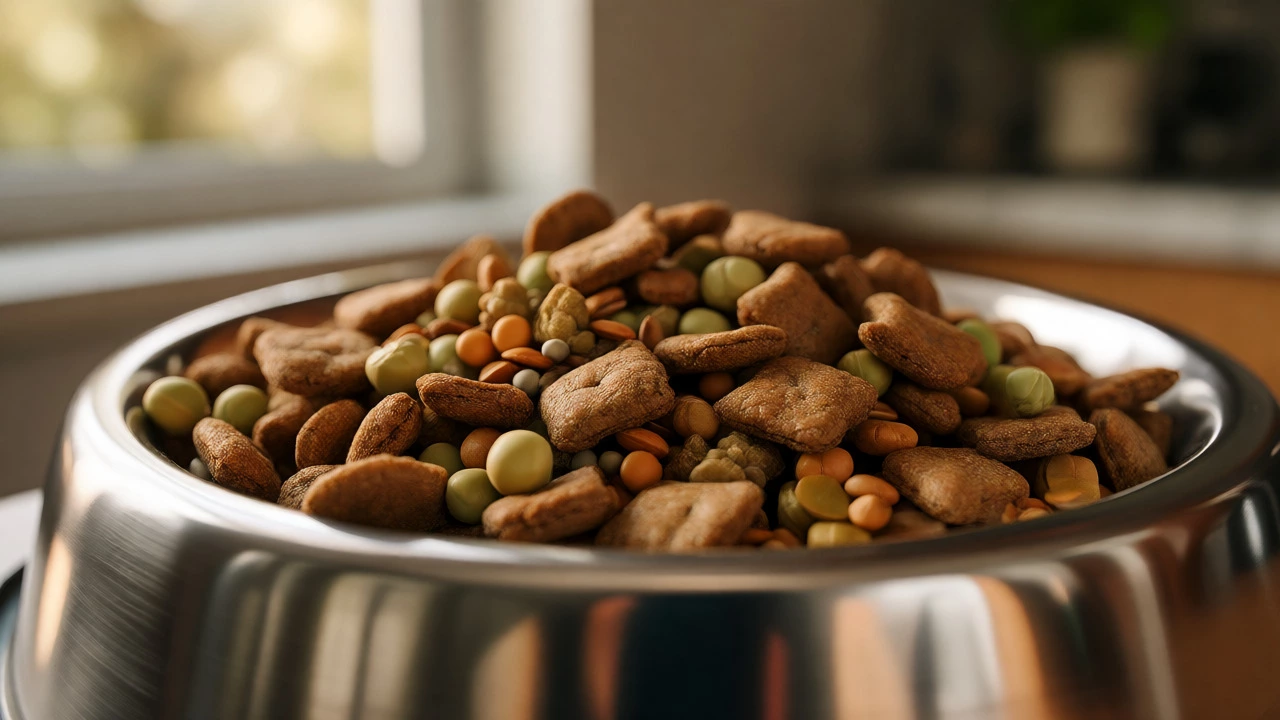
Additionally, dry food exposed to air loses freshness. Fats in kibble oxidize within 24-48 hours once opened, becoming rancid. Rancid fat tastes bad to humans but might be tolerated by cats, yet it reduces nutritional value and can cause gastrointestinal upset. Leaving food out all day means your cat is likely eating stale food, not fresh food.
How to Free Feed Correctly
If you decide that leaving food out fits your lifestyle, don’t just dump a cup of kibble into a bowl and forget about it. You need a system to prevent weight gain and spoilage.
- Measure, Don’t Guess: Calculate your cat’s daily caloric needs based on their ideal weight, not their current weight. Use a kitchen scale. Weigh the exact amount of food for the day and put it all in the bowl. If they finish it by 2 PM, they are done until tomorrow. No refilling.
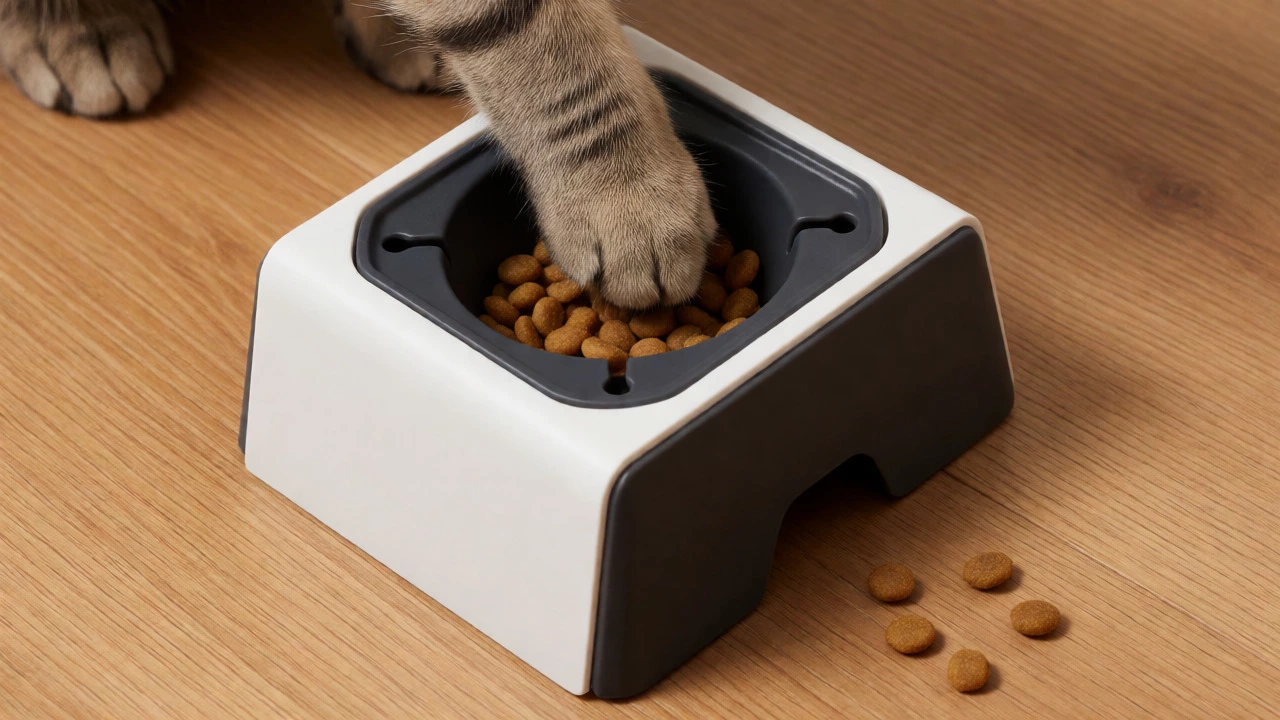
- Use Puzzle Feeders: Instead of a simple bowl, use a slow-feeder puzzle toy. These devices require the cat to work for the food, slowing down consumption and providing mental stimulation. This mimics the hunting process and helps prevent gorging.
- Dump the Leftovers: At the end of the day, throw away any uneaten dry food. Do not mix new kibble with old kibble. This ensures your cat always eats fresh food and prevents the buildup of dust and broken pieces at the bottom of the bowl.
- Monitor Weight Monthly: Check your cat’s body condition score. You should be able to feel their ribs easily but not see them. If their waistline disappears, cut back the daily portion by 10%.
| Feature | Free Feeding (Ad Libitum) | Scheduled Meals |
|---|---|---|
| Convenience | High (set once per day) | Low (requires presence) |
| Obesity Risk | High for unregulated cats | Lower (portion controlled) |
| Freshness | Decreases throughout the day | Always fresh at mealtime |
| Best For | Kittens, multi-cat homes, anxious grazers | Weight management, diabetic cats, picky eaters |
| Behavioral Impact | Reduces resource guarding | Can increase competition if not managed |
Signs Your Cat Needs Scheduled Meals Instead
Not every cat thrives with a full bowl. Watch for these red flags that indicate you should switch to timed feedings:
- Rapid Weight Gain: If your cat’s belly hangs low or you can’t feel their spine, they are consuming too many calories.
- Vomiting After Eating: Cats who gorge themselves often vomit undigested food shortly after eating. Scheduled, smaller meals help regulate digestion.
- Lethargy: Overfed cats often move less. If your cat seems sluggish or reluctant to play, cutting back on free access might boost their energy.
- Pickiness: Some cats learn that if they ignore the dry food long enough, you’ll offer wet food. Scheduled meals teach them that food is available now, or it goes away.
The Wet Food Factor
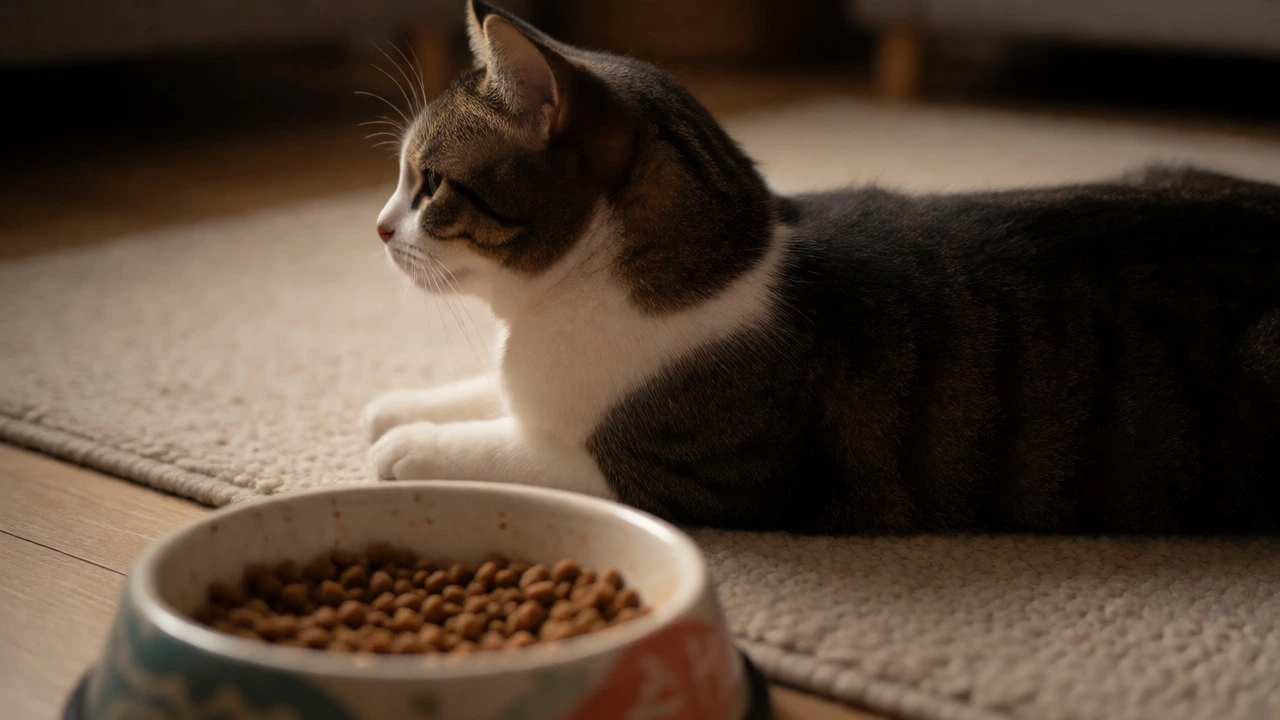
It’s worth noting that free feeding usually applies only to dry food. Wet food spoils quickly and attracts flies if left out for more than 30 minutes. Many owners use a hybrid approach: wet food at set times (morning and evening) for hydration and protein, and a limited amount of dry food left out for nighttime grazing. This balances the benefits of both worlds.
However, if your cat gains weight on this hybrid model, drop the dry food completely. Hydration is critical for kidney health, especially in older cats, so prioritize wet food quality over the convenience of dry kibble.
Practical Tips for Success
If you stick with free feeding, keep these practical rules in mind:
- Store Kibble Properly: Keep dry food in an airtight container in a cool, dark place. Oxygen and light degrade nutrients. Don’t leave the bag open on the counter.
- Clean Bowls Daily: Saliva and oils from the food create a biofilm on plastic bowls. Wash bowls with hot, soapy water every day to prevent acne on your cat’s chin.
- Consider Automatic Feeders: If you want the structure of scheduled meals but the convenience of automation, invest in a programmable feeder. It dispenses small portions multiple times a day, keeping food fresh and limiting total intake.
Is free feeding bad for kittens?
No, free feeding is generally recommended for kittens under six months old. They have high energy needs and small stomachs, requiring frequent access to calories for proper growth and development. Just ensure the food is specifically formulated for kittens.
How much dry food should I leave out for my cat?
The amount depends on your cat's weight and activity level. On average, an indoor adult cat needs about 200-250 calories per day. Check the feeding guidelines on your specific brand's packaging, but weigh the food to ensure accuracy. Adjust based on monthly weight checks.
Does leaving food out attract pests?
Yes, open bowls of dry food can attract ants, cockroaches, or mice, especially in warmer climates. Using sealed containers and cleaning up spills immediately helps. Placing the bowl on a mat or inside a feeding station with raised edges can also deter some pests.
Can I mix wet and dry food in the same bowl for free feeding?
You can, but it's tricky. Wet food dries out and becomes unappetizing within an hour, while dry food stays fine. It's better to serve wet food at specific times and leave dry food out separately. Mixing them leaves a mess and wastes the wet food if not eaten immediately.
Why does my cat beg for food even though the bowl is full?
Cats often confuse hunger with boredom or desire for attention. If the food is stale, they may reject it. Alternatively, they may have learned that begging gets a reaction from you. Try ignoring the begging unless it's been several hours since they last ate, and check if the food is fresh.