8-Week-Old Puppy Schedule: What to Expect and How to Get It Right
When you bring home an 8-week-old puppy, a young dog just leaving its litter and entering a new home. Also known as a weaned puppy, it’s at a critical stage where routines shape its future behavior, health, and trust in people. This isn’t just about feeding and potty breaks—it’s about building a foundation for a calm, confident dog. At this age, your puppy has the bladder control of a toddler, the energy of a tornado, and the learning speed of a sponge. Getting the schedule right means fewer accidents, less stress, and a happier household.
Start with the basics: feeding schedule, how often and when you give food to support growth and digestion. An 8-week-old puppy needs three meals a day—around 7 a.m., 12 p.m., and 5 p.m. Skip late-night snacks. Food right before bed means a 2 a.m. bathroom emergency. Pair meals with potty breaks: take them out within 15 minutes of eating or drinking. potty training, teaching a puppy where and when to eliminate is the biggest challenge, and consistency is everything. Use the same door, same spot, and same cue word like "go potty." Praise them the second they finish, even if it’s just a little. No yelling if they mess inside—just clean it up and try again.
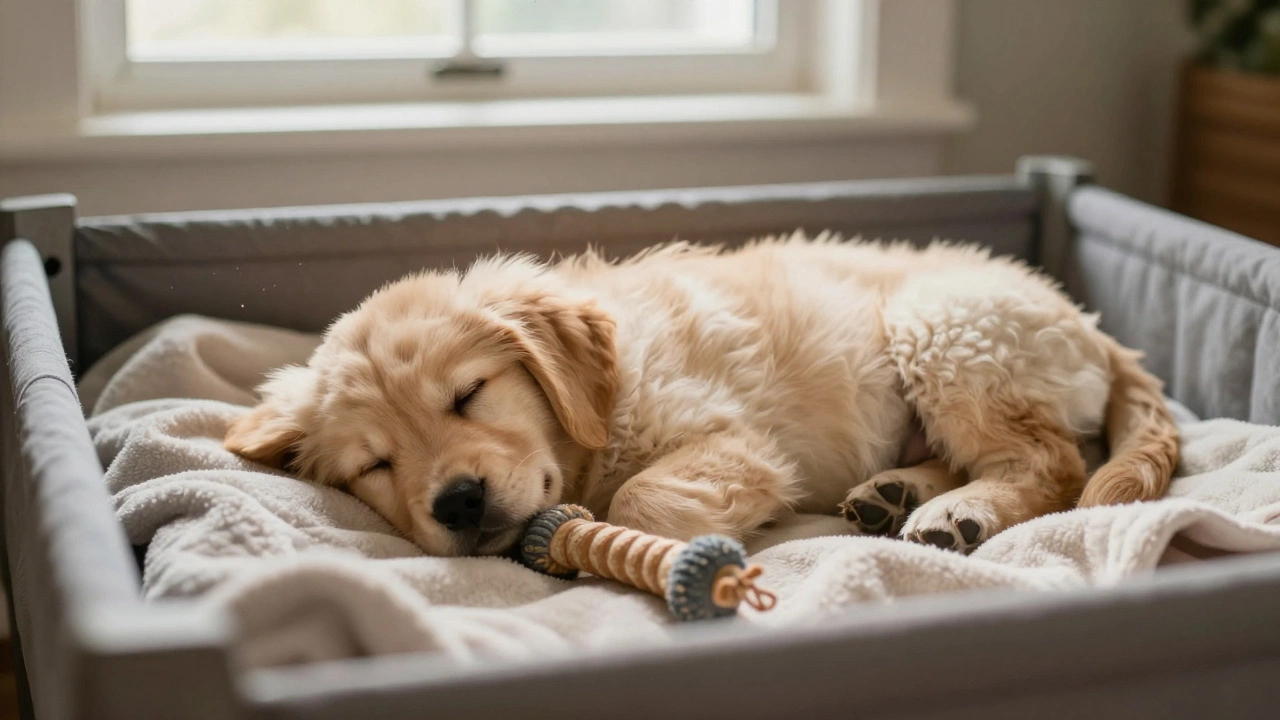
Then there’s sleep schedule, the predictable rest periods that help puppies grow and process new experiences. Puppies this young need 18 to 20 hours of sleep a day, but they’ll nap in 30-minute bursts between playtime. Don’t force them to sleep—create the right environment: a quiet, cozy crate or bed in a low-traffic area. Nighttime sleep is a whole other battle. Most 8-week-olds wake up once or twice to go out. Keep nighttime trips calm and boring—no play, no talking, just quick potty and back to bed. Over time, they’ll stretch their sleep. Don’t leave them alone for more than 2 hours at night, especially in the first week. Separation anxiety starts early.
Play and training fit in between. Short, fun sessions—5 to 10 minutes every few hours—teach them basic things like "sit," "come," and waiting before doors. Use treats, not force. Your puppy isn’t stubborn—they’re overwhelmed. Too much stimulation leads to biting, barking, or zoning out. Mix in quiet time. A chew toy or stuffed Kong in their crate helps them learn to settle. And don’t forget: at this age, every new sound, person, or surface is a learning moment. Introduce them gently to different floors, car rides, and friendly dogs, but don’t push.
What you’ll find below are real, tested tips from owners and vets who’ve been through this. No fluff. No theory. Just what works when your puppy is peeing on the rug at 3 a.m., refusing to sleep, or chewing your shoes again. Whether it’s how to fix a broken sleep routine, what to feed when homemade food goes wrong, or why your puppy acts weird after a grooming session, these posts give you the practical steps to get back on track. You’re not alone. And you don’t need to guess anymore.
What Is a Good Schedule for an 8-Week-Old Puppy?
A good schedule for an 8-week-old puppy includes feeding three times a day, frequent potty breaks, 18-20 hours of sleep, short training sessions, and calm socialization. Consistency builds confidence and prevents accidents.
Popular posts