8-Week-Old Puppy Potty Break Estimator
An 8-week-old puppy can only hold their bladder for 1-2 hours. They need to go outside after eating, drinking, playing, and waking up. This tool estimates when your puppy should go next based on their last potty break.
Enter the time of your puppy's last potty break
Next Potty Break Time
Click 'Calculate' to see when your puppy should go next
Your puppy should be ready for their next potty break.
At eight weeks old, your puppy is just starting to explore the world. This is the perfect time to set up a daily schedule that helps them learn, grow, and feel safe. A good routine isn’t about being strict-it’s about creating predictability. Puppies thrive on consistency. When they know what comes next, they feel less anxious and learn faster.
Why a Schedule Matters for an 8-Week-Old Puppy
Eight-week-old puppies have tiny bladders, short attention spans, and no sense of time. They can’t hold it for more than an hour or two, and they’ll nap anywhere-on your shoes, in the laundry basket, or right in front of the door. Without structure, they’ll get overstimulated, tired, or worse, have accidents inside because they don’t know where to go.
Studies show that puppies with consistent routines develop better bladder control, sleep more soundly, and bond faster with their humans. A schedule gives your puppy a sense of security. It tells them: “You’re safe. You’re loved. You know what to expect.”
Feeding Schedule: Three Meals a Day
At this age, your puppy needs three meals a day-no more, no less. Skipping meals or free-feeding (leaving food out all day) can lead to digestive upset or picky eating later on.
Feed them high-quality puppy food formulated for small or medium breeds, depending on their expected adult size. Most brands recommend 1/3 to 1/2 cup per meal, split evenly. Always check the feeding guide on the bag and adjust based on your pup’s energy and weight gain.
Here’s a simple feeding window:
- 7:00 AM
- 12:00 PM
- 5:00 PM
Remove the food after 15-20 minutes. If they don’t finish it, don’t leave it out. This teaches them mealtime is serious and helps you predict when they’ll need to go potty.
Potty Breaks: Every Hour, Plus After Key Activities
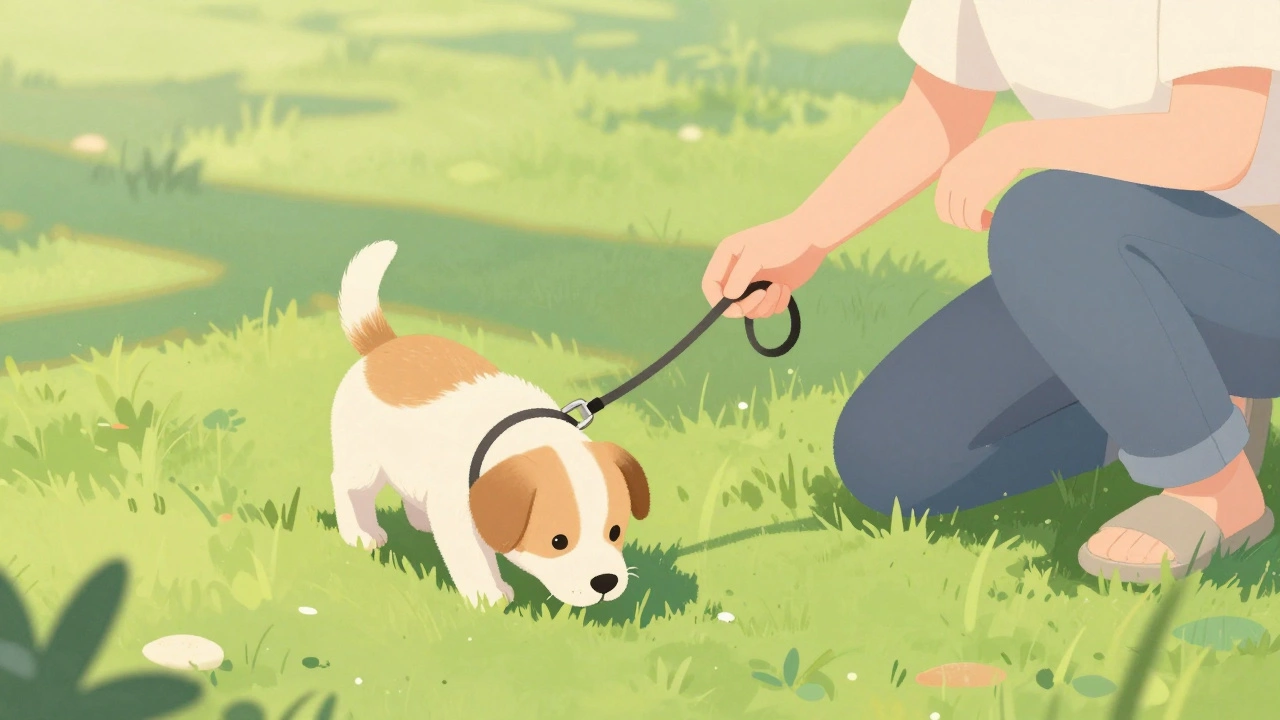
Your puppy’s bladder is about the size of a golf ball. They can’t hold it for long. Plan for a potty break every hour, and always after these activities:
- Waking up
- After eating
- After playing
- After napping
- Before bedtime
Take them to the same spot outside each time. Say a simple phrase like “go potty” or “do your business.” Don’t rush them, but don’t let them wander either. If they go, praise them with a quick treat or a happy voice. If they don’t, bring them back inside and try again in 15 minutes.
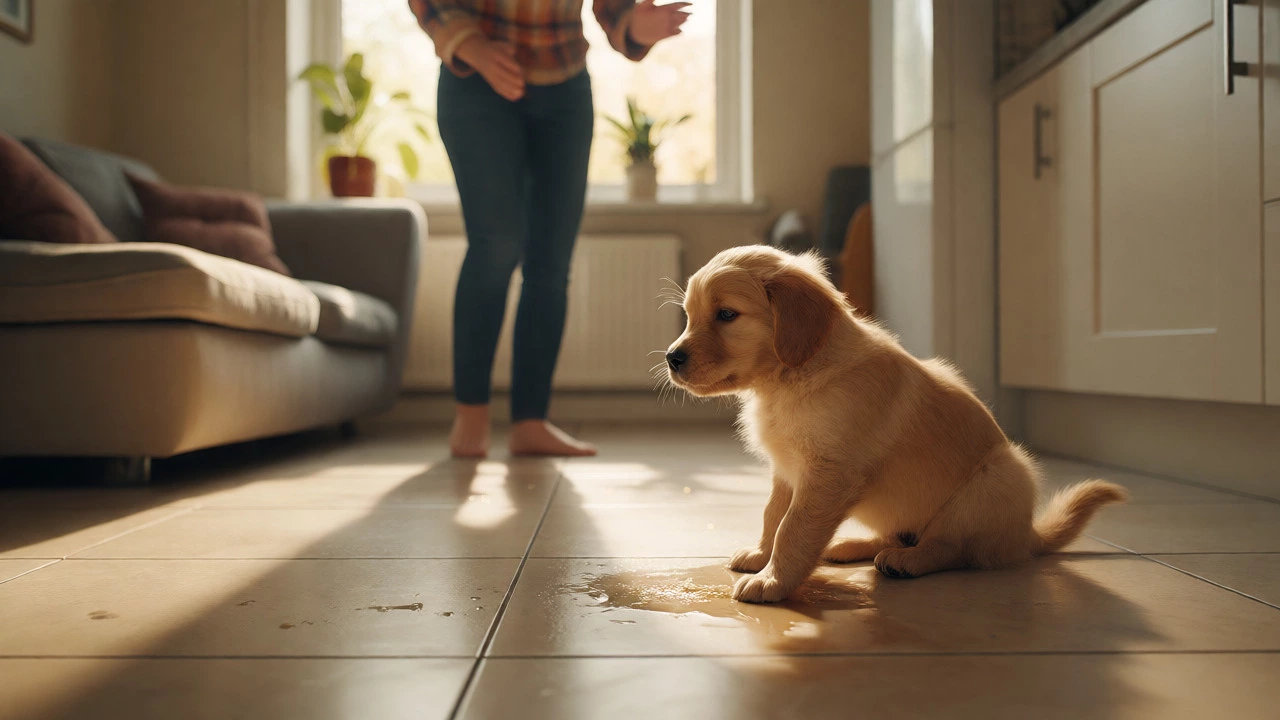
Accidents happen. Don’t yell. Clean up with an enzymatic cleaner-not just soap. The smell lingers, and if they smell it again, they’ll think it’s okay to go there.
Sleep Schedule: 18-20 Hours a Day
Don’t be fooled by their zoomies. An 8-week-old puppy needs 18 to 20 hours of sleep every day. That’s not laziness-that’s growth. Their bodies are building muscles, brains, and immune systems.
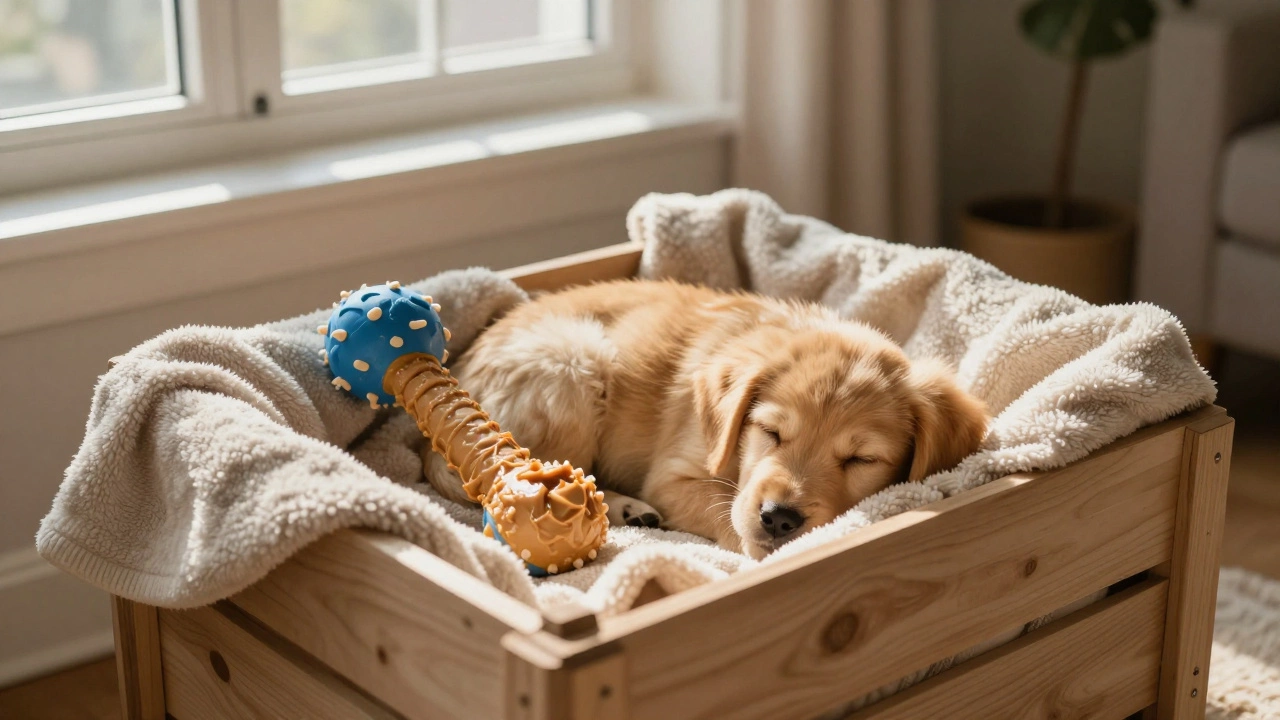
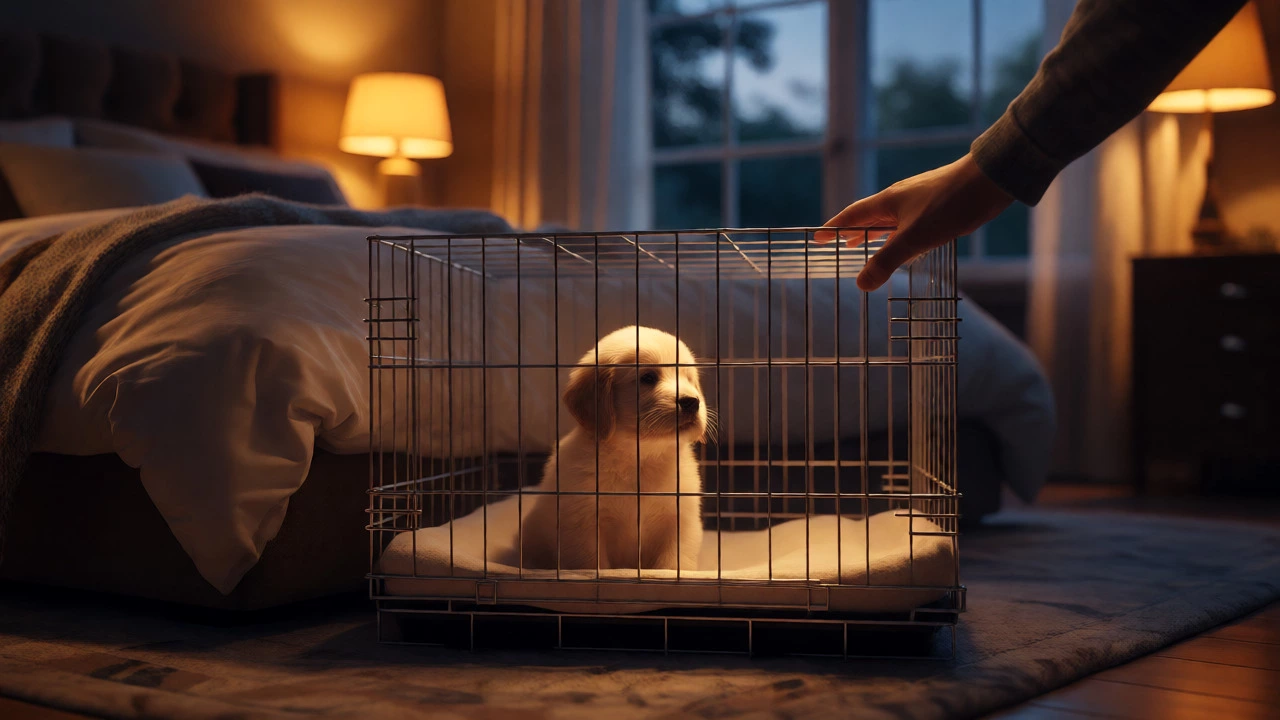
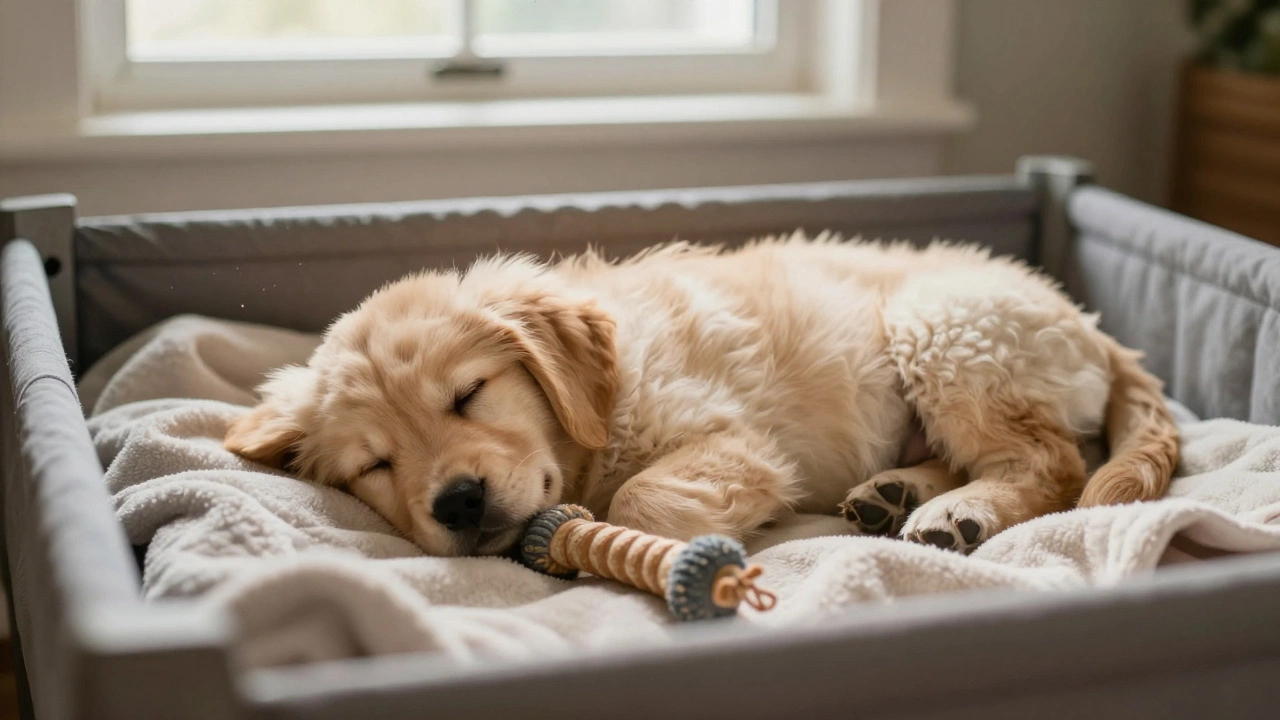
Set up a quiet, cozy sleeping spot. A crate with a soft bed works best. It gives them a den-like space to feel safe. Never punish them for being in the crate. Make it a positive place with a chew toy or a blanket that smells like you.
Most puppies will nap between meals and after potty breaks. Let them rest. Don’t wake them up to play unless they’re whining for a potty break. If they’re sleeping, let them sleep.
Play and Training: Short, Positive Sessions
At eight weeks, your puppy’s attention span is about 5 to 10 minutes. That’s it. Longer sessions will overwhelm them. Stick to short bursts of play and training.
Teach basic commands like “sit,” “stay,” and “come” using treats and lots of praise. Use a clicker if you like-it helps mark the exact moment they do something right. Keep training fun. If they lose interest, stop. Try again in an hour.
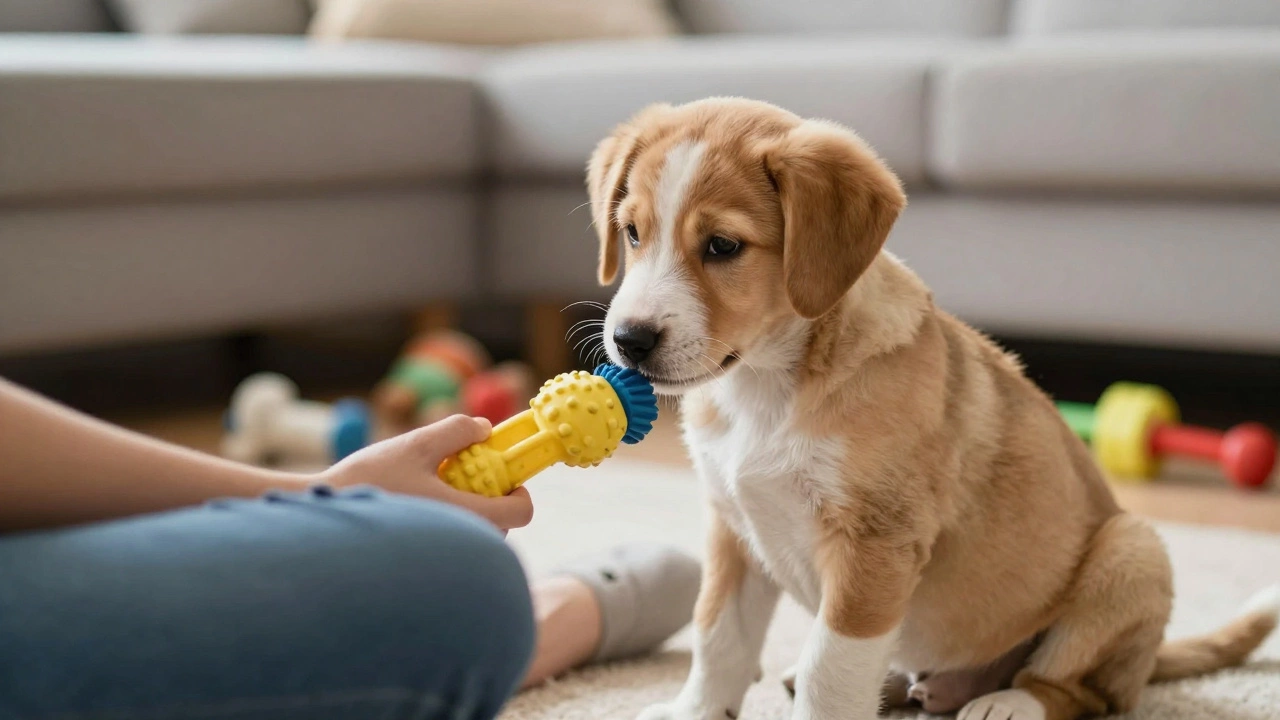
Playtime should be gentle. Avoid roughhousing or tug-of-war with hard toys. Stick to soft plush toys, rubber chewies, or puzzle feeders. These help them learn self-control and prevent biting hands or feet.
Socialization: Meet the World, But Keep It Calm
This is the most important window for socialization. Between 8 and 16 weeks, your puppy’s brain is wired to accept new people, sounds, surfaces, and experiences. But don’t overwhelm them.
Introduce them to:
- Different floor types (tile, wood, carpet)
- Household sounds (vacuum, blender, doorbell)
- People of all ages (kids, seniors, people wearing hats or uniforms)
- Other vaccinated, friendly dogs
Keep each exposure short-2 to 5 minutes. Watch their body language. If their tail is tucked, ears back, or they try to hide, pull back. Let them approach at their own pace. Forced interactions create fear, not confidence.
Evening Wind-Down: Calm Is Key
By 8:00 PM, it’s time to slow down. No more zoomies. No new games. Just quiet time. Give them a final potty break, then settle into their crate or bed.
Some puppies whine at night. Don’t rush to pick them up. They might just need to go outside. If they’ve had a potty break and are still whining, ignore it for a few minutes. If they’re truly upset, check on them quietly-no light, no talking, no play. Just a quick pat and leave.
Most puppies will sleep through the night by 10 to 12 weeks. But at eight weeks, you might still need to get up once. That’s normal. Stick to the schedule. They’ll adjust.
What Not to Do
Here are common mistakes new owners make:
- Letting the puppy sleep in your bed-it makes house training harder
- Feeding table scraps-they can cause diarrhea or picky eating
- Leaving them alone for more than 2 hours-they’ll panic and chew everything
- Using punishment for accidents-it creates fear, not learning
- Skipping vet visits-puppies need vaccines and deworming at this age
Remember: this stage is temporary. The chaos of the first few weeks fades fast. The routine you build now becomes the foundation for a calm, confident adult dog.
Sample Daily Schedule for an 8-Week-Old Puppy
Here’s what a full day might look like:
- 6:30 AM - Wake up, potty break
- 7:00 AM - Breakfast
- 7:15 AM - Potty break
- 7:30 AM - Short play or training session
- 8:30 AM - Nap
- 11:00 AM - Wake up, potty break
- 11:30 AM - Socialization time (meet a calm person or dog)
- 12:00 PM - Lunch
- 12:15 PM - Potty break
- 12:30 PM - Nap
- 4:00 PM - Wake up, potty break
- 4:30 PM - Playtime with soft toys
- 5:00 PM - Dinner
- 5:15 PM - Potty break
- 6:00 PM - Quiet time, gentle petting
- 7:30 PM - Final potty break
- 8:00 PM - Settle into crate or bed
- 10:00 PM - Optional potty break (if needed)
- 10:30 PM - Sleep through the night (eventually)
This schedule leaves room for flexibility. If your puppy naps longer, let them. If they’re extra tired after a walk, skip training that day. The goal isn’t perfection-it’s progress.
When to Expect Changes
By 10 weeks, your puppy will start holding it longer-maybe 3 to 4 hours. You can drop the middle-of-the-night potty break. By 12 weeks, they’ll be ready for two meals a day. At 16 weeks, their attention span will stretch to 15-20 minutes, and you can start more advanced training.
Every puppy is different. Some are ready for more freedom earlier. Others need more time. Watch your pup. If they’re calm, sleeping well, and not having accidents, you’re doing great.
How often should an 8-week-old puppy go outside to pee?
An 8-week-old puppy needs to go outside every 1 to 2 hours, plus right after eating, drinking, playing, or waking up. Their bladder is still developing, so they can’t hold it for long. Stick to a consistent schedule to avoid accidents indoors.
Can I leave my 8-week-old puppy alone for 4 hours?
No. An 8-week-old puppy should not be left alone for more than 2 hours. Their bladder control is limited, and they can become anxious or destructive if left too long. If you work long hours, arrange for someone to check on them midday or consider a doggy daycare.
Should I use a crate for my 8-week-old puppy?
Yes. A crate gives your puppy a safe, den-like space to rest and helps with house training. Make sure it’s the right size-big enough to stand, turn, and lie down, but not so big they can use one corner as a bathroom. Introduce it slowly with treats and toys so they see it as a positive place.
What kind of toys are best for an 8-week-old puppy?
Soft plush toys, rubber chew toys, and puzzle feeders are ideal. Avoid hard plastic toys, rawhide, or anything with small parts they could swallow. Puppies at this age are teething, so chew toys help relieve discomfort and teach them what’s okay to bite.
My puppy won’t sleep at night-what should I do?
First, make sure they’ve had a potty break right before bed. If they’re whining, don’t rush to pick them up. Wait a few minutes. If they’re still upset, check quietly-no lights, no play. Most puppies will settle once they realize nighttime means quiet time. Stick to the routine, and they’ll adjust within a week or two.
Final Thoughts
An 8-week-old puppy isn’t a tiny adult. They’re a baby who needs sleep, food, potty breaks, and gentle guidance. A good schedule doesn’t mean you’re in control-it means you’re caring for them the way they need.
Stick with it for just a few weeks, and you’ll see the difference. Your puppy will stop peeing on the rug, stop biting your hands, and start falling asleep peacefully in their bed. You’ll sleep better too. That’s the real reward.