
Blue Buffalo Ingredients: What’s Really in Your Dog’s Food
When you see Blue Buffalo ingredients, a line of dog food marketed as natural and wholesome, often used by pet owners looking for alternatives to mass-produced kibble. Also known as Blue Buffalo Life Protection Formula, it’s one of the most talked-about brands in pet stores across the UK. But just because it says "natural" on the bag doesn’t mean every ingredient is good for your dog. The truth is, some of what’s inside—like chicken meal, corn gluten meal, or pea protein—might not be what you think. And if you’re feeding your dog this because you believe it’s the healthiest option, you’re not alone. But you might be missing the bigger picture.
What makes Blue Buffalo different isn’t just the name—it’s the story they tell. They promise real meat as the first ingredient, no artificial flavors, and no poultry by-product meals. That sounds great, and for many dogs, it works fine. But look closer. Many of their formulas use chicken meal, a concentrated protein source made by drying and grinding chicken tissue, often used to boost protein levels in dry food. It’s not bad, but it’s not the same as fresh chicken. Then there’s brown rice, a common carbohydrate filler in dog food that’s easier to digest than white rice but still adds unnecessary carbs for dogs who don’t need them. And let’s not forget the peas and lentils, ingredients that became popular as grain-free alternatives but are now linked to heart issues in some dogs when used in high amounts. These aren’t toxins, but they’re not exactly premium either. If your dog has allergies, sensitive digestion, or is active and needs lean protein, these ingredients could be holding them back.
Compare this to what you see in other posts here—like the guide on homemade dog food supplements or the breakdown of ground chicken for dogs. Those posts show you how simple, whole ingredients can outperform branded kibble. You don’t need a fancy label to feed well. You need to know what’s in the bowl. Blue Buffalo isn’t bad, but it’s not perfect. And if you’re paying more for it, you deserve to know why. Some dogs thrive on it. Others get itchy skin, gas, or loose stools. That’s not a coincidence. It’s the ingredients. The real question isn’t whether Blue Buffalo is good—it’s whether it’s the best for your dog. Below, you’ll find real posts from pet owners and vets who’ve tested these ingredients, compared brands, and figured out what actually works. No marketing. Just facts.
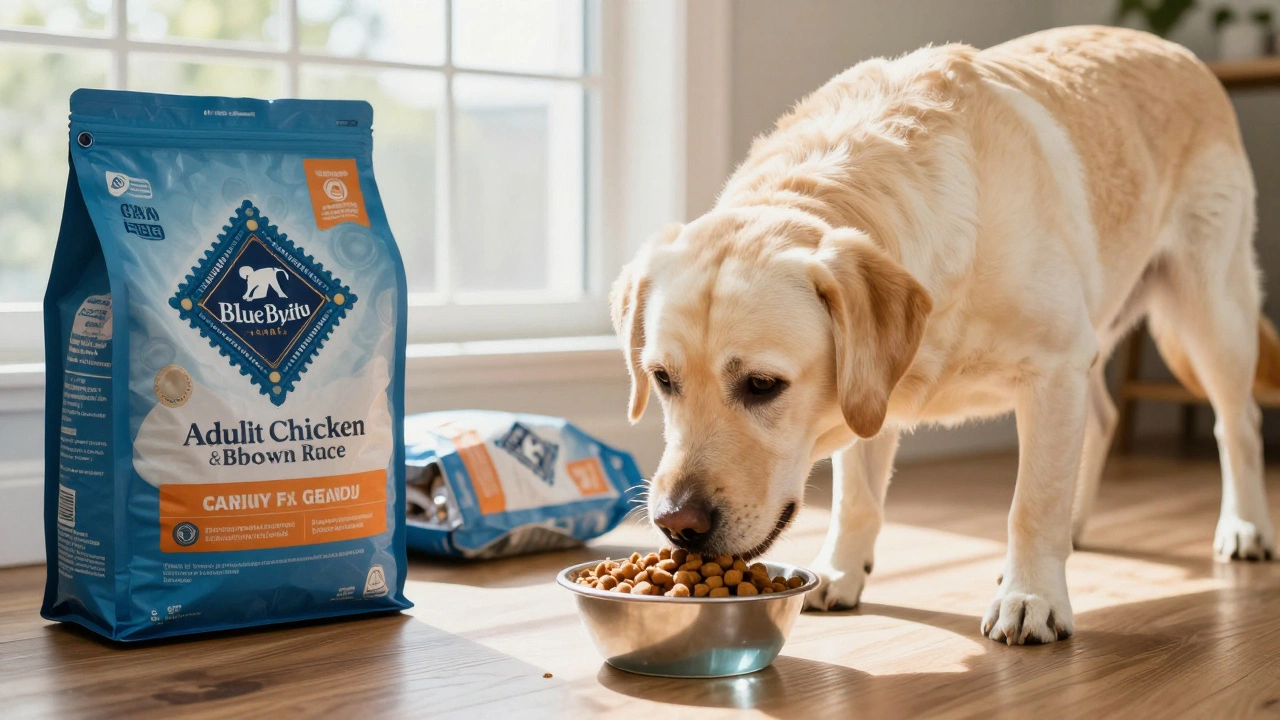
Is Blue Buffalo a bad dog food? Here's what vets and dog owners really say
Blue Buffalo isn't inherently bad, but its grain-free formulas carry risks for heart health. Learn which versions are safe, which to avoid, and how to choose the right dog food for your pet's needs.
Popular posts