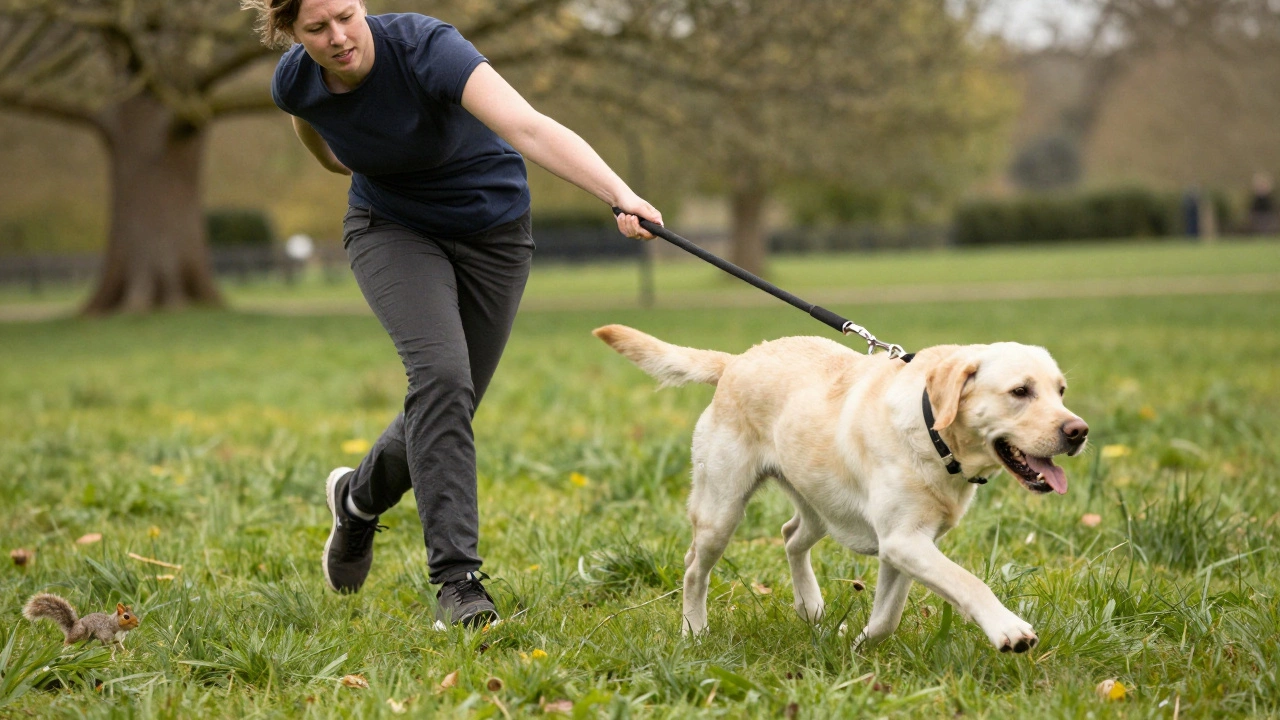
Crate Training Tips for Dogs: Safe, Effective Methods That Work
When you hear crate training, a method of teaching a dog to feel safe and calm in a confined space, often used for house training and travel. Also known as kennel training, it’s not about locking your dog away—it’s about giving them a den they choose to go to. Many pet owners think it’s about control, but the best results come from trust. If your dog hides in the closet or under the bed when stressed, they’re already looking for a safe space. A crate just gives them one that’s designed for them.
Good crate training, a method of teaching a dog to feel safe and calm in a confined space, often used for house training and travel. Also known as kennel training, it’s not about locking your dog away—it’s about giving them a den they choose to go to doesn’t start with the door closing. It starts with making the crate the most interesting place in the house. Toss in a favorite toy, a stuffed Kong, or a blanket with your smell. Let your dog explore it on their own terms. If they walk in and out, that’s fine. If they nap inside? That’s the win. dog anxiety, a state of fear or stress triggered by separation, noise, or unfamiliar environments, often worsened by forced confinement is the biggest reason crate training fails—not because the dog is stubborn, but because they feel trapped. Never use the crate as punishment. Never yell at them for whining. Instead, reward silence. Even a quiet sigh is progress.
puppy crate training, the process of introducing a young dog to a crate as a secure, comforting space during early development needs patience. An 8-week-old pup can’t hold it for 6 hours. They need potty breaks every 2-3 hours. That’s not a failure—it’s biology. Set up a routine: play, eat, potty, then crate. Keep sessions short at first. Five minutes, then ten. Slowly build up. If your dog cries, don’t rush to open the door. Wait for a pause. That’s when you reward calmness. Over time, they learn that quiet leads to freedom. And if they’re still stressed after a week? It’s not the crate—it’s the pace. Slow down. Go back to step one.
Many people think a bigger crate is better. It’s not. If the crate is too big, your dog will use one end for sleeping and the other for accidents. The rule? They should be able to stand up, turn around, and lie down comfortably. No extra space. For adult dogs, start over like they’re a puppy. No shortcuts. No guilt. They’re not being bad—they’re confused. And dog behavior, the observable actions and reactions of a dog in response to their environment, often shaped by training, routine, and emotional state changes when they feel safe. A dog who sleeps peacefully in their crate at night isn’t just trained—they’re relaxed. That’s the goal.
You’ll find posts here that break down exactly how to handle nighttime crying, what to do when your dog panics in the crate, and why some brands of crates work better than others. You’ll also see what not to do—like leaving a dog in there for hours without water, or using it as a replacement for exercise. This isn’t about obedience. It’s about comfort. And with the right approach, your dog won’t just tolerate the crate—they’ll love it.
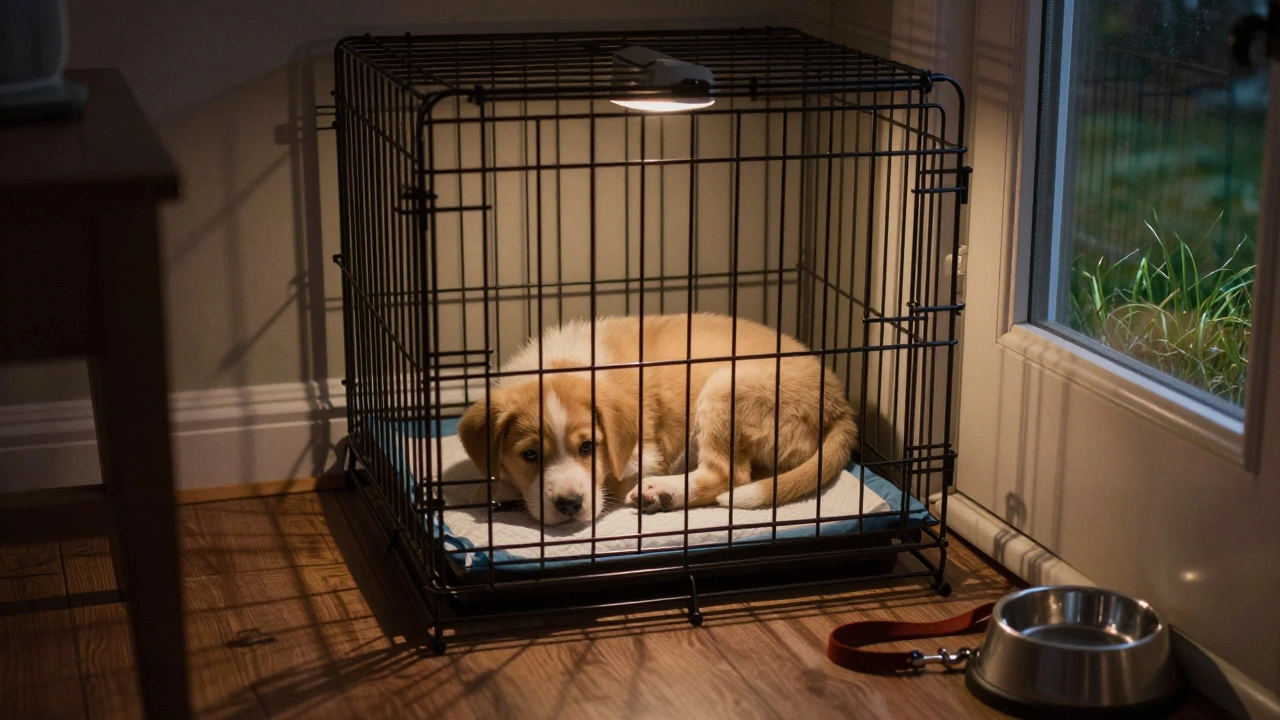
Will a Puppy Pee in a Crate at Night? Here’s What Really Happens
Most puppies can't hold their pee all night until they're 4-5 months old. Learn why accidents happen and how to train your puppy to sleep through the night without peeing in their crate.
Popular posts