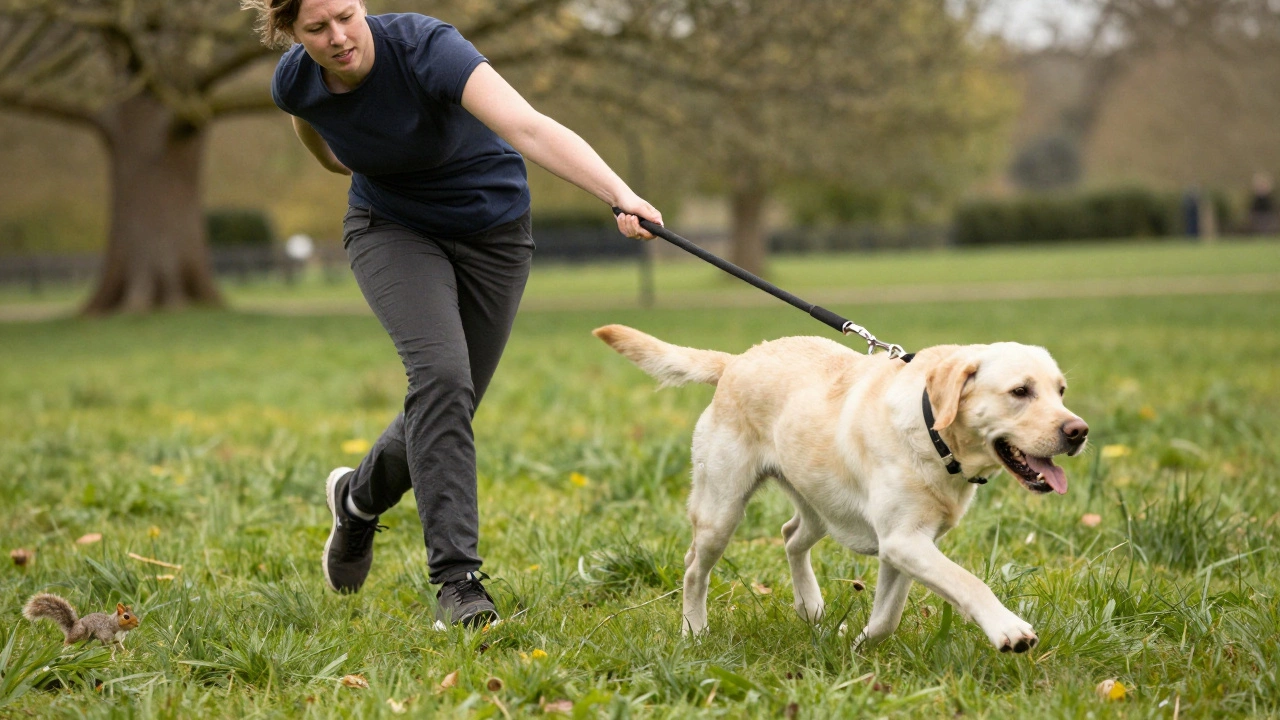
Dog Acts Anxious After Grooming: Why It Happens and What to Do
When a dog acts anxious after grooming, a behavioral response often triggered by sensory overload, unfamiliar handling, or past negative experiences during grooming. It's not just being stubborn—it's their way of saying something felt wrong. This isn’t rare. Many dogs who seem fine during the groom come home shaking, hiding, or even snapping at familiar people. The problem isn’t always the groomer. It’s the environment, the noise, the smell of dryers, or the sudden loss of control over their own body.
Dog grooming anxiety, a specific stress response tied to the grooming process shows up in subtle ways: panting when they’re not hot, licking paws nonstop, refusing to lie down, or suddenly avoiding their bed. Some dogs tuck their tail, freeze, or try to escape. Others become clingy, following you everywhere. These aren’t just "bad moods." They’re signs your dog is still processing fear. And if this happens often, it can turn grooming into a traumatic event—making future visits harder, and your dog more stressed each time.
Dog behavior after grooming, the observable changes in a dog’s actions following a grooming session often reflects what happened behind the scenes. Was the dryer too loud? Were their nails trimmed too short? Did someone force them into a position they couldn’t escape? Even a quick bath with unfamiliar shampoo can trigger a stress response. Dogs don’t understand "it’s just a trim." They feel the change in their body, the loss of scent, the unfamiliar touch—and that’s enough to unsettle them.
You can’t fix this overnight, but you can make it better. Start by watching your dog closely after every groom. Note what triggers the anxiety. Is it the dryer? The clippers? Being lifted onto the table? Then talk to your groomer—not to complain, but to collaborate. Ask if they can go slower. If they can let your dog sniff the tools first. If they can pause every few minutes to give a treat. Small changes make a big difference.
Some dogs need a different approach entirely. Maybe a mobile groomer who comes to your house. Maybe a quiet, low-stress salon. Maybe skipping the full groom and doing just the basics at home. You know your dog best. If they’re shutting down after every visit, it’s not about being "difficult." It’s about feeling unsafe.
And if your dog starts acting out after grooming—growling, hiding, or refusing to eat—don’t ignore it. That’s not a phase. That’s a signal. There are ways to rebuild trust. Gradual desensitization. Positive reinforcement. Calming aids. We’ve seen it work. Not every dog loves grooming. But every dog deserves to feel safe while getting it done.
Below, you’ll find real stories and practical advice from other dog owners and vets who’ve dealt with the same thing. You’re not alone. And there are real, doable steps you can take to help your dog feel calm again—starting with the next groom.
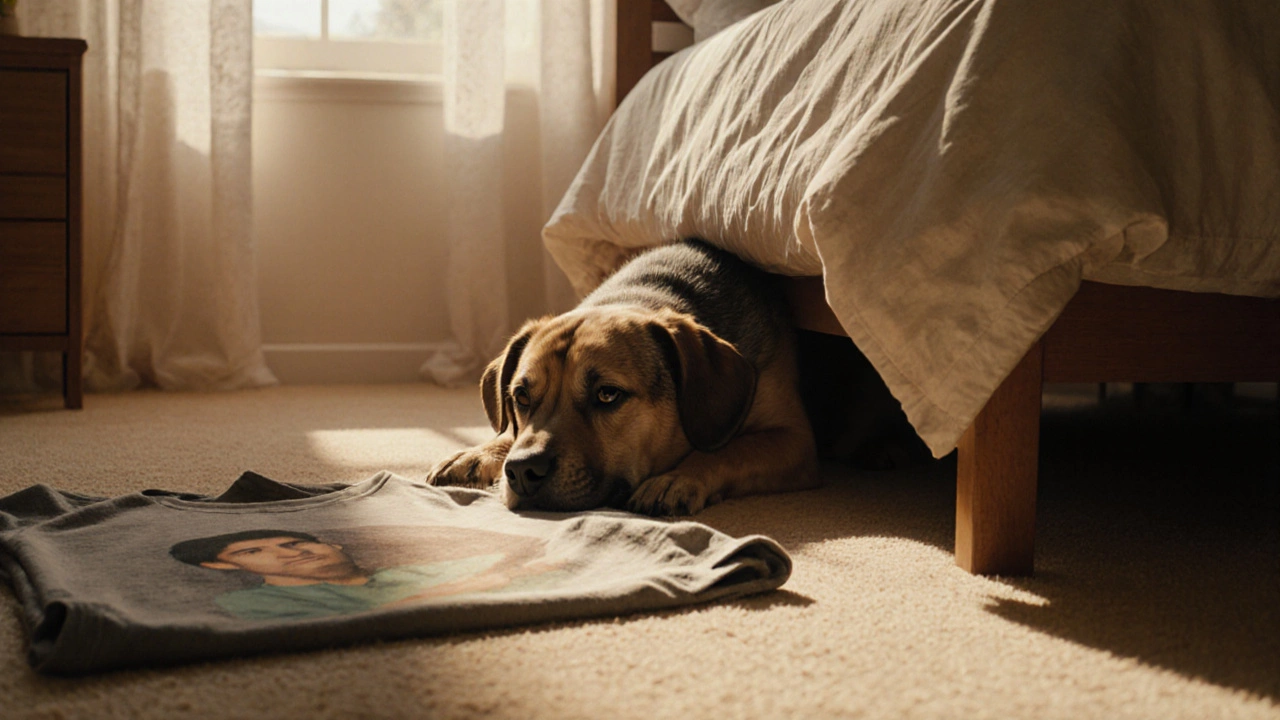
Why Does My Dog Act Weird After the Groomers? Common Reasons and What to Do
Your dog acts weird after grooming? It’s not bad behavior-it’s stress. Learn why dogs hide, stop eating, or tremble after the salon, and how to help them recover safely.
Popular posts