Dog Grooming Recovery Estimator
How Long Will Your Dog Take to Recover?
Grooming can be overwhelming for dogs. This tool estimates how long your dog may need to feel comfortable again based on their unique characteristics.
Estimated Recovery Time
Most dogs return to normal within this timeframe, but some may need more time based on their individual needs.
Give your dog quiet space, offer their favorite food, and keep the environment calm. Avoid extra baths or activities for the first 24 hours.
If your dog hasn't eaten for 24 hours, is limping, vomiting, or showing signs of pain. These could be red flags needing professional attention.
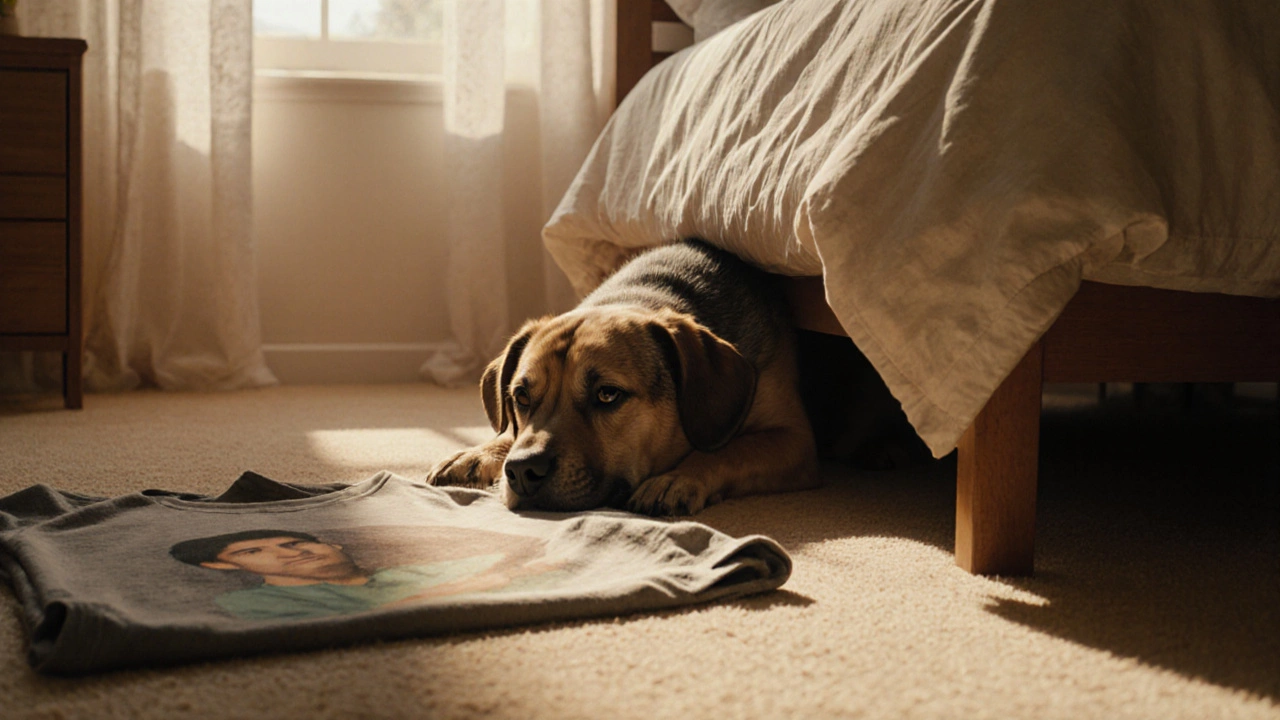
It’s not just you. If your dog comes home from the groomers acting like a stranger-hiding under the bed, refusing food, trembling, or suddenly ignoring you-it’s more common than you think. You paid good money for a clean, fluffy pup, but instead of the happy tail-wagger you expected, you got a shell-shocked ghost of your own pet. What happened?
Your Dog Isn’t Being Difficult-They’re Overwhelmed
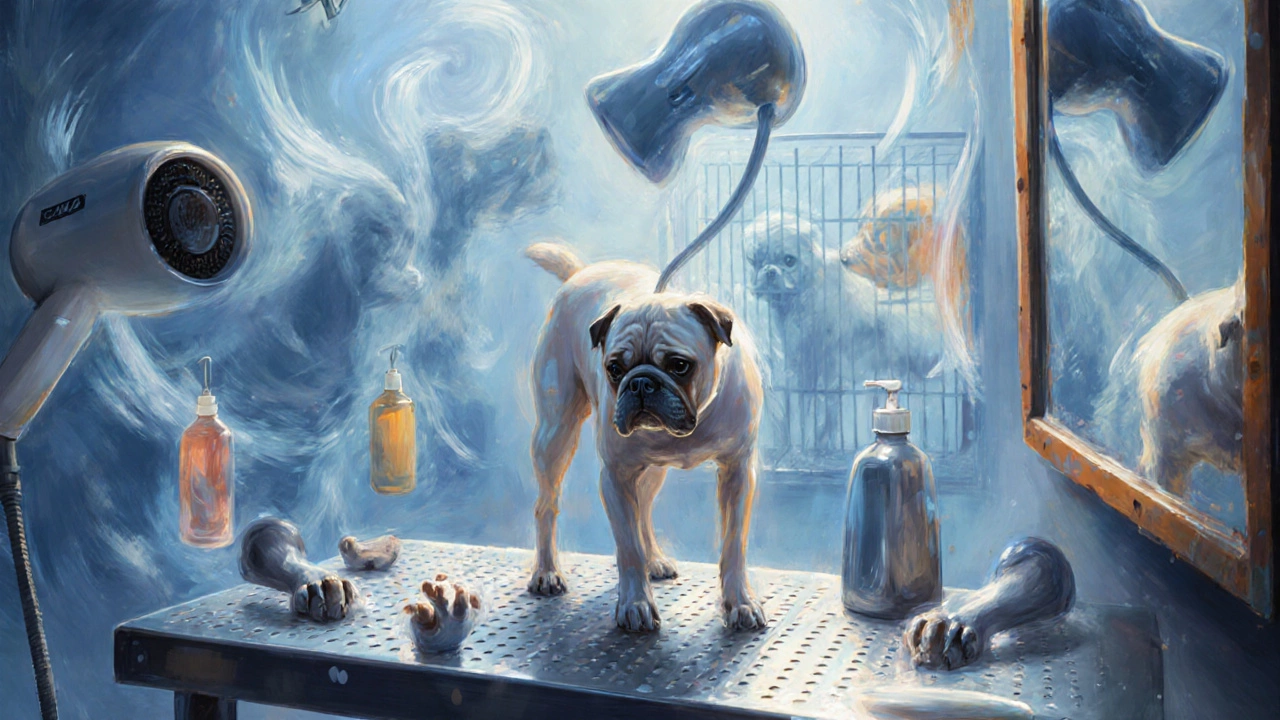
Dogs don’t understand why they’re being strapped to a table, blasted with loud dryers, shaved with buzzing tools, and handled by strangers. Even if they’ve been groomed before, each visit can feel like a new trauma. Their senses are on overload. The smell of shampoo, the noise of clippers, the sensation of being lifted and turned, the sudden loss of fur they’ve lived with for months-it’s a lot.A study from the University of Bristol in 2023 tracked 127 dogs after professional grooming sessions. Over 68% showed signs of acute stress within 24 hours: lowered tail, flattened ears, panting without heat, and avoiding eye contact. This isn’t bad behavior. It’s a survival response.
Common Reasons Your Dog Acts Weird After Grooming
- Loss of familiar scent: Dogs identify each other and their environment by smell. When you shave off their coat, you remove their natural odor layer. They smell like soap and strangers, and they don’t recognize themselves. It’s like waking up in a body you don’t know.
- Physical discomfort: Even gentle grooming can cause minor skin irritation, nicks, or pressure sores from being held in one position too long. If your dog is licking a spot or walking stiffly, they might be in pain.
- Overstimulation: The salon environment is a sensory storm. Multiple dogs barking, loud blow dryers, unfamiliar people touching them, sudden movements. Their nervous system gets flooded.
- Fear of being restrained: Many dogs are fine at home but panic when pinned down. Groomers use harnesses, loops, and restraints to keep them safe-and that can feel like being trapped.
- Change in body temperature: Thick coats act as insulation. After a full clip, especially in winter, your dog can get cold quickly. Shivering isn’t just emotion-it’s physical.
It’s Not Just the Grooming-It’s the Whole Experience
Think about the whole journey. Your dog gets picked up from home, driven to a strange place, put in a cage, handled by people they’ve never met, then dropped back off in a different mood. That’s a full sensory reset. They’re not mad at you-they’re confused.One owner in Bristol told me her 7-year-old Shih Tzu, Luna, used to jump in the car for grooming. After one bad visit, she started whining at the door, refusing to go near her leash. That’s not defiance. That’s trauma.
How to Help Your Dog Recover
- Give them space: Don’t force cuddles. Let them come to you. Put their bed near you so they feel safe but not pressured.
- Keep things quiet: Turn off loud TV, avoid sudden noises. Let them decompress in a calm room.
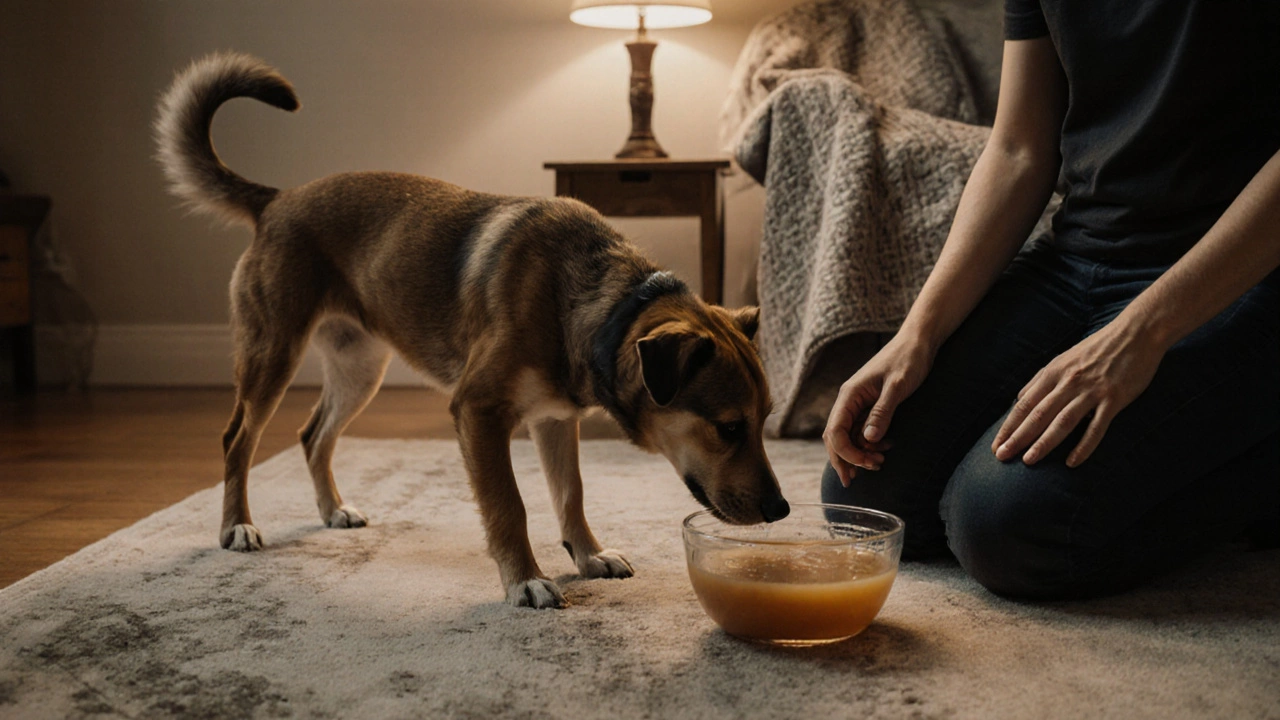
- Offer their favorite food: Try something warm, like a spoonful of chicken broth or a tiny bit of cooked chicken. Smell triggers memory-and comfort.
- Don’t bathe them again: One grooming session is enough. Don’t add more stress by washing them at home.
- Check for physical issues: Run your hands gently over their body. Look for red spots, swelling, or areas they flinch from. If you find anything, call your vet.
Most dogs bounce back in 24 to 48 hours. If your dog still won’t eat, seems in pain, or is lethargic after two days, it’s time to see a vet. It could be an infection, a reaction to shampoo, or even a hidden injury.
How to Prevent This Next Time
- Choose a groomer who works with anxious dogs: Ask if they use quiet dryers, allow breaks, or offer calming techniques. Some groomers even use lavender sprays or pheromone diffusers.
- Go for a "puppy cut" or light trim first: If your dog has never been fully shaved, start with a simple tidy-up. Let them get used to the process slowly.
- Visit the salon without grooming: Take your dog in for a short visit just to say hi. Let them sniff the place, get treats from the staff. Make it a positive experience.
- Bring something familiar: A worn t-shirt with your scent can help them feel safer. Some groomers let you leave a blanket.
- Ask for a "no-shave" option: For dogs with thick coats, a full clip isn’t always needed. A light detangle and brush might be enough.
When to Worry: Red Flags After Grooming
Not every weird behavior is normal. Watch for these signs:- Refusing food or water for more than 24 hours
- Vomiting or diarrhea
- Excessive licking or chewing at a specific spot
- Whining or crying when touched
- Not walking normally or limping
- Fever (check their nose-it should be cool and damp, not hot and dry)
If you see any of these, call your vet. It could be a skin infection, an allergic reaction to shampoo, or even a cut that got infected. Don’t wait.
It’s Not Just the Groomer-It’s the System
Some groomers treat dogs like products. They rush through sessions to fit more in. That’s not your dog’s fault. It’s a broken system. Good groomers charge more because they take time. They check in with the dog. They stop if the dog panics. They don’t force.Don’t pick the cheapest groomer. Pick the one who lets you watch, who asks you about your dog’s history, who tells you if your dog was nervous. That’s worth the extra £15.
Your Dog Still Loves You
The weird behavior isn’t about you. It’s about the chaos they just survived. They don’t hold grudges. They don’t think you betrayed them. They just need time to feel like themselves again.After Luna’s first bad grooming, her owner started bringing her in for short, positive visits every two weeks-not to be groomed, but to get treats and cuddles from the staff. Within a month, Luna walked in wagging. She still doesn’t love the dryer, but now she trusts the room.
Your dog isn’t broken. They’re just trying to make sense of a world that suddenly changed their body, their smell, and their sense of safety. Be patient. Be calm. Be their anchor. They’ll find their way back.
Why does my dog hide after grooming?
Dogs hide after grooming because they feel exposed, confused, or scared. Their natural scent is gone, their body feels different, and the environment was overwhelming. Hiding is a self-soothing behavior-they’re trying to feel safe again. Give them quiet space and let them come out on their own.
Is it normal for my dog to not eat after grooming?
Yes, it’s common for dogs to lose their appetite for a few hours or even a day after grooming. Stress and sensory overload can shut down digestion. Offer a small amount of something warm and tasty, like chicken broth or plain cooked chicken. If they haven’t eaten in 24 hours, contact your vet.
Can grooming cause anxiety in dogs long-term?
Yes, if the experience is repeatedly traumatic, dogs can develop long-term anxiety around grooming. Signs include shaking at the sight of a brush, refusing to go near the car, or panicking when you pick up a towel. Prevention is key-start slow, choose a gentle groomer, and make visits positive. If anxiety is already established, talk to a vet about behavior modification or calming aids.
Should I bathe my dog at home after grooming?
No, avoid bathing your dog at home right after grooming. Their skin is sensitive, and you’re adding another stressful event. The shampoo used at the salon is designed for their coat and skin. Let them rest for at least 24 hours before any further cleaning.
How long does post-grooming weird behavior last?
Most dogs return to normal within 24 to 48 hours. If your dog is still acting off after two days-especially if they’re not eating, limping, or showing signs of pain-it’s time to see a vet. Prolonged stress can lead to health issues.
Do all dogs act weird after grooming?
No, not all dogs react the same. Some breeze through grooming with no issue. Others, especially older dogs, dogs with anxiety, or those with thick coats, are more sensitive. It depends on their personality, past experiences, and how the grooming was done. There’s no one-size-fits-all response.
If your dog still seems off after a few days, don’t assume it’s just "grooming shock." Talk to your vet. You know your dog best. Trust your gut.