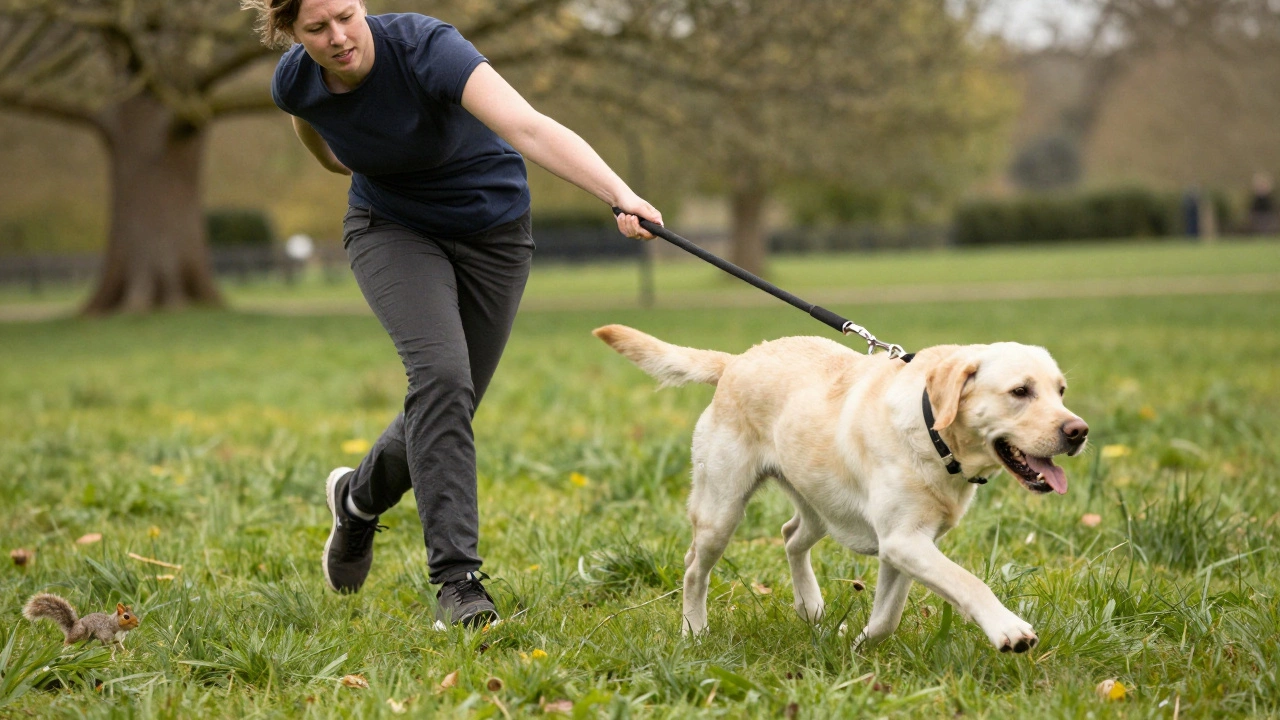
Dog Attachment Signs: How to Tell If Your Dog Is Truly Bonded to You
When you look into your dog’s eyes, do they soften? Do they follow you from room to room, even when there’s nothing to gain? That’s not just habit—it’s dog attachment, a deep emotional bond formed through trust, routine, and consistent care. Also known as canine emotional attachment, it’s what turns a pet into family. Unlike wild animals, dogs don’t just tolerate humans—they form real, lasting bonds that mirror human relationships. This isn’t just cute behavior. It’s biology. Studies show dogs release oxytocin—the same ‘love hormone’ humans do—when they make eye contact with their owners. That’s not coincidence. It’s connection.
True dog bonding, the process of building mutual trust and emotional reliance between dog and human shows up in quiet, everyday moments. Your dog doesn’t need treats to stay close. They’ll nap at your feet while you work, wake up the second you stir in bed, or tilt their head when you say their name—even if you’re not looking at them. These aren’t tricks. They’re signals. A dog who’s truly attached will often mirror your mood. If you’re sad, they’ll nudge you. If you’re excited, they’ll bounce. They don’t just respond to commands—they respond to you.
But attachment isn’t always obvious. Some dogs hide their bond behind silence or overactive behavior. If your dog gets anxious when you leave—even for a minute—that’s not bad behavior. That’s separation anxiety, a stress response rooted in strong emotional dependence on a caregiver. It’s the flip side of deep attachment. And if your dog greets you like you’ve been gone for weeks, even after you stepped out to grab the mail? That’s not overreaction. That’s love. These signs aren’t random. They’re clues to how your dog sees the world: you’re their safe place.
What you’ll find below aren’t just stories about dogs being clingy. These are real, vet-backed observations from owners and professionals who’ve seen how attachment shapes behavior—from sleep patterns to crate reactions to post-grooming stress. You’ll see why a dog might refuse to eat after a trip to the groomer, or why a puppy won’t sleep alone on their first night. It’s all tied to the same thing: how deeply they rely on you. Whether you’re wondering if your dog loves you or trying to help one through anxiety, the answers are in the small things they do every day. Let’s look at what those things really mean.
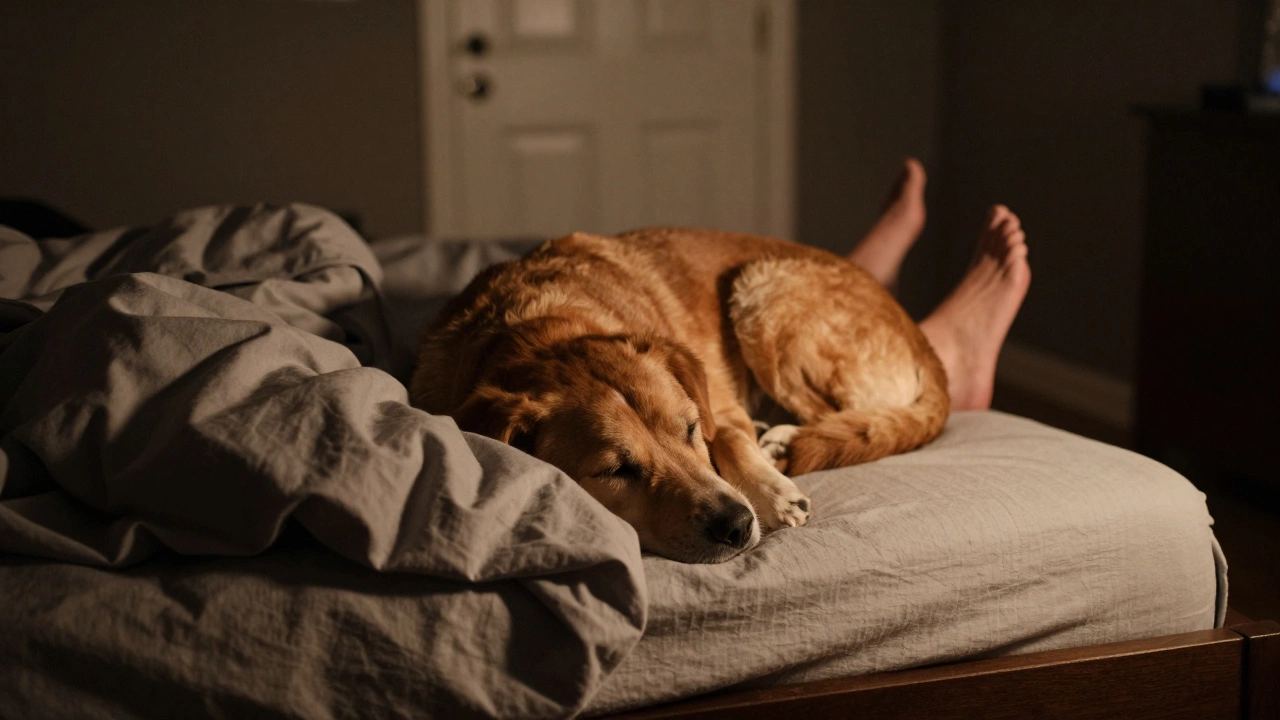
How Do You Know If Your Dog Is Bonded to You? 7 Clear Signs
Learn the 7 quiet, everyday signs your dog is truly bonded to you-not just attached to your routine. Real behaviors that prove emotional connection, backed by science and real dog owners.
Popular posts