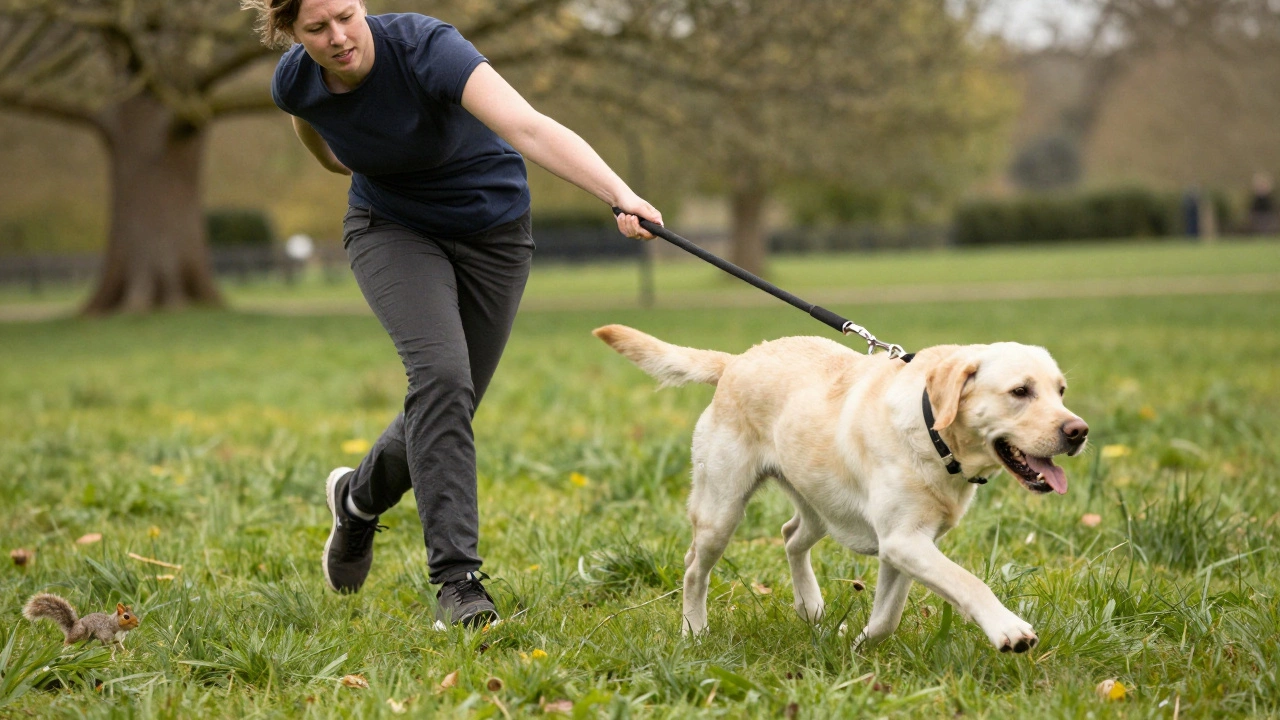
Dog Behavior After Groomers: Why It Changes and What to Do
When your dog comes home from the groomer and acts like a stranger—hiding, shaking, or refusing to eat—you’re not imagining things. This is dog behavior after groomers, the emotional and physical response dogs show after grooming sessions, often due to stress, sensory overload, or past negative experiences. It’s not laziness. It’s not rebellion. It’s fear. Many owners assume their dog should be happy after a trim, but grooming can feel like a full-body assault to a dog who doesn’t understand scissors, loud dryers, or being handled by strangers.
dog grooming stress, the anxiety triggered by unfamiliar sights, sounds, and touch during grooming is real and common. Dogs don’t see a bath and brush as self-care—they see a chaotic, loud, and sometimes painful experience. That’s why some dogs tremble, tuck their tails, or try to bolt. Others go quiet, shut down, or become clingy. These aren’t bad habits. They’re survival signals. And if your dog suddenly refuses to let you near their paws after a groomer, that’s your cue to pay attention. dog anxiety after grooming, a lasting emotional reaction that can persist for days or become a pattern if not addressed is more than just a bad day—it’s a warning sign your dog needs gentler handling.
What happens after grooming isn’t random. It’s tied to how your dog’s senses were overwhelmed. The noise of the dryer? Too loud. The smell of shampoo? Too strong. The pressure of being held down? Too tight. Even the change in their own body—feeling lighter without fur, or cold skin after drying—can confuse them. That’s why some dogs act like they’ve been through a war. They have. And just like a person needs time to recover from trauma, dogs need time to reset. dog post-grooming behavior, the range of reactions dogs display after grooming, from playful to withdrawn, depending on their temperament and the grooming experience varies widely. One dog might bounce back in an hour. Another might hide under the bed for two days. Neither is wrong. Both need patience.
You can’t always prevent stress, but you can reduce it. A groomer who lets your dog sniff the tools first. A dryer set on low heat. A treat right after the session. These small things matter. And if your dog keeps acting off after every visit, it’s not them—it’s the process. Maybe they need a quieter shop. Maybe they need shorter sessions. Maybe they need you there, holding their paw. Don’t assume it’s just "a phase." Dogs remember. And if they associate grooming with fear, that fear grows.
The posts below show real stories from other dog owners who’ve been there. You’ll find out what signs to watch for, how to help your dog recover faster, and what to ask your groomer before the next appointment. No fluff. No guesswork. Just what actually works when your dog comes home changed after a trip to the groomers.
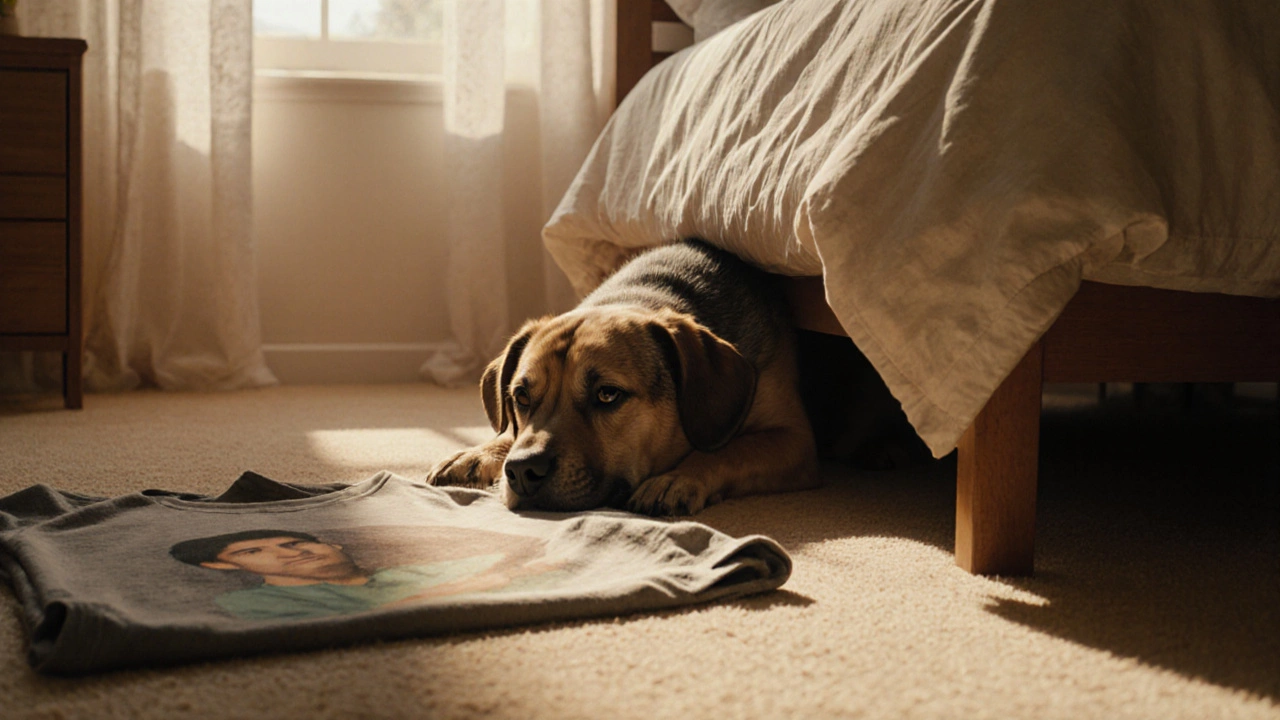
Why Does My Dog Act Weird After the Groomers? Common Reasons and What to Do
Your dog acts weird after grooming? It’s not bad behavior-it’s stress. Learn why dogs hide, stop eating, or tremble after the salon, and how to help them recover safely.
Popular posts