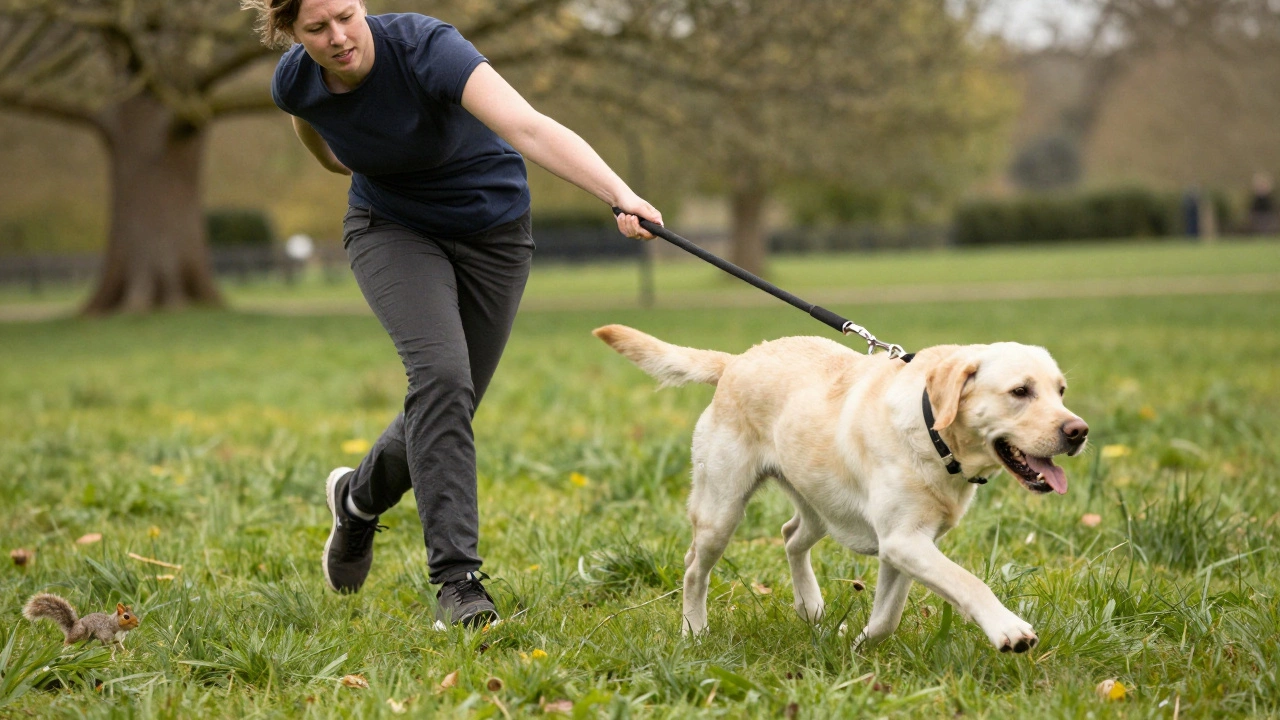
Dog Bonded to You: Signs, Science, and How to Strengthen the Bond
When a dog bonded to you, a deep emotional attachment forms between a dog and its human, often shown through consistent following, eye contact, and seeking comfort. Also known as canine attachment, it’s not just about obedience—it’s about trust, safety, and mutual affection. This isn’t just a cute behavior. Studies from the University of Vienna and the Max Planck Institute show dogs release oxytocin—same hormone humans do when hugging—when they lock eyes with their owner. That’s the same chemical surge you get when you hold your baby. This bond is biological, not just emotional.
A dog bonded to you, a deep emotional attachment forms between a dog and its human, often shown through consistent following, eye contact, and seeking comfort. Also known as canine attachment, it’s not just about obedience—it’s about trust, safety, and mutual affection. doesn’t just follow you around. It watches your face when you talk. It checks in before lying down. It brings you its favorite toy—not to play, but to share. It wakes you up if you’re sleeping too long. It hides behind you when strangers come over. These aren’t tricks. They’re signals. And they’re different from a dog that just knows you feed it. A truly bonded dog seeks you out when stressed, not just when hungry. You’re their safe place.
That bond isn’t automatic. It’s built through consistency, not treats. A dog that’s separated anxiety, a condition where dogs show distress when left alone, often linked to weak or insecure attachments might cling too hard because they never learned to feel safe alone. A dog that post-grooming stress, anxiety or withdrawal after grooming, often caused by unfamiliar environments or handling hides after the groomer? That’s not rebellion—it’s fear. And if your dog doesn’t look you in the eye, doesn’t respond to your voice, or ignores you when you come home, the bond might be thin. But it’s fixable. Small daily moments matter: eye contact during meals, quiet walks without pulling, letting them sleep near you, not just beside you.
Some dogs bond fast. Others take months. It doesn’t matter if your dog is a rescue or a puppy. What matters is that you show up—every day. Even when you’re tired. Even when they’re messy. Even when they’ve had an accident. The bond grows in the quiet moments, not the training sessions. You’ll know it’s real when they sigh when you sit down, when they nudge your hand for pets without being asked, when they wait by the door not because they need to go out, but because they want to be near you.
Below, you’ll find real stories and vet-backed advice on what this bond looks like in practice—from how to tell if your dog is truly attached, to what to do when they act strange after a change, to why some dogs need more than just food to feel secure. These aren’t theories. These are things owners have seen, felt, and fixed.
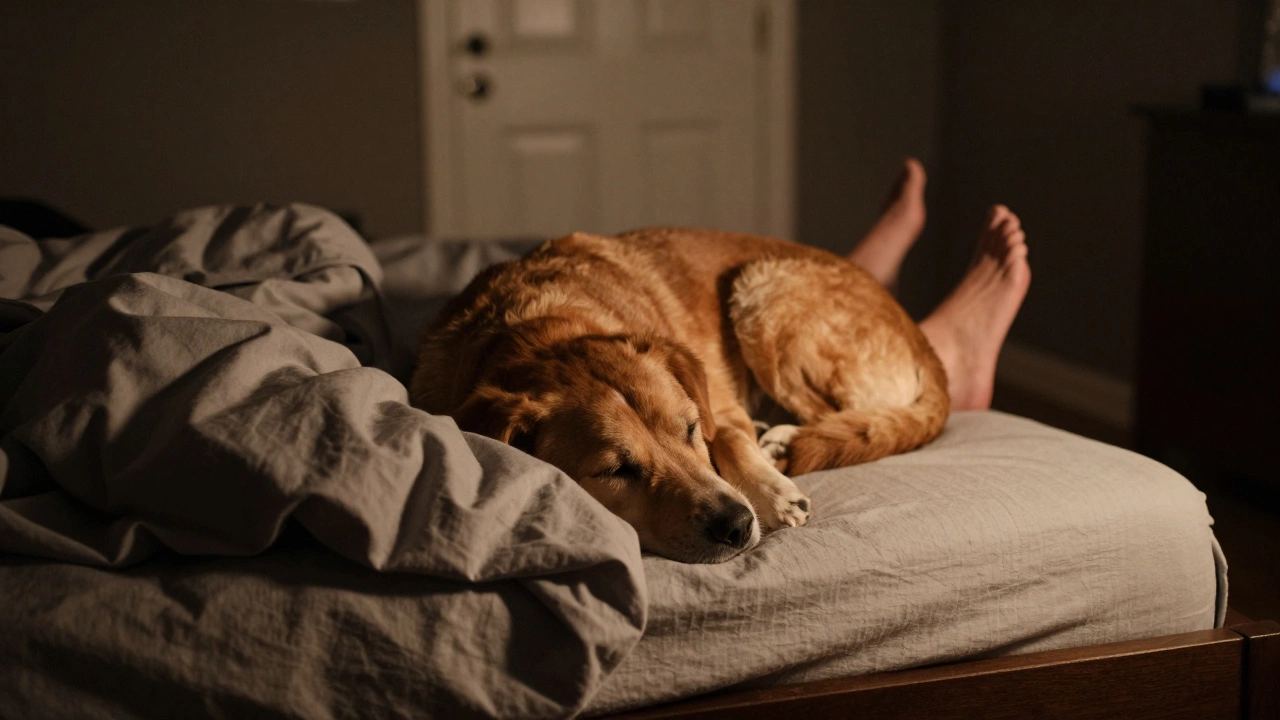
How Do You Know If Your Dog Is Bonded to You? 7 Clear Signs
Learn the 7 quiet, everyday signs your dog is truly bonded to you-not just attached to your routine. Real behaviors that prove emotional connection, backed by science and real dog owners.
Popular posts