Dog Feeding Time: When, How Much, and What to Avoid
When it comes to your dog’s health, dog feeding time, the specific schedule and timing of meals that support a dog’s digestion, energy levels, and overall well-being. Also known as canine meal routine, it’s one of the most overlooked factors in pet care—yet it directly affects behavior, weight, and even training success. Most people think feeding time means just putting food down at the same hour every day. But it’s deeper than that. It’s about matching your dog’s age, breed, activity level, and health needs to a rhythm that works for them—not just for you.
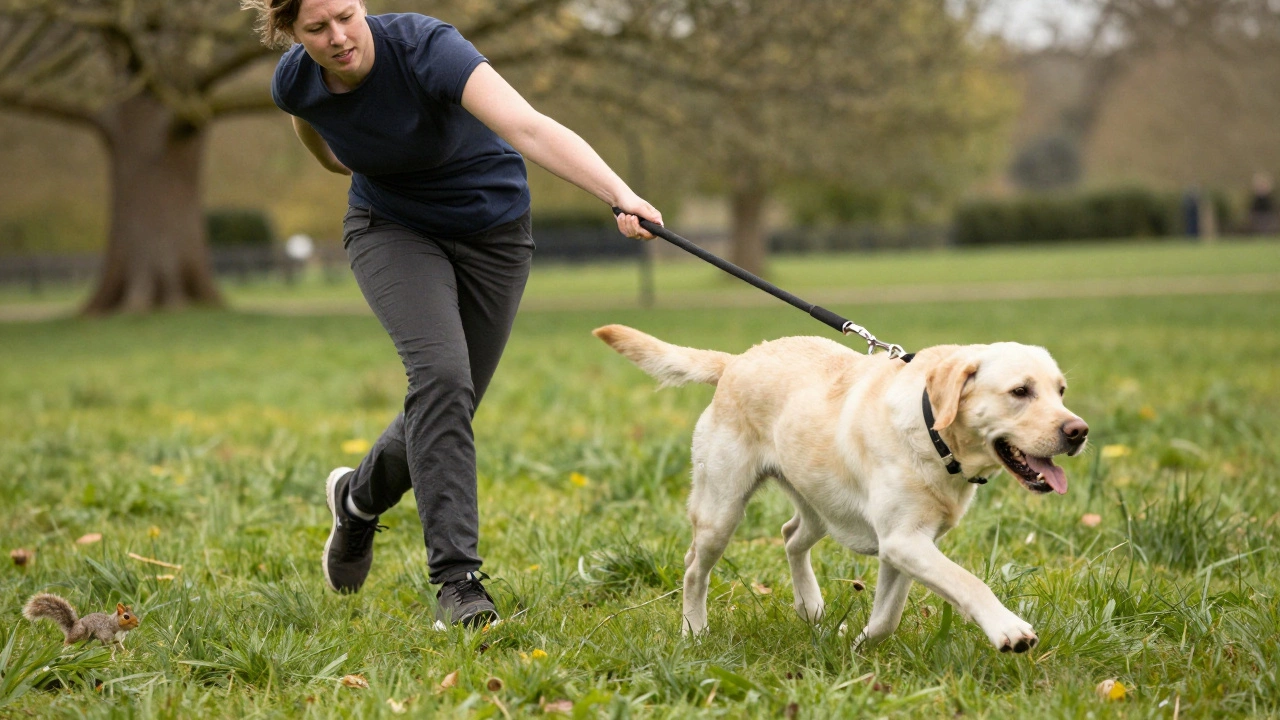
For example, puppy feeding times, the structured meal schedule required for growing puppies to maintain energy and avoid low blood sugar are non-negotiable. An 8-week-old puppy needs three meals a day, not two. Skip one, and you risk hypoglycemia, lethargy, or even seizures. Meanwhile, dog nutrition, the balance of proteins, fats, vitamins, and minerals that fuel a dog’s body isn’t just about the brand of food—it’s about how often and when it’s served. Feeding a large breed dog once a day might seem convenient, but it raises the risk of bloat. Feeding a senior dog too late at night can cause digestive discomfort or nighttime pacing. Even the timing of meals relative to walks matters. A dog walked right after eating is more prone to gastric torsion than one that waits an hour.
And then there’s the food itself. You might be feeding the best kibble on the market, but if you’re dumping it down at 11 p.m. while you watch TV, your dog’s body doesn’t know how to process it right. Dogs are creatures of rhythm. They thrive on predictability. That’s why consistency in dog feeding time helps with house training, reduces anxiety, and even improves obedience. A dog that knows when meals come is a dog that feels secure.
What you’ll find in the posts below are real, no-fluff answers from owners and vets who’ve dealt with everything from picky eaters to overweight seniors. You’ll learn why some dog foods are better at certain times of day, how to adjust portions for active versus lazy dogs, and what to do when your dog refuses food at their usual hour. There’s also guidance on homemade meals, supplements, and what to avoid—like protein shakes or raw chicken without proper handling. This isn’t theory. It’s what works for dogs in homes, not just in labs.
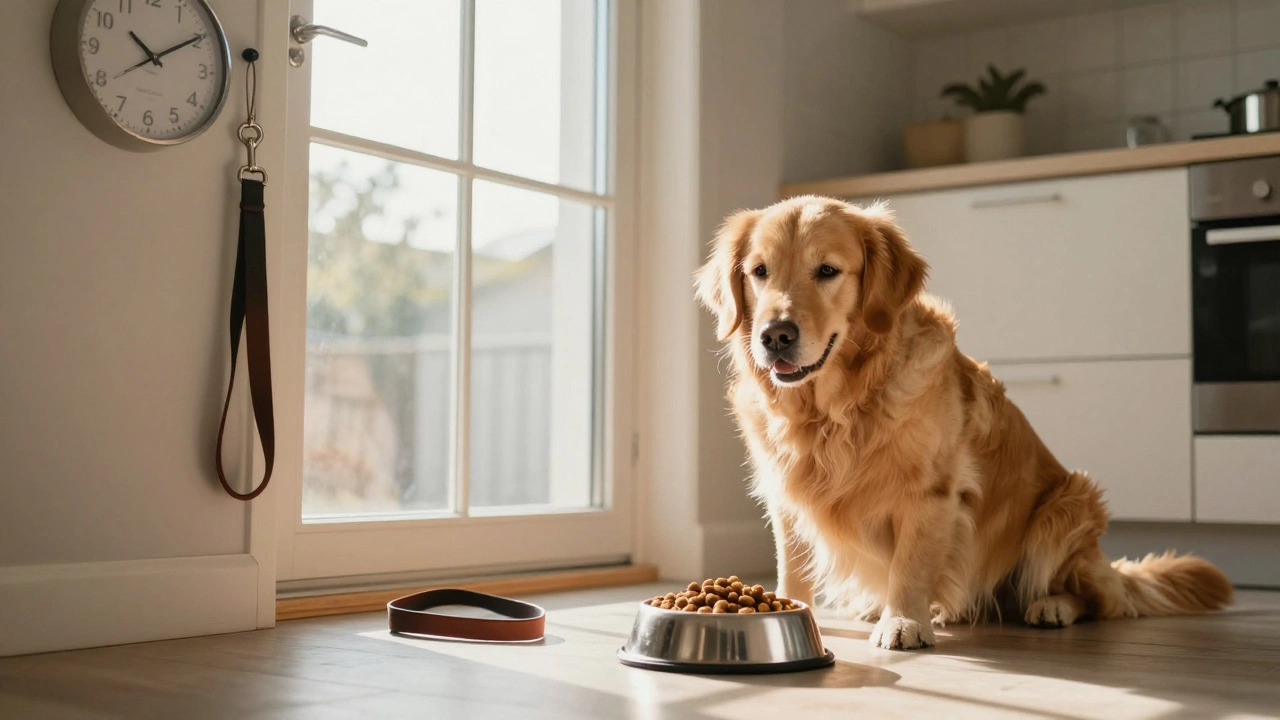
Best Time to Feed a Dog: Morning or Evening?
Learn whether feeding your dog in the morning or evening is better for their health, digestion, and behavior. Find the ideal feeding schedule based on age, breed, and lifestyle.
Popular posts