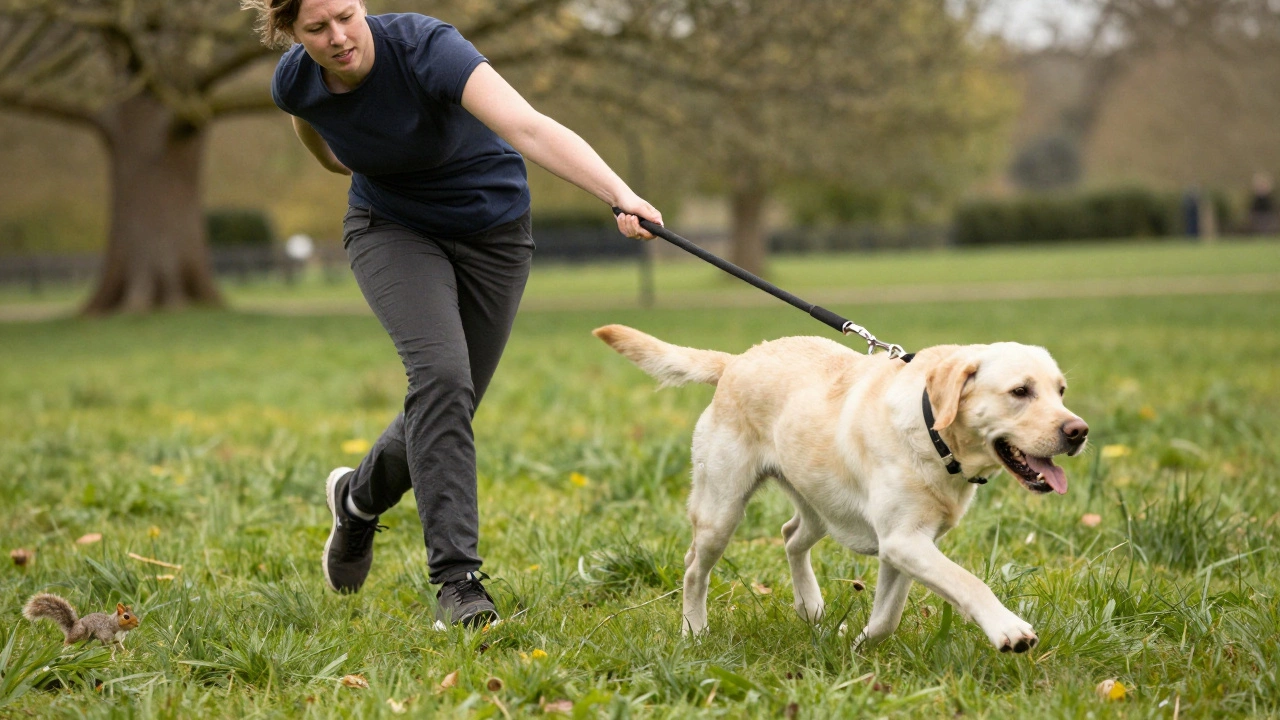
Dog Harness: Types, Benefits, and What Works Best for Your Dog
When you think about walking your dog, you probably picture a leash and a collar—but the real key to comfort, control, and safety is the dog harness, a secure, padded strap system that distributes pressure across your dog’s chest and shoulders instead of their neck. Also known as a walking harness, it’s not just for strong pullers or small breeds—it’s the smarter choice for almost every dog, no matter their size or energy level. Unlike collars, which can choke your pup during sudden lunges or tug-of-war moments, a well-fitted harness reduces strain on the trachea, spine, and neck. This matters more than you think. Studies show that over 60% of dogs with chronic coughing or breathing issues after walks had pressure-related damage from collars. Switching to a harness isn’t a trend—it’s basic care.
A dog walking harness, a specific style designed for daily walks with front and back attachment points gives you better control without pulling back hard on the leash. Some dogs pull because they’re excited; others pull because they’re scared or confused. A front-clip harness gently turns them back toward you when they lunge, making walks calmer and safer. For older dogs or those with joint issues, a safety harness for dogs, a supportive design often used for car rides or helping dogs up stairs can be a lifesaver. It’s not just about walking—it’s about mobility, confidence, and preventing long-term injury.
Size matters. A harness that’s too loose lets your dog wiggle free. One that’s too tight chafes skin or restricts movement. The right fit lets you slide two fingers under any strap, with no gaps around the chest or under the armpits. Brands change, but the rules don’t: look for adjustable straps, durable buckles, and breathable fabric. Avoid cheap ones with flimsy clips—those can snap under pressure. And don’t assume your dog’s collar size matches their harness size. Many owners learn the hard way that a medium collar doesn’t mean a medium harness.
You’ll find posts here about how a bad harness can trigger anxiety after grooming, why some dogs panic when they feel pressure on their chest, and how to pick one that doesn’t rub or chafe. You’ll also see how harnesses connect to training, car safety, and even recovery after surgery. Whether your dog is a puppy learning to walk on a leash, a senior needing extra support, or a strong puller who drags you down the street, the right harness makes all the difference. The right one doesn’t just hold your dog—it helps them feel safe, supported, and ready for every adventure.
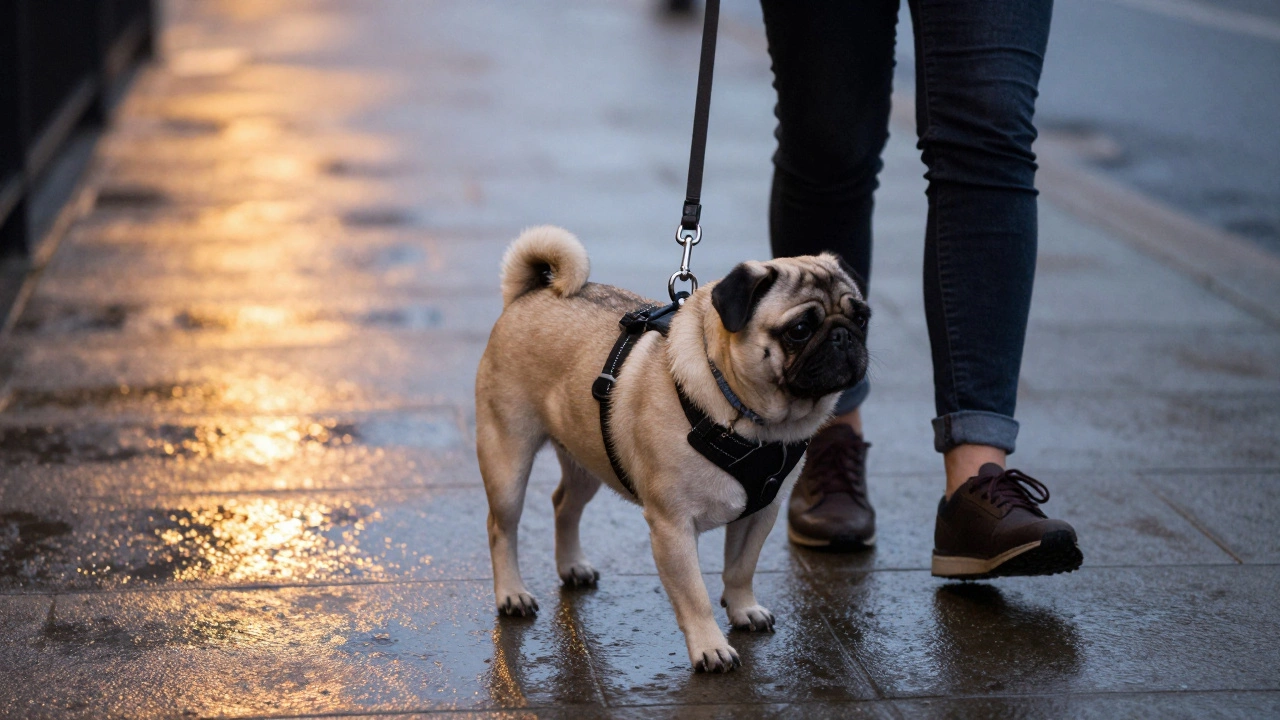
Is it better to walk a dog with a harness or collar?
Choosing between a dog harness and collar affects your dog's safety, comfort, and behavior. Learn why most vets recommend harnesses for walking and when a collar might still be useful.
Popular posts