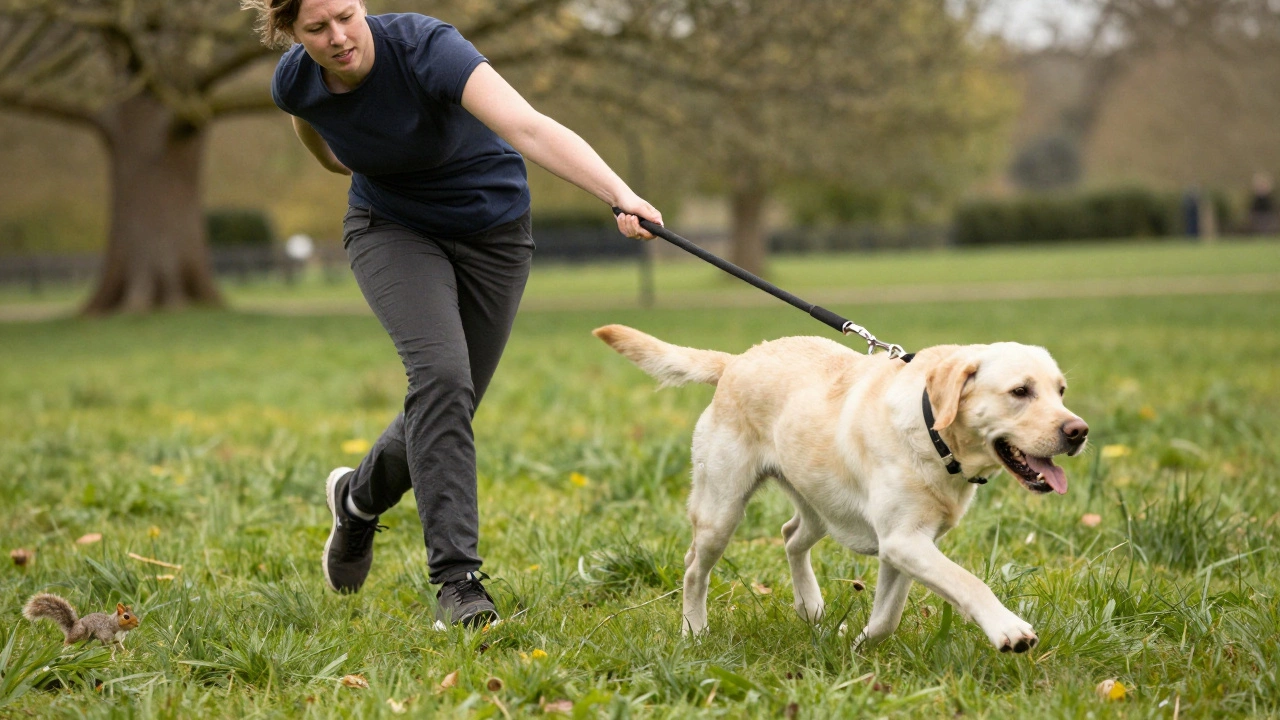
Dog Loyalty: Why Your Dog Sticks by You and What It Really Means
When we talk about dog loyalty, the deep, consistent bond dogs form with their humans, often rooted in trust, routine, and emotional attachment. Also known as canine attachment, it's not blind devotion—it's learned, reinforced, and deeply personal. Your dog doesn’t follow you because they’re programmed to. They do it because you’ve given them safety, food, attention, and predictability. Science shows dogs release oxytocin—the same bonding hormone humans feel when hugging a loved one—when they look into their owner’s eyes. This isn’t magic. It’s biology shaped by thousands of years of coexistence.
Dog behavior, the way dogs act in response to their environment, people, and routines is heavily influenced by consistency. If you feed them at the same time every day, walk them when you come home, and respond to their whines with comfort instead of frustration, they learn: you’re reliable. That’s the foundation of loyalty. On the flip side, if your dog hides when you come in, avoids eye contact, or seems anxious when you leave, that’s not disobedience—it’s a sign the bond is fractured. Canine attachment, the emotional connection dogs form with their primary caregivers works like a child’s bond with a parent: secure when consistent, insecure when unpredictable.
Dog trust, the belief a dog has that their human won’t harm, abandon, or confuse them is built in small moments. Not big treats or fancy toys, but the quiet ones: staying calm when they bark too loud, waiting patiently when they’re slow to come inside, never yelling after a mistake. Dogs don’t hold grudges, but they remember neglect. And they remember kindness. Dog bonding, the mutual emotional connection between dog and human that grows through shared experiences isn’t something you achieve in a week. It’s the result of hundreds of small interactions where your dog felt safe, seen, and valued.
Look at the posts below. You’ll find stories about dogs acting strange after grooming—because their trust was shaken by unfamiliar people and sounds. You’ll see why crate training works only when the crate feels like a safe space, not a punishment. You’ll read about how feeding schedules and bedtime routines create stability, which dogs crave. None of these are about obedience. They’re all about loyalty. And every single one of them shows how the little things you do every day either build that bond or chip away at it. This isn’t about training tricks. It’s about showing up—consistently, calmly, and with care. What you’ll find here isn’t theory. It’s real life, from owners and vets who’ve seen what happens when loyalty is nurtured… and when it’s ignored.
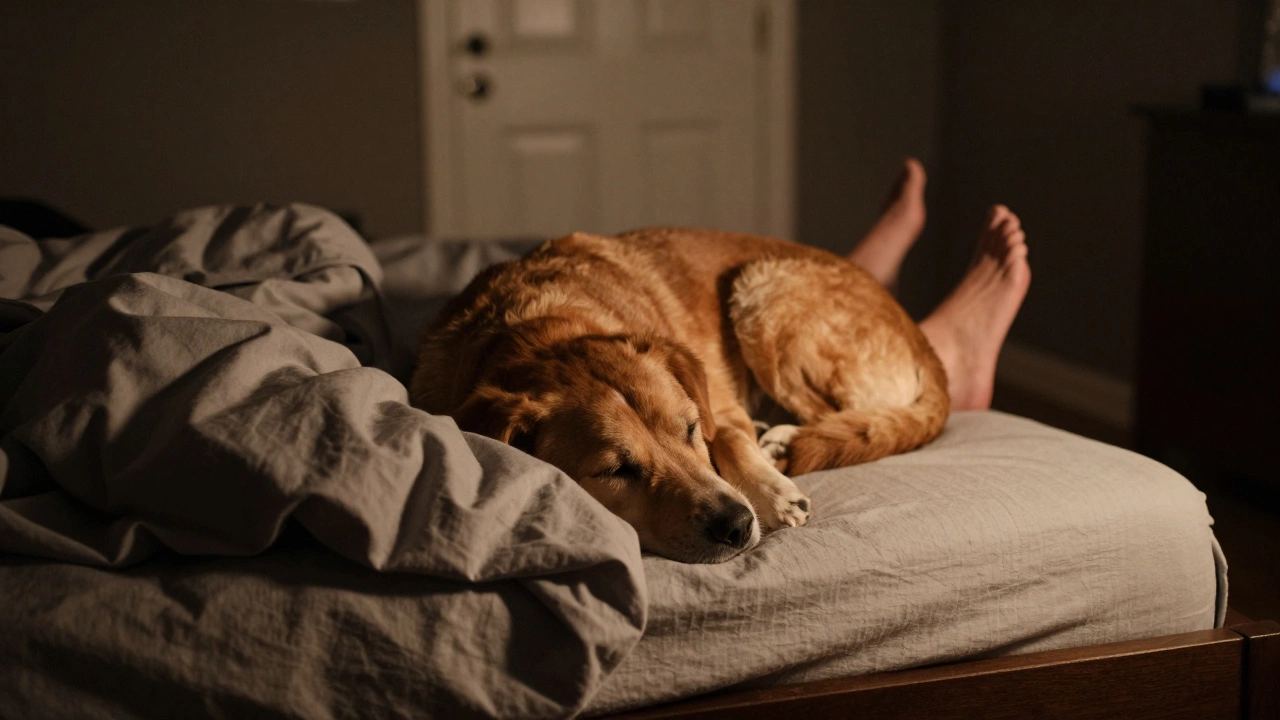
How Do You Know If Your Dog Is Bonded to You? 7 Clear Signs
Learn the 7 quiet, everyday signs your dog is truly bonded to you-not just attached to your routine. Real behaviors that prove emotional connection, backed by science and real dog owners.
Popular posts