
Dog Omega-3: Benefits, Dosage, and What Really Works
When it comes to dog omega-3, a type of essential fatty acid that supports skin, joint, and heart health in dogs. Also known as fish oil for dogs, it’s one of the few supplements vets actually recommend for healthy pets—not just those with problems. Unlike human omega-3, dog-specific formulas are balanced for their size, metabolism, and needs. Too much can cause diarrhea or blood thinning, and too little does nothing. The key isn’t just giving it—it’s giving the right kind in the right amount.
Fish oil, the most common source of omega-3 for dogs, contains EPA and DHA—the two fatty acids that actually do the work. Not all fish oil is equal. Cheap brands use low-quality fish, add fillers, or don’t protect the oil from going rancid. Rancid omega-3 doesn’t help—it harms. Look for products labeled "enteric-coated" or "antioxidant-preserved," and check the expiration date. Brands that list exact EPA and DHA amounts (not just "fish oil") are the ones you can trust. Your vet can help you calculate the right dose based on your dog’s weight—usually around 20mg of EPA per pound of body weight daily.
Canine nutrition, the foundation of long-term dog health, doesn’t need fancy supplements if your dog eats balanced commercial food. But if your dog has dry skin, arthritic hips, or a dull coat, omega-3 can make a noticeable difference. It reduces inflammation, which is behind most chronic issues in older dogs. Even younger dogs with allergies often respond well. Omega-3 doesn’t cure anything, but it helps the body heal itself. And unlike pain meds, it doesn’t strain the liver or kidneys.
Some owners try flaxseed oil thinking it’s a plant-based alternative. It’s not. Dogs can’t convert it into usable EPA and DHA. That’s why plant oils fail. Stick to marine sources: salmon, anchovy, or sardine oil. Avoid cod liver oil—it’s high in vitamin A, and too much can poison your dog. Also skip human omega-3 gummies. They often contain xylitol, which is deadly for dogs.
Results take time. You won’t see changes in a week. Most owners notice improved coat shine in 3–4 weeks, and better mobility in 6–8 weeks. Keep giving it consistently. If you stop, the benefits fade. And always pair omega-3 with a good diet. No supplement fixes bad food.
Below, you’ll find real advice from dog owners and vets on choosing safe omega-3 products, spotting signs your dog needs it, and avoiding common mistakes that waste money or risk your dog’s health. Whether your dog is a senior with stiff joints or a young pup with allergies, there’s something here that applies to you.
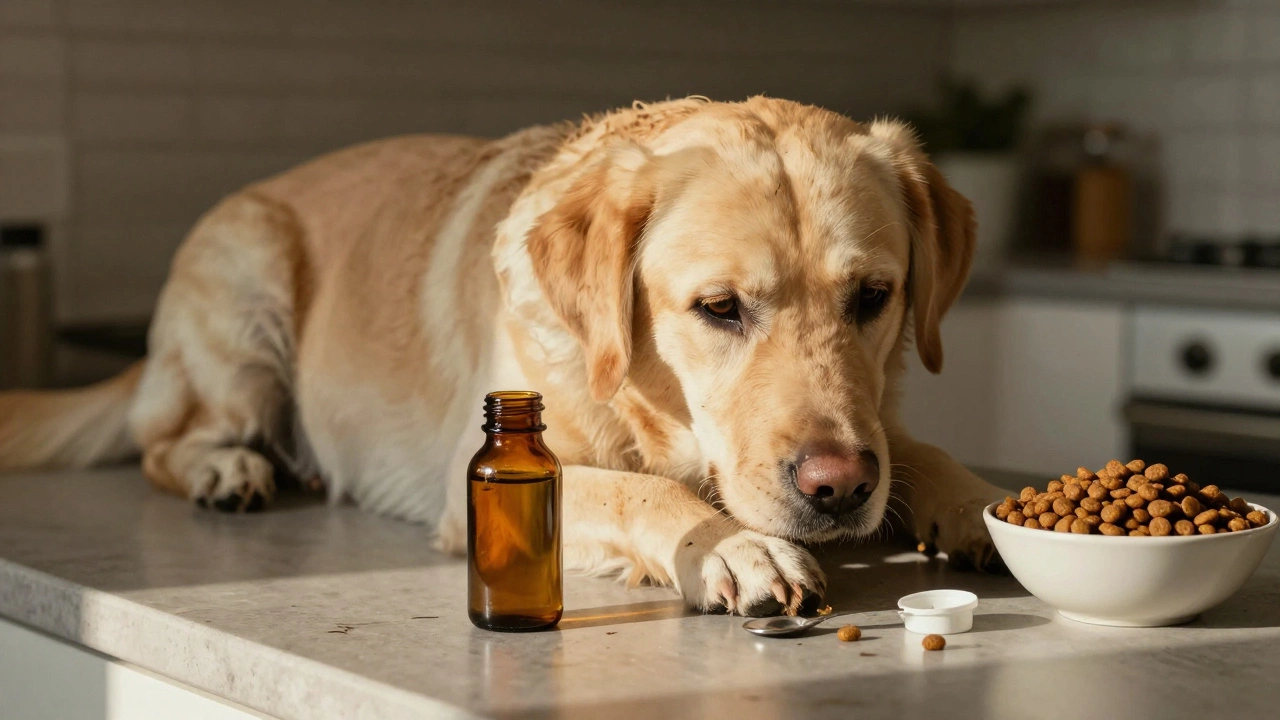
What Are the Side Effects of Cod Liver Oil for Dogs?
Cod liver oil for dogs can improve coat and joint health, but too much causes dangerous vitamin A and D toxicity. Learn the real side effects, safe dosages, and better alternatives.
Popular posts