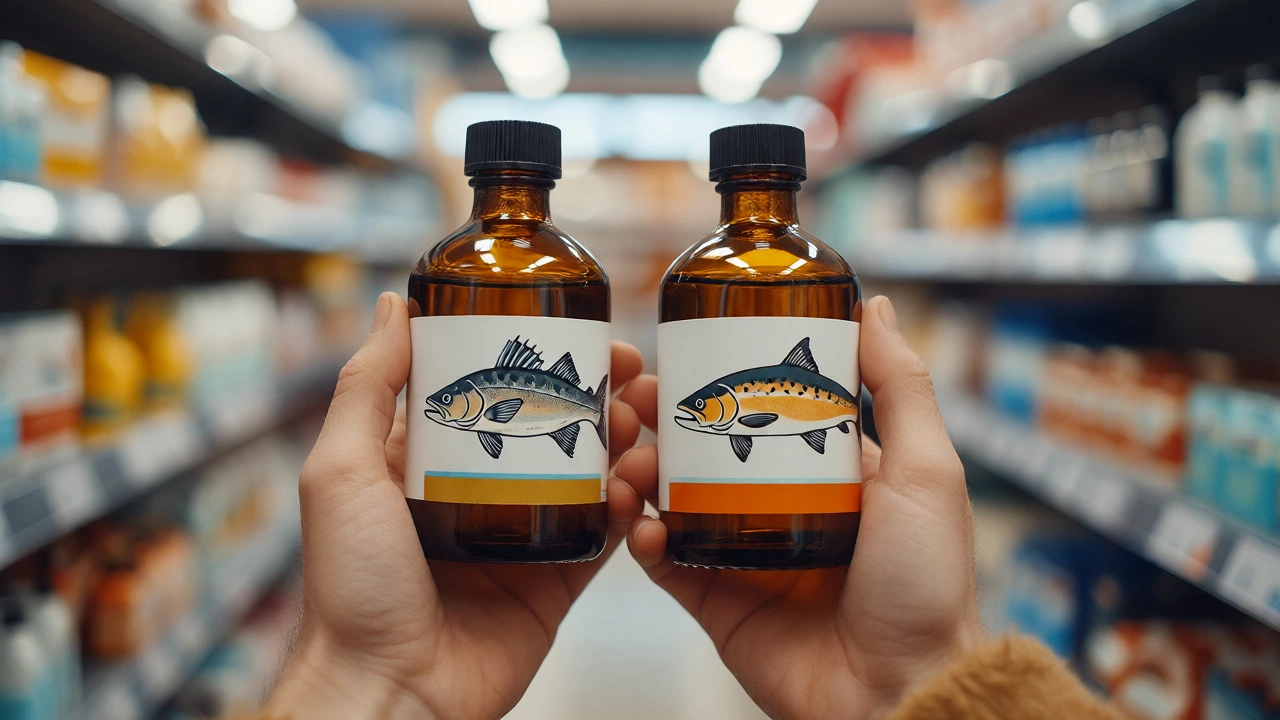
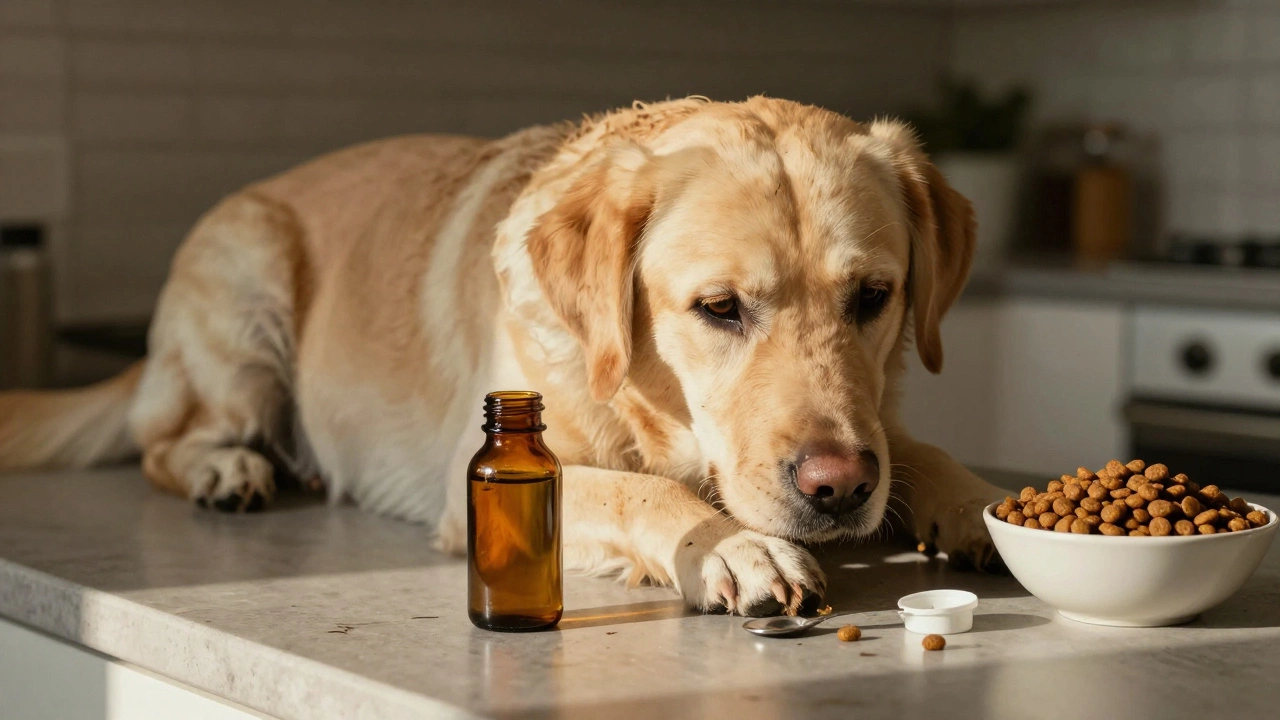
Cod Liver Oil Safety Calculator
How to Use This Calculator
Enter your dog's weight and select your cod liver oil product. This tool calculates safe daily dosages based on veterinary guidelines and warns of toxicity risks.
Enter your dog's weight and select a product to see safe dosage recommendations.
Many dog owners turn to cod liver oil hoping to boost their pet’s coat shine, joint health, or immune system. It’s a popular supplement, often sold as a liquid you can drizzle on kibble or given in capsule form. But while it’s packed with omega-3s and vitamins A and D, it’s not harmless. Too much, or even the wrong kind, can cause real problems - and not every dog needs it.
What cod liver oil actually does for dogs
Cod liver oil is rich in two types of omega-3 fatty acids: EPA and DHA. These help reduce inflammation, which is why vets sometimes recommend it for dogs with arthritis or skin allergies. It also contains high levels of vitamin A and vitamin D - nutrients that support vision, immune function, and bone growth. For dogs with dry, flaky skin or stiff joints, a small, controlled dose can make a visible difference.
But here’s the catch: dogs don’t need extra vitamins A and D from supplements unless they’re on a homemade diet or have a diagnosed deficiency. Most commercial dog foods already contain enough of these vitamins. Adding cod liver oil on top means you’re doubling up - and that’s where things go wrong.
Common side effects of cod liver oil in dogs
The most frequent side effects are digestive. Dogs with sensitive stomachs often get diarrhea, vomiting, or greasy stools after starting cod liver oil. These aren’t rare - they’re predictable. One study from the University of Edinburgh found that 37% of dogs given cod liver oil daily for more than two weeks developed mild to moderate gastrointestinal upset. The fix? Lower the dose or switch to a purified fish oil without added vitamins.
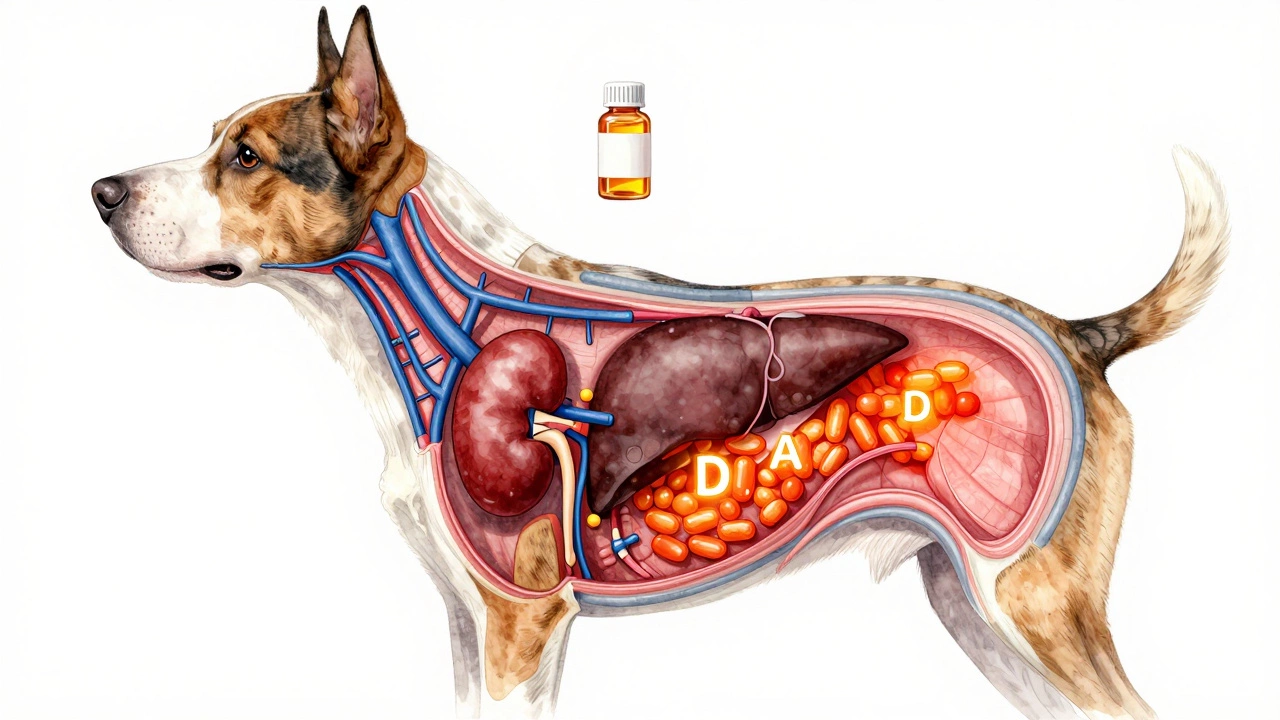
But the bigger risk isn’t tummy trouble - it’s toxicity. Vitamin A and D are fat-soluble, meaning your dog’s body can’t flush them out like water-soluble vitamins. They build up over time. Too much vitamin A can cause bone pain, joint stiffness, and even spinal deformities. Too much vitamin D leads to calcium deposits in organs like the kidneys and heart, which can be fatal.
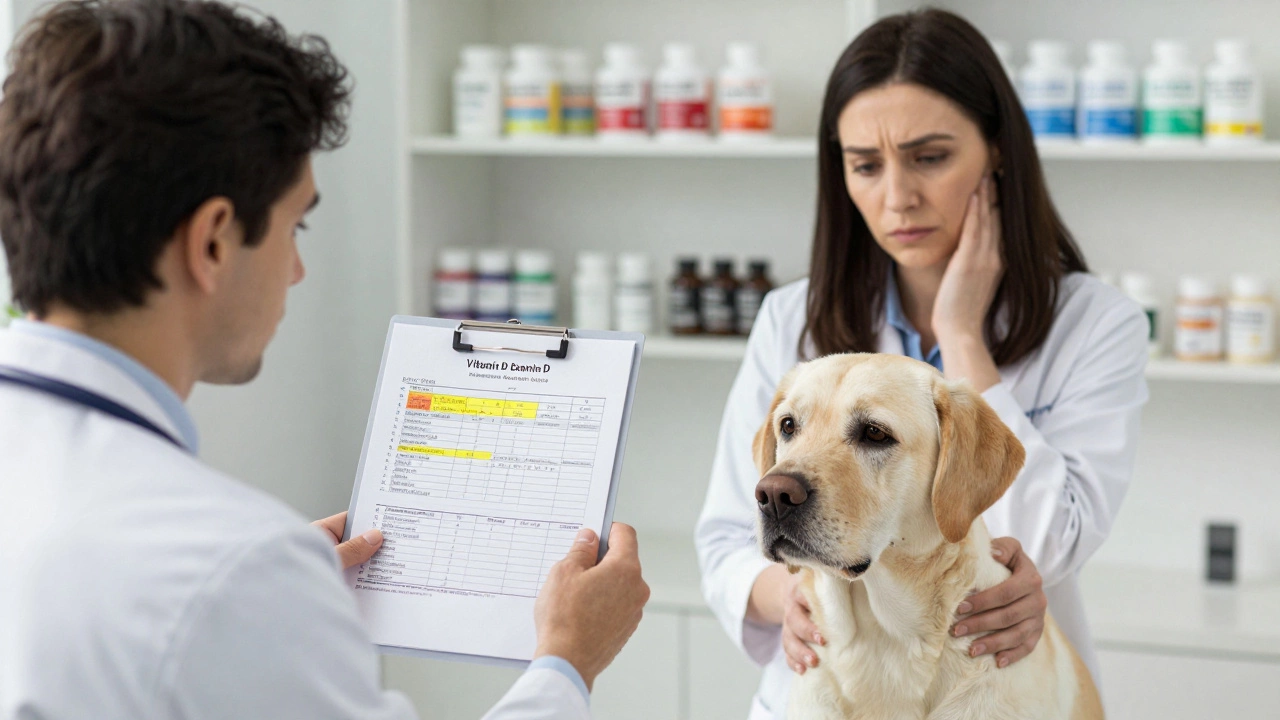
There’s a real case from a vet clinic in Bristol in 2024: a 7-year-old Labrador developed severe hypercalcemia after being given two teaspoons of cod liver oil daily for six months. His owner thought “more is better.” Blood tests showed vitamin D levels over 150 ng/mL - normal is under 60. He needed hospitalization and months of recovery.
How much is too much?
Dosage matters. The American Kennel Club recommends no more than 100-200 mg of combined EPA and DHA per 10 pounds of body weight daily. But cod liver oil isn’t just about omega-3s. You need to check the label for vitamin content too.
For example, one teaspoon of standard cod liver oil might contain:
- 4,500 IU of vitamin A
- 450 IU of vitamin D
- 1,200 mg of omega-3s
For a 30-pound dog, that’s over 13,500 IU of vitamin A - more than double the daily upper limit. The National Research Council says the safe upper limit for vitamin A in dogs is 10,000 IU per kg of body weight per day. That’s roughly 1,360 IU per pound. One teaspoon of cod liver oil can push a medium-sized dog past that.
Small breeds are especially at risk. A 10-pound dog getting one teaspoon daily is getting nearly 10 times the safe upper limit for vitamin A. That’s not a supplement - that’s a poisoning risk.
Signs your dog is having a bad reaction
Watch for these red flags:
- Loss of appetite or vomiting that won’t stop
- Stiffness, reluctance to move, or limping without injury
- Excessive thirst or urination
- Weakness, lethargy, or collapse
- Yellowing of gums or eyes (jaundice)
If you see any of these, stop the supplement immediately and call your vet. Blood work is the only way to confirm vitamin toxicity. Early detection saves lives.
When cod liver oil might be okay
There are exceptions. If your dog is on a homemade diet that lacks vitamin A and D - and your vet has tested their levels - then cod liver oil might be appropriate. Some dogs with severe atopic dermatitis or degenerative joint disease may benefit under veterinary supervision.
But even then, most vets now prefer purified fish oil (like salmon or sardine oil) that contains only EPA and DHA, with no added vitamins. You can control the omega-3 dose without risking toxicity. Brands like Nordic Naturals or Vetoquinol offer vet-approved fish oil supplements designed specifically for dogs.
What to do instead
Instead of guessing with cod liver oil, talk to your vet about:
- Getting a blood test to check vitamin A and D levels
- Switching to a purified fish oil supplement (look for “no added vitamins” on the label)
- Using a balanced, vet-formulated joint support supplement with glucosamine and chondroitin
- Feeding whole food sources like cooked salmon or sardines (once or twice a week, bones removed)
Omega-3s are good. But they’re not magic. And cod liver oil is not the safest way to get them.
Bottom line
Cod liver oil isn’t inherently bad - but it’s risky for most dogs. The vitamins it contains are easy to overdose on, and the benefits can be achieved more safely with other options. If your dog’s coat looks dull or their joints are stiff, don’t reach for the bottle first. Talk to your vet. Get the facts. Then decide.
Most dogs don’t need it. And for those who do, there are better, safer ways to help them.
Can cod liver oil cause liver damage in dogs?
Cod liver oil doesn’t directly damage the liver, but the excess vitamin A and D it contains can lead to calcium buildup in organs, including the liver. This can cause inflammation and long-term harm. In severe cases, it leads to organ failure. It’s not the oil itself - it’s the vitamin overload.
Is fish oil safer than cod liver oil for dogs?
Yes. Purified fish oil from salmon, sardines, or anchovies contains only EPA and DHA - the beneficial omega-3s - without the risky levels of vitamins A and D. It’s the preferred choice for most dogs. Always check the label: if it says “cod liver oil,” avoid it unless your vet specifically recommends it.
How long does it take for cod liver oil side effects to show?
Digestive issues like diarrhea or vomiting can show up within days. Signs of vitamin toxicity - like stiffness, weakness, or excessive thirst - usually take weeks to months to appear because the vitamins build up slowly. That’s why it’s dangerous: by the time you notice, the damage may already be done.
Can I give cod liver oil to my puppy?
Puppies are even more sensitive to vitamin A and D toxicity than adult dogs. Their bones are still growing, and excess vitamin D can cause abnormal bone development. Unless your vet has tested their levels and prescribed it, don’t give cod liver oil to puppies. Use a puppy-specific omega-3 supplement instead.
What should I do if my dog ate too much cod liver oil?
Call your vet or an emergency animal poison control center immediately. Don’t wait for symptoms. If your dog ingested more than one teaspoon per 10 pounds of body weight, it’s an emergency. They may need IV fluids, activated charcoal, or medication to bind excess vitamins. Time matters.