Dog Walking Gear: What You Really Need and What to Skip
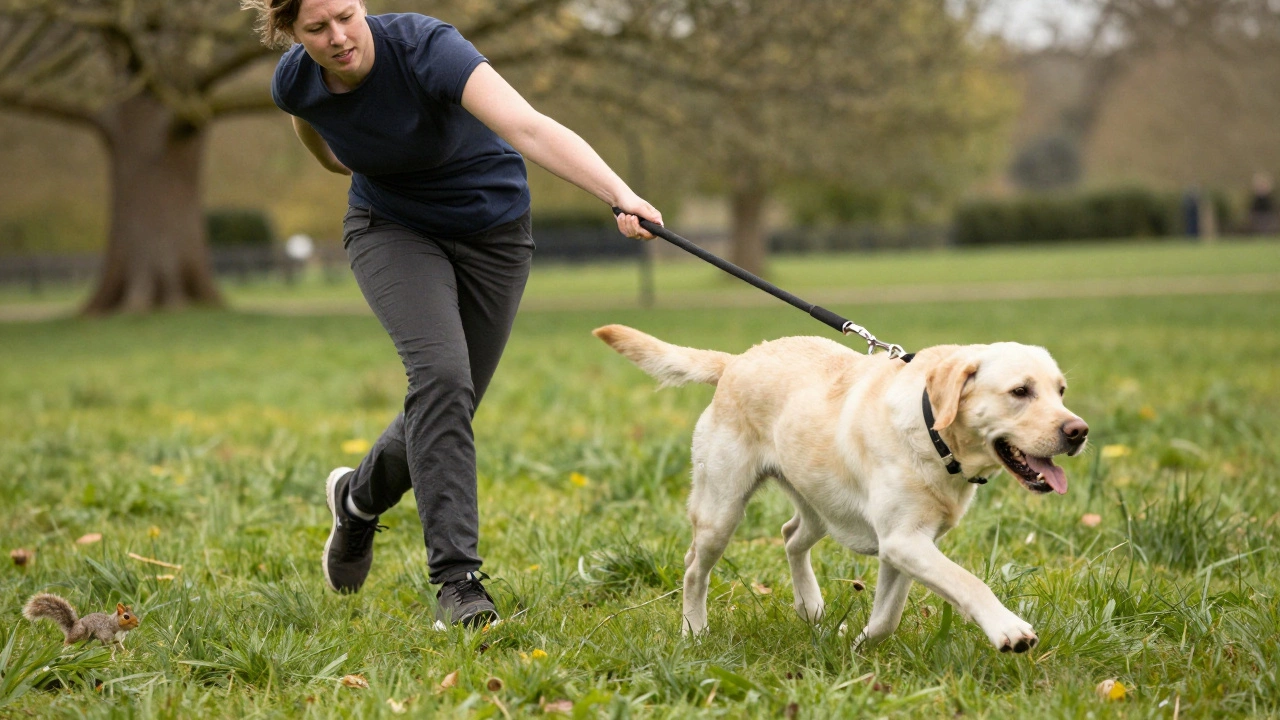
When you grab your dog walking gear, equipment used to safely and comfortably walk a dog outdoors, including leashes, harnesses, collars, and accessories. Also known as dog walking equipment, it’s not just about keeping your dog on a leash—it’s about matching the right tools to your dog’s size, energy, and behavior. Too many people buy the first leash they see or assume a collar is enough. But a poorly fitted harness can rub your dog’s skin raw, and a too-long leash can turn a quiet walk into a chaotic chase. The right gear doesn’t just make walking easier—it prevents injuries, reduces stress, and builds trust.
Let’s talk about the big three: dog harness, a supportive strap system worn around a dog’s torso to distribute pulling force and reduce neck strain, dog leash, a strap or cord attached to a collar or harness to control and guide a dog during walks, and dog collar, a band worn around a dog’s neck, often used for identification and light control. A harness is almost always better than a collar for dogs who pull—especially breeds like Labs, Huskies, or even small dogs with delicate tracheas. Look for ones with two attachment points: one on the back for normal walks, one on the chest to gently redirect pulling. For leashes, 4 to 6 feet is the sweet spot. Anything longer turns into a tripping hazard; anything shorter feels like a leash on a leash. Avoid retractable leashes—they give your dog too much freedom and make it harder to react in busy areas. And skip the choke chains or prong collars. They’re outdated, painful, and unnecessary. Positive reinforcement works better—and your dog will actually enjoy walks again.
You don’t need a closet full of gear. Just the basics: one sturdy harness, one reliable leash, and a simple ID tag. Some owners add a reflective vest for night walks, or a poop bag holder clipped to the leash. That’s it. The posts below cover real experiences—what works, what doesn’t, and why some gear that looks fancy is actually a waste of money. You’ll find honest reviews on harnesses that hold up after months of pulling, leashes that won’t snap under stress, and what to do when your dog freaks out on walks despite having the "right" gear. No fluff. No marketing buzzwords. Just what you need to know to walk your dog safely, comfortably, and without stress.
Is it better to walk a dog with a harness or collar?
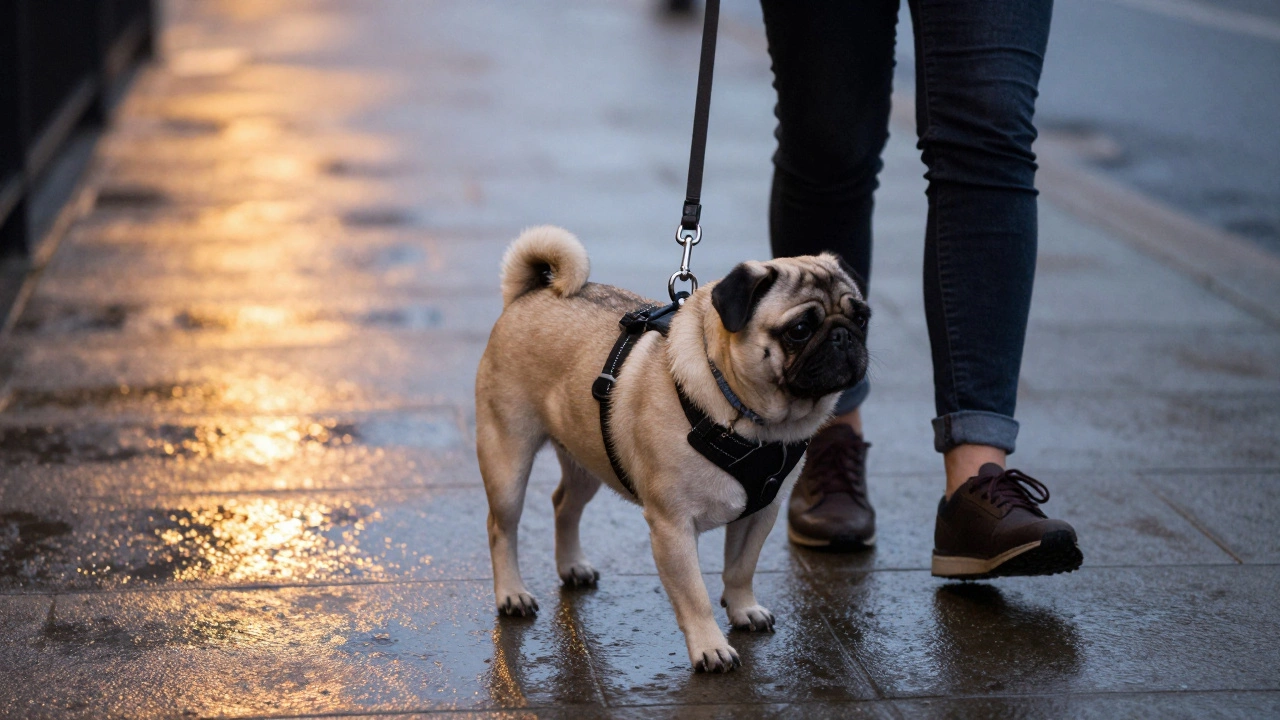
Choosing between a dog harness and collar affects your dog's safety, comfort, and behavior. Learn why most vets recommend harnesses for walking and when a collar might still be useful.
Popular posts