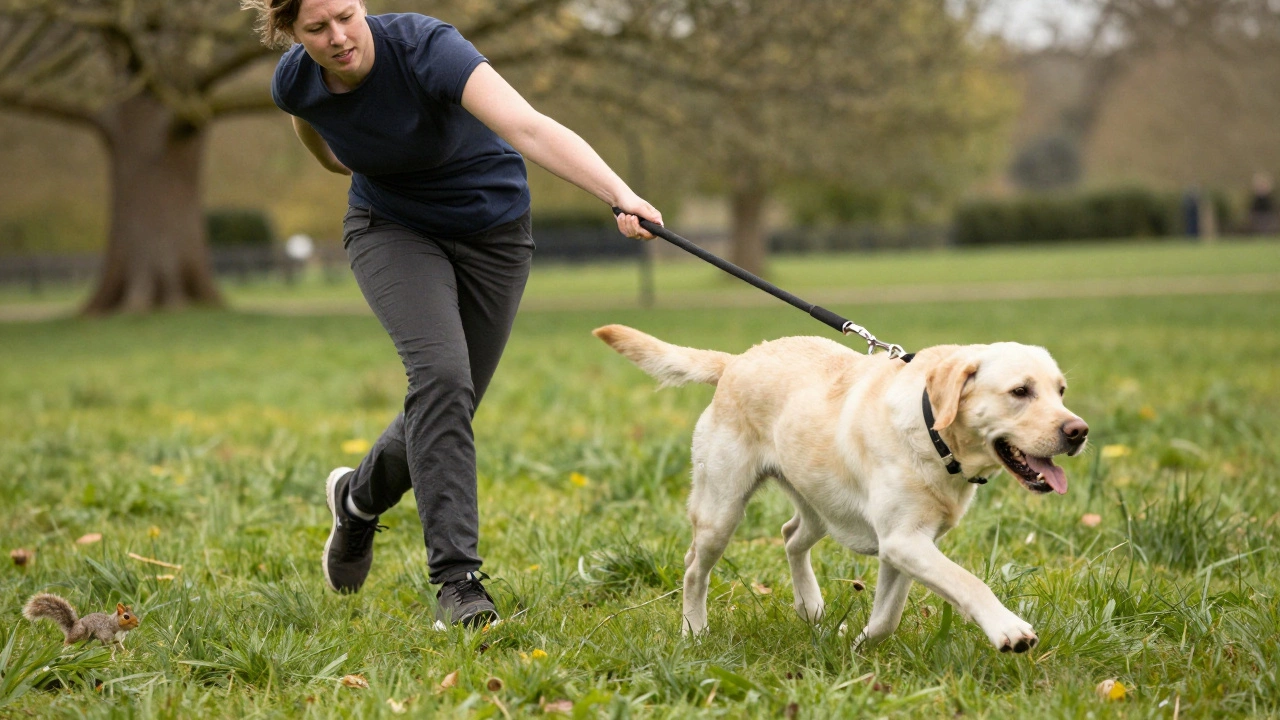
Evening Dog Food: What to Feed Your Dog at Night for Better Sleep and Health
When it comes to evening dog food, the meal given to your dog in the hours before bedtime. Also known as nighttime dog meal, it’s not just about filling the bowl—it’s about timing, ingredients, and how it affects your dog’s rest, digestion, and behavior. Many owners assume any leftover kibble or scraps work fine, but what you serve at night can actually make your dog restless, cause tummy troubles, or even disrupt their sleep cycle.
Just like humans, dogs need a balanced routine, and their last meal of the day plays a big role. If you feed too close to bedtime, your dog might need to go out in the middle of the night. Feed too early, and they could wake up hungry and anxious. The sweet spot? Usually 2 to 3 hours before sleep. This gives them time to digest, go potty, and settle down. For puppies, this timing matters even more—8-week-old puppy schedule, a structured routine that includes three meals a day—and one of those meals is often in the early evening. For adult dogs, especially those with sensitive stomachs or health conditions like diabetes, the homemade dog food, meals made from scratch using whole ingredients can be a better option, but only if they’re properly balanced. Adding the wrong dog supplements, vitamins or additives meant to boost health at night, like fish oil or cod liver oil, can cause loose stools or even vitamin toxicity if overdone.
What you put in that evening bowl also matters. Lean proteins like cooked ground chicken, a simple, affordable protein source for dogs are great. Avoid fatty scraps, leftovers with onions or garlic, or anything with artificial preservatives. Wet food can be a good choice too—especially for older dogs or those with dental issues—because it’s easier to digest and helps with hydration. But not all wet food is equal. Some brands are loaded with fillers and salt. The key is reading labels and choosing something simple, with real meat as the first ingredient.
You might also be wondering if your dog even needs a big evening meal at all. Many healthy adult dogs do fine with two meals a day—breakfast and dinner. But if your dog is active, growing, or has a medical condition, their needs change. That’s why you’ll see advice in our posts about dog feeding times, when and how often to feed your dog based on age, breed, and activity level, and why some owners switch to scheduled meals instead of free feeding. It’s not just about when you feed—it’s about what you’re feeding and why.
There’s no one-size-fits-all answer, but the right evening dog food can mean fewer midnight bathroom trips, better sleep for both you and your pup, and fewer digestive issues down the road. Below, you’ll find real-world advice from dog owners and vets on what works, what doesn’t, and how to avoid common mistakes when feeding your dog at night.
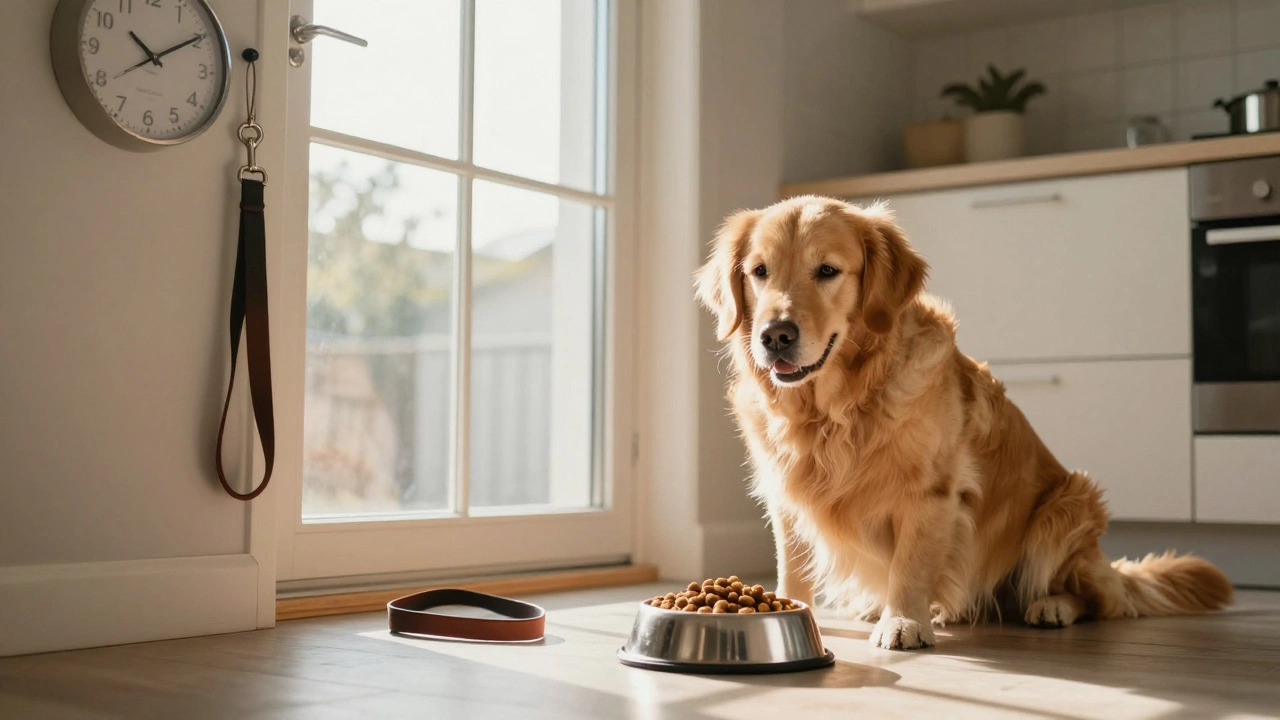
Best Time to Feed a Dog: Morning or Evening?
Learn whether feeding your dog in the morning or evening is better for their health, digestion, and behavior. Find the ideal feeding schedule based on age, breed, and lifestyle.
Popular posts