
Is Blue Buffalo good for dogs? Truth about ingredients, recalls, and vet opinions
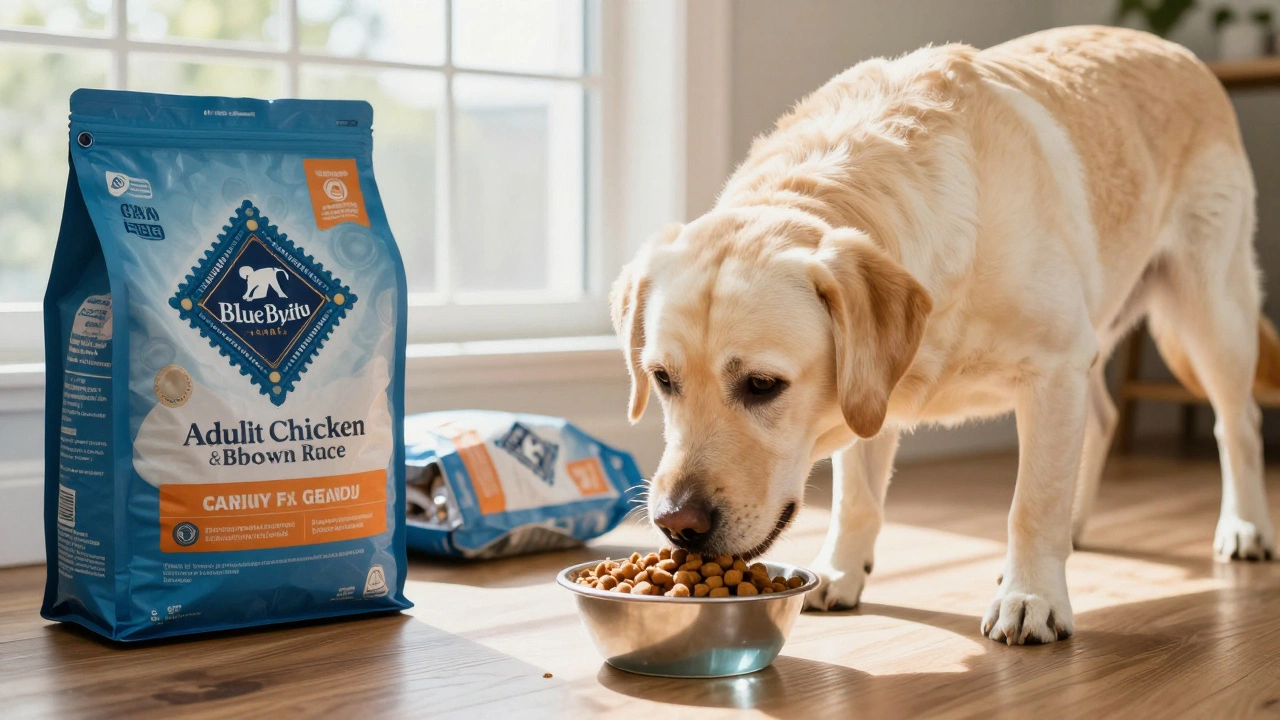
When you see Blue Buffalo, a popular brand of dog food marketed as natural and grain-free, often promoted by pet stores and influencers. Also known as Blue Wilderness, it's one of the most talked-about options for dog owners looking for premium nutrition. But is it really the best choice? Many people assume "natural" means safe, but the truth is more complicated. Blue Buffalo has faced multiple lawsuits and recalls over the years—not because it’s toxic, but because of misleading labeling and inconsistent quality control. One major recall in 2015 involved contamination with melamine, a chemical that can damage kidneys. Another in 2017 pulled batches due to possible lead contamination. These aren’t minor slips—they’re red flags for a brand that claims to be premium.
What’s inside the bag matters more than the logo. Blue Buffalo often uses chicken meal, rice, and oatmeal as primary ingredients, which aren’t bad—but they’re not ideal either. Dogs are carnivores, and their bodies thrive on animal protein, not grains. Many of their formulas still include fillers like corn gluten meal and soybean meal, which offer little nutritional value and can trigger allergies. Compare that to brands like Hill’s Science Diet or Royal Canin, which base formulas on veterinary research and clinical trials. Blue Buffalo doesn’t publish its feeding trial data, and its "LifeSource Bits"—those blue kibble pieces—are just a marketing gimmick. They’re added after cooking and contain vitamins, but they’re not a substitute for balanced, whole-food nutrition.
Some dog owners swear by Blue Buffalo because their pup’s coat looks shinier or their energy levels seem higher. But that’s often placebo—or the result of switching from low-quality kibble. If your dog was eating cheap food before, any change might seem like an improvement. Real progress comes from consistency, not branding. Vets in South Tyneside who’ve seen dogs with chronic skin issues or digestive problems often trace it back to grain-heavy or filler-laden diets, even if they’re labeled "natural." The real question isn’t whether Blue Buffalo is good—it’s whether it’s better than what you’re already feeding. And for most dogs, the answer is no.
There are better options out there that actually back up their claims with science. Brands like Orijen, Acana, or even affordable options like Purina Pro Plan have transparent ingredient sourcing and clinical testing. If you’re looking at Blue Buffalo because of ads or a friend’s recommendation, take a closer look at the label. Check for meat as the first ingredient, avoid vague terms like "meat meal," and watch out for artificial preservatives. Your dog doesn’t care about the color of the bag—they care about what’s in it.
Below, you’ll find real stories and vet-backed insights about dog food brands, ingredients, and what actually keeps dogs healthy. From recalls and lawsuits to homemade diets and supplements, we’ve gathered the facts so you don’t have to guess what’s safe for your pet.
Is Blue Buffalo a bad dog food? Here's what vets and dog owners really say
Blue Buffalo isn't inherently bad, but its grain-free formulas carry risks for heart health. Learn which versions are safe, which to avoid, and how to choose the right dog food for your pet's needs.
Popular posts