Night Light for Puppies: What Works, What Doesn’t, and Why It Matters
When you bring home a puppy, the first few nights can feel endless. They whine, they pace, they seem scared of the dark—even though you know there’s nothing there. That’s where the idea of a night light for puppies, a low-level light source used to reduce fear and disorientation in young dogs during nighttime hours. Also known as puppy night lamp, it’s often suggested as a fix for separation anxiety or crate refusal. But is it really helping—or just making things worse?
Most puppies under 4 months old haven’t developed full bladder control, and their brains are still learning how to process silence and darkness. A dim night light can ease their fear of the unknown, especially if they’re in a new crate or room. But it’s not a magic fix. The real issue isn’t the dark—it’s loneliness, confusion, or lack of routine. A puppy sleep schedule, a consistent daily pattern of feeding, potty breaks, play, and rest that helps puppies feel secure and predict their environment. is far more important than any light. If your puppy sleeps better with a dim bulb on, fine—but make sure it’s not too bright. Harsh lights can disrupt melatonin, the hormone that tells their body it’s time to rest. Stick to warm, amber tones, and keep it low, like a nightlight in a child’s room.
And don’t forget the puppy crate training, the process of teaching a puppy to feel safe and calm inside a confined space, usually a crate, for sleep, rest, or travel. A night light won’t fix bad crate habits. If your puppy panics when left alone, they need gradual desensitization—not a lamp. Same goes for puppy anxiety at night, a common behavioral issue in young dogs marked by whining, pacing, or accidents when left alone after dark. That’s often tied to the first night alone, lack of bonding, or inconsistent routines. A soft light might calm them for a night, but real relief comes from building trust over days and weeks.
Some owners swear by white noise or a heartbeat toy. Others leave a piece of clothing with their scent in the crate. These work because they mimic closeness—not because they’re bright. The truth? Most puppies will adjust within a week or two if you stick to a routine. Feed them early, take them out right before bed, keep the environment quiet, and avoid giving attention when they cry. If you turn on the light every time they whine, you’re teaching them that whining = light and attention. That’s not comfort—that’s reinforcement.
So, should you use a night light for puppies? Maybe—but only as a small piece of a bigger puzzle. It’s not a substitute for sleep training, potty schedules, or emotional security. The posts below cover exactly what works: how to handle nighttime accidents, why your puppy won’t sleep, what to do on the first night home, and how to build confidence so they don’t need a light at all. You’ll find real advice from people who’ve been there—not myths, not marketing, just what helps puppies actually sleep through the night.
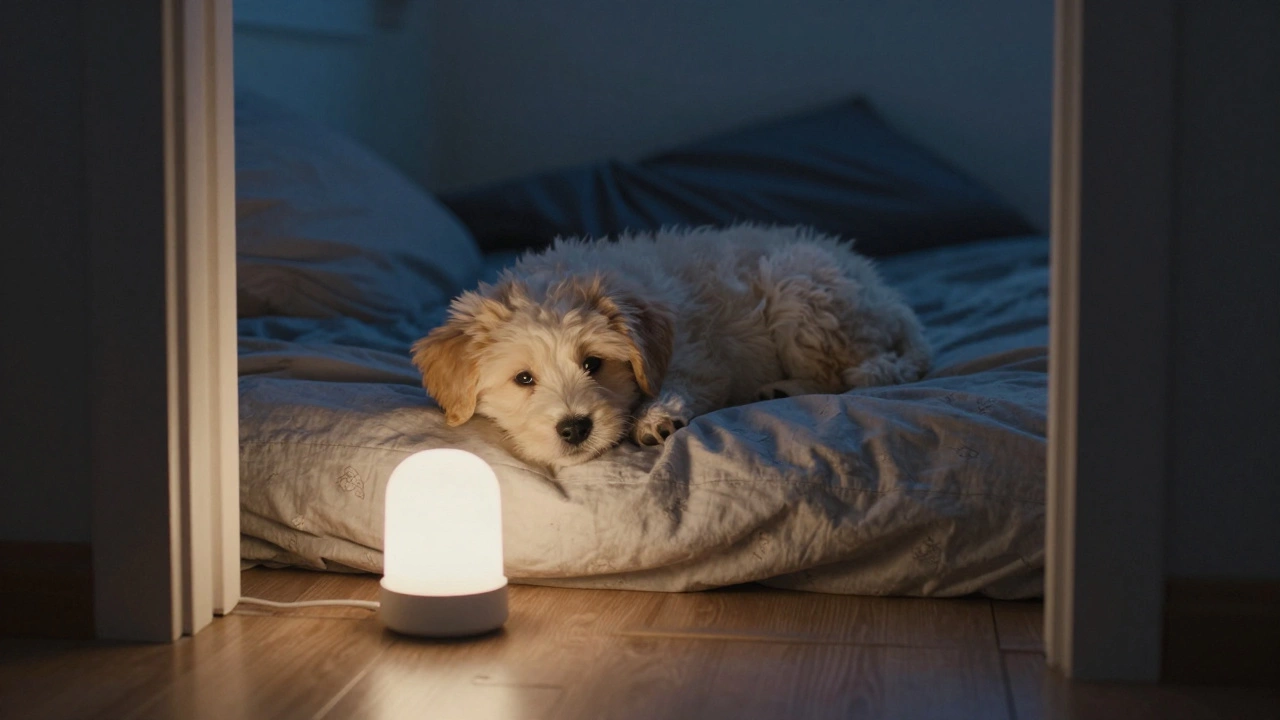
Should You Turn the Light Off for Your Puppy at Night?
Should you turn the light off for your puppy at night? Learn how to help your puppy sleep safely and calmly by using the right kind of light-and when to turn it off for good.
Popular posts