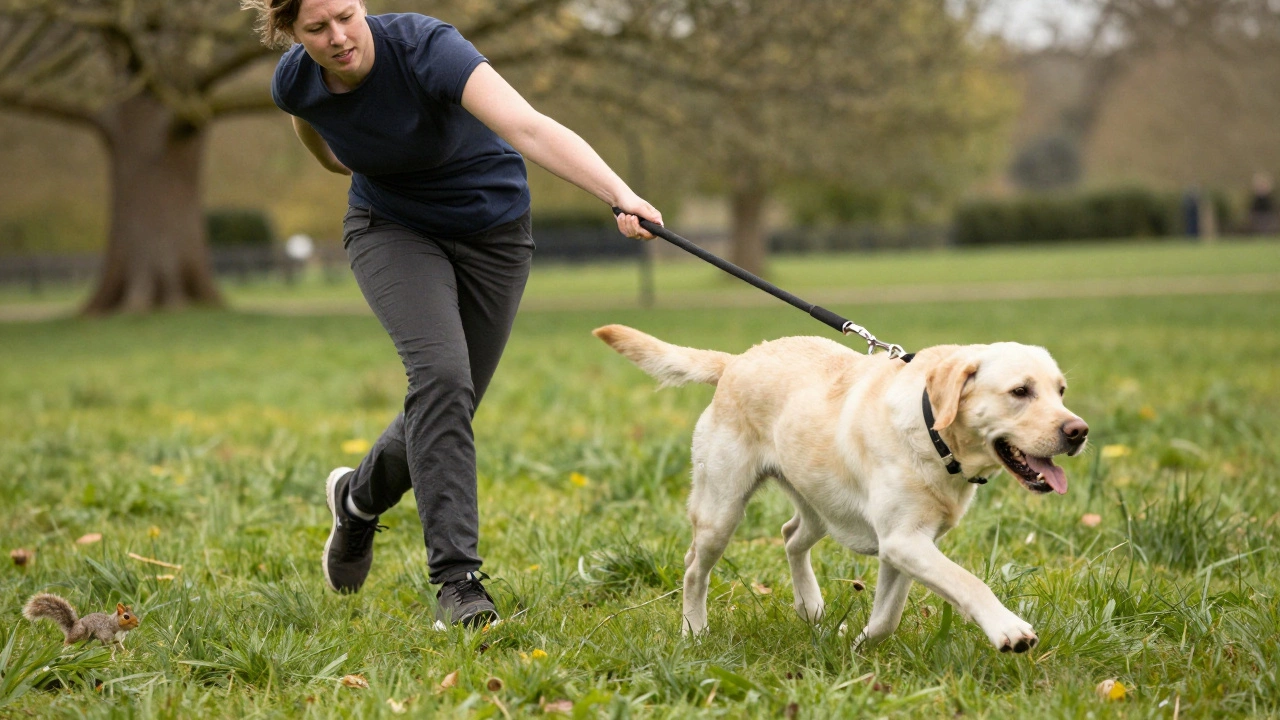
Puppy Bladder Control: What Works and What Doesn’t
When you bring home a new puppy, one of the first things you’ll notice is how often they need to go outside. puppy bladder control, the ability of a young dog to hold urine until they’re taken outside. It’s not a matter of willpower—it’s biology. Most puppies under 12 weeks old can only hold their bladder for about 1-2 hours, and even at 6 months, they’re still developing full control. This isn’t disobedience. It’s a growing process. Trying to force it too fast leads to accidents, anxiety, and bad habits. What you need is a clear, realistic plan based on how their body actually works.
puppy potty training, a consistent routine that teaches a puppy where and when to relieve themselves isn’t about punishing accidents. It’s about timing, observation, and repetition. Puppies don’t understand the concept of "indoor vs. outdoor"—they learn by association. Take them out right after waking up, after eating, after playing, and before bed. Watch for signs: sniffing, circling, sudden stillness. That’s their body saying it’s time. puppy pee schedule, a predictable timetable that matches a puppy’s natural bladder rhythm is the backbone of success. An 8-week-old puppy needs to go every 60-90 minutes. By 12 weeks, you can stretch to 2 hours. By 6 months, most can make it 4-6 hours during the day. Nighttime is different—they’ll need a break until they’re at least 4-5 months old.
Some people turn to crates, others to puppy pads. Crates work because dogs naturally avoid soiling their sleeping space—but only if the crate is the right size. Too big, and they’ll use one corner as a bathroom. Too small, and it’s uncomfortable. Puppy pads can confuse them. If you use them indoors, you’re teaching them it’s okay to go inside. That’s hard to undo later. The best approach? Stick to outside, every time. Use the same door, same spot, same words. Praise them the second they go. No yelling. No rubbing their nose in it. Just quiet, calm reward.
And don’t fall for quick fixes. Products that promise overnight results? They don’t work. Medications? Only if a vet says so. Most accidents aren’t medical—they’re developmental. If your 5-month-old puppy is still peeing inside every day, it’s not a bladder issue. It’s a training gap. You might need to reset the schedule, increase supervision, or reduce distractions. It’s not your fault. It’s not their fault. It’s just part of the journey.
What you’ll find below are real, tested tips from pet owners and vets who’ve been through this. No fluff. No myths. Just what actually helps puppies learn bladder control—without stress, without mess, and without losing your mind.
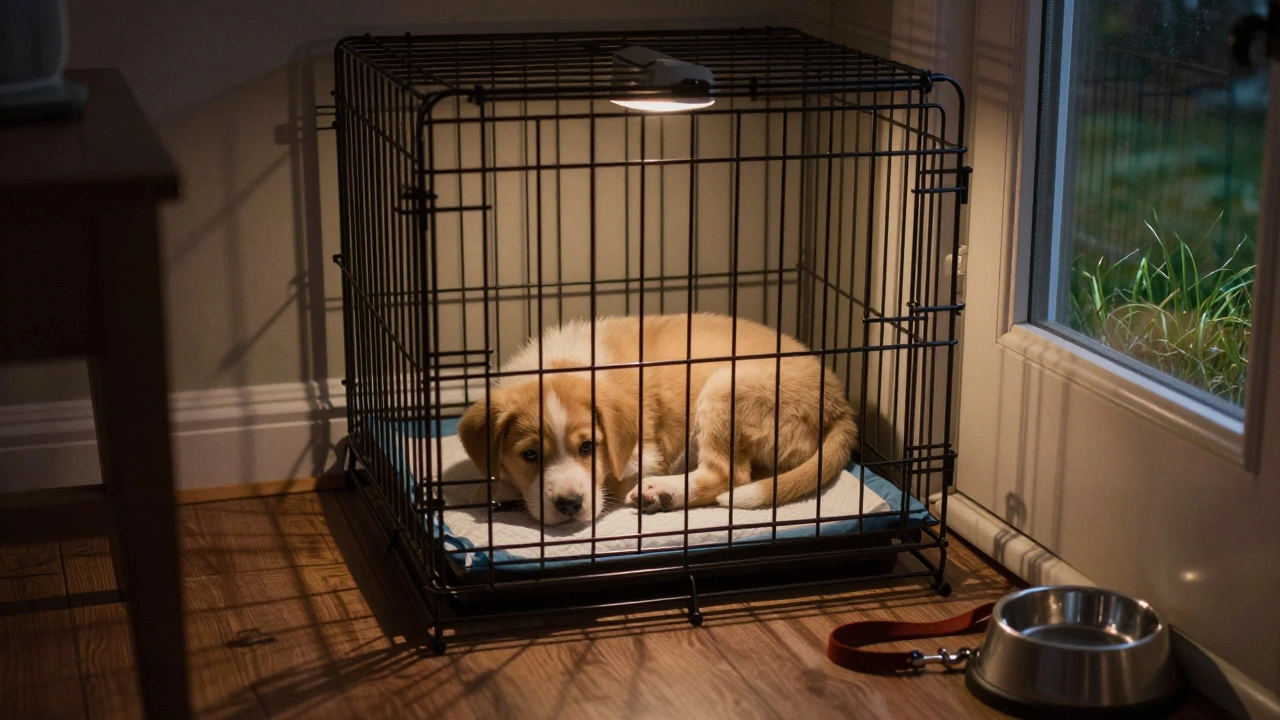
Will a Puppy Pee in a Crate at Night? Here’s What Really Happens
Most puppies can't hold their pee all night until they're 4-5 months old. Learn why accidents happen and how to train your puppy to sleep through the night without peeing in their crate.
Popular posts