Puppy Training Schedule: What Works, When, and Why
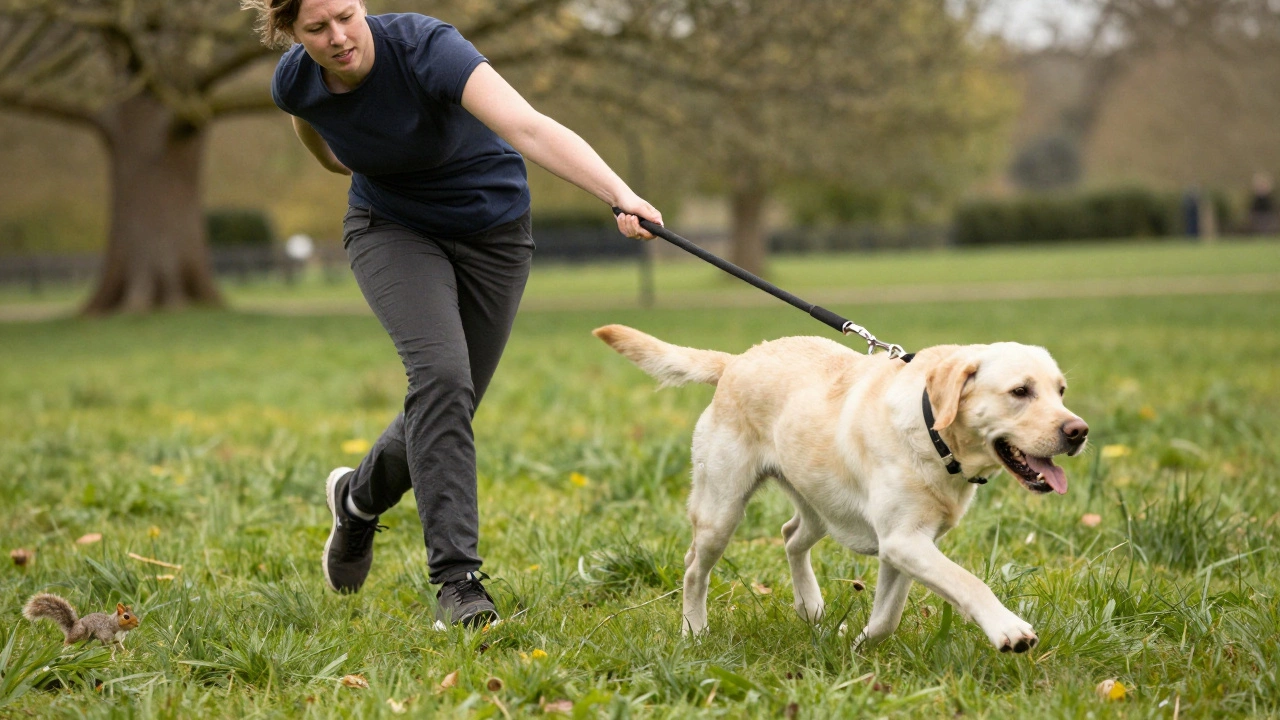
When you bring home a new puppy, the biggest question isn’t puppy training schedule, a structured daily plan that teaches basic commands, house rules, and social skills during the critical early weeks. It’s how to make it stick without burning out. A good schedule isn’t about cramming in tricks—it’s about building a calm, confident dog by shaping behavior bit by bit. Most people think training means sitting for "sit" and "stay" all day. But the real work happens in the quiet moments: waiting before eating, staying calm when the door opens, learning that pulling on the leash gets you nowhere.
The first 12 weeks are the most important. That’s when your puppy’s brain is wired to learn fast. puppy behavior, the natural reactions and habits a young dog shows, like chewing, barking, or jumping. These aren’t bad traits—they’re normal puppy instincts. Your job is to redirect them, not punish them. For example, if your pup nips your hand, you don’t yell. You offer a chew toy and walk away. That teaches them biting ends playtime. dog training, the process of teaching a dog to respond to cues and behave appropriately in human environments. isn’t about dominance. It’s about clear communication. And that starts with consistency. If you let your puppy jump on the couch one day and ban it the next, you’re confusing them. Pick the rules early and stick to them.
Think of your puppy’s day like a puzzle. Each piece is a short session: 5 minutes of potty breaks, 5 minutes of name recognition, 5 minutes of leash walking, 5 minutes of quiet time in their crate. Repeat this every few hours. Puppies can’t focus for long. Their attention span is about as long as a sneeze. So short, positive, and frequent wins are better than one long, stressful hour. And always end on a good note—give a treat, a pat, a quiet cuddle. That’s how they learn that training = good things.
Some of the most common mistakes? Waiting too long to start, skipping potty training, or using punishment. You don’t need a shock collar or a choke chain. You need patience, a treat pouch, and a timer. The best training tools are your voice, your timing, and your consistency. And if your puppy pees on the rug at 2 a.m.? That’s not defiance. It’s a bladder that’s still growing. Set alarms. Take them out. Reward them. Repeat.
What you’ll find below are real, practical posts from owners and vets who’ve been there. You’ll see how to handle the first night, why impulse control comes before "sit," what to do when your pup won’t stop chewing your shoes, and how to build a routine that actually works with your life—not against it. No fluff. No theory. Just what helps.
What Is a Good Schedule for an 8-Week-Old Puppy?
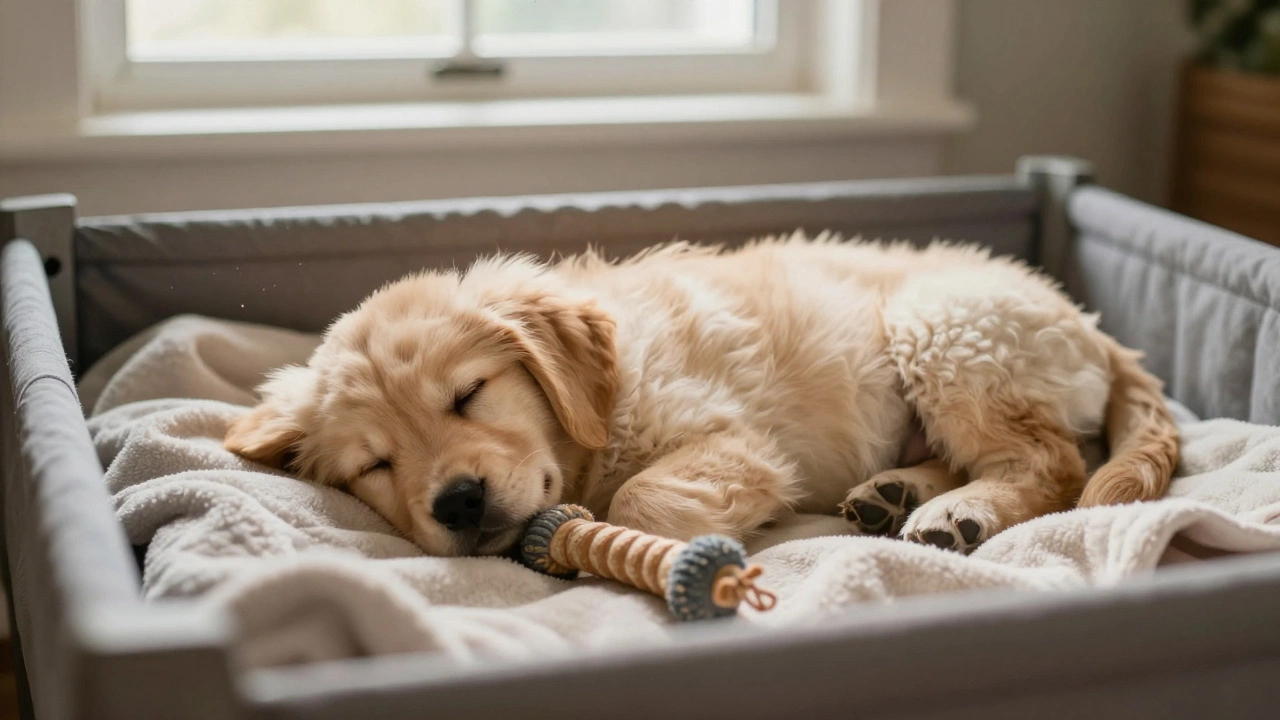
A good schedule for an 8-week-old puppy includes feeding three times a day, frequent potty breaks, 18-20 hours of sleep, short training sessions, and calm socialization. Consistency builds confidence and prevents accidents.
Popular posts