
Purina Dog Food Guide – What to Know Before You Buy
If you’re scrolling the pet aisle, you’ve probably seen Purina packs everywhere. It’s a big name, but does it mean it’s the right choice for your dog? Let’s break down what Purina offers, the ingredients you should watch, and how it compares to a common rival, IAMS. By the end you’ll have a clear picture of whether Purina fits your pup’s needs.
Key Ingredients to Look For
First up, check the ingredient list. High‑quality dog food starts with a solid protein source at the top – think real chicken, beef, or fish. Purina often labels its protein as "chicken meal" or "beef meal." Those are dried, ground parts of the animal, which can be fine if the name is first. If you see "by‑product" or "meal" far down the list, the protein quality might be lower.
Next, look for whole grains or vegetables. Purina includes corn, wheat or rice in many formulas. Dogs can digest these, but if your dog has a grain sensitivity, you might want a grain‑free line. Fiber sources like beet pulp help with digestion, so they’re a good sign.
Finally, check for added vitamins and minerals. Purina adds calcium, vitamin E and B‑complex vitamins to keep bones strong and energy steady. Avoid foods that load up on artificial colours or flavours – they add cost without benefit.
Purina vs IAMS – Quick Comparison
Both brands claim to cover basic nutrition, but there are subtle differences. Purina tends to have a wider range of specialised formulas – weight control, large breed, senior, and even breed‑specific blends. IAMS also offers specialty lines, but its core range leans more on simple meat‑and‑grain mixes.
Price is another factor. Purina is usually a bit cheaper per kilogram, making it attractive for larger dogs or families with several pets. IAMS can be a little pricier, but some owners feel the ingredient list is cleaner, especially in the "Premium" lines.
When it comes to taste, many owners say dogs gobble down Purina faster. If your dog is a picky eater, you might find Purina’s flavour options more appealing. However, if your vet recommends limiting certain fillers, IAMS might have a formula that fits better.
Overall, the decision boils down to your dog’s health needs and your budget. Both brands meet the basic standards set by the pet food regulator, so you won’t be feeding junk either way.
Before you buy, take a quick step: compare the guaranteed analysis on the bag (protein, fat, fibre percentages) with your dog’s activity level. A high‑energy dog needs more protein and fat, while a senior might benefit from lower calories and added joint support. If you’re unsure, ask your vet or a trusted groomer – they see lots of dogs and can give a practical opinion.
In short, Purina is a solid, affordable choice if you read the label, pick a formula that matches your dog’s size and age, and watch for any fillers your pet might not tolerate. Pair that with a regular vet check‑up and you’ve got a simple feeding plan that keeps tails wagging.
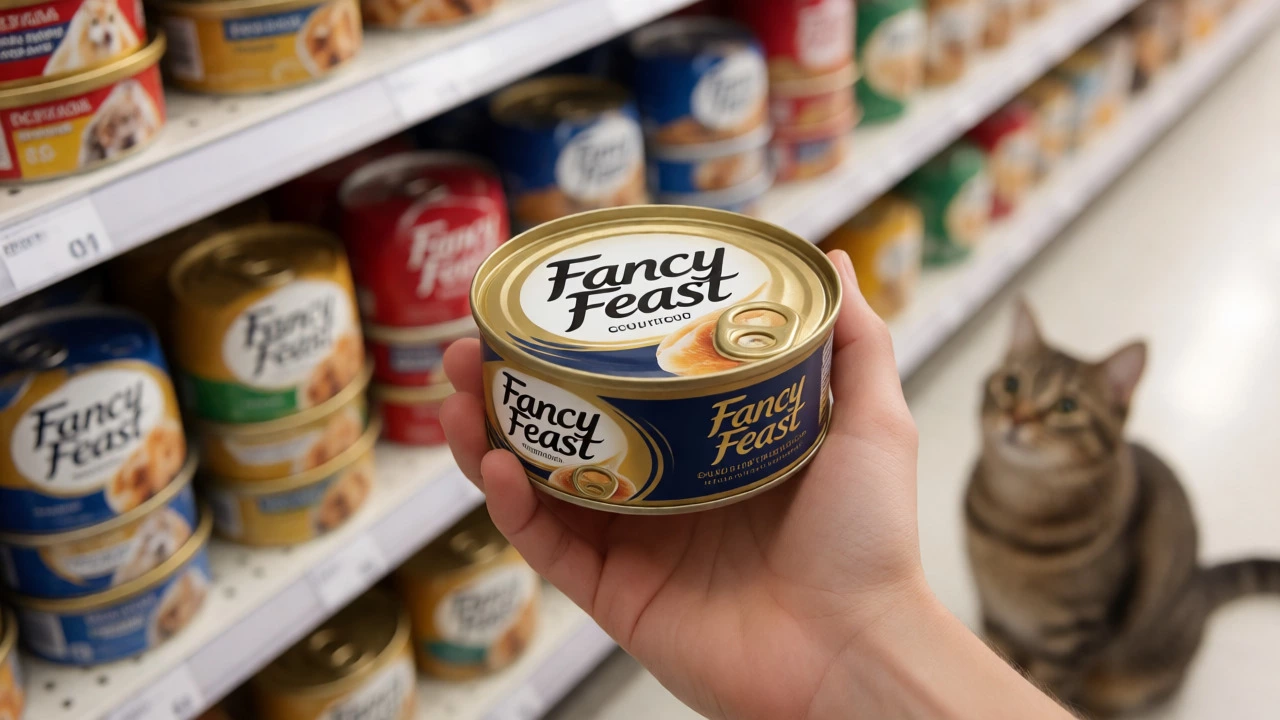
Purina vs. Fancy Feast: Are They the Same Company?
Discover the true relationship between Purina and Fancy Feast. Learn how Nestlé Purina manages multiple brands, compare nutritional values, and decide which line suits your cat's health needs.

Purina vs IAMS: Which Dog Food Is Actually Better?
Trying to pick between Purina and IAMS for your dog's food? This article breaks down the pros and cons of both brands, covering nutrition, ingredients, variety, and price. Get a clear look at what sets each food apart and what real dog owners should think about before buying. See interesting facts about common dog food myths, and get practical tips for finding the right match for your pup. Choose wisely for your dog's health, happiness, and your wallet.
Popular posts