Dog Grooming Time Estimator
Drop your fluffy companion off with confidence. This tool estimates how long the full service will take by accounting for coat type, matting severity, and behavioral needs.
You drop your fluffy companion off at the salon with a casual "See you in an hour," only to receive a text three hours later saying they’re still drying. It’s frustrating, especially when you’ve budgeted exactly sixty minutes for pickup. But here’s the truth: that four-hour window isn’t padding or procrastination. It’s physics, biology, and safety protocols colliding.
Dog grooming is a multi-stage hygiene and maintenance process involving bathing, drying, clipping, and styling that varies significantly based on coat type and animal behavior. While a quick trim might take thirty minutes, a full service often stretches into half a day. Why? Because high-velocity dryers can’t just blast water away; they have to work around skin sensitivity, matting, and the sheer volume of hair involved.
The Hidden Time Sinks: Bathing and Drying Physics
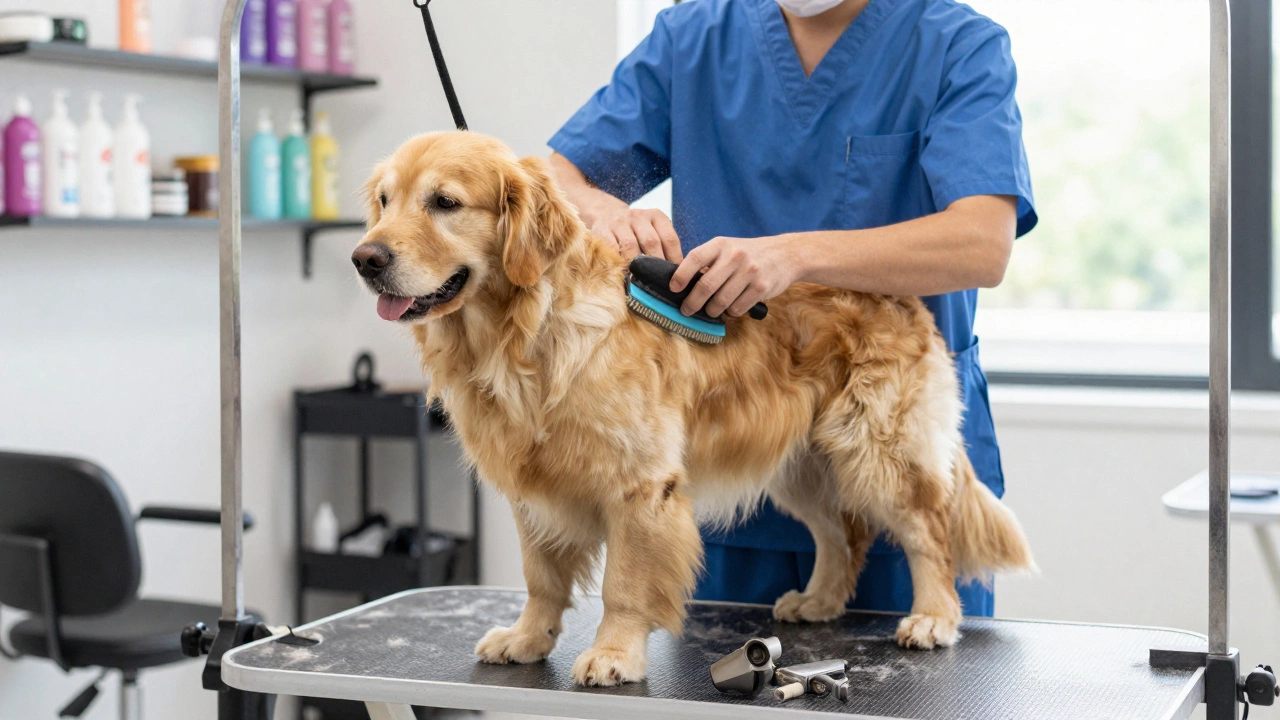
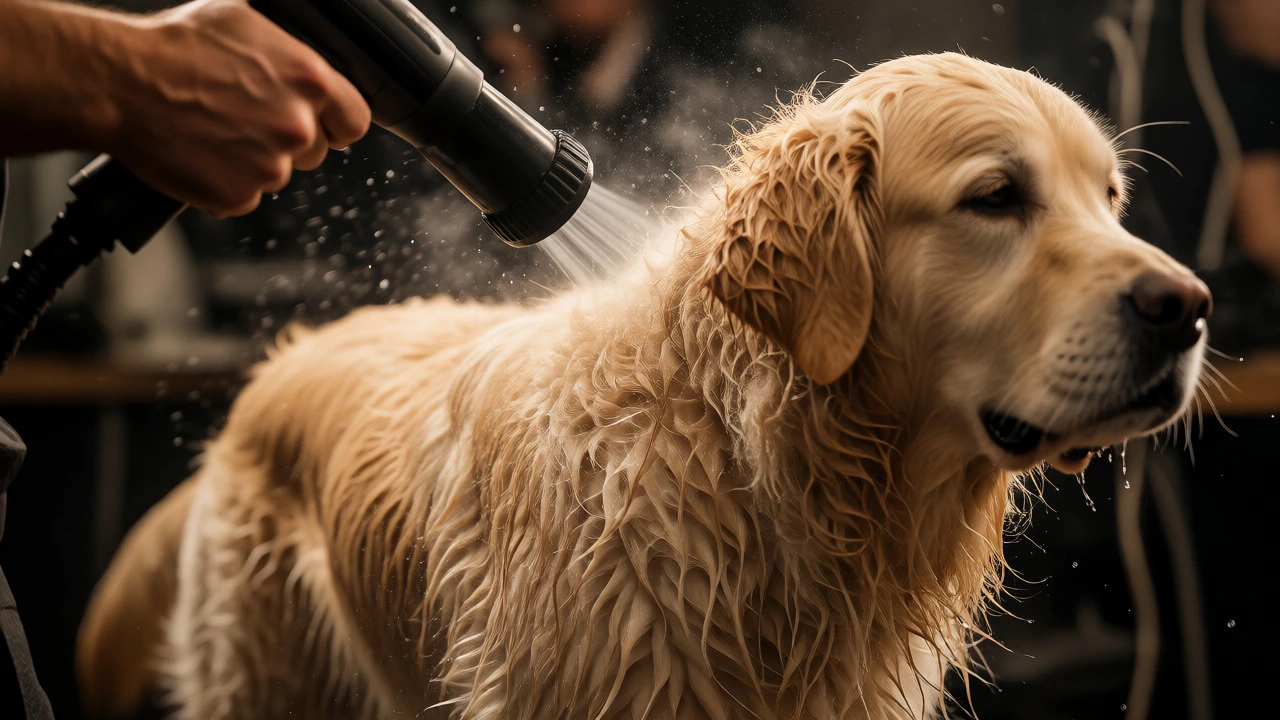
Most owners underestimate how long it takes to get a dog truly dry. Washing is fast-maybe ten minutes. The real time thief is drying. If you’ve ever tried to towel-dry a wet Golden Retriever, you know they remain damp for ages. Professional groomers use high-velocity dryers, which blow air at speeds up to 100 mph. This forces water out of the undercoat rather than just evaporating surface moisture.
For double-coated breeds like Huskies or German Shepherds, this step alone can take 45 to 60 minutes. You cannot rush it. Leaving moisture trapped against the skin creates a breeding ground for bacteria and yeast, leading to hot spots. Groomers often check the base of the coat by parting the fur. If the skin feels cool or damp, the dryer stays on. This meticulous approach ensures health, not just aesthetics.
- Short coats: 15-20 minutes drying time.
- Medium coats: 30-45 minutes drying time.
- Double coats: 45-90 minutes drying time.
- Curly/Thick coats (Poodles): 60+ minutes due to density.
Mats and Tangles: The Extraction Nightmare
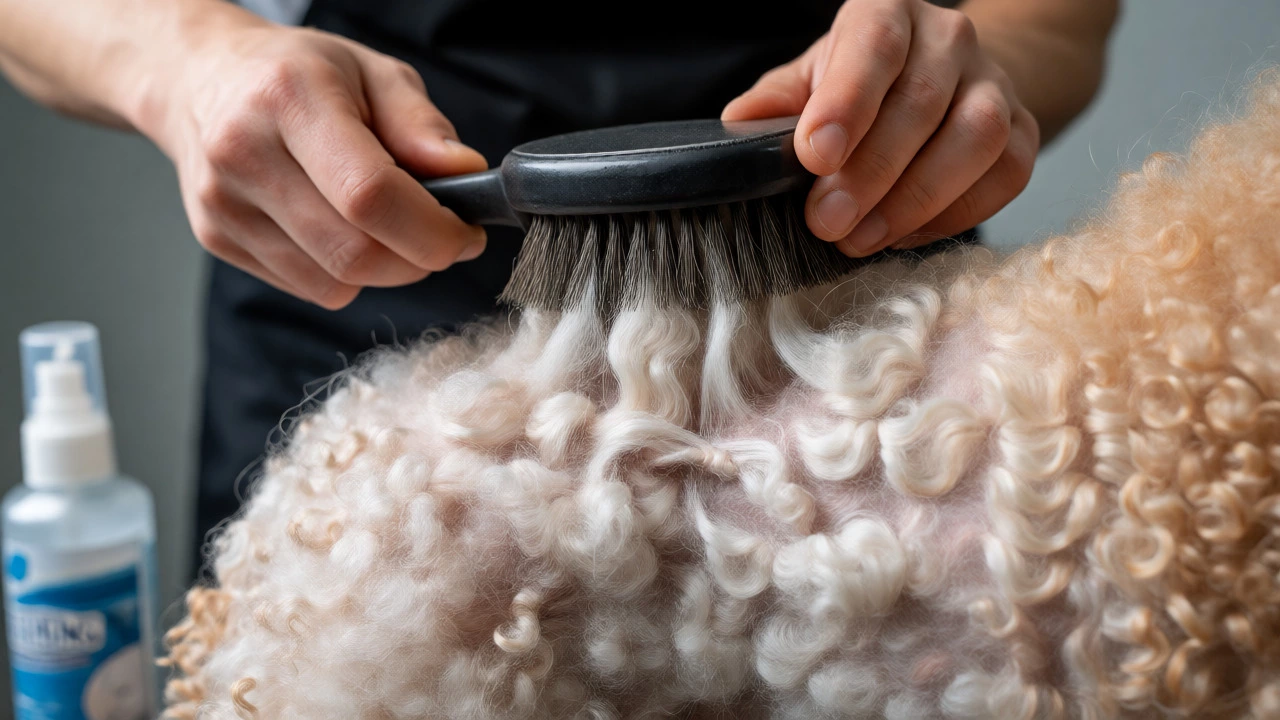
If your dog has mats, add another hour to the timeline. Mats aren’t just clumps of hair; they are felted knots that pull on the skin. Removing them requires patience. A groomer uses slicker brushes, combs, and sometimes detangling sprays to work through layers. Yanking a mat hurts the dog and can tear the skin.
Severe matting often necessitates shaving the affected areas close to the skin. This changes the coat texture permanently for that growth cycle, but it’s necessary for comfort. Trying to brush out severe mats without shaving can cause bruising. The time spent here is non-negotiable. Ignoring mats leads to pain, restricted movement, and hidden parasites like fleas hiding beneath the dense fur.
Behavioral Management: The Human Factor
Dogs aren’t mannequins. They move, wiggle, and sometimes panic. A calm dog allows a groomer to work efficiently. An anxious dog requires breaks, reassurance, and slower movements. If a dog struggles during nail trims or ear cleaning, the groomer stops. Pushing too hard risks injury from clippers slipping or scissors poking sensitive areas.
Groomers often build in "reset" periods. If a dog becomes overwhelmed, they might pause for five minutes, offer a treat, or let the dog sniff around. This prevents aggression and makes future visits easier. For reactive dogs, muzzle training or sedation (administered by a vet, not the groomer) might be needed, adding coordination time before the appointment even starts.
Breed-Specific Requirements: Not All Haircuts Are Equal
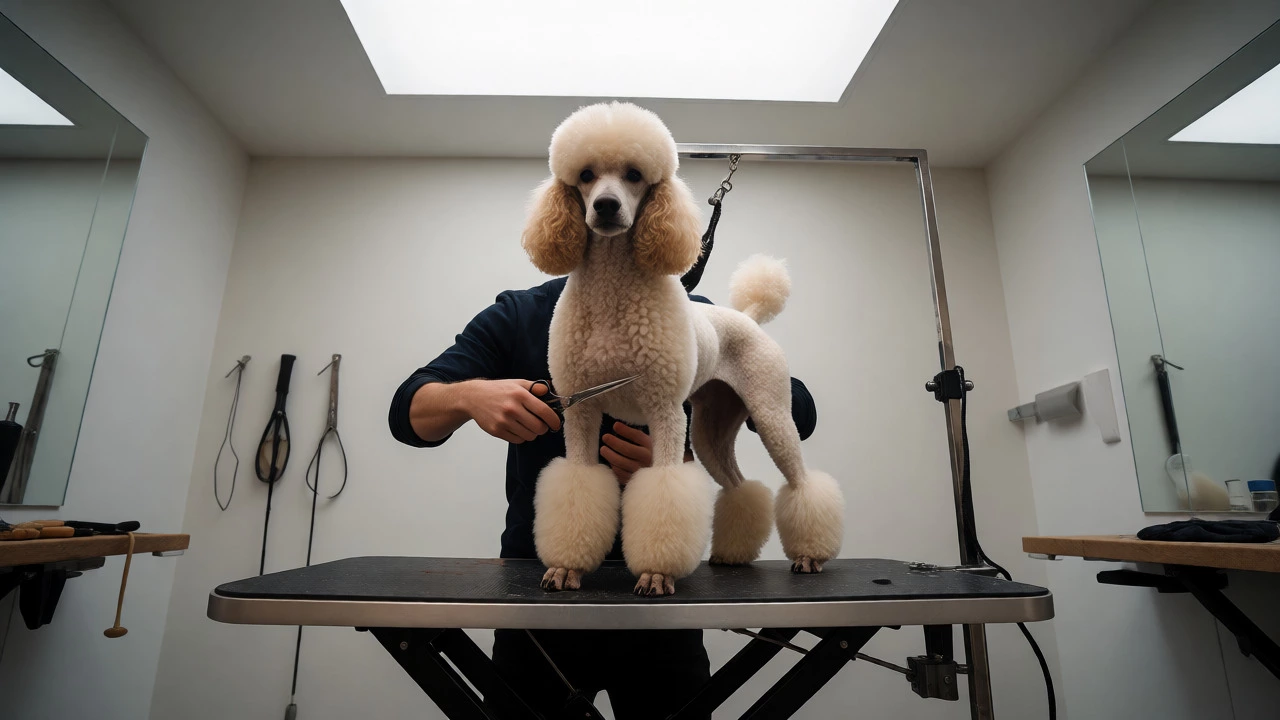
A standard Poodle cut involves shaping the head, legs, and body with precise scissoring. This artistic element takes time. A simple "teddy bear" trim is faster but still requires symmetry. Check out the differences below:
| Breed Type | Coat Characteristics | Average Full Service Time | Key Challenges |
|---|---|---|---|
| Labrador Retriever | Single-layer, short | 1.5 - 2 hours | Shedding control, ear cleaning |
| Golden Retriever | Double-layer, feathering | 2.5 - 3.5 hours | Undercoat removal, leg trimming |
| Poodle | Curly, continuous growth | 3 - 4 hours | Mat prevention, scissor work |
| Shih Tzu | Silk-like, no undercoat | 2 - 3 hours | Eye area precision, face trimming |
| Husky | Thick double coat | 2 - 3 hours | Blow-out drying, seasonal shedding |
Notice that breed size doesn’t always dictate time. A small Maltese with a long coat can take longer than a large Labrador because of the detailed facial work required. Precision cutting around eyes, ears, and paws demands steady hands and good lighting.
The Add-Ons That Sneak Up On You
Many services are included in the base price but consume significant time. Nail grinding, anal gland expression, ear plucking, and teeth brushing each take 5-15 minutes depending on cooperation. If your dog has long dewclaws or dark nails where the quick is hard to see, the groomer must go slowly to avoid bleeding.
Ear plucking is controversial but necessary for breeds like Cocker Spaniels. Plucking removes excess hair that traps moisture and debris. Doing this gently takes time. Rushing causes inflammation. Similarly, expressing anal glands is messy and requires careful positioning. Skipping these steps saves time but compromises hygiene.
How to Speed Up Your Appointment
You can’t change physics, but you can help your groomer. Regular brushing at home reduces matting. Weekly combing prevents tangles from forming deep in the coat. This cuts down the de-matting phase significantly.
Also, consider the timing of your visit. Peak hours (weekends, mornings) mean staff is busy handling multiple dogs. Mid-week afternoons often allow for more focused attention. If your dog is anxious, ask for a solo appointment slot if possible. Less noise and fewer animals reduce stress, leading to smoother handling.
Finally, communicate clearly. Tell the groomer about any sore spots, recent surgeries, or fears. If they know your dog hates having their belly touched, they’ll adjust their technique. Clear expectations prevent misunderstandings and rework.
Frequently Asked Questions
Is it normal for dog grooming to take 4 hours?
Yes, for medium to large breeds with thick coats, or any breed with significant matting, four hours is common. This includes bathing, thorough drying, de-matting, cutting, and finishing touches. Short-haired breeds typically finish in 1-2 hours.
Why does drying take so long?
Drying removes moisture from the undercoat to prevent skin issues. High-velocity dryers force water out physically. Double-coated breeds hold vast amounts of water in their dense underfur, requiring extended drying times to ensure the skin is completely dry.
Can I watch my dog being groomed?
Some salons offer viewing windows, but many do not. Watching can distract the groomer and stress the dog. If the dog sees the owner, they may struggle or vocalize, slowing down the process and increasing safety risks with sharp tools.
What if my dog gets aggressive during grooming?
Groomers will stop to assess safety. They may use muzzles for protection. In severe cases, they might recommend veterinary sedation for the next visit. Aggression adds time as the groomer works cautiously and takes breaks to calm the animal.
Does brushing at home really save time?
Absolutely. Regular brushing prevents mats from forming. De-matting is the most time-consuming part of grooming. Keeping the coat loose and clean between appointments can reduce total grooming time by 30-50%.