When to Feed Your Dog: Best Times, Portions, and Signs You're Getting It Right
When to feed your dog isn’t just about sticking to a clock—it’s about matching their biology, age, and lifestyle. dog feeding schedule, a consistent routine that aligns with a dog’s digestion and energy needs. Also known as meal timing, it directly affects their energy, digestion, and even behavior. Most adult dogs do best with two meals a day—morning and evening—because their stomachs empty in about 8 to 10 hours. Feeding once a day can leave them hungry or sluggish, while three meals might be too much unless they’re a puppy, senior, or have a medical need.
puppy feeding schedule, a more frequent routine needed because of their fast metabolism and small stomachs usually means three meals until they’re about six months old. An 8-week-old puppy, for example, needs food every 6 to 8 hours, often timed around your own routine—breakfast, lunch, and dinner. Missing a meal or feeding too late can lead to low blood sugar, which is dangerous for tiny pups. As they grow, you can slowly shift to two meals. And don’t forget: dog nutrition, the balance of proteins, fats, vitamins, and minerals that keep your dog healthy long-term matters just as much as timing. A dog fed at the right hours but given low-quality food will still suffer—think dull coat, bad breath, or loose stools.
Signs you’re feeding at the right times? Your dog stays steady on their energy levels, has firm stools, and doesn’t beg nonstop between meals. If they’re constantly hungry, it could mean the food lacks nutrients—or they’re just being clever. If they seem tired after eating or vomit bile in the morning, they might be going too long without food. Dogs with health issues like diabetes or pancreatitis need even stricter timing, often synced with insulin or medication.
Don’t just copy what you read online. A working Border Collie needs different fuel than a 12-year-old Bichon. Your dog’s size, activity, and health all change what "right" looks like. That’s why vets often recommend starting with the food bag’s guidelines, then adjusting based on your dog’s body condition. If you can feel their ribs with light pressure but not see them, you’re likely on track.
And here’s something most people miss: feeding time is training time. If you feed your dog right after a short sit or recall, you’re building good habits. If you toss food in a bowl while they’re jumping or barking, you’re rewarding bad behavior. Timing your meals with calm moments helps your dog learn patience and self-control.
What you’ll find below are real stories and vet-backed tips on feeding dogs—whether you’re dealing with a puppy who pees in the crate at night, a dog acting weird after grooming, or someone wondering if ground chicken or fish oil fits into their pet’s diet. These aren’t generic lists. They’re answers from owners and vets who’ve been there: the late-night feedings, the food lawsuits, the supplements that helped—and the ones that didn’t. Let’s cut through the noise and find what actually works for your dog.
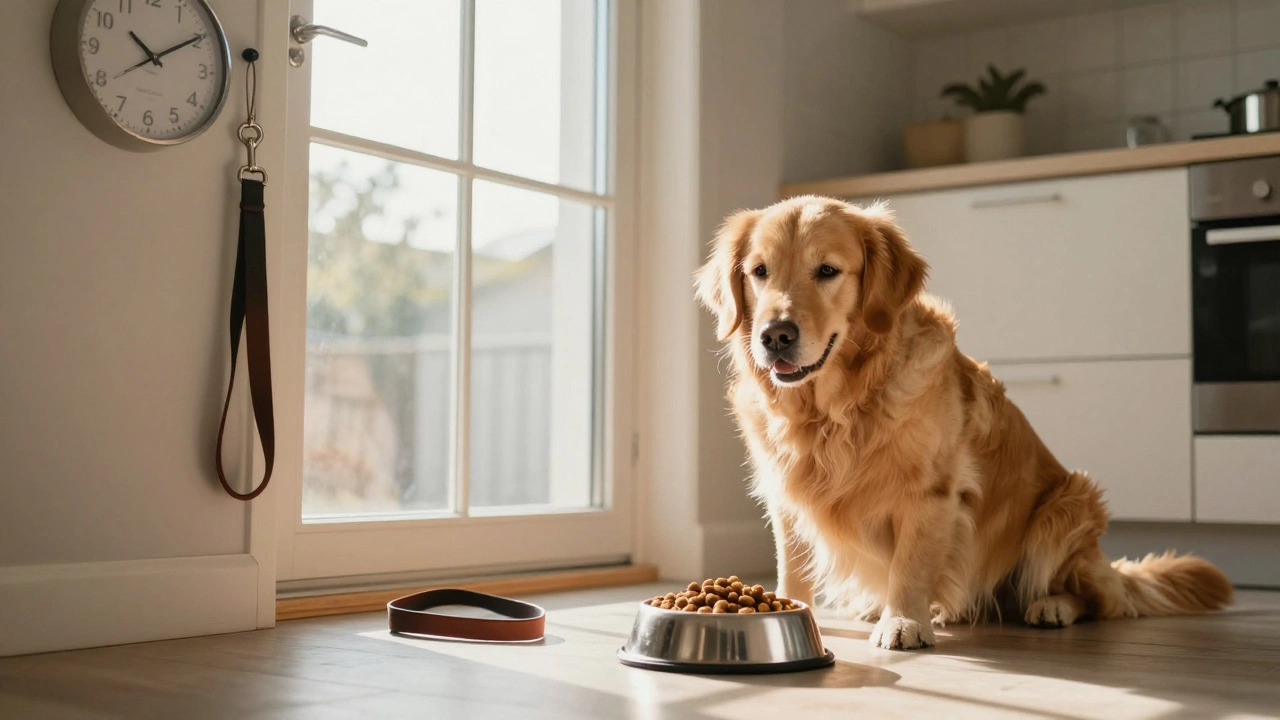
Best Time to Feed a Dog: Morning or Evening?
Learn whether feeding your dog in the morning or evening is better for their health, digestion, and behavior. Find the ideal feeding schedule based on age, breed, and lifestyle.
Popular posts