Dog Food Ingredient Checker
Check Your Dog Food
Enter your dog food brand or ingredients to see if it contains potentially harmful components discussed in the Beneful lawsuit.
Recommended Alternatives
Consider brands that:
- Use real meat as first ingredient
- Avoid corn, soy, wheat
- Contain no artificial preservatives
Popular alternatives: Orijen, Acana, The Honest Kitchen, Wellness Core
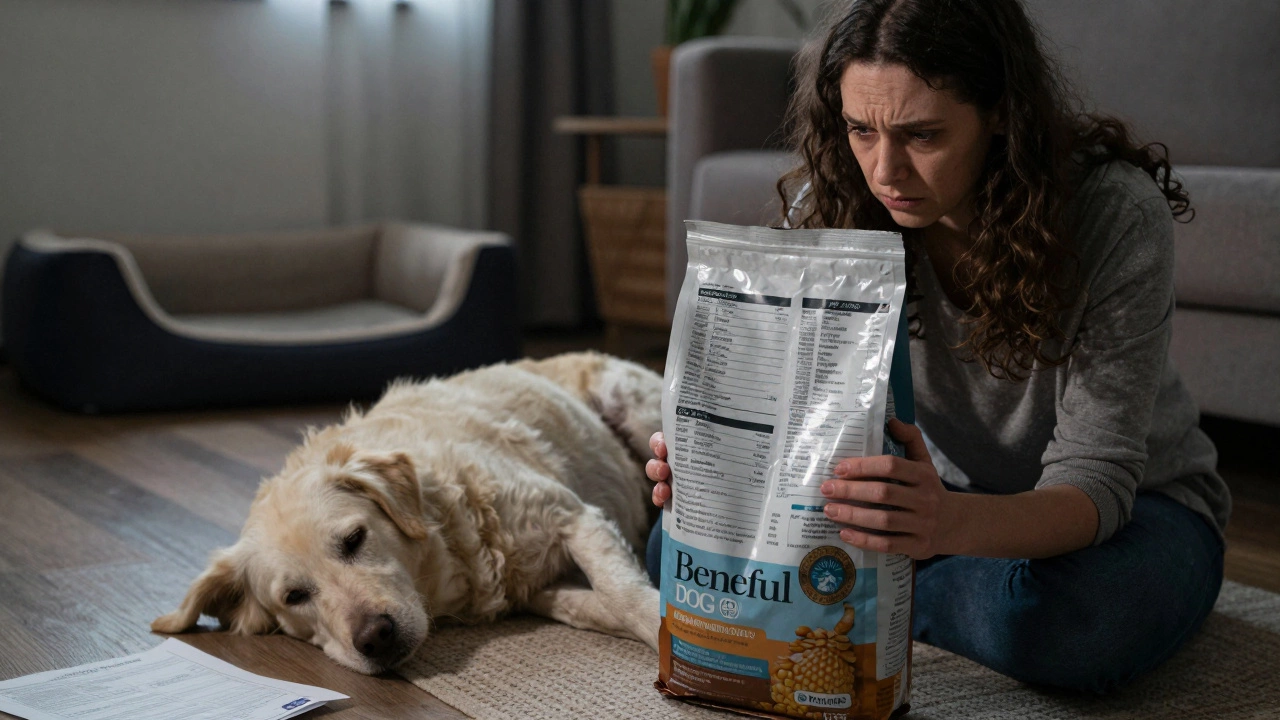
For over a decade, pet owners have been asking: Is Beneful dog food safe? The answer isn’t simple, but the lawsuits tell a clear story. In 2010, a class-action lawsuit claimed that Beneful dog food caused serious illness and even death in dogs due to toxic ingredients. The allegations weren’t vague rumors-they pointed to specific chemicals found in the food, including propylene glycol, mycotoxins, and insufficient nutritional labeling. Thousands of dog owners joined the case, sharing heartbreaking stories of pets vomiting, having seizures, or dying after eating Beneful.
What Exactly Was Alleged in the Lawsuit?
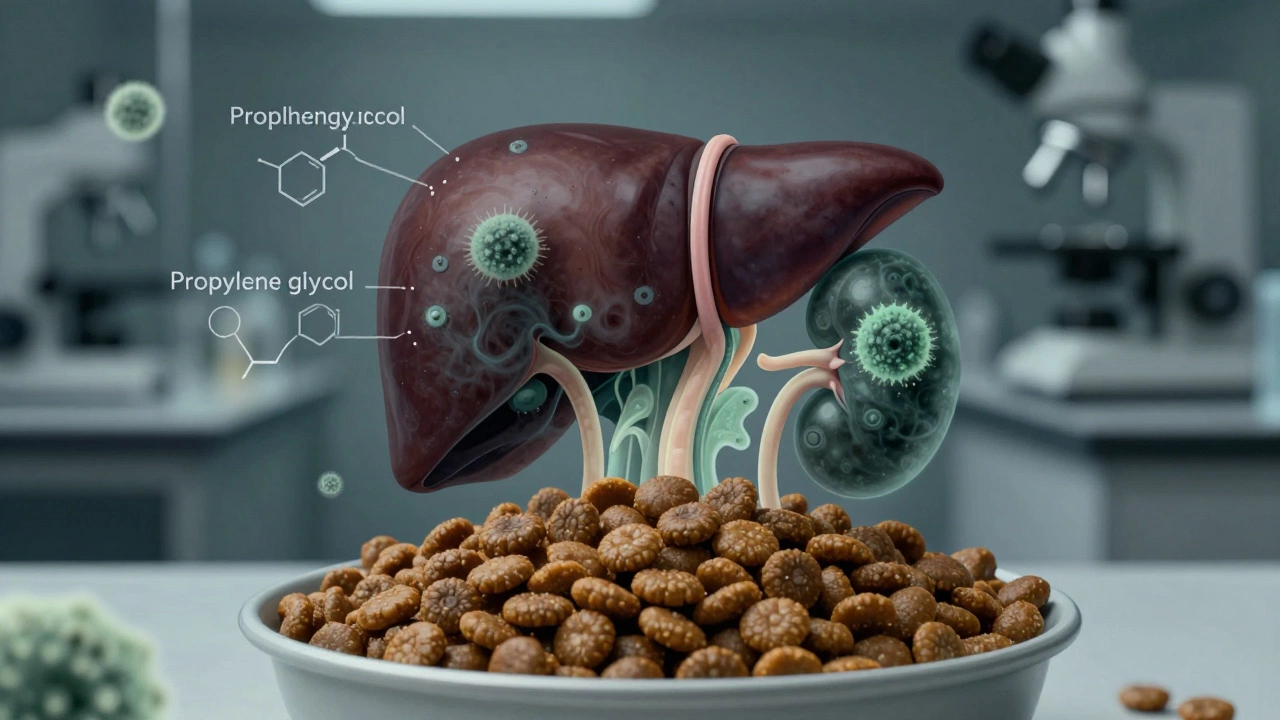
The core claim was that Beneful contained harmful substances that weren’t properly disclosed. Propylene glycol, a chemical used in antifreeze and some human foods, was present in some Beneful formulas. While the FDA allows it in small amounts in cat food, it’s banned in dog food in the U.S. because it can damage red blood cells and cause organ stress. Pet owners reported that their dogs developed liver failure, kidney damage, and neurological symptoms after eating the food for just weeks.
Another major issue was mycotoxins-poisonous substances made by mold that can grow on grains like corn and wheat. These were found in multiple batches of Beneful, especially in dry kibble. The lawsuit claimed Purina knew about the contamination but continued to sell the product without warning. One study by a veterinary toxicologist showed that dogs fed Beneful had significantly higher levels of liver enzymes, a sign of organ damage, compared to dogs fed other brands.
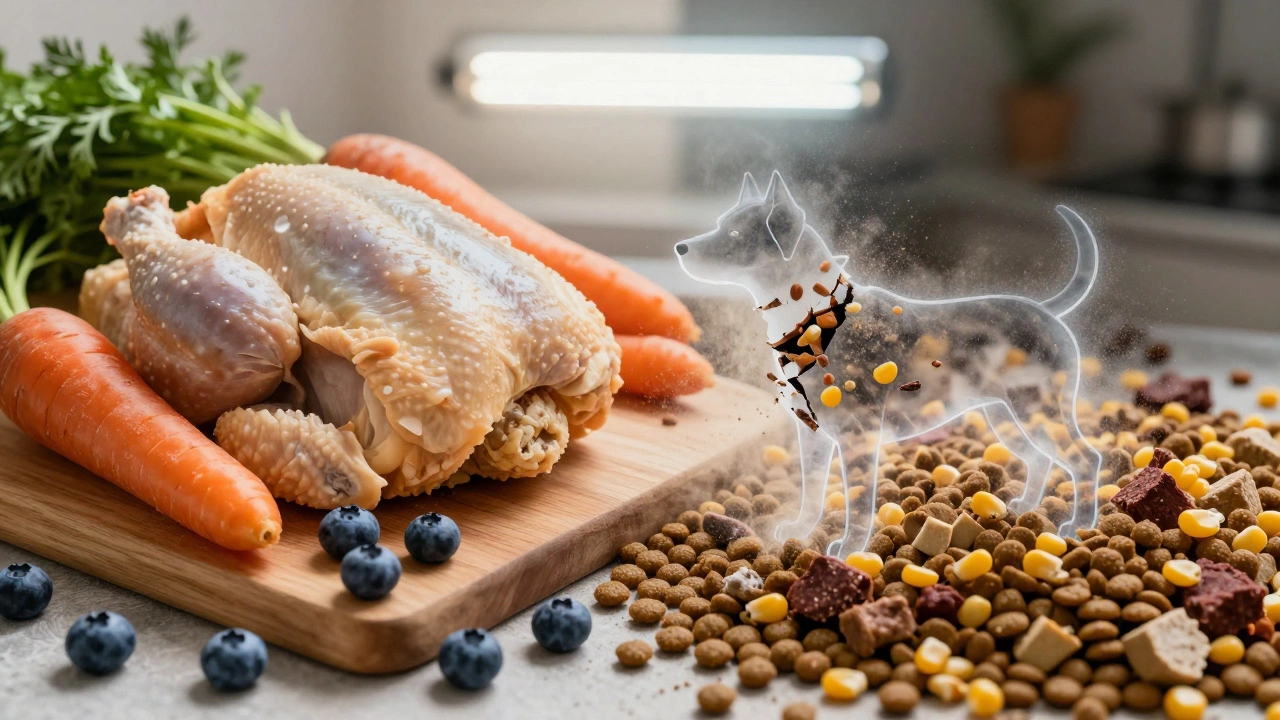
There was also a claim of false advertising. The packaging showed images of real meat, vegetables, and fruits, implying the food was made with fresh, whole ingredients. But lab tests revealed that most of the protein came from low-quality meat by-products and plant fillers. The lawsuit argued this misled consumers into thinking they were feeding their dogs premium nutrition.
What Happened in Court?
Purina denied all allegations, insisting Beneful met or exceeded FDA safety standards. They pointed out that millions of dogs ate Beneful without issue and that the FDA had never issued a recall. In 2015, a federal judge dismissed the main class-action lawsuit, saying the plaintiffs didn’t provide enough scientific proof that Beneful directly caused the illnesses. The court said symptoms could have been caused by other factors-like underlying health conditions, environmental toxins, or even other foods.
But the case didn’t end there. In 2016, a separate lawsuit filed in California claimed Purina engaged in deceptive marketing by using the word “natural” on labels when the food contained artificial preservatives and synthetic additives. That case was settled in 2017, with Purina agreeing to change its labeling and pay $1.2 million in consumer refunds-not an admission of guilt, but a way to resolve the dispute.
Despite the legal outcomes, the damage to trust was done. Pet owners who lost dogs to unexplained illnesses didn’t need a court ruling to believe something was wrong. Online forums filled with photos of sick dogs, vet bills, and funeral arrangements. The emotional toll on families was real, even if the courts couldn’t prove direct causation.
Did the FDA Ever Act?
The FDA did investigate. Between 2010 and 2015, they received over 1,500 complaints about Beneful-related illnesses. They tested hundreds of samples and found traces of mycotoxins in some, but not consistently enough to justify a recall. The agency concluded that the levels were within acceptable limits and that no pattern of contamination could be confirmed. They also stated that propylene glycol was not found in the dry kibble versions, only in some wet food formulas-and even then, at levels below the legal limit.
But critics argue that “acceptable limits” don’t mean safe for long-term consumption. Dogs live 10 to 15 years. Their bodies aren’t designed to process low-grade fillers and preservatives daily. One veterinarian in Ohio reviewed 42 cases of dogs that died after eating Beneful and found that 37 had liver or kidney damage consistent with toxin exposure. He published his findings in a peer-reviewed journal, but Purina dismissed it as anecdotal.
Is Beneful Still on the Market?
Yes. Beneful is still sold in stores across the U.S. and Canada. Purina reformulated some recipes after the lawsuits, removing propylene glycol from dry formulas and reducing corn content. They now label their products as “no artificial colors or flavors.” But the core ingredients remain the same: ground corn, chicken by-product meal, soybean meal, and wheat gluten. These are cheap fillers that provide calories but little biological value for dogs.
Many veterinarians now advise against feeding Beneful. Dr. Lisa A. Pierson, a board-certified veterinary nutritionist, says: “Dogs are carnivores. Their digestive systems aren’t built to handle 40% of their diet coming from corn and soy. Feeding them this way long-term stresses the liver and pancreas.” She recommends whole-food diets with real meat as the first ingredient, not a by-product.
What Should Dog Owners Do Now?
If you’ve been feeding Beneful, don’t panic. But do take action. First, check the ingredient list on your bag. If you see corn, soy, wheat, or by-products listed before meat, it’s time to switch. Look for foods where a named meat-like chicken, beef, or lamb-is the first ingredient. Avoid anything with “meal” unless it’s specified as “chicken meal” or “beef meal” from a single source.
Second, watch for signs of illness. Lethargy, vomiting, diarrhea, yellow gums, or increased thirst can signal liver or kidney trouble. If your dog shows these symptoms, visit a vet and bring the food bag. Ask for a blood panel to check liver enzymes and kidney values.
Third, consider switching to a brand with transparent sourcing. Companies like The Honest Kitchen, Orijen, or Wellness Core use whole ingredients and publish lab results. They don’t hide behind vague terms like “natural” or “with real meat.” They show you exactly what’s inside.
Why Does This Matter Beyond Beneful?
The Beneful case isn’t just about one brand. It’s about how pet food regulation works-and how little oversight exists. The FDA doesn’t require pre-market approval for dog food. Companies can launch products with any ingredients they want, as long as they don’t immediately kill the dog. Toxicity studies? Rare. Long-term feeding trials? Almost never.
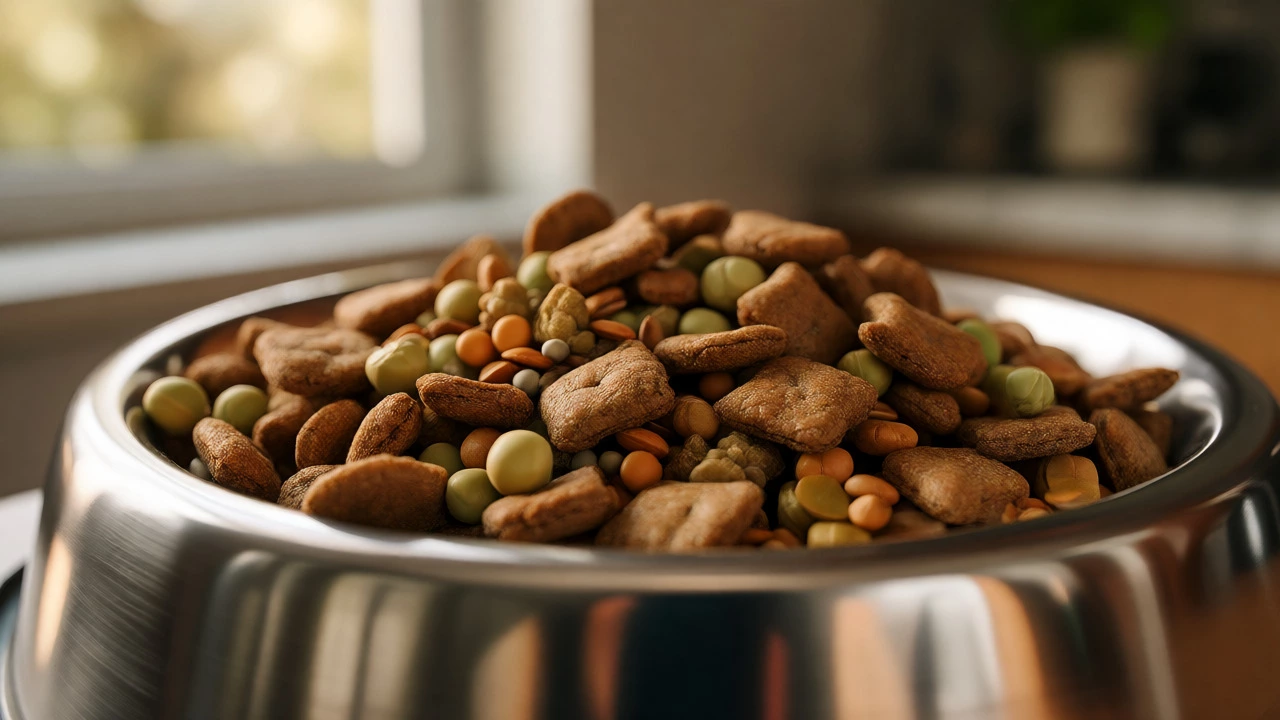
What’s more, the pet food industry spends billions on marketing that makes food look healthy. Bright colors, photos of fresh ingredients, and words like “premium” or “holistic” are designed to trigger emotional responses-not to reflect nutritional quality. The truth? Most dry kibble is a processed mix of low-cost grains, fillers, and meat by-products, pressed into shape and sprayed with artificial flavors to make it palatable.
Feeding your dog the right food isn’t about cost. It’s about understanding what their body actually needs. Dogs evolved to eat meat, not corn. Their digestive tracts are short. They can’t break down plant material the way humans can. When you feed them food full of fillers, you’re asking their organs to work overtime. Over time, that leads to chronic disease.
The Beneful lawsuits didn’t just challenge a company. They challenged the entire system. And while the courts didn’t rule in favor of pet owners, the public did. Sales of Beneful dropped by 22% between 2012 and 2016. More people started reading labels. More vets began talking about nutrition. And more brands started offering cleaner ingredients.
Final Thoughts
The lawsuit against Beneful wasn’t about one bad batch. It was about a pattern: selling low-quality food under the guise of nutrition. Even if the courts didn’t prove direct harm, the evidence from thousands of pet owners, veterinarians, and independent labs tells a different story. Your dog deserves better than fillers, preservatives, and misleading labels.
Don’t wait for another lawsuit to make a change. Look at your dog’s food. Ask yourself: Would I eat this? If the answer is no, it’s time to switch. Your dog’s health depends on it.
Was Beneful dog food ever recalled?
No, Beneful was never officially recalled by the FDA or Purina. Despite thousands of complaints about illness and death in dogs, regulators concluded that the levels of contaminants like mycotoxins were within legal limits. Purina maintained that their products met all safety standards, and no mandatory recall was issued.
Is Beneful still safe to feed my dog today?
Many veterinarians advise against it. While Purina removed propylene glycol from dry formulas and changed some labels, the core ingredients-corn, soy, wheat gluten, and meat by-products-remain. These are low-quality fillers that provide empty calories and can stress your dog’s liver and kidneys over time. If you want to support long-term health, choose a food with real meat as the first ingredient and no artificial additives.
What are the most dangerous ingredients in Beneful?
The top concerns are corn, soy, and wheat gluten-cheap fillers that are hard for dogs to digest. Meat by-product meal is another red flag; it can include feathers, beaks, and other unusable parts. Propylene glycol was removed from dry formulas but was previously used in wet food and is banned in dog food by the FDA. Mycotoxins from moldy grains have also been detected in multiple batches.
How can I tell if my dog’s food is healthy?
Check the ingredient list. The first ingredient should be a named meat like chicken, beef, or lamb-not “meat meal” or “by-product.” Avoid foods with corn, soy, wheat, or artificial colors/flavors. Look for brands that publish lab results or have AAFCO nutritional adequacy statements. If the ingredient list is longer than 10 items, it’s likely full of fillers.
What are better alternatives to Beneful?
Brands like Orijen, Acana, The Honest Kitchen, Wellness Core, and Blue Buffalo Simple are known for using whole, real ingredients. They avoid corn, soy, and artificial additives. Many use single-protein sources and include vegetables and fruits as natural nutrients. Always choose a food that matches your dog’s age, size, and activity level.