Dog Grooming Safety Checker
Safety Analysis
Most dog owners think grooming is just about making their pup look neat. But if you cut the wrong thing, you could hurt your dog-or worse, cause a medical emergency. I’ve seen too many cases where well-meaning owners trimmed too close, panicked when blood appeared, and ended up in the vet’s office. It doesn’t have to be that way.
Never Cut the Quick in the Nails
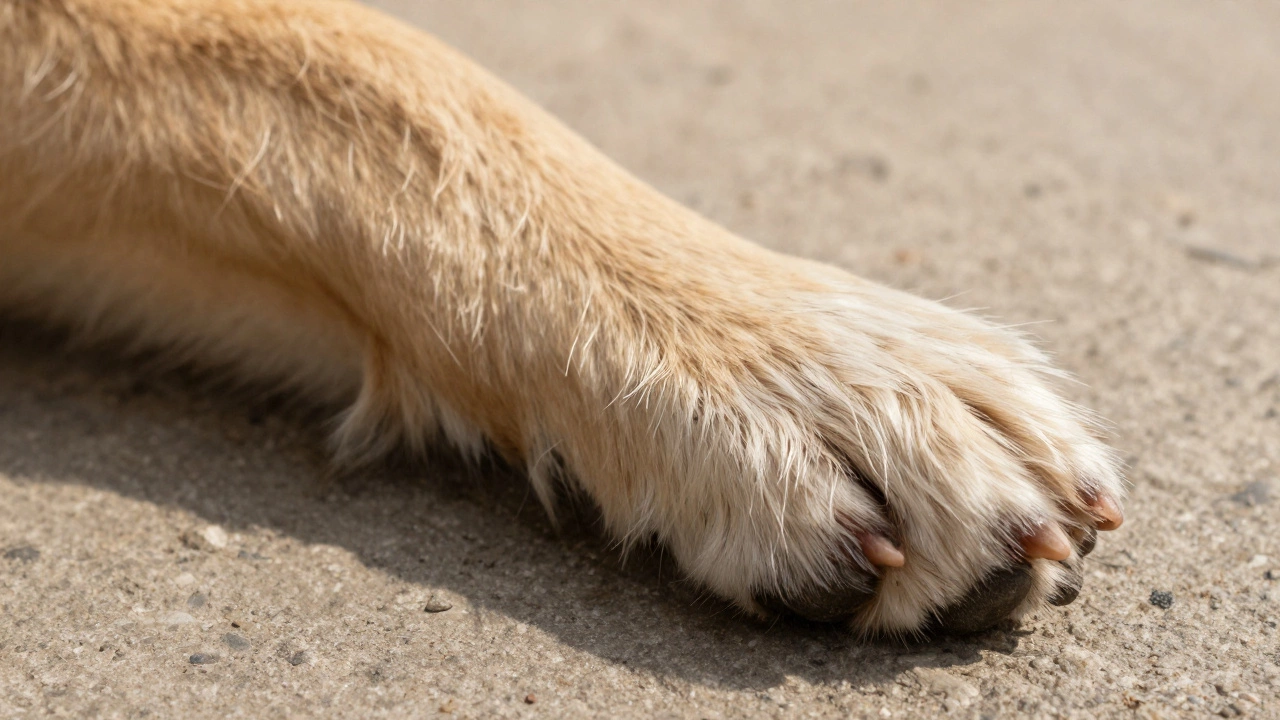
The quick is the pink part inside your dog’s nail. It’s full of nerves and blood vessels. Cut into it, and your dog will yelp, bleed, and associate grooming with pain. That makes future sessions a nightmare.
Light-colored nails make the quick easy to spot. It looks like a pink triangle running up the center. Dark nails? That’s trickier. Use a flashlight to shine through the nail. If you see a shadow or dark spot, stop. Leave at least 2mm of nail beyond that point. Most pet stores sell nail grinders-these are safer than clippers for beginners. You don’t need to cut all the way down. Just file off the sharp tip. Dogs in the UK often have harder nails from walking on pavement, so they don’t need trimming as often as you think.
Don’t Shave Down to the Skin
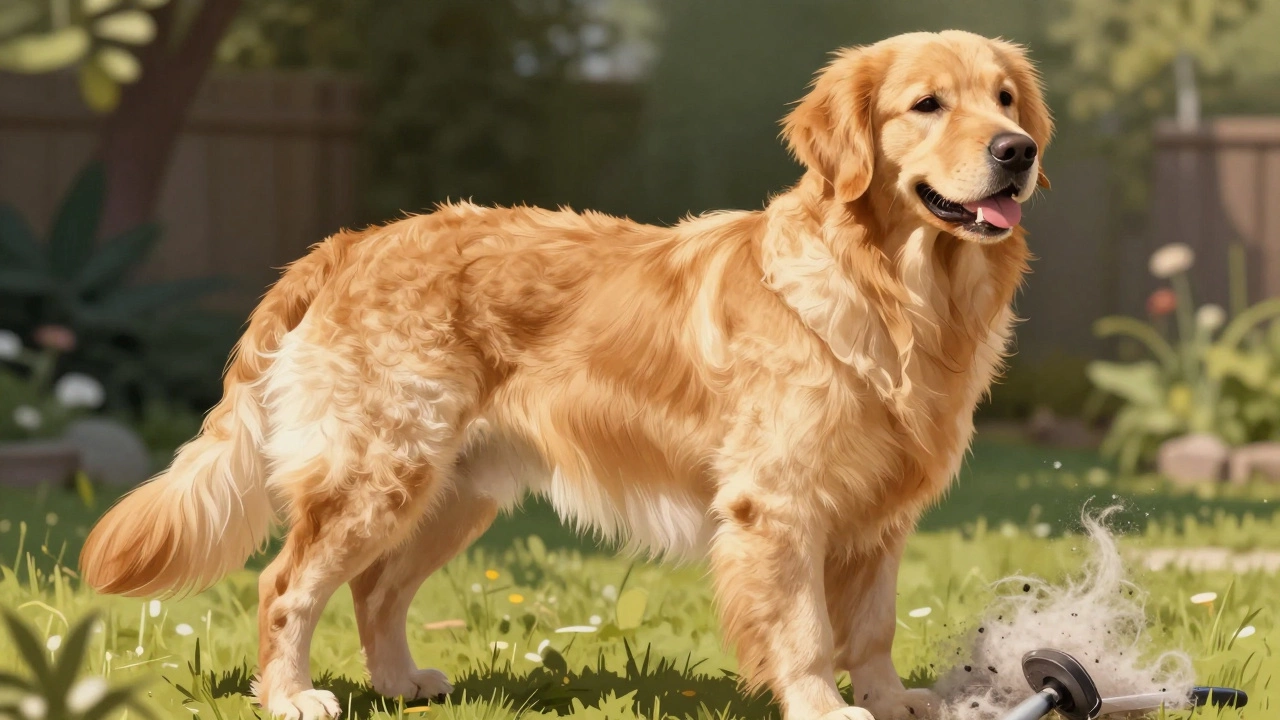
Some people think shaving a double-coated breed like a Husky or Golden Retriever will keep them cool in summer. It won’t. And it can permanently damage their coat.
Double-coated dogs have two layers: a soft undercoat for insulation and a coarser topcoat that protects against sun, dirt, and moisture. Shaving removes the topcoat. What grows back is often patchy, softer, and loses its natural water-repelling quality. Some dogs never recover full coat density. That’s not just cosmetic-it leaves them vulnerable to sunburn, insect bites, and overheating.
Instead of shaving, brush out the undercoat with an undercoat rake. Do it weekly during shedding season. Use a de-shedding tool like the Furminator. That removes dead hair without touching the guard hairs. Your dog will stay cooler, healthier, and look better.
Avoid Cutting the Whiskers
Whiskers aren’t just long hairs. They’re sensory organs. Each one connects to nerve endings deep in your dog’s face. They help your dog sense air movement, judge tight spaces, and even detect emotions in other animals.
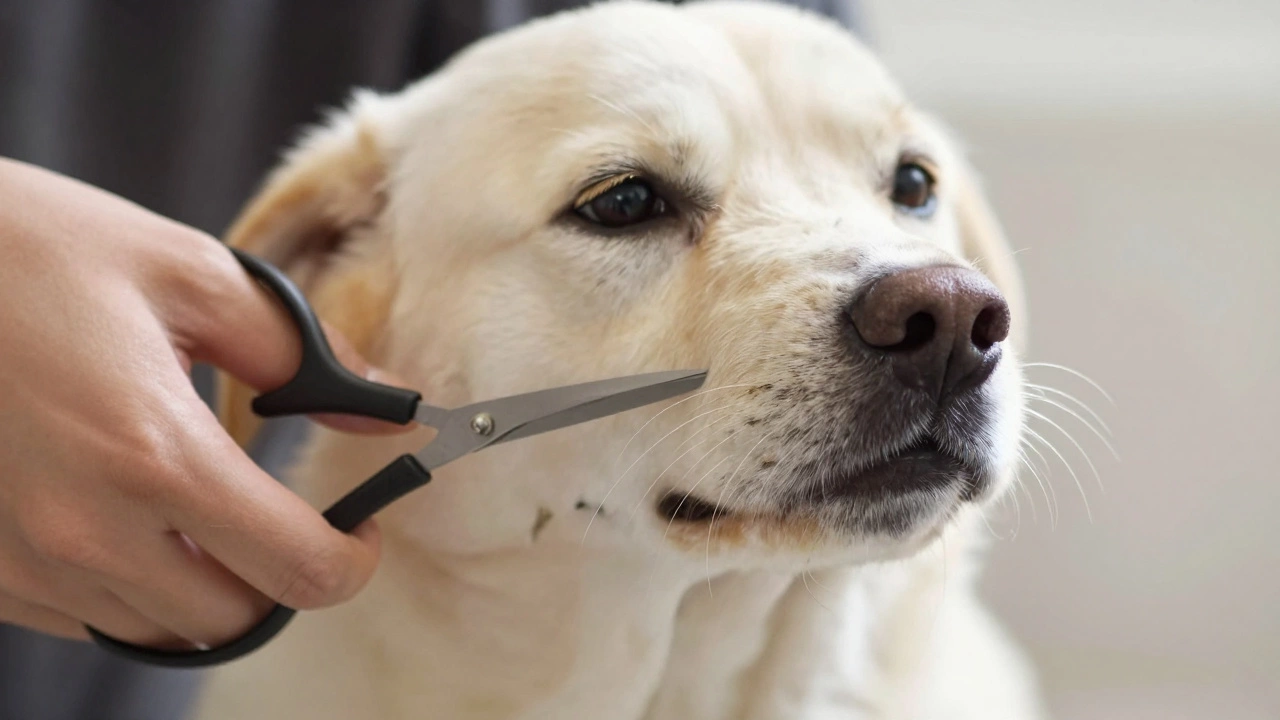
Trimming whiskers doesn’t make your dog look cuter-it makes them disoriented. I’ve watched dogs bump into walls after their whiskers were snipped. They hesitate before jumping off curbs. They seem confused in new rooms. That’s because they’ve lost part of their spatial awareness.
Whiskers grow back, sure. But why risk it? Unless they’re matted with food or dirt (which is rare), leave them alone. If you’re grooming around the face, use blunt-tipped scissors and work slowly. Keep your fingers between the scissors and the skin. You’re not trimming for style-you’re cleaning up stray hairs.
Don’t Trim Between the Paw Pads
Some groomers shave the hair between the paw pads to prevent slipping. But most dogs don’t need it. The hair there acts like a natural snow boot-it protects against ice, salt, and sharp stones.
Only trim if the hair is long enough to curl under the pads. That can cause discomfort or even infections. Use small, sharp scissors. Hold each paw gently. Cut only the hair that sticks out past the pad’s edge. Don’t shave it flat. Leave a light fuzz. That’s enough for traction without exposing sensitive skin.
After walks in winter, check your dog’s paws. Salt and grit can get trapped. Rinse them with warm water. Dry thoroughly. That’s more important than trimming.
Never Cut the Ear Hair Without a Vet’s Advice
Some breeds like Poodles, Shih Tzus, and Bichons have hair growing inside their ear canals. It’s normal. But it can trap moisture and lead to infections.
Don’t pluck or cut it yourself. That’s a job for a professional groomer-or better yet, your vet. If you tug on ear hair without knowing the anatomy, you can irritate the canal, cause pain, or even rupture the eardrum. Ear infections are painful and expensive to treat.
If your dog shakes their head often or smells funny from the ears, see a vet. They’ll check for infection and tell you if ear hair needs removal. If so, they’ll do it safely with the right tools. Never assume your dog needs this. Most don’t.
Don’t Cut Around the Tail or Anus Without Care
It’s common to tidy up the hair around the rear end. But this area is sensitive. You’re close to the anus, genitals, and anal glands-all of which can be easily irritated.
Use rounded-tip scissors. Never use electric clippers here unless you’re trained. The skin is thin. One slip, and you nick the skin. That can lead to infection or even anal gland rupture.
Only trim the hair that’s visibly dirty or matted. Keep it short enough to prevent feces from sticking, but don’t shave it bare. A light trim is enough. If your dog has diarrhea often, talk to your vet. That’s a health issue, not a grooming one.
Don’t Rush or Force It
The biggest mistake isn’t cutting the wrong thing-it’s cutting anything at all when your dog is scared or tense.
I’ve seen dogs snap because they were held down too tight. I’ve seen owners cry because their dog ran away after a bad grooming session. Grooming should never be a battle.
If your dog tenses up, stop. Give them a treat. Walk around the house. Come back later. Work in short sessions. Five minutes a day is better than 30 minutes once a week.
Use positive reinforcement. Say their name. Reward calm behavior. Make grooming part of your routine-not a chore. Your dog will learn to trust you. That’s more valuable than a perfectly trimmed coat.
When in Doubt, Call a Pro
There’s no shame in hiring a professional. A certified dog groomer knows anatomy, breed standards, and how to handle anxious dogs. They’ve seen it all.
Look for someone with certifications from the National Dog Groomers Association of America or the UK Pet Grooming Association. Ask if they’ve worked with your breed before. Watch them handle your dog during the first visit. Do they speak calmly? Do they let your dog sniff the tools first?
For complex breeds-like Poodles, Bichons, or Schnauzers-professional grooming every 6-8 weeks saves you time, stress, and potential injury. It’s worth the cost.
What to Keep Instead of Cutting
Here’s what your dog actually needs to keep intact:
- Nail quick - the blood-rich tissue inside the nail
- Guard hairs - the outer coat that protects from sun and dirt
- Whiskers - sensory organs that help with navigation
- Paw pad hair - natural cushion and grip
- Ear canal hair - unless a vet says otherwise
- Anal area hair - only trim for hygiene, not appearance
These aren’t optional. They’re biological. Removing them doesn’t improve your dog’s health-it risks it.
Final Tip: Watch Your Dog’s Body Language
Your dog tells you everything if you know how to listen. Ears back? Tail tucked? Lip licking? That’s stress. They’re not being stubborn. They’re scared.
Stop. Wait. Try again tomorrow. Grooming isn’t about perfection. It’s about trust. A dog that feels safe will let you touch them anywhere. A dog that’s been hurt will hide when they see the brush.
Be patient. Be calm. Be kind. That’s the real grooming skill.