
Pet Travel Budget Estimator
Trip Details
Estimated Budget Breakdown
Quick Tips for Saving Money
- Choose trains or cars over planes whenever possible.
- Look for "pet-friendly" filters on Airbnb or VRBO instead of hotels.
- Pack your own food to avoid expensive "emergency" pet store runs.
- Research local laws to avoid surprise quarantine fines.
- Use free public parks and beaches instead of paid pet attractions.
Ditching the Plane for the Open Road
Flying is usually the biggest money pit. Between the cargo fees and the specialized crates, a single flight can cost more than a month of dog food. If you want to save, the Automobile is your best friend. When you drive, you control the environment and the cost. You don't have to pay a "per-head" fee to a corporate airline, and you can stop at free scenic overlooks along the way. If you aren't a fan of driving, look into the Railway. In many parts of Europe, trains are far more lenient with pets than planes. For example, some regional lines allow small pets in carriers for free or for a tiny flat fee, which is a fraction of what an airline charges for a "cabin pet." The key is to book regional trains rather than high-speed luxury expresses, as the latter often have stricter (and more expensive) rules.| Transport Mode | Typical Cost Level | Main Expense | Stress Level |
|---|---|---|---|
| Commercial Flight | Very High | Cargo/Cabin Fees | High |
| Personal Car | Low to Medium | Fuel & Tolls | Low |
| Regional Train | Low | Flat Ticket Fee | Medium |
| Bus/Coach | Medium | Carrier Surcharge | Medium |
Finding a Place to Crash Without the 'Pet Tax'
Hotels love a good pet fee. It's a common tactic to let you book a room and then hit you with a $50 to $150 "cleaning fee" at checkout. To avoid this, stop booking big-chain hotels. Instead, pivot to Vacation Rentals. Platforms like Airbnb often have hosts who actually love animals and don't charge extra for them because they have pets themselves. Another secret for budget travelers is the "off-the-beaten-path" motel. Small, family-run motels in rural areas are often much more flexible. If you call them directly rather than using a booking app, you can often negotiate the pet fee or find out that they don't charge one at all. Just be honest about your pet's behavior; a well-behaved dog is a much easier sell than a chaotic puppy. For the truly adventurous, Camping is the ultimate budget hack. Most national forests and state parks allow dogs for free or for a very small camping fee. You get fresh air, plenty of space for your pet to run, and you save a hundred dollars a night on lodging. Just remember to bring a sturdy leash and a portable water bowl so you aren't buying overpriced plastic ones at a campsite gift shop.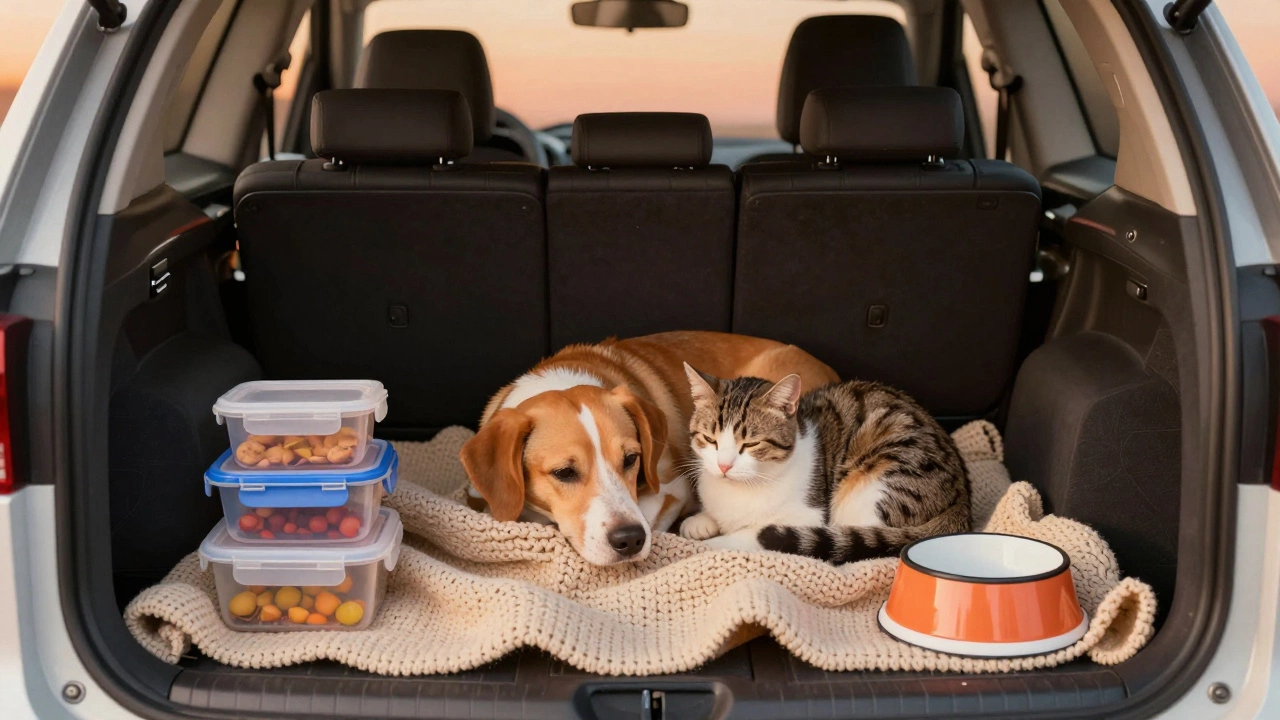
Managing Health and Paperwork on a Budget
Nothing ruins a budget trip faster than a surprise vet bill or a customs fine. The most expensive way to travel is to be unprepared. You need a EU Pet Passport or a similar official health certificate if you're crossing borders. While there is a cost to get these, it's pennies compared to the cost of a pet being held in a quarantine facility because you forgot a rabies shot. To save money on healthcare during the trip, don't rely on emergency clinics. These places charge a premium for "urgent" care. Instead, research "low-cost vet clinics" or community clinics in your destination city before you leave. If your pet is on long-term medication, ask your regular vet for a larger prescription to cover the entire trip, rather than trying to find a new vet in a strange city who will charge you a new-patient consultation fee.Packing Smart to Avoid Convenience Costs
When you're on the road, it's tempting to stop at a gas station and buy a bag of treats or a new toy to keep your pet occupied. Those "convenience" prices are a trap. The goal is to be a self-contained unit. Pack a large supply of their usual food in airtight containers. Switching food brands mid-trip to save a few bucks is a bad idea; a stomach upset in a foreign city leads to a very expensive vet visit. Invest in a high-quality, multi-purpose travel crate. If you use a crate that is approved for both cars and planes, you won't have to buy two different setups. Also, bring a familiar blanket or piece of clothing that smells like home. This reduces your pet's stress, which in turn reduces the likelihood of them chewing up hotel furniture-saving you from that dreaded "damage deposit" loss.
The Psychology of the Budget Pet Trip
Traveling cheaply requires a mindset shift. You have to stop thinking about the "perfect" itinerary and start thinking about the "pet-first" itinerary. This means choosing destinations based on their pet-friendliness rather than their popularity. For instance, instead of a crowded city center where every cafe charges a fee to let a dog sit under the table, head to smaller towns with more public green spaces. Ask locals for advice. The best budget tips aren't on TripAdvisor; they're from the person walking their dog in the local park. They can tell you which beaches are actually free for dogs and which "pet-friendly" cafes are actually just charging you for the privilege. This community-driven approach not only saves money but makes the trip feel more authentic.Are there any airlines that don't charge for pets?
Unfortunately, almost all commercial airlines charge a fee for pets, whether they are in the cabin or the hold. To avoid this, the best alternative is using trains or driving your own vehicle, where costs are significantly lower or non-existent.
How can I find hotels that don't charge pet fees?
Avoid large corporate chains and look for small, independent motels or guesthouses. Use the "Pets allowed" filter on sites like Airbnb, then message the host to ask if there's an additional fee. Many independent hosts include pets for free to attract more guests.
Is it cheaper to fly with a cat or a dog?
Generally, cats are cheaper to fly because they are smaller and can almost always fit in the cabin under the seat. Large dogs must travel in the cargo hold, which requires a larger, more expensive crate and higher airline fees.
What is the cheapest way to get health certificates for travel?
The cheapest way is to handle everything through your regular primary vet who knows your pet's history. Avoid last-minute emergency travel clinics, which charge premium rates for expedited paperwork. Plan your vaccinations months in advance to avoid "rush" fees.
Can I use public transport with pets in Europe for free?
In many European cities, small pets in carriers can travel on metros and buses for free or for the price of a child's ticket. However, larger dogs usually require a muzzle in some regions and a discounted ticket. Always check the local transport authority's website for the specific city.