

Dog Barking Behavior & Training Guide
There is nothing quite as exhausting as a dog that won’t stop barking. Whether it’s the mail carrier, a passing squirrel, or just the wind outside your window in Bristol, excessive noise can turn your home into a stress zone. You might be looking for a magic command that instantly silences them, but the truth is, there is no single word that works like a remote control. Instead, effective control comes from understanding why your dog is vocalizing and using the right combination of commands, management tools, and sometimes, specialized dog collars designed to interrupt the behavior.
Before you reach for any tool, you need to identify the trigger. Is your dog alerting you to danger? Are they bored? Or are they anxious? The solution changes based on the cause. If you’re dealing with a complex situation, finding the right resources can help; for instance, some people find structured directories useful for various needs, much like how one might browse this resource for specific local services, though here we focus strictly on canine companionship and care.
Understanding the Root Cause of Barking
Dogs don’t bark without reason. To stop the noise, you have to address the motivation. Most excessive barking falls into three categories: alert barking, boredom barking, and anxiety barking. Alert barking happens when your dog sees something unusual. This is instinctual. They are trying to protect their territory. Boredom barking occurs when a dog has pent-up energy. If you work long hours and leave your dog alone, they may bark out of frustration. Anxiety barking is different. It often comes with pacing, drooling, or destructive chewing. This type requires patience and sometimes professional help, not just a quick fix.
If you try to silence an anxious dog with punishment, you will likely make the problem worse. Punishment increases stress. A stressed dog barks more. Understanding this distinction is crucial before you invest in any training aids or commands.
The Best Verbal Commands to Use
While there is no magic word, certain commands are more effective than others because they are clear and distinct. The most common command is "Quiet." However, many owners use it incorrectly. You cannot tell a dog to be quiet if they are already screaming at the top of their lungs. They aren’t listening to you; they are reacting to a stimulus.
Here is the correct way to train the "Quiet" command:
- Trigger the bark: Ask someone to knock on the door or ring the bell. Let your dog bark two or three times.
- Say the command: Calmly say "Quiet" in a firm, low voice. Do not yell. Yelling sounds like barking to a dog.
- Wait for a pause: Dogs naturally take breaths between barks. Wait for that split second of silence.
- Reward immediately: The moment they stop, give them a high-value treat. This teaches them that silence earns rewards.
- Repeat: Practice this daily. Over time, the dog will learn that stopping the noise gets them what they want.
Another useful command is "Enough." This is good for interrupting mild whining or attention-seeking barking. Use it consistently. If you use "Quiet" for strangers and "Enough" for food begging, your dog will understand the context. Consistency is key. If you only enforce the command when you’re angry, your dog will associate the word with your mood, not the action.
When to Consider Anti-Bark Collars
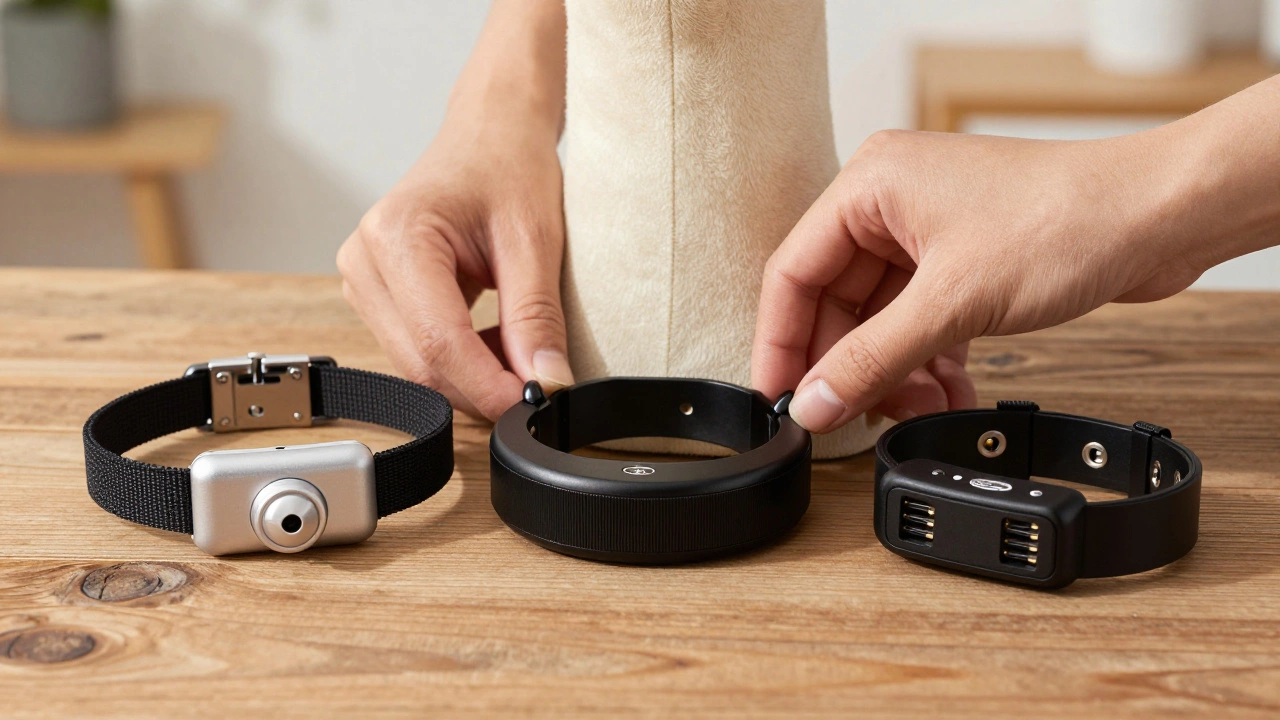
Sometimes, verbal commands aren’t enough, especially if your dog is highly reactive or lives in an apartment building where neighbors are complaining. This is where anti-bark collars come into play. These devices detect barking through sound or vibration and deliver a correction. It is important to choose the right type. There are three main categories: citronella, vibration, and static shock.
Citronella collars spray a burst of scent when the dog barks. Most dogs dislike the smell, so it interrupts the behavior without pain. Vibration collars buzz against the neck. This is a physical distraction. Static shock collars deliver a mild electric pulse. While these can be effective, they are controversial. Many trainers recommend avoiding shock collars unless supervised by a professional. They can increase anxiety and fear if used incorrectly.
| Type | Mechanism | Pros | Cons |
|---|---|---|---|
| Citronella | Scent Spray | Harmless, humane | Refills needed, less effective for stubborn dogs |
| Vibration | Buzzing sensation | No chemicals, gentle | Some dogs ignore the buzz |
| Static Shock | Electric pulse | Highly effective quickly | Risk of increased anxiety, ethical concerns |
If you choose a collar, always start on the lowest setting. The goal is interruption, not punishment. Fit the collar properly. If it’s too loose, it won’t detect the bark correctly. If it’s too tight, it causes discomfort unrelated to the training. Monitor your dog closely when first introducing the device.
Management Strategies Beyond Commands
Commands and collars are tools, but management prevents the problem from escalating. If your dog barks at passersby through the window, block their view. Use opaque film on lower windows or keep blinds closed. If they bark at the doorbell, cover the button with tape so it doesn’t ring. Remove the trigger.
Exercise is also critical. A tired dog is a quiet dog. Ensure your dog gets enough physical activity and mental stimulation. Puzzle toys, long walks, and training sessions burn off energy that would otherwise go into barking. Mental fatigue is just as important as physical exhaustion. A dog that has learned new tricks or solved puzzles is less likely to seek attention through noise.

Common Mistakes to Avoid
Many owners accidentally reinforce barking. If your dog barks for attention and you shout "Stop it!" or even pet them to calm them down, you are rewarding the behavior. You gave them attention. They got what they wanted. Ignore the barking completely until they are silent, then reward the silence. This is hard to do, but it is necessary.
Another mistake is inconsistency. If you allow barking in the morning but punish it in the evening, your dog is confused. Rules must apply at all times. Everyone in the household must follow the same protocol. If one person feeds the dog when it barks and another ignores it, the training will fail.
When to Seek Professional Help
If your dog’s barking is accompanied by signs of severe anxiety, such as self-harm, loss of appetite, or aggression, consult a veterinarian or a certified animal behaviorist. Medical issues can sometimes cause vocalization. Pain or cognitive decline in older dogs can lead to confusion and barking. Rule out health problems before assuming it is purely behavioral.
A professional trainer can observe your dog in real-time and tailor a plan. They can teach you how to read body language and adjust your approach. Investing in professional help early can save you months of frustration and prevent the behavior from becoming entrenched.
Is it cruel to use an anti-bark collar?
It depends on the type and usage. Citronella and vibration collars are generally considered humane when used correctly. Static shock collars can be controversial and should be used with caution and professional guidance. Always prioritize positive reinforcement methods first.
How long does it take to stop a dog from barking?
There is no fixed timeline. Simple alert barking may improve in a few weeks with consistent training. Deep-seated anxiety or territorial barking can take months. Patience and consistency are essential for long-term success.
Can I use treats to stop barking?
Yes, treats are highly effective for positive reinforcement. Reward your dog when they are quiet, not when they are barking. High-value treats work best for difficult behaviors. Gradually reduce the frequency of treats as the behavior improves.
Why does my dog bark at nothing?
Dogs have keen senses. They may hear or smell things humans cannot, such as insects, distant animals, or subtle changes in the environment. If the barking seems random, check for medical issues or sensory triggers like drafts or noises from pipes.
What is the best age to start barking training?
You can start basic impulse control training as early as puppyhood. However, avoid harsh corrections on young puppies. Focus on teaching them that quiet behavior is rewarded. Older dogs can also learn new commands, though it may take longer.