Cat Dry Food Health Risk Calculator
Cats are obligate carnivores with low thirst drives. This tool helps you assess if your current feeding routine poses risks for dehydration or weight gain.
Your Cat's Profile
Risk Assessment
Vet Recommendation
Enter your cat's details to see how their dry-food-only diet impacts their long-term health.
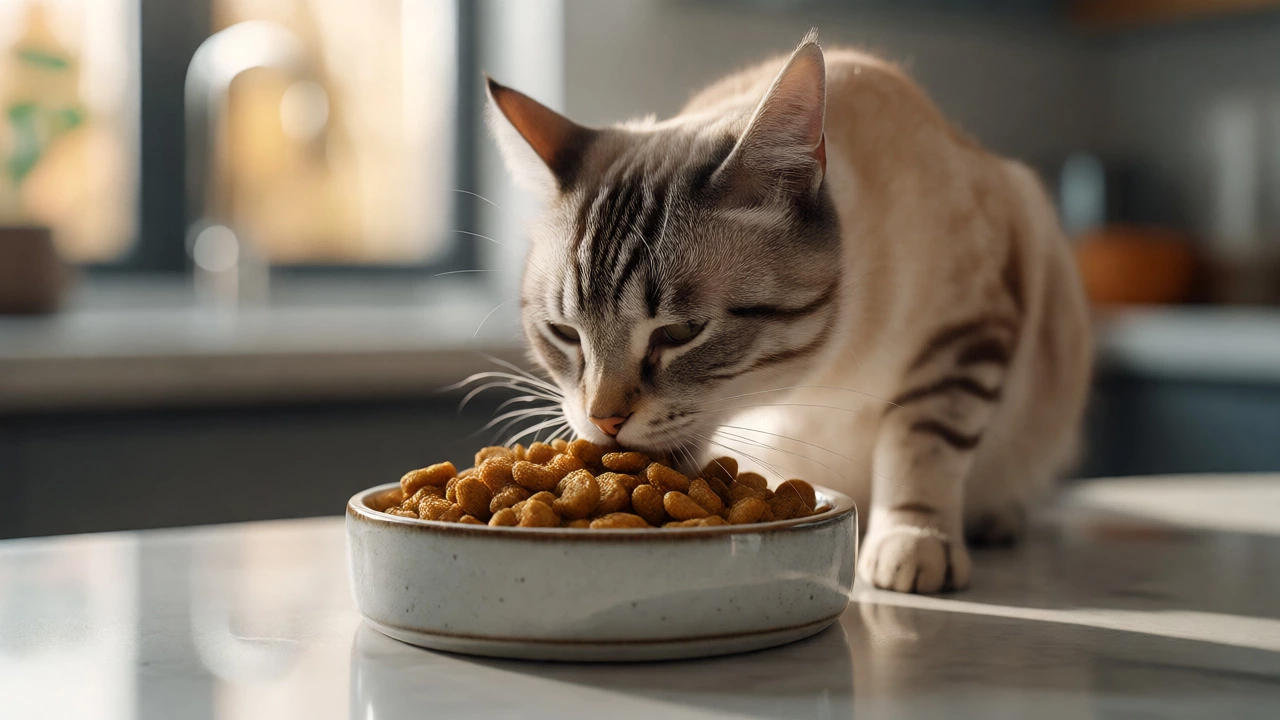
You look at that bag of crunchy kibble and wonder: is this enough? It’s convenient, it’s cheaper than the tinned stuff, and your cat seems to love the crunch. But cats aren’t dogs. They are obligate carnivores with specific biological needs that evolved in desert environments. The question isn't just whether they can survive on dry food, but whether they will thrive. The short answer is yes, many cats live long lives on dry food alone, but there are significant caveats regarding hydration, kidney health, and weight management that you need to know before you toss the wet food bin.
The Hydration Gap: Why Water Matters More Than You Think
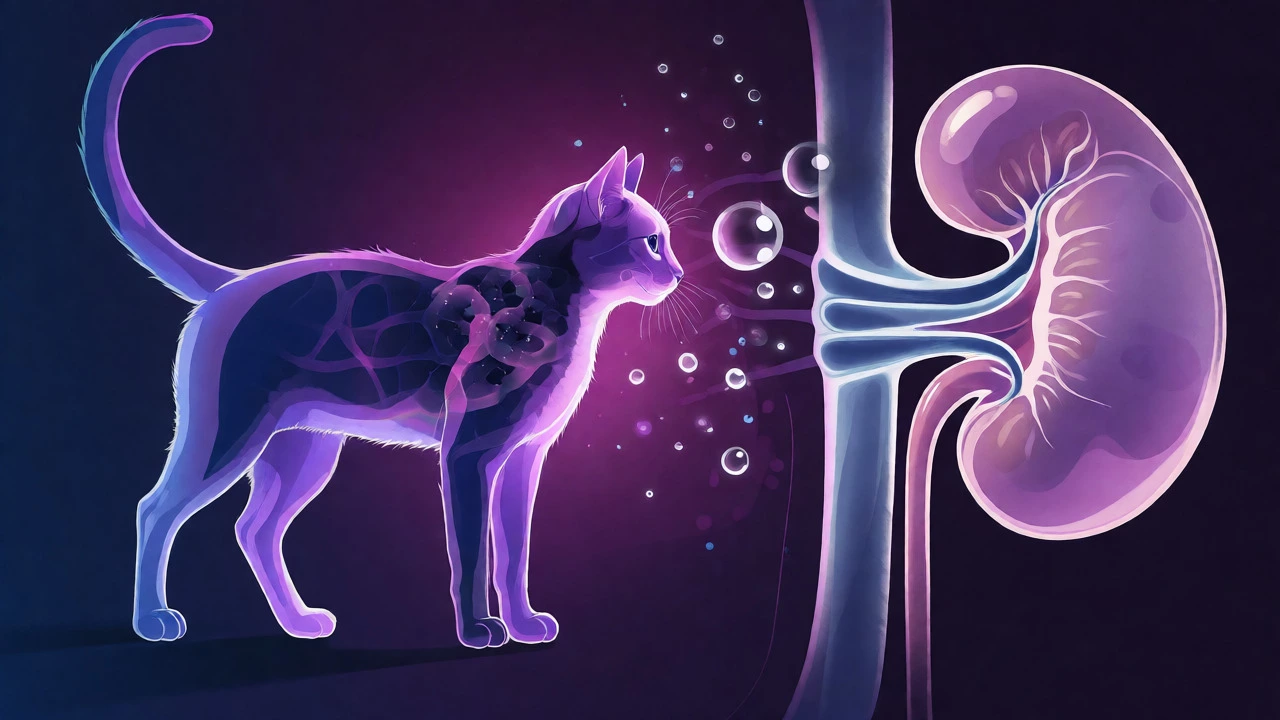
Cats have a low thirst drive. This is an evolutionary hangover from their ancestors who got most of their moisture from prey. Wild mice are about 70% water. If a cat eats only dry food, which contains roughly 10% moisture, they are constantly playing catch-up on hydration. Unlike humans or dogs, cats don't instinctively drink large amounts of water when they eat dry meals. Over time, this chronic mild dehydration puts extra strain on the kidneys and urinary tract.
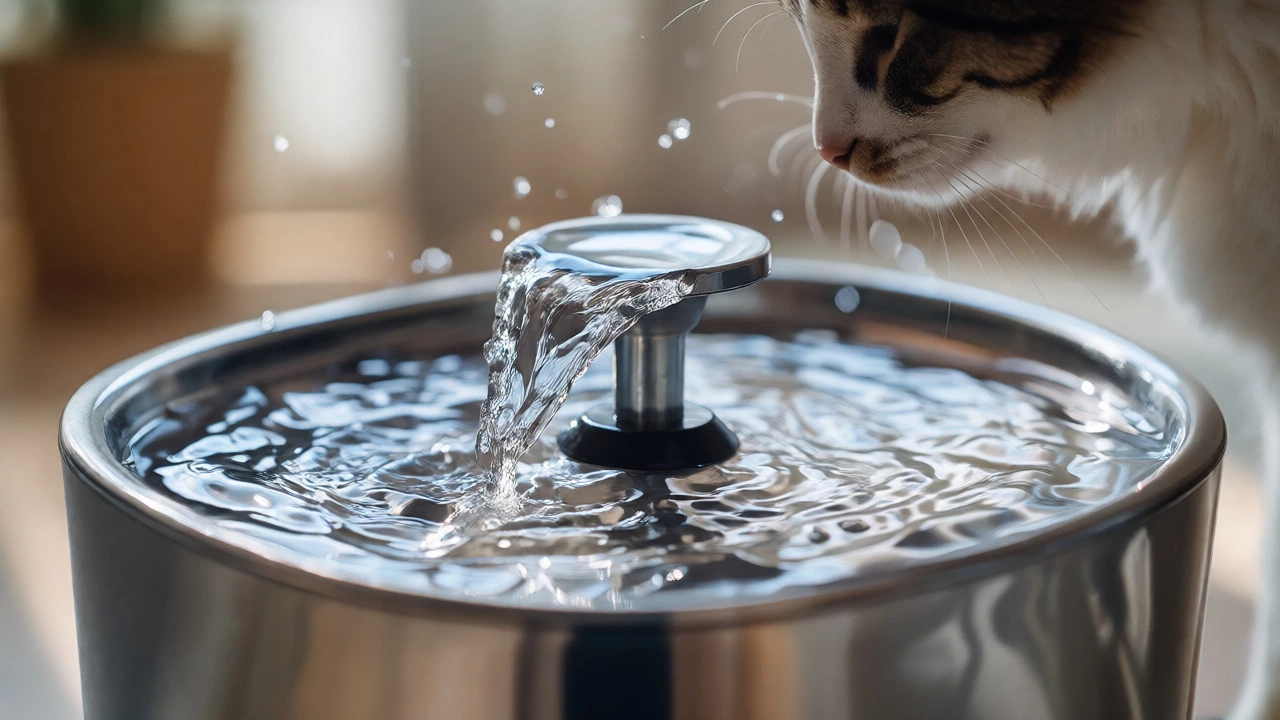
This is where the risk lies. When urine becomes too concentrated because the cat isn't drinking enough, minerals can crystallize. These crystals can lead to painful blockages, especially in male cats, or contribute to Chronic Kidney Disease (CKD) later in life. If you choose a dry-only diet, you must actively manage water intake. A fountain-style water bowl is not just a gadget; it’s a medical necessity for many indoor cats. Moving water stimulates their interest, encouraging them to drink more frequently throughout the day.
Nutritional Balance: Not All Kibbles Are Created Equal
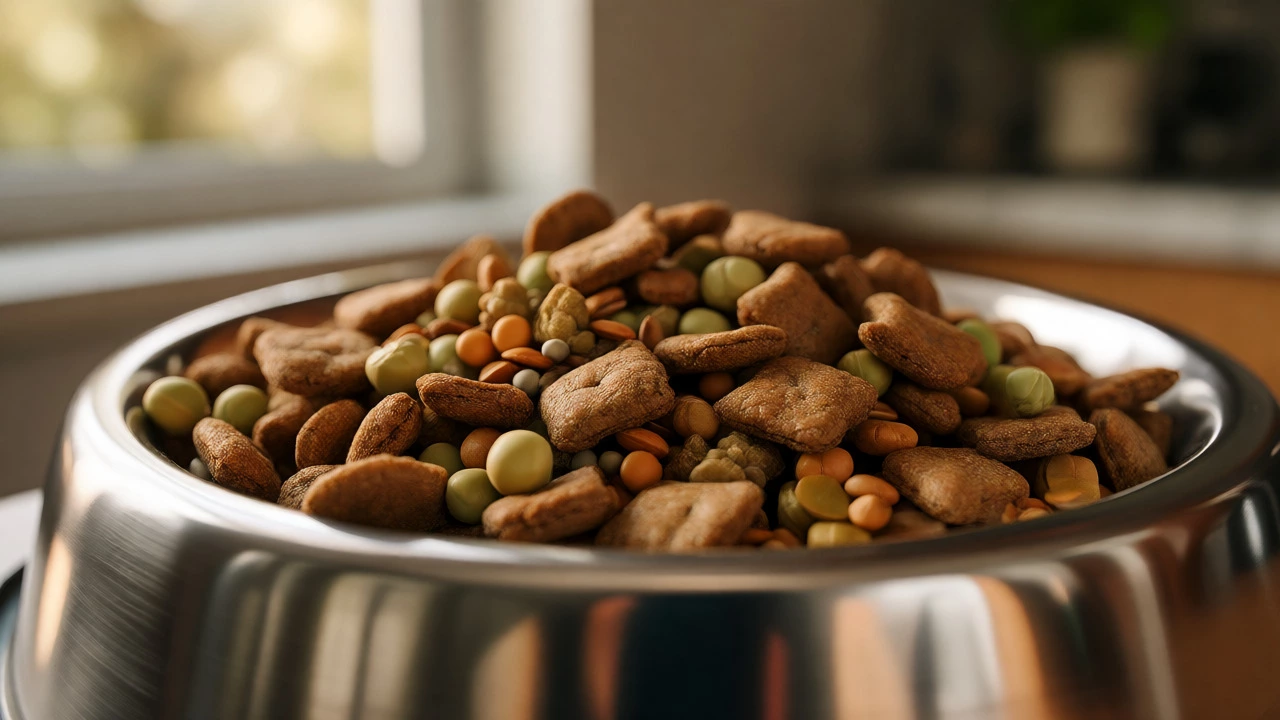
Just because a bag says "complete and balanced" doesn't mean it's high quality. The Association of American Feed Control Officials (AAFCO) sets minimum standards, but those are bare-bones survival metrics, not optimal health targets. Many cheap dry foods rely heavily on plant-based proteins like corn, wheat, or soy to hit protein percentages on paper. Cats cannot efficiently process plant proteins. They need animal-derived amino acids, particularly taurine and arginine.
If a dry food lacks sufficient animal protein, your cat might develop muscle wasting or heart issues over years. Look for ingredients where named meats (like chicken, salmon, or turkey) are the first three items listed. Avoid vague terms like "meat by-products" or "animal digest." High-quality dry food often has a higher price tag, but it usually means less filler and better nutrient density. You’re feeding less volume for the same nutritional value, which actually helps with portion control.
| Feature | Dry Food (Kibble) | Wet Food (Canned/Pouches) |
|---|---|---|
| Moisture Content | ~10% | ~75-80% |
| Carbohydrate Level | High (often 30-50%) | Low (often 1-5%) |
| Dental Impact | Mixed evidence; may reduce plaque slightly via abrasion | Neutral; does not clean teeth significantly |
| Caloric Density | High; easy to overfeed | Lower; easier to feel full |
| Shelf Life | Long; stable once opened if sealed | Short after opening; requires refrigeration |
The Weight Watchers Problem
Here is a paradox: dry food is calorie-dense but satiating. Because it’s small and energy-packed, it’s incredibly easy to overfeed. A cup of kibble might contain the same calories as several cans of wet food, but it looks much smaller. Cats graze. If you leave a bowl of dry food out all day (free-feeding), your cat likely consumes more calories than they burn, especially if they are an indoor neutered adult with limited activity.
Obesity in cats is a gateway disease. It leads to diabetes, arthritis, and liver lipidosis. If you stick with dry food, ditch the free-feed method. Measure every meal using a kitchen scale, not a scoop. Scoops vary wildly in what they hold. Weighing ensures accuracy. Most adult cats need between 200 and 250 calories per day, depending on weight and activity level. Check the packaging for specific guidelines, but treat them as starting points, not laws.
When Dry Food Is Actually the Best Choice
It’s not all doom and gloom. For some cats, dry food is the superior option. If you have multiple cats eating at different times, dry food allows you to monitor individual intake if you use microchip feeders. It’s also far more practical for travel or households with erratic schedules. Some cats simply prefer the texture of kibble and will refuse wet food entirely.
Additionally, dental health myths persist. While dry food isn't a toothbrush, the mechanical action of chewing hard kibble can help reduce soft plaque buildup compared to sticky wet foods. However, it won't remove tartar. If your cat has sensitive gums or missing teeth, wet food is gentler. But for healthy adults, the convenience of dry food is a legitimate benefit that shouldn't be ignored. The key is choosing a high-protein, low-carb formula to mitigate the metabolic downsides.
How to Transition Safely
If you’ve been feeding wet food and want to switch to dry, do not flip the switch overnight. Cats have sensitive digestive systems. A sudden change can cause vomiting or diarrhea, which further dehydrates them. Start by mixing 25% new dry food with 75% old wet food. Over seven to ten days, gradually increase the dry portion while decreasing the wet. Monitor their stool consistency closely. If it gets loose, slow down the transition.
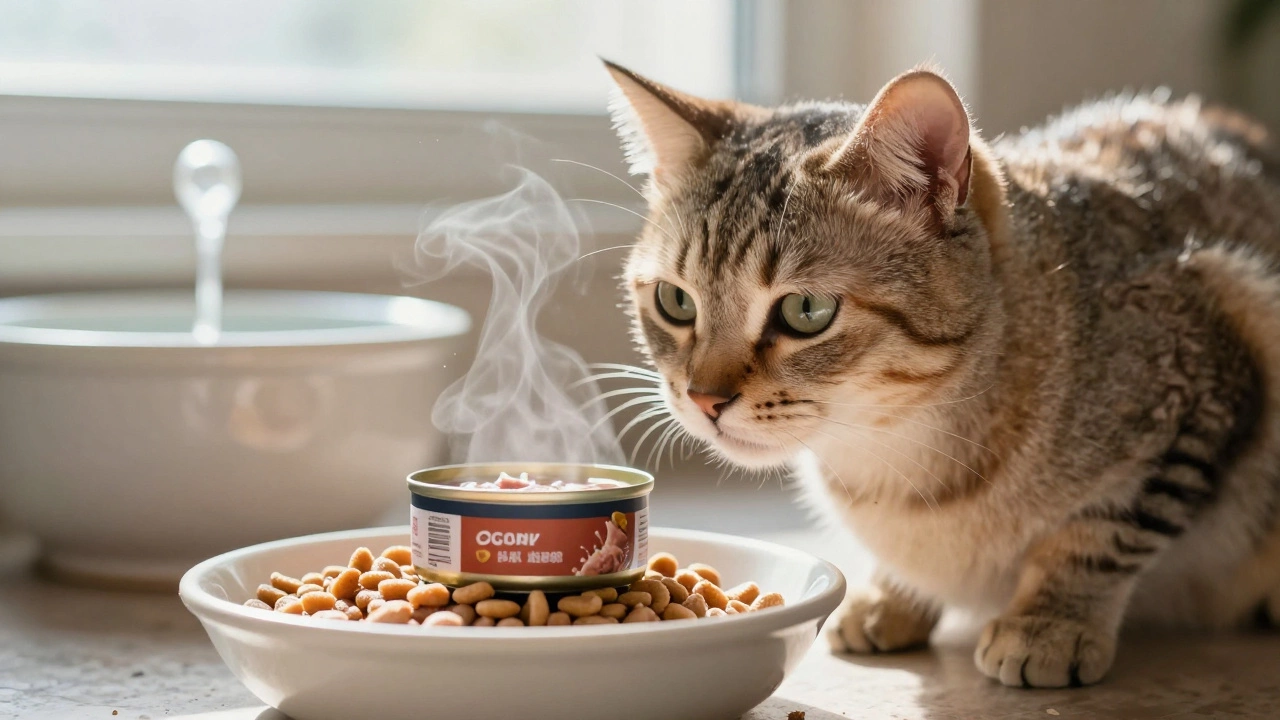
Conversely, if you are moving from dry to wet, expect resistance. Cats are neophobic-they fear new things. Warm up the wet food slightly to enhance its aroma. Try different textures: pâté, shredded, or gravy. Persistence pays off. It might take weeks before they accept the new texture. Never starve a cat into submission; hepatic lipidosis (fatty liver disease) can set in quickly if an overweight cat stops eating for even two days.
Essential Tips for Dry-Food-Only Owners
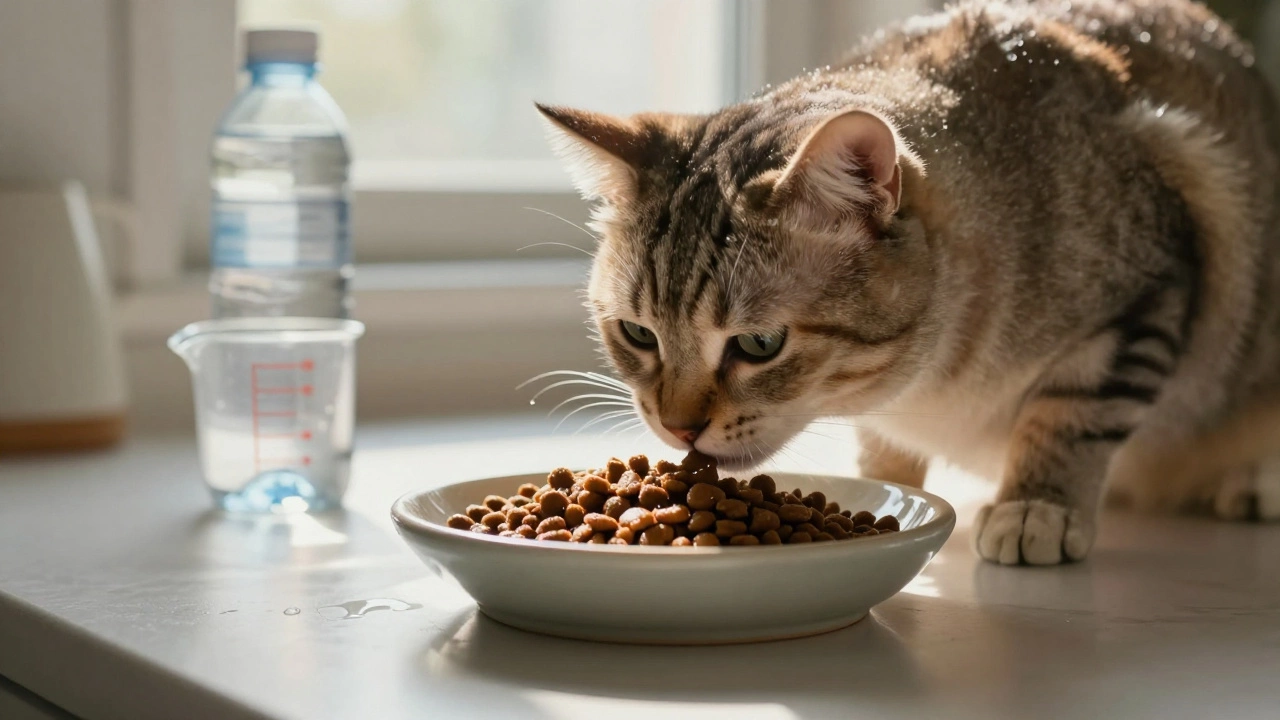
- Add Water: Pour a little warm water over the kibble and let it sit for five minutes. It releases aromas and adds a tiny bit of moisture, though not nearly enough to replace wet food.
- Monitor Urination: Watch the litter box. Small, frequent clumps or straining without producing urine are red flags for urinary issues. See a vet immediately.
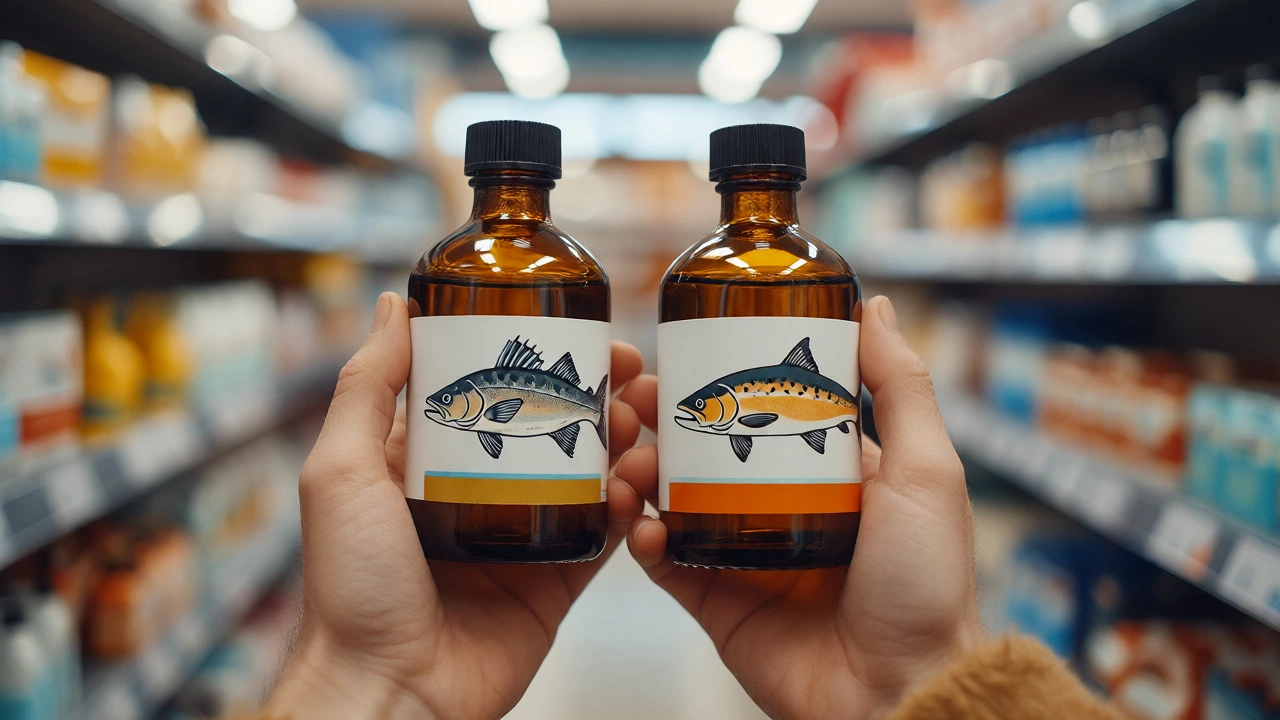
- Rotate Flavors: Don’t get stuck on one brand. Rotating proteins (chicken, fish, beef) prevents picky eating habits and ensures a broader range of nutrients.
- Check Expiry Dates: Fats in dry food oxidize over time. Rancid fats taste bad and are unhealthy. Buy smaller bags if you have one cat, or store larger bags in airtight containers away from heat.
Frequently Asked Questions
Is dry food bad for cats' teeth?
Not necessarily. While dry food doesn't prevent gum disease effectively, the abrasive texture can help reduce surface plaque. However, it is not a substitute for professional dental cleanings or brushing. Wet food doesn't inherently cause decay either; bacterial growth is the main culprit, regardless of food type.
Why do my cats vomit after eating dry food?
This is often due to eating too fast. Dry kibble expands in the stomach. If a cat inhales their food without chewing, the rapid expansion triggers a regurgitation reflex. Use puzzle feeders or spread the food out on a flat plate to slow them down.
Do cats need wet food for hydration?
They don't strictly need it if they drink enough water independently, but it is highly recommended. Most cats on dry diets do not drink sufficient water to compensate for the lack of dietary moisture, increasing the risk of kidney stones and urinary tract infections.
Can kittens live on dry food only?
Yes, but they need specific kitten formulas. Kittens have higher protein and fat requirements for growth. Ensure the kibble is small enough for them to chew easily. Always provide fresh water nearby, as their developing bodies are sensitive to dehydration.
Is grain-free dry food better for cats?
Not automatically. Grain-free often replaces grains with potatoes or legumes, which are still carbohydrates. What matters most is high animal protein content. Unless your cat has a specific grain allergy (which is rare), focus on protein source rather than the absence of grain.