Purina One Suitability Checker
Not sure if Purina One is the right fit for your dog? Answer these questions to get a personalized recommendation based on veterinary consensus.
Your Personalized Recommendation
Analyzing...
Score: --/100You walk down the pet food aisle, staring at a wall of colorful bags. You see Purina One and wonder if it’s actually good for your dog or just clever marketing. It is one of the most common questions I hear from dog owners in Bristol: "Is this brand safe? Is it worth the money?" The answer isn't a simple yes or no. It depends on what you are comparing it to and what your specific dog needs.
Vets don’t hate Purina One. In fact, many recommend it as a solid mid-tier option. But they often prefer its sibling, Purina Pro Plan, when dealing with health issues. To understand why, we need to look past the advertising slogans and dig into the ingredients, the science, and the real-world results vets see in their clinics.
The Quick Verdict
| Criteria | Vet Opinion | Why? |
|---|---|---|
| Safety & Recall History | High Confidence | Nestlé Purina has rigorous quality control and few recalls compared to boutique brands. |
| Ingredient Quality | Average / Good | Uses named meat sources but includes corn and wheat fillers that some owners avoid. |
| Price-to-Value | Excellent | More affordable than prescription diets while offering better standards than supermarket generics. |
| Clinical Efficacy | Moderate | Good for maintenance; less effective than Pro Plan for managing allergies or kidney disease. |
Understanding the Brand Hierarchy
To know what vets think of a widely available commercial dog food line produced by Nestlé Purina PetCare Company, you first have to understand where it sits in the family tree. Purina doesn't just make one type of food. They operate on three distinct tiers, and vets treat them very differently.
- Supermarket Tier (Purina Dog Chow): This is the budget option. It uses lower-quality protein sources and more fillers. Most vets will tell you to skip this if you can afford better.
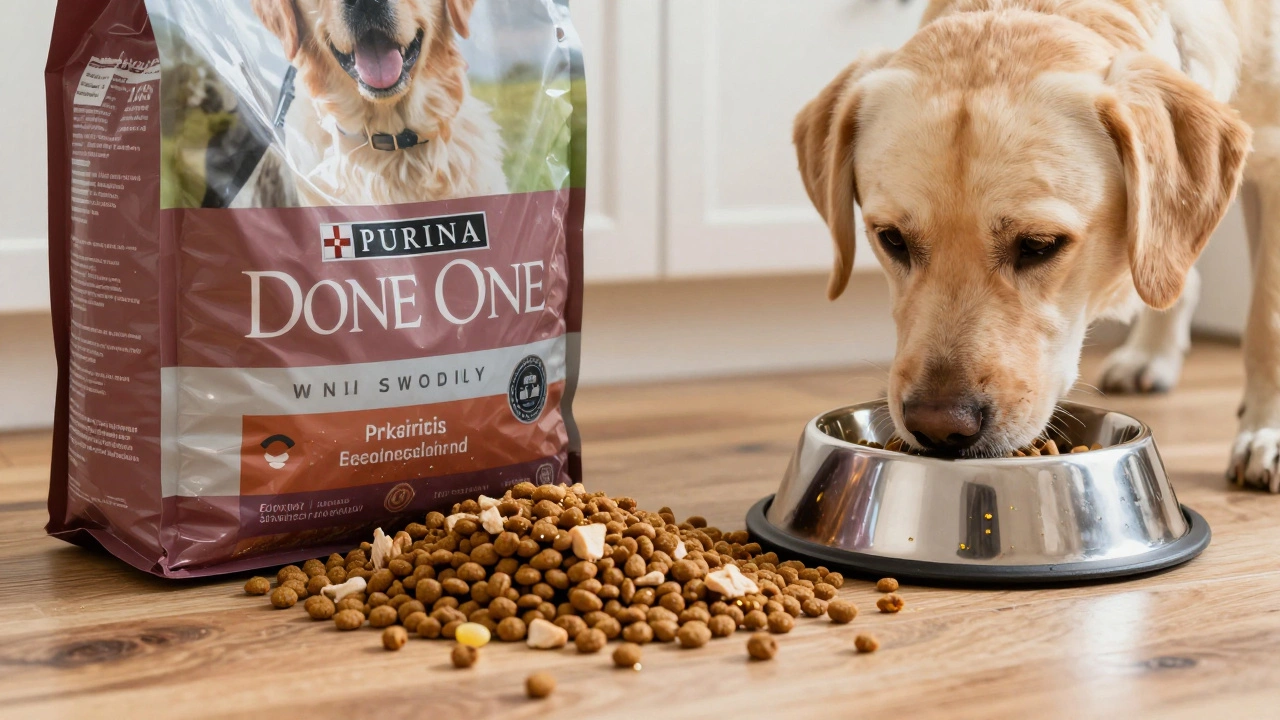
- Mid-Tier (Purina One): This is the sweet spot for healthy dogs. It meets AAFCO standards, uses named proteins (like chicken or salmon), and is fortified with vitamins. It’s designed for general maintenance.
- Premium/Clinical Tier (Purina Pro Plan): This is where the magic happens. Pro Plan has a dedicated team of veterinary nutritionists and conducts clinical trials. If your dog has a sensitive stomach, skin allergies, or weight issues, vets usually steer you here instead of Purina One.
When a vet recommends "Purina," they rarely mean the basic bag. They are almost always pointing you toward Pro Plan. However, for a healthy, active dog with no medical conditions, Purina One is often deemed perfectly acceptable.
What’s Actually Inside the Bag?
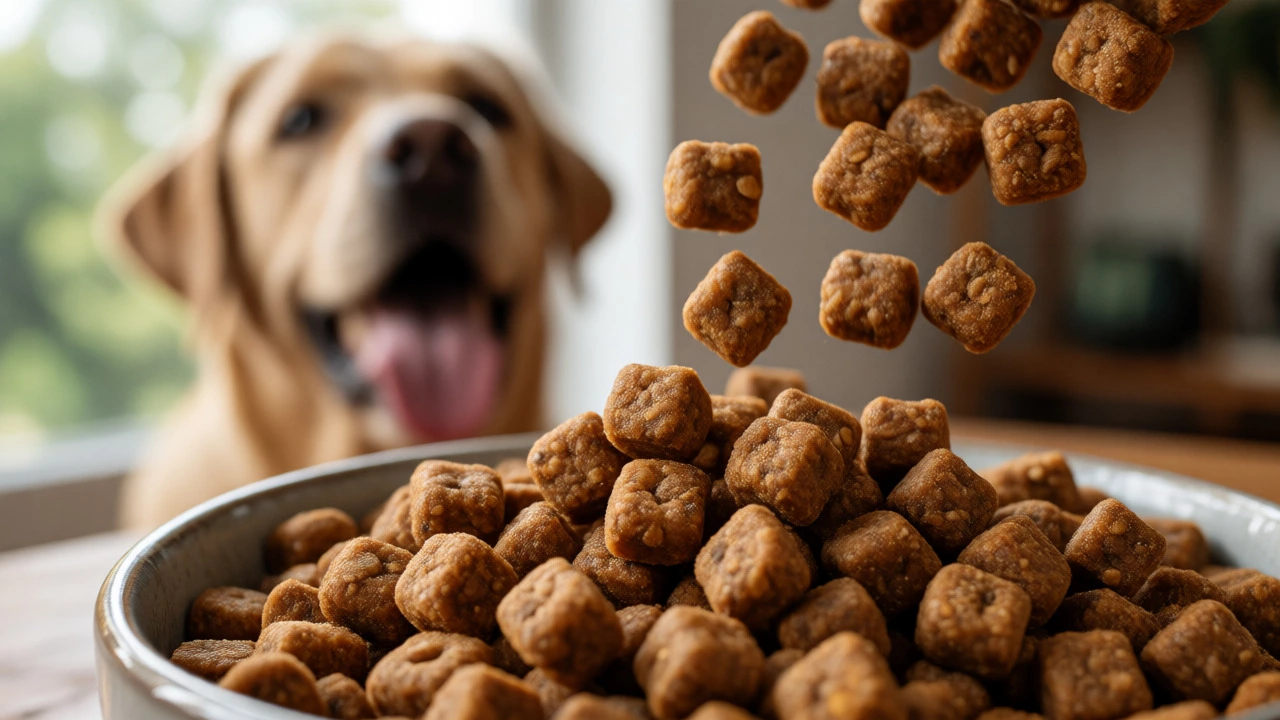
Let’s look at the label. Critics love to point out that Purina One contains corn and wheat. Is this bad? Not necessarily. Corn is a cheap source of energy and protein. Wheat provides carbohydrates. The issue arises only if your dog is allergic to grains. For the vast majority of dogs, these ingredients are digestible and safe.
However, vets do scrutinize the protein source. Purina One typically lists "Chicken" or "Salmon" as the first ingredient. This is good. It means the primary component is actual meat, not meat by-products or anonymous animal derivatives. Compare this to cheaper brands that might list "Animal Digest" or unspecified "Meat Meal," and Purina One looks much stronger.
Another key factor is bioavailability. Vets care about how much of the food your dog actually absorbs. Purina invests heavily in research to ensure their kibble is highly digestible. This means smaller stools and less waste, which is a practical benefit owners notice quickly. If your dog’s poop is firm and small, the food is working well. If it’s bulky and soft, the dog isn’t absorbing the nutrients efficiently.
The Science Behind the Kibble
One reason vets trust large manufacturers like Nestlé is their adherence to the AAFCO (Association of American Feed Control Officials) nutrient profiles. These aren't just suggestions; they are minimum nutritional requirements set by scientists to ensure dogs get enough protein, fat, vitamins, and minerals.
Boutique brands often claim to be "natural" or "ancestral" but fail to provide feeding trials proving their formulas work long-term. Purina One undergoes strict testing. While it may not have the same level of clinical study depth as Pro Plan, it is scientifically balanced. This reduces the risk of nutritional deficiencies that can plague trendy grain-free or raw diets.
Consider the DCM (Dilated Cardiomyopathy) scare of recent years. Many "grain-free" boutique foods were linked to heart issues in dogs because they lacked taurine or had imbalanced amino acids. Purina One, being grain-inclusive and formulated with traditional nutritional science, was largely cleared of these concerns. Vets appreciate this safety record.
When Should You Choose Purina One?
If you are looking for a reliable, affordable food for a healthy adult dog, Purina One is a strong contender. It is particularly good for:
- Active Dogs: The calorie density supports high-energy lifestyles without requiring massive portion sizes.
- Owners on a Budget: It costs significantly less than Pro Plan or Hill’s Science Diet but offers similar baseline nutrition.
- Dogs with No Known Allergies: If your dog has never had itchy skin or digestive upset, there is no need to pay for specialized hydrolyzed proteins found in premium lines.
However, you should hesitate if your dog shows signs of sensitivity. If you notice excessive scratching, ear infections, or loose stools after switching to Purina One, it might be the grain content or the specific protein source causing trouble. In these cases, vets will usually recommend moving up to Purina Pro Plan Sensitive Skin & Stomach or a limited-ingredient diet.

Purina One vs. The Competition
How does it stack up against other popular brands? Let’s compare it to two common alternatives: Royal Canin and Blue Buffalo.
| Feature | Purina One | Royal Canin | Blue Buffalo |
|---|---|---|---|
| Vet Trust Level | High | Very High | Mixed |
| Price Point | $$ | $$$ | $$$ |
| Research Backing | Strong Corporate R&D | Extensive Clinical Trials | Limited Independent Studies |
| Best For | General Health & Value | Breed Specifics & Medical Needs | Grain-Free Preferences |
Royal Canin is often more expensive and focuses heavily on breed-specific shapes and sizes. Some vets find Royal Canin too calorie-dense for neutered indoor cats or inactive dogs. Blue Buffalo markets itself as natural, but lacks the deep clinical data backing Purina and Royal Canin. Purina One hits the middle ground: trustworthy science, reasonable price, and wide availability.
Real Talk: What Vets See in the Clinic
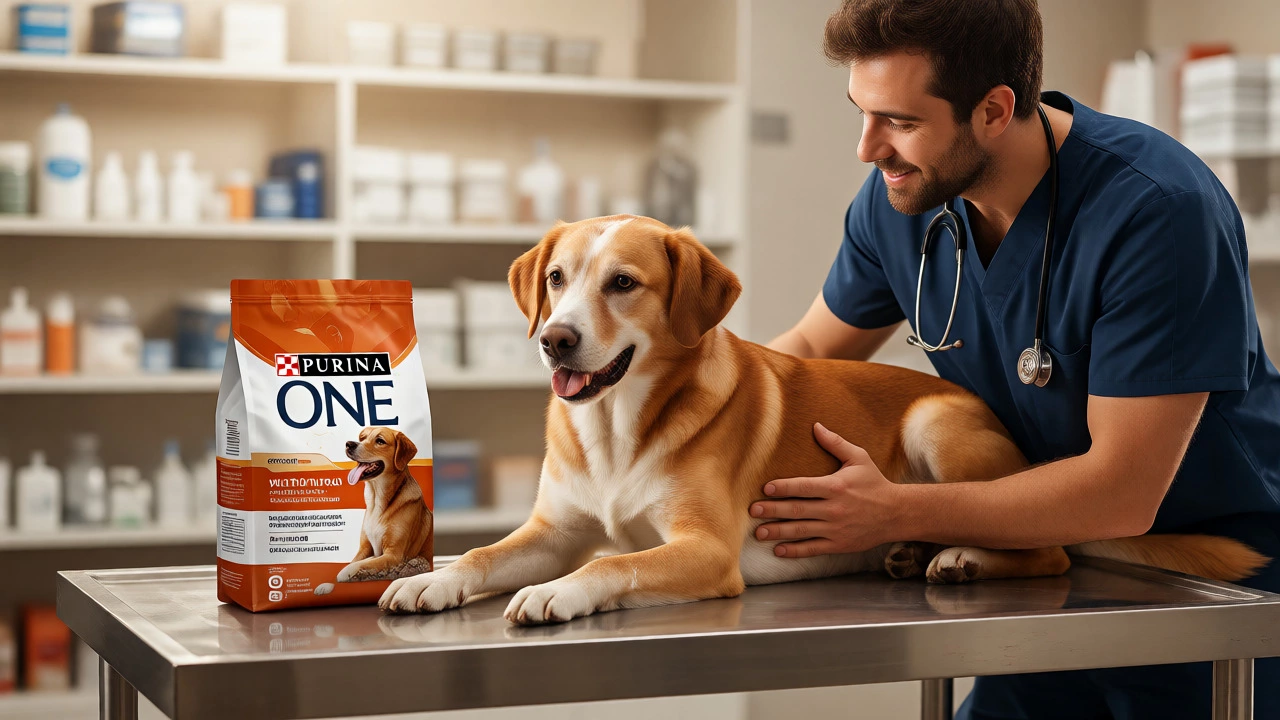
I’ve spoken with numerous veterinarians across the UK and US. The consensus is clear: consistency matters more than hype. A dog eating Purina One consistently for ten years is likely healthier than a dog jumping between five different "superfood" brands every year. Dietary changes stress the gut microbiome. Keeping things simple and stable is often the best strategy.
Vets also note that Purina One helps with dental health. The kibble size and texture are designed to scrub teeth slightly during chewing. It won’t replace brushing, but it’s better than soft wet food alone. Many clients report fresher breath simply by switching from table scraps or low-quality kibble to Purina One.
One caveat: watch out for counterfeit products. Because Purina is so popular, fake bags occasionally appear in discount stores. Always buy from reputable retailers. Check the expiration date and the seal integrity. If the kibble smells rancid or looks oily, toss it.
Final Thoughts: Is It Worth Your Money?
So, do vets think Purina One is good? Yes, with reservations. It is a safe, nutritious, and cost-effective choice for healthy dogs. It lacks the advanced therapeutic benefits of Purina Pro Plan or prescription diets, but for 80% of dogs, those advanced features aren’t necessary.
If you have a healthy Labrador who loves running, Purina One will keep him fit and happy. If you have a Bulldog with chronic yeast infections, you’ll probably want to spend extra on Pro Plan or a veterinary diet. Listen to your dog’s body. Watch their coat, their energy levels, and their digestion. If those indicators are positive, you’re doing fine.
Is Purina One better than Purina Pro Plan?
Not necessarily. Purina Pro Plan is generally considered superior due to higher-quality ingredients, more rigorous clinical testing, and specialized formulas for health issues. Purina One is a great value option for healthy dogs, but Pro Plan is preferred for dogs with allergies, digestive issues, or specific medical needs.
Do vets recommend grain-free dog food?
Most conventional vets are cautious about grain-free diets unless there is a diagnosed grain allergy. Recent studies have linked some grain-free diets to Dilated Cardiomyopathy (DCM). Purina One is grain-inclusive, which aligns with traditional veterinary advice for maintaining heart health in most breeds.
Can puppies eat Purina One?
Yes, but only the specific "Purina One Puppy Formula." Adult dog food does not have the correct calcium-to-phosphorus ratio or calorie density required for growing bones and muscles. Never feed adult Purina One to a puppy under 12 months old.
Why do some vets dislike Purina?
Some holistic vets dislike Purina because it is owned by Nestlé, a large corporation, and uses corn/wheat fillers. They prefer human-grade or raw diets. However, mainstream veterinary medicine trusts Purina for its safety record, nutritional balance, and affordability.
Is Purina One good for dogs with sensitive stomachs?
It can be, but it’s not the best option. The standard formula contains grains and multiple proteins, which can trigger sensitivities. For sensitive stomachs, vets usually recommend Purina Pro Plan Sensitive Skin & Stomach, which uses easily digestible proteins like salmon or turkey and prebiotic fiber.