Puppy 'No' Command Simulator
Scenario
Loading scenario...
Training Tips
- Do Say "No" once, firmly, then act immediately.
- Don't Yell repeatedly or punish after the fact.
- Tip Always have a toy or treat ready to redirect.
- Note If they are over-aroused, use a short time-out.
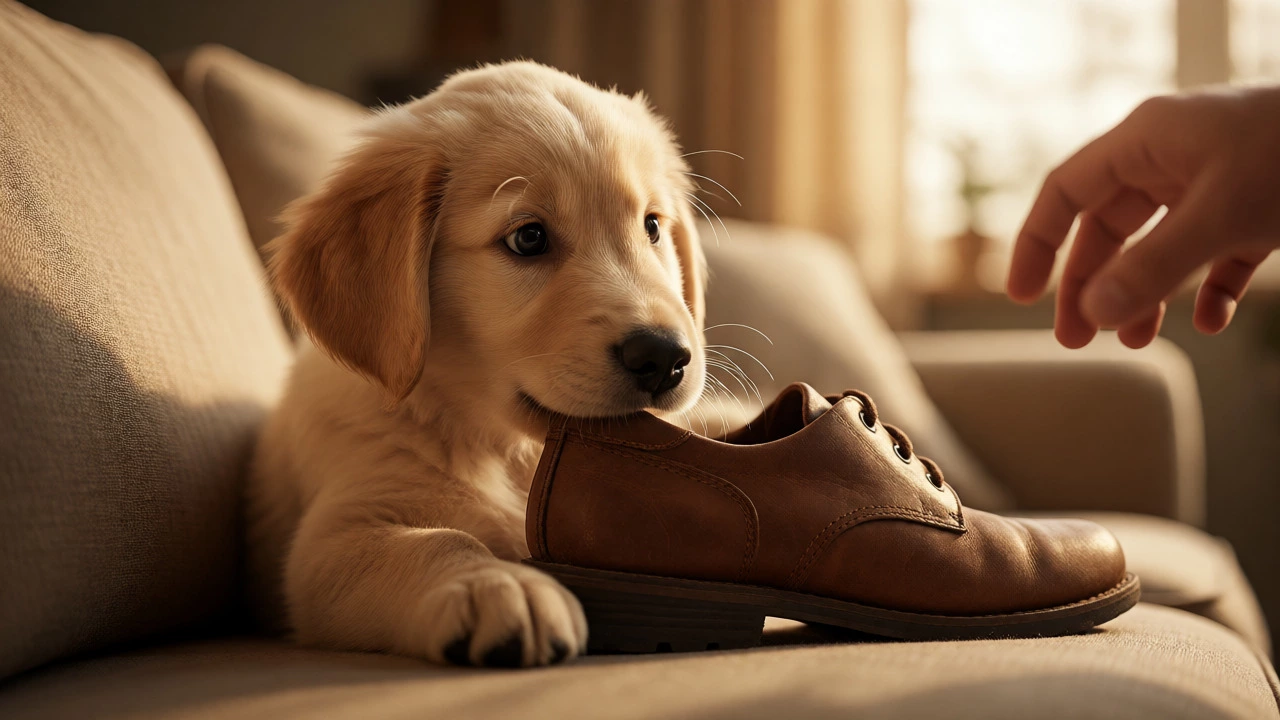
You’re sitting on the sofa, finally relaxing after a long day, when you hear that familiar crunching sound. You look down and see your eight-week-old bundle of joy chewing on your favorite leather shoe. Your instinct is to shout "No!" But here’s the thing: does your puppy actually understand what that word means? Probably not. To them, it’s just a loud noise attached to your frustration. Teaching a puppy the command "no" isn’t about dominance or fear; it’s about clear communication. It’s one of the most critical boundaries you’ll set in the first few months of puppy training, helping prevent bad habits from becoming lifelong issues.
Most new owners make the mistake of overusing the word "no." If you say it every time they sniff the floor, bark at a leaf, or jump up, the word loses its power. It becomes background noise. The goal is to reserve "no" for specific, immediate behaviors you want to stop right now, like biting hands or running into traffic. For everything else-like ignoring a command or being slightly mischievous-you need different tools. This guide breaks down exactly how to teach this command effectively, without damaging your bond with your dog.
Why "No" Is Harder Than It Looks
Dogs don’t speak English. They learn through association and consequence. When you say "no," you are asking your puppy to do something abstract: stop what they are doing immediately. For a young brain still developing impulse control, this is difficult. Think of it like trying to explain quantum physics to a toddler. They might get the gist eventually, but it takes repetition and clarity.
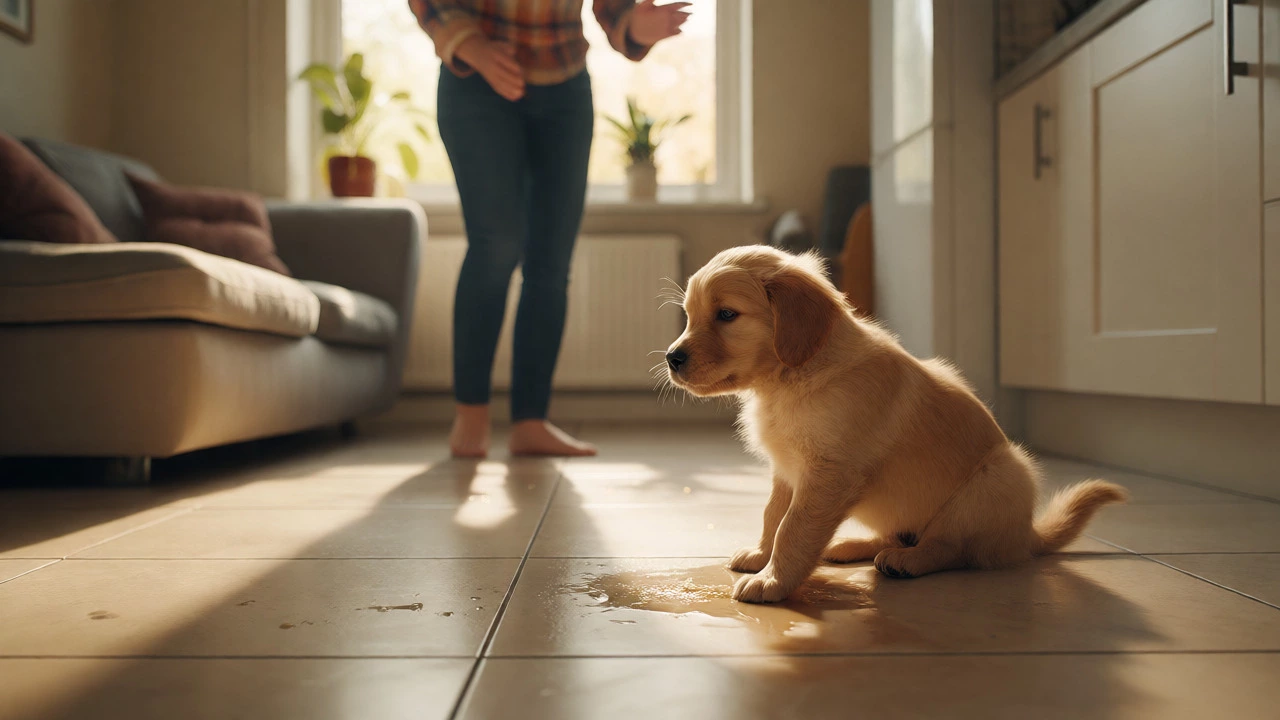
The biggest hurdle is timing. Dogs live in the present moment. If you come home from work and find a chewed-up remote control, saying "no" then is useless. Your puppy will associate your anger with your arrival, not the chewing that happened three hours ago. This is why consistency and immediacy matter more than volume. You aren’t punishing the past; you are interrupting the present.
The Interrupt-and-Redirect Method
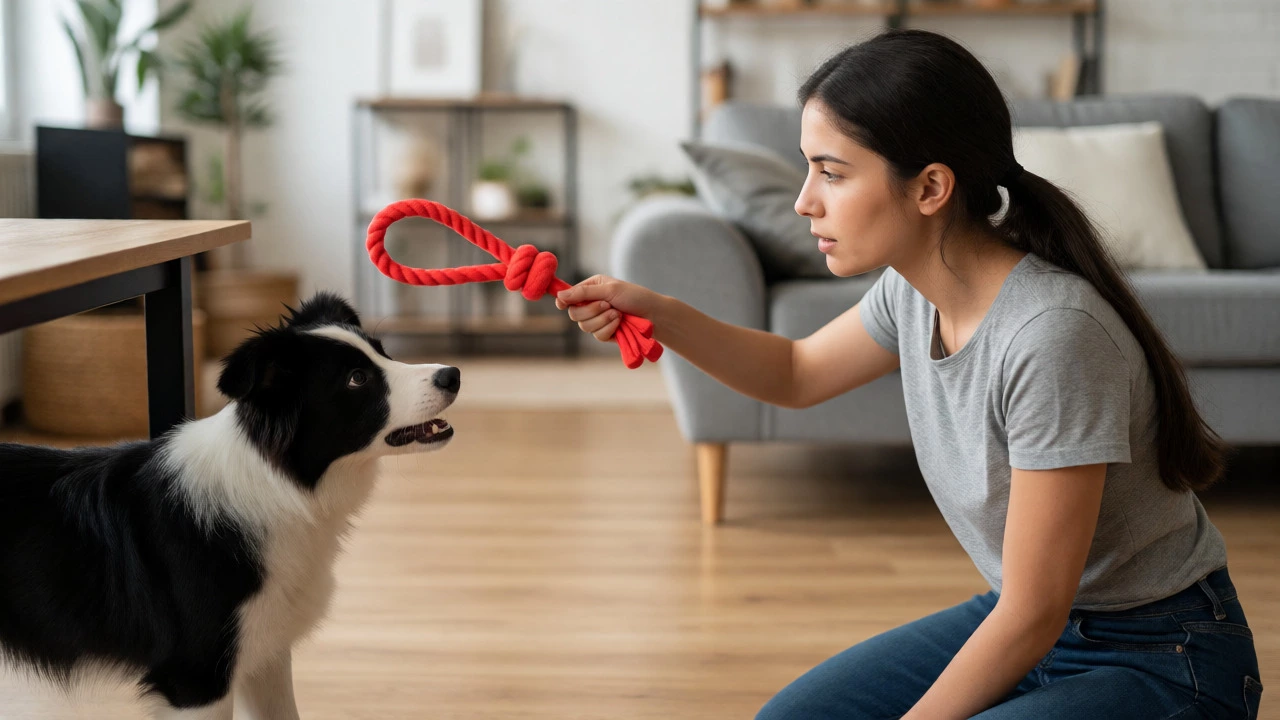
The most effective way to teach "no" is not by stopping the behavior alone, but by giving the puppy an alternative job. Puppies have energy and curiosity. If you just say "no" and walk away, they often go back to the mischief because they don’t know what else to do. Instead, use the "Interrupt-and-Redirect" technique.
- Observe: Watch your puppy play. Identify the trigger. Is it your hand? A table leg? A sock?
- Interrupt: The moment the unwanted behavior starts (e.g., teeth on skin), say "No" in a firm, neutral tone. Not angry, just clear. Immediately clap your hands once if needed to break their focus.
- Redirect: Instantly offer a suitable toy or ask for a known command like "sit."
- Reward: As soon as they engage with the toy or sit, praise them enthusiastically and give a treat.
This sequence teaches them that "No" doesn’t mean "stop having fun forever." It means "stop doing that, and do this instead." Over time, the connection strengthens. The word "no" becomes a cue to check in with you rather than a signal of doom.
Common Mistakes That Backfire
It’s easy to fall into traps when you’re tired and frustrated. Here are the most common errors that confuse puppies and slow down progress.
| Mistake | Why It Fails | Better Approach |
|---|---|---|
| Yelling "NO!" repeatedly | Puppy learns to ignore the word or gets anxious. | Say it once, firmly, then act. |
| Chasing the puppy | Puppy thinks it’s a game of tag. | Walk calmly toward them or block their path. |
| Punishing after the fact | No association between action and correction. | Prevent access to tempting items (management). |
| Inconsistent rules | Puppy doesn’t know when jumping is okay. | Everyone in the house uses the same rule. |
Notice the pattern? Consistency is key. If one family member lets the puppy sleep on the bed while another says "no," the puppy gets confused. Decide on your household rules early. Write them down if you have to. Also, never use physical punishment. Hitting or nose-bumping can create fear aggression later in life. Positive methods build trust; negative ones erode it.
Using Time-Outs Effectively
Sometimes redirection isn’t enough. If your puppy is overly excited or nipping persistently, they might be over-aroused. In these cases, a short time-out works wonders. This isn’t isolation as punishment; it’s a cool-down period. Think of it like a child going to their room to calm down after a tantrum.
When your puppy bites hard or ignores multiple redirects, calmly pick them up or lead them to a safe, boring space-a pen or a small room with no toys. Say "Time-out" or just "No," place them there, and leave for 30 to 60 seconds. Do not interact. No eye contact, no talking. After a minute, return. If they are calm, let them out. If they are still bouncing off the walls, wait another minute. This teaches them that excitement leads to boredom, and calmness leads to attention.

Reinforcing Good Behavior
Training isn’t just about correcting the bad; it’s about celebrating the good. If you only speak to your puppy when they are doing something wrong, they might start to view your voice negatively. Aim for a ratio of five praises for every one correction. This keeps their confidence high.
Catch them being good. Are they chewing their own toy? Praise them. Did they ignore a sock on the floor? Give them a treat. This proactive approach reduces the need to say "no" in the first place. It’s much easier to reward a desired behavior than to correct an undesired one repeatedly.
When to Seek Professional Help
While most puppy issues are normal developmental phases, some behaviors warrant extra attention. If your puppy shows signs of severe anxiety, resource guarding (growling when you take a toy), or aggression towards people or other dogs, standard "no" training might not be enough. These issues require specialized behavioral modification techniques.
A certified professional trainer can observe your body language and timing, which are often the missing pieces in home training. Don’t feel embarrassed to ask for help. Early intervention prevents small problems from becoming big ones. Look for trainers who use force-free, science-based methods.
How old should my puppy be before I start teaching "no"?
You can start basic interruption techniques as soon as you bring your puppy home, usually around 8 weeks old. At this age, their attention span is short, so keep sessions brief and frequent. Focus on preventing bad habits through management (like baby gates) while gradually introducing the verbal cue.
Should I use a spray bottle or water to reinforce "no"?
Some trainers use a quick mist of water as an interruptor, but it’s controversial. Many experts prefer a sharp noise (like a clap or a shake can) because water can be seen as a punishment rather than a distraction. If you do use water, ensure it’s a surprise mist, not a soaking, and always follow up with redirection and praise.
My puppy whines when I say "no." How do I handle this?
Whining is often a sign of frustration or a bid for attention. If you respond to the whine by giving in, you reinforce it. Ignore the whine completely until the puppy is quiet for a few seconds. Then, redirect them to a toy or task and reward the silence. Consistency here is crucial; if you give in once, they will try harder next time.
Is it better to say "leave it" or "no"?
Both are useful, but they serve different purposes. "Leave it" is a specific command telling the dog to ignore an object or food item nearby. "No" is a general interruptor for any ongoing behavior. Start with "no" for immediate safety issues, then teach "leave it" as a more nuanced skill for managing temptations.
How long does it take for a puppy to learn "no"?
Every puppy is different, but expect consistent understanding to take anywhere from two to six weeks of daily practice. Remember, learning isn’t linear. One day they’ll be perfect, and the next they’ll forget everything during teething. Patience and repetition are your best tools.