Puppy Name Training Toy Selector
Select your options below to get a personalized toy recommendation for name training.
Recommended Toy
Soft Plush Ball
Low RiskWhy this works:
Easy to throw, safe for teeth, encourages chasing. Perfect for creating positive associations with your voice.
Training Tip:
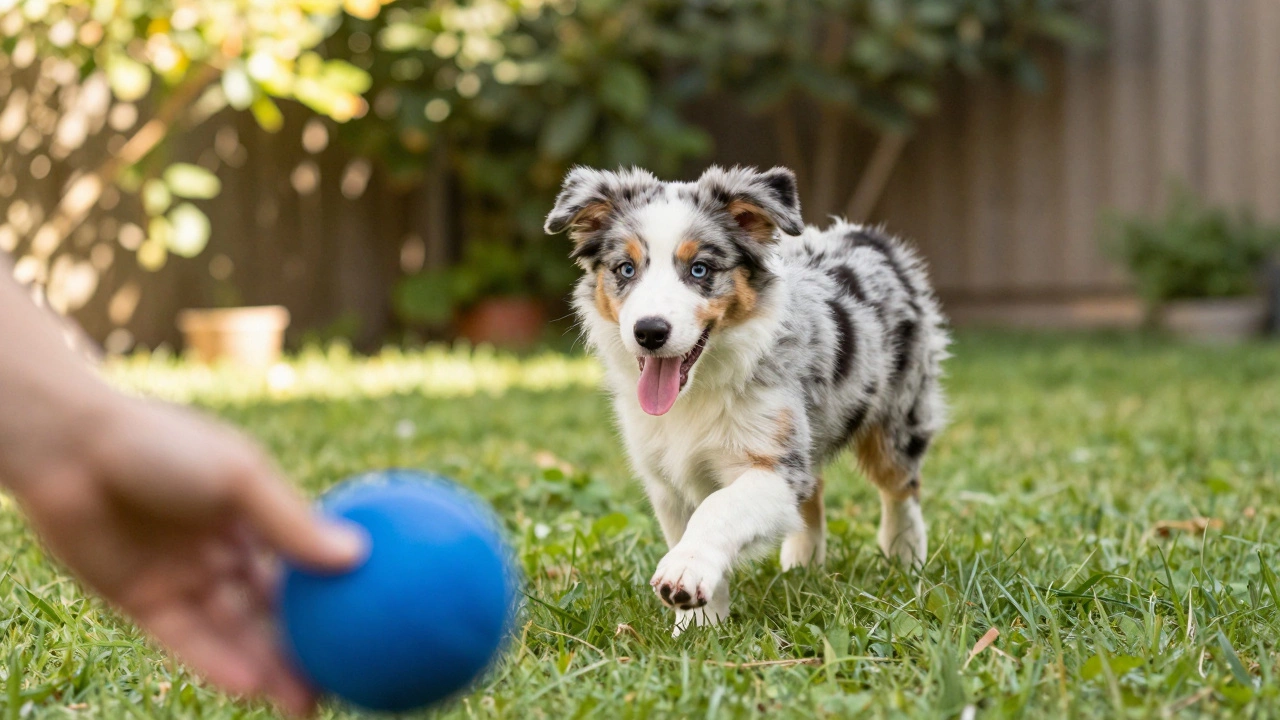
Say your puppy's name clearly. When they look at you, toss the ball nearby. Let them chase it. This creates a positive association where 'Name = Fun Game.'
Alternative Options
When Does Your Puppy Actually Hear You?
You bring home that wiggly bundle of joy, and within hours you’re calling their name. "Barnaby! Come here, Barnaby!" But instead of looking up from that squeaky toy, they just tilt their head or keep chewing. It’s frustrating, right? You might wonder if your new best friend is ignoring you on purpose. Spoiler alert: they aren’t. They simply haven’t connected the sound of those syllables to themselves yet.
The short answer is that most puppies begin to recognize their names between 7 and 8 weeks of age. However, true understanding-where they look at you consistently when called-usually solidifies around 10 to 12 weeks. This window is critical. If you wait until they are six months old to start teaching them their name, you’re fighting against established habits. The earlier you start, the easier it becomes for both of you.
Why doesn't my puppy come when I say their name?
Puppies do not have an innate understanding of language. To them, their name is just another sound in the environment until you explicitly teach them that this specific sound means 'pay attention to me.' Without consistent positive association, they have no reason to respond.
The Science Behind the Sound
To understand why timing matters, we need to look at how a puppy’s brain processes information. Newborns are essentially deaf and blind. By day 14, their ears open, but their hearing isn't fully developed until about three weeks. During these first few weeks, the primary bond is with the mother and littermates through scent and touch.
Then comes the socialization period, which runs from roughly three weeks to twelve weeks. This is the golden era for learning. Neuroplasticity is at its peak. Their brains are like sponges, absorbing everything from household noises to human speech patterns. When you introduce your puppy's name during this window, you are wiring their brain to associate that specific auditory pattern with positive outcomes.
If you miss this window, it doesn’t mean your dog is untrainable. Adult dogs can learn their names too. But it takes significantly more repetition and patience because those neural pathways have already been set by other experiences. Think of it like learning a second language as a child versus as an adult. Both are possible, but one comes much more naturally.
Step-by-Step: Teaching Your Puppy Their Name
Teaching a name isn't magic; it's basic classical conditioning. You want the puppy to feel good when they hear their name. Here is a simple protocol that works for almost every breed:
- Start in a quiet room. Eliminate distractions. No TV, no other pets, no toys on the floor. Just you and the puppy.
- Say the name clearly. Use a happy, upbeat tone. Avoid a harsh or commanding voice initially. You want excitement, not fear.
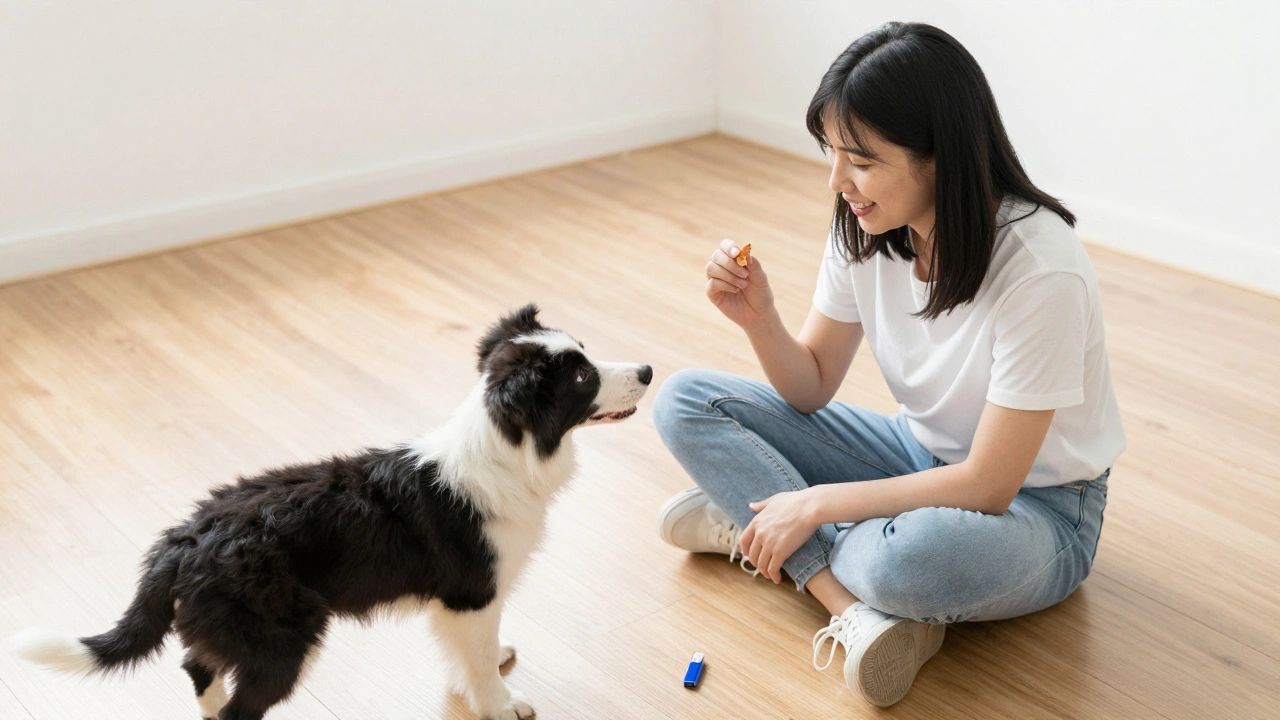
- Wait for eye contact. As soon as the puppy looks at you-even if it’s accidental-mark the behavior. You can use a clicker or a verbal marker like "Yes!"
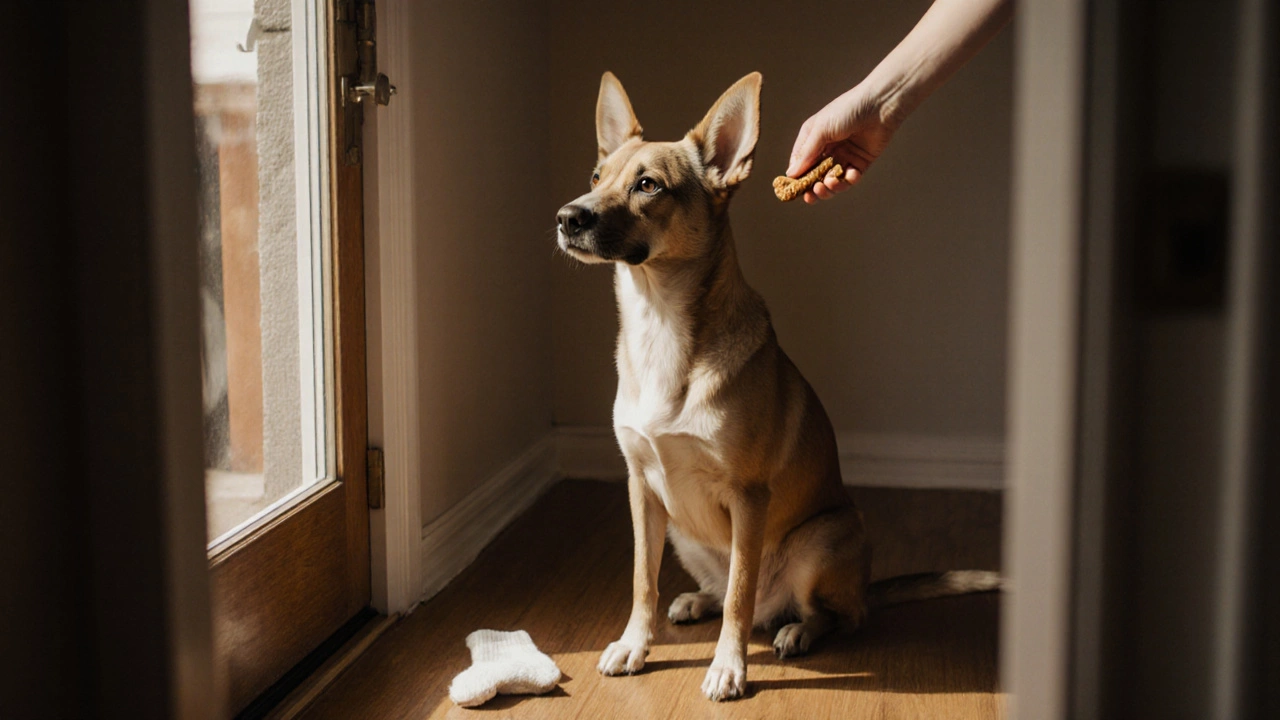
- Reward immediately. Give a high-value treat (like small pieces of chicken or cheese) or enthusiastic praise. The reward must happen within one second of the eye contact.
- Repeat frequently. Do this for five minutes, three times a day. Short sessions are better than long ones because puppies have short attention spans.
Once your puppy reliably looks at you in the quiet room, increase the difficulty. Move to the garden, then the busy living room. Always ensure the name predicts something good. Never call your puppy to give them a bath, trim their nails, or scold them. If you do, the next time you say their name, they will brace for impact rather than run to you.
Common Mistakes That Sabotage Training
I see owners make the same errors over and over. These mistakes don’t just slow down progress; they can actively confuse the puppy.
- Overusing the name. If you say "Max" fifty times a day while talking to yourself, walking around, or cleaning up, the word loses meaning. It becomes background noise. Only say the name when you expect a response.
- Using negative tones. Yelling "NO, MAX!" when they chew a shoe teaches them that hearing their name precedes bad things. Instead, interrupt the behavior with a neutral sound (like "Oops!") and redirect them to a chew toy.
- Picking a confusing name. Names that rhyme with common commands can cause confusion. For example, naming a dog "Kit" might be confused with "Sit." Similarly, "Bo" can sound like "No." Choose a name with distinct consonants and ideally two syllables for clarity.
- Inconsistency among family members. If Dad calls him "Rex," Mom calls him "Reksy," and Grandma calls him "Good Boy," the puppy gets mixed signals. Agree on one name and stick to it.
The Role of Toys in Name Recognition
Since you are interested in puppy toys, let’s talk about how they fit into name training. Toys are powerful motivators. Many puppies are more driven by play than food. You can leverage this by incorporating toys into your name-recognition exercises.
Instead of just treats, try this variation: Say the puppy’s name. When they look at you, toss a soft plush toy or roll a ball nearby. Let them chase it. This creates a positive association where "Name = Fun Game." This is particularly useful for herding breeds like Border Collies or Australian Shepherds, who thrive on movement and interaction.
However, be careful with tug toys. While great for bonding, tug games can sometimes encourage possessiveness or over-arousal if not managed correctly. Stick to fetch-style games or puzzle toys that require the puppy to check in with you occasionally. This reinforces the idea that paying attention to you leads to rewards.
| Toy Type | Benefit for Training | Risk Factor |
|---|---|---|
| Soft Plush Balls | Easy to throw, safe for teeth, encourages chasing | Low (if size is appropriate) |
| Rubber Fetch Toys | Durable, bounces unpredictably to engage interest | Medium (hardness may hurt gums) |
| Puzzle Feeders | Encourages focus and problem-solving near owner | Low |
| Tug Ropes | High engagement, builds bond | High (can trigger resource guarding) |
What If They Still Don't Respond?
Some puppies are just slower to pick things up. This is normal. Breeds like Bulldogs, Basset Hounds, or Afghan Hounds are known for being independent thinkers. They may choose to ignore you more often than a eager-to-please Labrador Retriever. This doesn’t mean they are stubborn; it means their motivation structure is different.
If your puppy is past 16 weeks and still doesn’t respond to their name, consider these factors:
- Hearing issues. Rare, but congenital deafness exists in some breeds. Clap your hands behind them. If they don’t react, consult a vet.
- Distraction overload. Is there a squirrel outside? A cat passing by? Puppies have limited impulse control. Start training in boring environments before moving to exciting ones.
- Lack of value. Are your rewards actually valuable? A dry kibble might not compete with the smell of a dead mouse in the garden. Upgrade your reward system.
Beyond the Name: Building Communication
Learning their name is the foundation of all future training. Once your puppy understands that their name means "look at me," you can layer in other commands. Sit, stay, come, and leave it all build on that initial connection. Without a strong name response, recall training (coming when called) becomes nearly impossible in distracting environments.
Think of name recognition as the handshake before the conversation. You wouldn’t start a complex discussion without getting someone’s attention first. The same applies to your dog. By investing time in this simple skill now, you save hours of frustration later when you’re trying to stop them from eating something off the street.
Remember, consistency is key. It’s not about perfect sessions; it’s about daily practice. Keep it fun, keep it short, and always end on a high note. Your puppy will thank you by becoming a responsive, confident companion who knows exactly who you are-and why listening to you is the best thing they can do.
Can I change my puppy's name after they learn it?
Yes, but it requires retraining from scratch. Introduce the new name alongside the old one for a transition period, rewarding responses to the new name exclusively. Eventually, phase out the old name completely. Be prepared for temporary confusion.
How many syllables should a puppy name have?
Two syllables are generally ideal (e.g., Bella, Maxie, Charlie). They are distinct enough to stand out from background noise but short enough to be said quickly. Single-syllable names can work but may be confused with commands. Three+ syllable names are often shortened by owners anyway.
Should I use a different tone for my puppy's name vs. commands?
Yes. Use a bright, happy, and inviting tone for their name to get their attention. Use a firmer, lower tone for corrections or serious commands like "Stop" or "Leave it." This tonal distinction helps the puppy differentiate between casual attention and urgent instructions.
Is it okay to call my puppy's name when I'm angry?
No. Calling their name in anger creates a negative association. They will learn that hearing their name predicts punishment. Instead, use a neutral interruptor sound like "Ah-ah" or a clap to break unwanted behavior, then redirect to an appropriate activity.
Do older dogs take longer to learn their names?
Older dogs can learn their names, but it may take longer due to established habits or lack of prior exposure to human speech patterns. Consistency and high-value rewards are even more crucial for adult dogs. Patience is key, as their learning curve is steeper than that of a puppy.