

Pet Travel Cost Estimator
Trip Details
Estimated Total Cost
Enter your trip details and click Compare to see the breakdown.
Have you ever stared at an airline’s website, ready to book a holiday, only to see your total bill triple because of a "pet fee"? You are not alone. Flying with a furry companion has become surprisingly expensive in recent years. With fuel costs rising and airlines tightening their rules, finding a way to get your dog or cat from point A to point B without draining your savings feels like a puzzle. But it is solvable.
The short answer? The cheapest way to fly a pet depends entirely on your destination and your pet’s size. For short domestic hops, driving might actually be cheaper than flying. For long-haul international trips, booking well in advance and choosing the right carrier type can save you hundreds of dollars. This guide breaks down the real costs, hidden fees, and smart strategies to keep your pet travel budget under control in 2026.
Understanding the Real Cost of Pet Travel
Before we look at tricks to save money, we need to understand where the money goes. Airlines don’t just charge you for the weight of your dog; they charge for the risk, the handling, and the space. When you see a fee listed as $125 or £100 one-way, that is often just the start.
Airline Pet Fees are charges levied by carriers for transporting animals in the cabin or cargo hold. These fees vary wildly. In the US, major carriers like Delta, American, and United typically charge between $125 and $200 each way for in-cabin pets. In Europe, fees can range from €50 to over €100 depending on the airline and whether you are flying within the EU or internationally.
But there are other costs lurking:
- Veterinary Checks: Many airlines require a health certificate issued by a vet within 10 days of travel. This can cost anywhere from $75 to $150.
- Carrier Costs: You need an airline-approved crate. If you don’t have one, buying a sturdy, ventilated crate can set you back $50 to $150.
- Taxi/Transport: Getting to and from the airport adds up, especially if you are checking your pet as cargo.
To truly find the cheapest option, you must calculate the "total landed cost," not just the ticket price.
Cabin vs. Cargo: Which is Actually Cheaper?
This is the biggest decision you will face. Most people assume cargo is cheaper because it’s less comfortable, but that isn’t always true. Let’s break it down.
| Feature | In-Cabin (Small Pets) | Cargo/Luggage (Large Pets) |
|---|---|---|
| Typical Fee Range | $125 - $200 per way | $200 - $1,300+ (varies by weight/distance) |
| Weight Limit | Usually under 15-20 lbs (including carrier) | No strict limit, but priced by weight bracket |
| Comfort & Safety | High (you stay with them) | Variable (temperature-controlled holds, but no direct supervision) |
| Best For | Cats, small dogs, puppies/kittens | Medium to large breeds |
If your pet fits in a carrier under the seat, in-cabin travel is almost always the cheapest and safest option. The fee is flat, predictable, and usually lower than cargo rates. However, if your dog is a Golden Retriever, you have no choice but to use cargo services. In this case, the cost jumps significantly. Some airlines charge by zone, meaning a flight from New York to London costs more than New York to Chicago, even for the same animal.
Pro tip: Never choose cargo if your pet can fit in the cabin. The stress levels are higher, and the risk of mishandling is greater. If your pet is on the borderline of the weight limit, try using a lightweight, soft-sided carrier to shave off a few pounds.
The Hidden Champion: Driving Your Pet
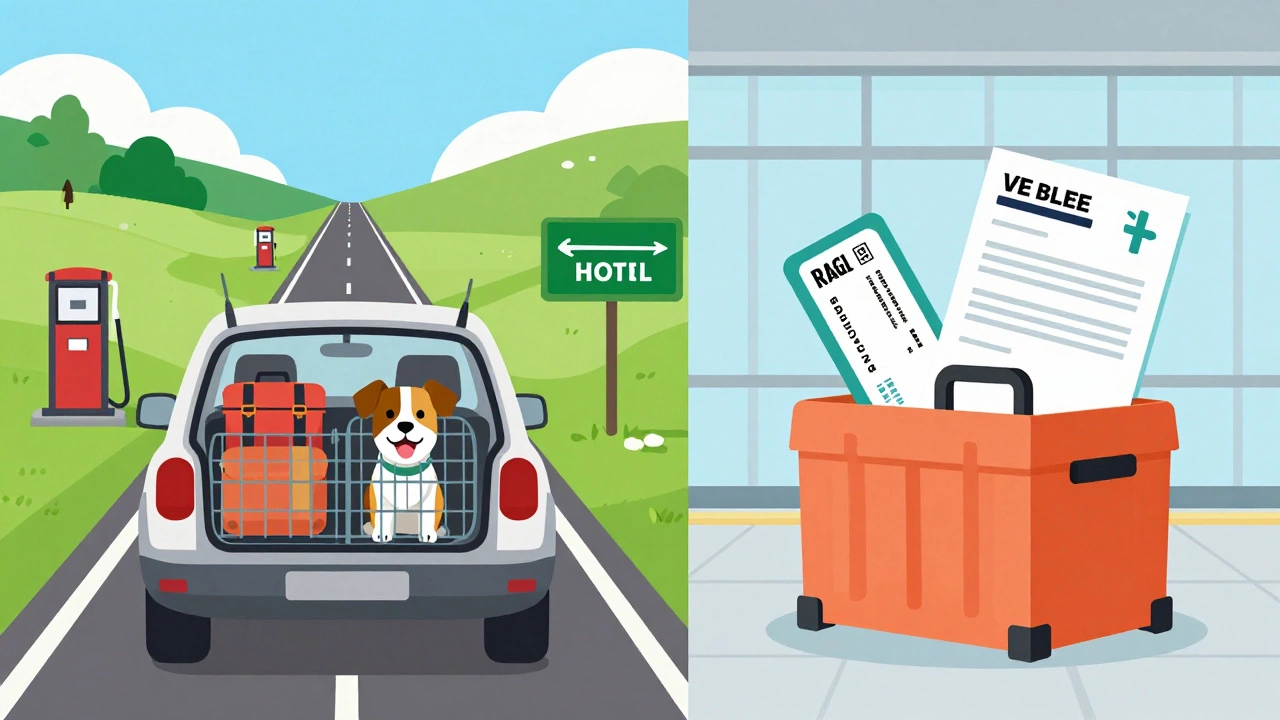
Here is a controversial take: For distances under 800 miles (about 1,300 km), driving is often the cheapest and least stressful way to travel with a pet. Yes, I said it. Flying sounds faster, but when you add up gas, tolls, hotel stays, and those hefty airline pet fees, the math often favors the road trip.
Let’s do a quick calculation. Imagine you need to move your dog from Bristol to London (a short drive) or from Los Angeles to San Francisco. * **Flying:** Two tickets ($400) + Pet fee ($150 x 2 ways = $300) + Vet cert ($100) + Taxi to airport ($50) = $850. * **Driving:** Gas ($80) + One night hotel with pet fee ($120) + Snacks/Food ($50) = $250.
You save over $600 by driving. Plus, your dog gets to sniff around, stretch its legs, and stay in familiar territory. If your timeline allows for a 12-15 hour drive, consider breaking it into two days. The savings are substantial, and the mental load is lower because you don’t have to navigate complex airline regulations.
Smart Strategies to Slash Airfare Costs
If flying is unavoidable, here are specific tactics to reduce the bottom line.
1. Book Early and Often
Airlines have a limited number of spots for pets in the cabin-usually four to six per flight. Once those spots are gone, you are forced to pay for cargo or miss the flight. Booking early doesn’t always lower the base fare, but it guarantees you get the standard in-cabin rate rather than being pushed into expensive last-minute cargo options.
2. Choose the Right Airline
Not all airlines are created equal. Some budget carriers, like Southwest in the US, have historically had competitive pet policies, though rules change frequently. In Europe, low-cost carriers like Ryanair or EasyJet generally do not allow pets in the cabin, forcing you onto partner airlines or cargo services, which can be pricey. Always check the airline’s specific "Live Animal Policy" page. Look for airlines that offer waived fees for certain routes or loyalty programs.
3. Use Pet-Friendly Credit Cards
This is a pro move. Certain credit cards offer travel credits or reimbursements for pet fees. For example, some premium travel cards provide annual statement credits that can cover veterinary expenses or pet travel fees. Check your card benefits before you book. It’s free money if you already carry the card.
4. Avoid Peak Seasons
Flying during summer holidays, Christmas, or spring break means higher demand and fewer available pet slots. If you can shift your travel dates by a week, you might find more availability and potentially lower base fares. Airlines also tend to be stricter with weather-related bans on cargo pets during extreme heat or cold, so traveling in shoulder seasons (spring/fall) reduces the risk of costly delays or rerouting.
Navigating International Pet Travel on a Budget
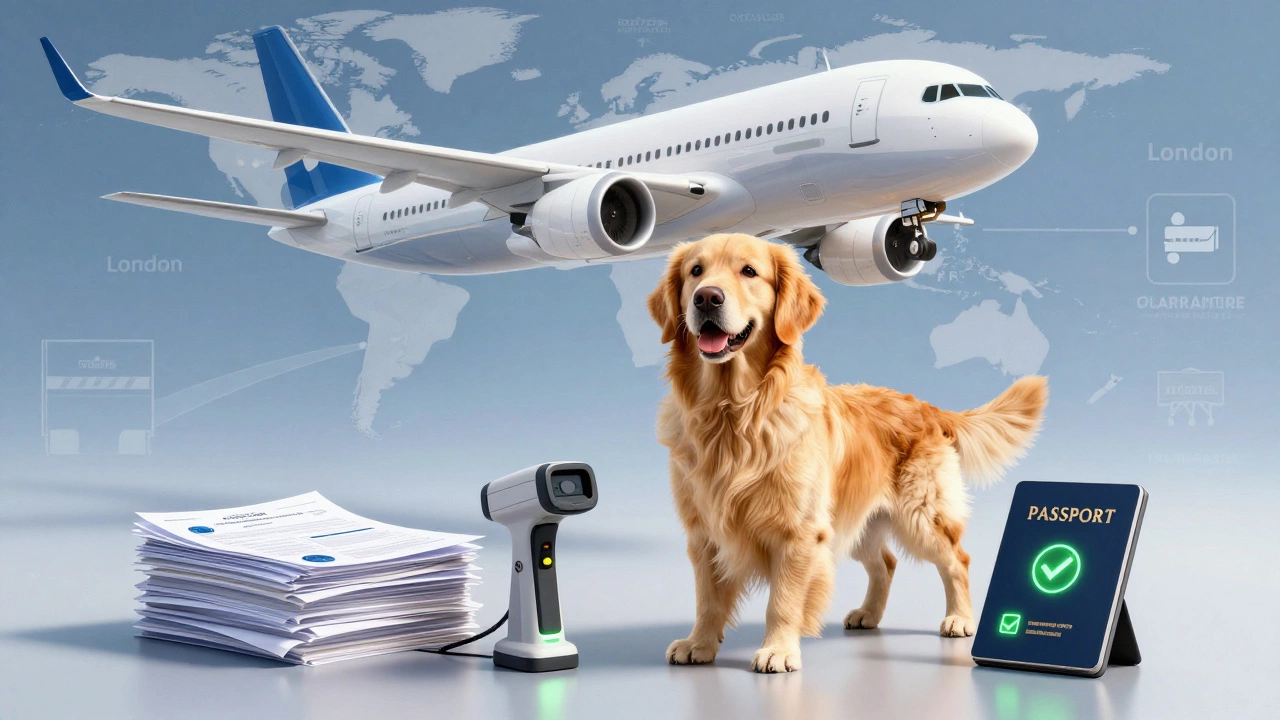
International travel adds layers of complexity and cost. The biggest expense here isn’t the flight-it’s the paperwork. Missing a single document can result in your pet being quarantined for weeks, costing thousands in kennel fees.
To keep costs down:
- Research Entry Requirements Early: Countries like the UK, Australia, and Japan have strict biosecurity laws. The UK requires a microchip, rabies vaccination, and a blood test taken at least 30 days after vaccination. Doing this wrong means starting over, which costs time and money.
- Use Official Government Sources: Don’t rely on third-party blogs. Go directly to the government website of the destination country (e.g., gov.uk for the UK). They list exact requirements. Following these precisely avoids fines or rejected entry.
- Consider Direct Flights Only: Layovers increase the risk of missed connections and additional handling fees. While direct flights might seem more expensive upfront, they save you from paying for extra transit services or emergency accommodation if things go wrong.
In 2026, many countries are moving toward digital pet passports, which can streamline the process and reduce administrative fees. Keep an eye on these updates as they roll out globally.
Common Pitfalls That Blow Your Budget
Even with the best plans, mistakes happen. Here are the most common errors that turn a cheap trip into an expensive nightmare.
- Ignoring Breed Restrictions: Brachycephalic (short-nosed) breeds like Bulldogs, Pugs, and Persians are often banned from cargo due to breathing risks. If you try to sneak one through, you’ll face rejection at the gate, leaving you stranded with a high-priced ticket and no way to proceed. Always check breed restrictions before booking.
- Underestimating Carrier Size: Buying a cheap, flimsy carrier that doesn’t meet airline dimensions means you’ll have to buy a new one at the airport at a markup. Measure your pet standing up, sitting, and turning around. Add two inches to each dimension for comfort and compliance.
- Last-Minute Vet Visits: Scheduling your health certificate appointment too close to your flight date can lead to rushed fees or delays. Book your vet visit 10-14 days before departure to allow time for any issues to arise.
When to Consider Professional Pet Movers
For complex international moves, especially to countries with strict quarantine laws like Australia or New Zealand, hiring a professional pet mover might seem expensive. However, they can actually save you money by preventing costly errors. They know the exact documentation needed, can negotiate better rates with airlines, and handle logistics efficiently. For simple domestic flights, DIY is fine. For complex international relocations, a professional service is an insurance policy against disaster.
Final Thoughts on Budget Pet Travel
Finding the cheapest way to fly a pet isn’t about finding the lowest headline number. It’s about minimizing hidden costs, avoiding penalties, and choosing the right mode of transport for your distance. For short trips, drive. For medium trips, book in-cabin early. For long international hauls, invest in proper paperwork to avoid quarantine fees. By planning ahead and understanding the true cost structure, you can keep your pet safe and your wallet happy.
Is it cheaper to fly a dog or a cat?
Generally, cats are cheaper to fly because they are smaller and almost always qualify for in-cabin travel, which has a flat fee. Dogs, especially larger breeds, often exceed weight limits and must travel as cargo, which is priced by weight and distance, making it significantly more expensive.
Do budget airlines allow pets in the cabin?
Most ultra-low-cost carriers (like Spirit, Frontier, or Ryanair) do not allow pets in the cabin. They may allow service animals, but not emotional support animals or pets for leisure. Always check the specific airline's policy, as rules change frequently. Major legacy carriers are more likely to accommodate pets for a fee.
How much does it cost to fly a pet internationally?
International pet travel costs vary widely. In-cabin fees range from $100 to $200 each way. Cargo fees can range from $500 to over $2,000 depending on the destination and pet size. Additional costs include veterinary certificates ($100-$200), microchipping ($50-$100), and potential import permits. Total costs often exceed $1,000 for international flights.
Can I save money by bringing my own pet carrier?
Yes, bringing your own airline-approved carrier saves you the cost of purchasing one at the airport, which can be marked up significantly. Ensure your carrier meets the airline's specific size and ventilation requirements. Soft-sided carriers are often lighter and easier to fit under seats, helping you stay within weight limits.
Are there any airlines that fly pets for free?
No commercial airline flies pets for free. All airlines charge a fee for transporting animals, either in the cabin or cargo. Service animals are exempt from these fees under law in many countries, but pets traveling for leisure or relocation always incur a charge. Some credit cards or loyalty programs may offer reimbursements, but the airline itself charges a fee.