Cat Diet Advisor
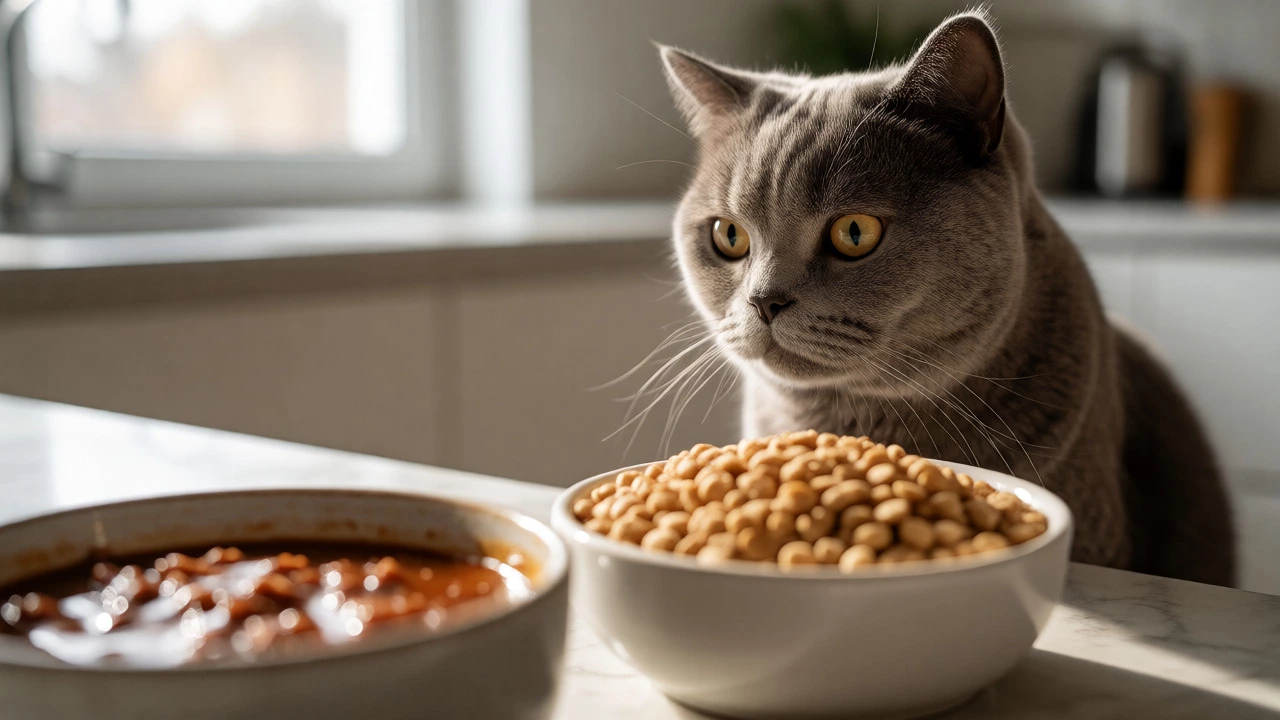
Not sure whether to feed your cat dry kibble, wet canned food, or a mix? This tool analyzes your cat's specific profile against veterinary guidelines to provide a personalized recommendation.
Enter your cat's details and click "Get Recommendation" to see the ideal diet strategy.
You’re standing in the pet aisle, staring at a wall of colorful bags. One side promises gourmet salmon fillets in gravy; the other offers beige, crunchy pellets that look suspiciously like cardboard. You pick up the wet food because it looks tastier, but your vet gently pushes you back toward the dry kibble. Why? Is it just convenience, or is there actual science behind the crunch?
It’s not just about saving time on cleanup. While dry cat food isn’t the only healthy option, veterinarians often recommend it as a cornerstone of feline nutrition for specific, practical reasons related to health, cost, and storage. But before you swap out every bowl, let’s break down exactly why this recommendation exists-and where it might need tweaking for your specific cat.
The Dental Health Myth vs. Reality
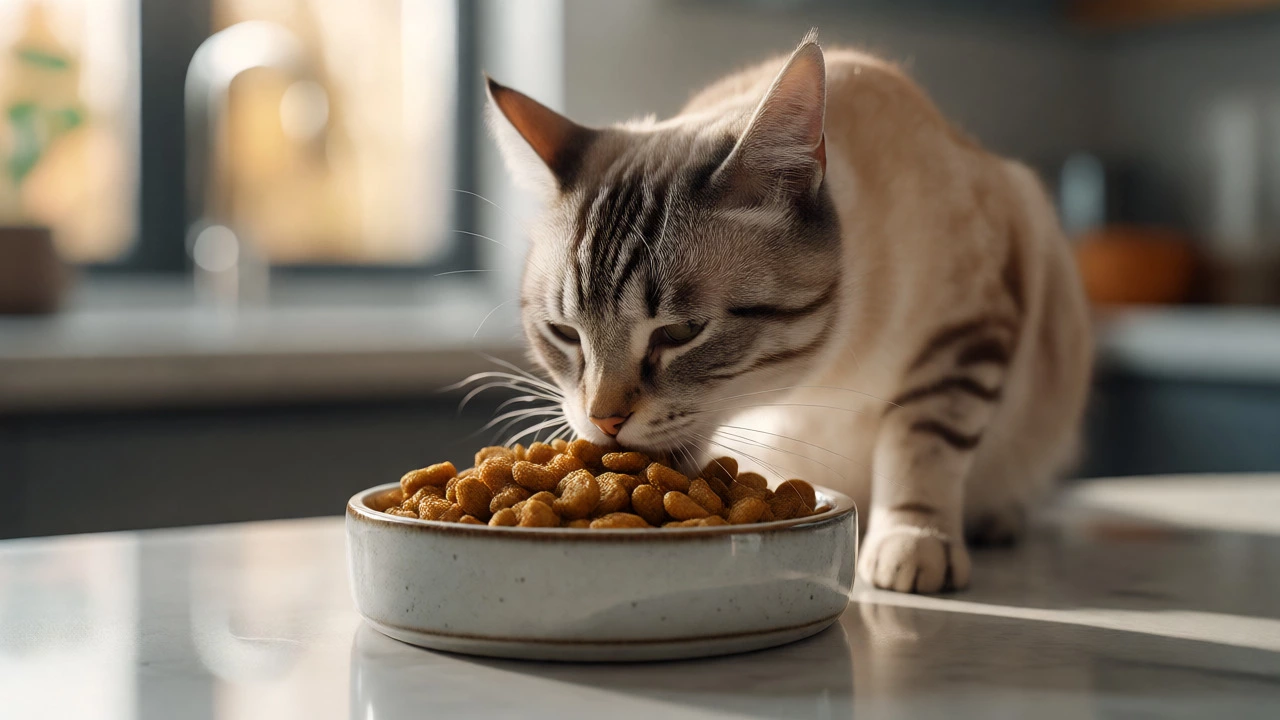
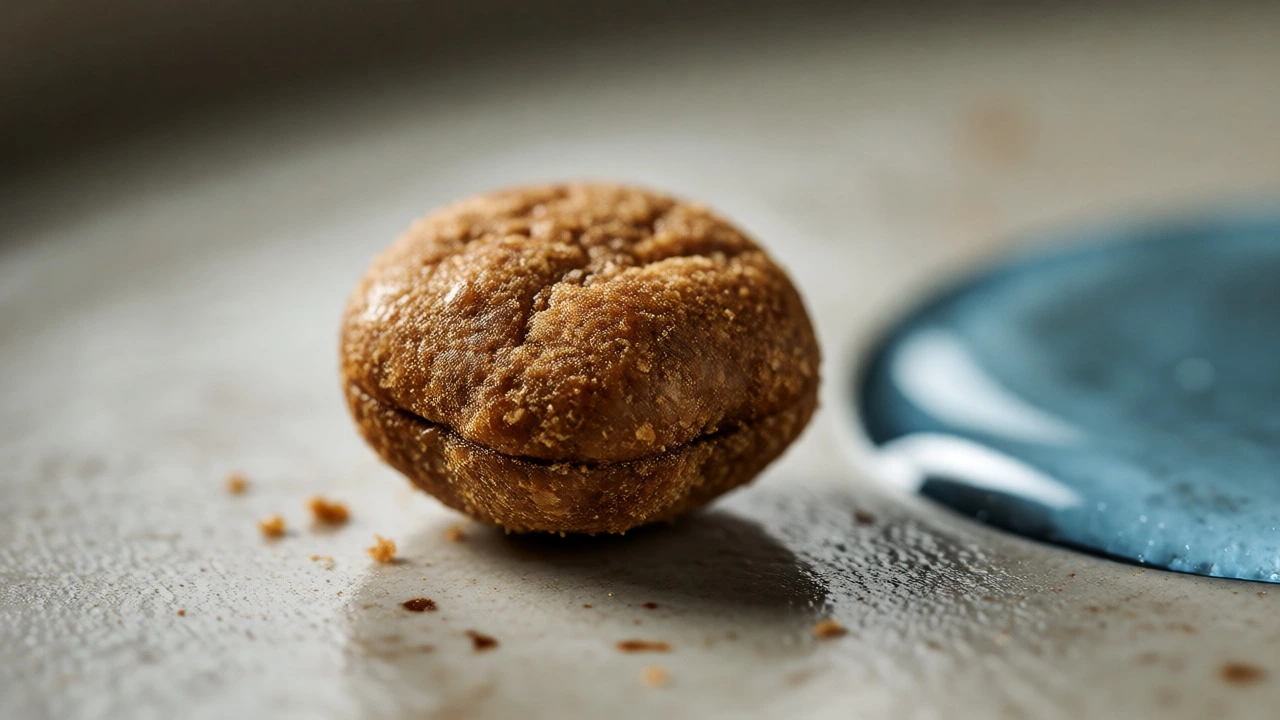
For decades, the primary argument for kibble was dental hygiene. The idea was simple: chewing hard food acts like a toothbrush, scraping plaque off teeth. Does it work perfectly? No. Studies from the American Veterinary Dental College suggest that while dry food doesn’t prevent gum disease entirely, it does reduce tartar buildup compared to soft, sticky wet foods. Wet food tends to adhere to teeth, creating a breeding ground for bacteria if not rinsed away.
Think of it this way: eating a steak (wet food) leaves residue between your teeth. Eating an apple (dry food) helps clean them slightly, though you still need to brush. If your cat has no existing dental issues, starting with high-quality dry food can help maintain baseline oral health. However, if your cat already has severe periodontal disease, switching to dry food won’t fix it-you’ll likely need professional cleaning first.
Calorie Control and Weight Management
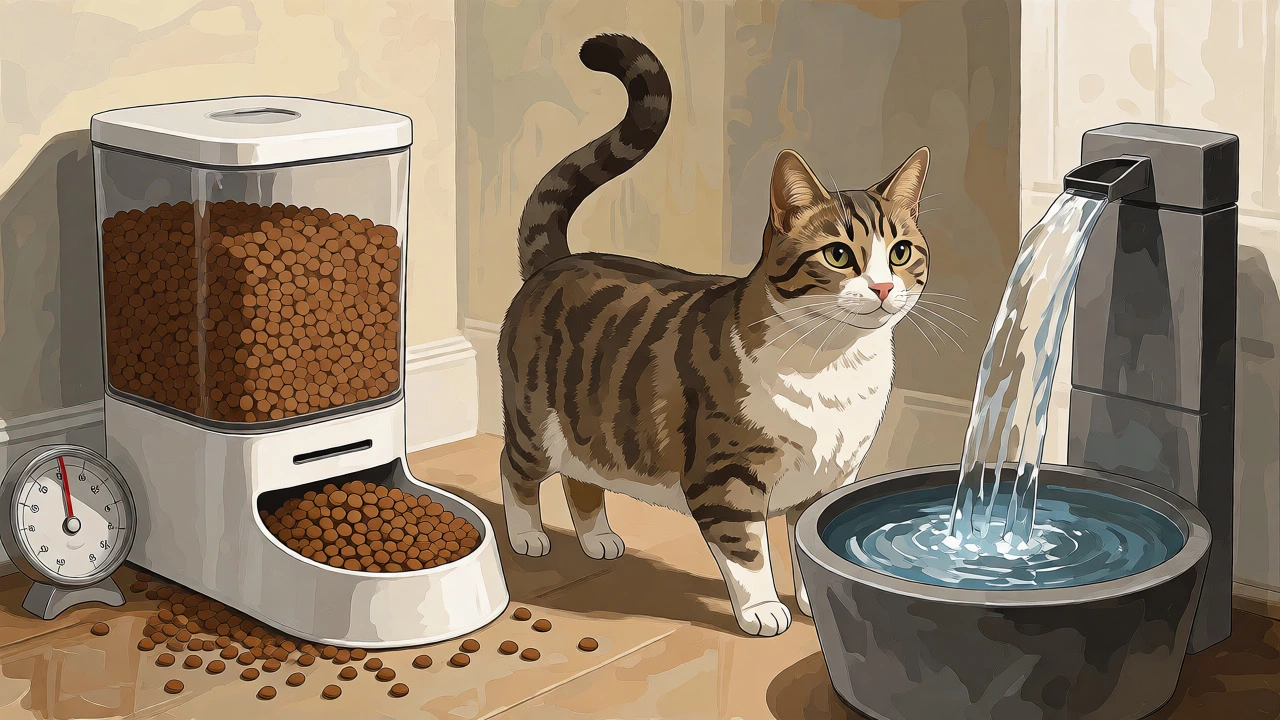
Cats are notorious grazers. In the wild, they eat small meals throughout the day. This instinct makes portion control tricky with wet food, which is often served in single-serve cans or pouches that disappear quickly. With dry food, you have more flexibility. You can use automatic feeders to dispense measured amounts over 16-24 hours, mimicking natural grazing patterns without overfeeding.
Obesity affects nearly 60% of indoor cats in the UK, according to recent PDSA data. Excess weight leads to diabetes, arthritis, and liver issues. Dry food allows owners to measure calories precisely using a kitchen scale. A typical adult cat needs about 200-250 calories per day. With wet food, moisture content varies wildly between brands, making calorie counting a math nightmare. With dry food, the label gives you grams and kcal clearly. It’s easier to stick to the plan when the numbers are straightforward.
Hydration Concerns: The Biggest Downside
Here is the catch. Cats evolved from desert-dwelling ancestors who got most of their water from prey. They have a low thirst drive. Feeding exclusively dry food means your cat must drink significantly more water to stay hydrated. Chronic dehydration is a silent killer for cats, contributing to chronic kidney disease (CKD) and urinary tract crystals-especially in males.
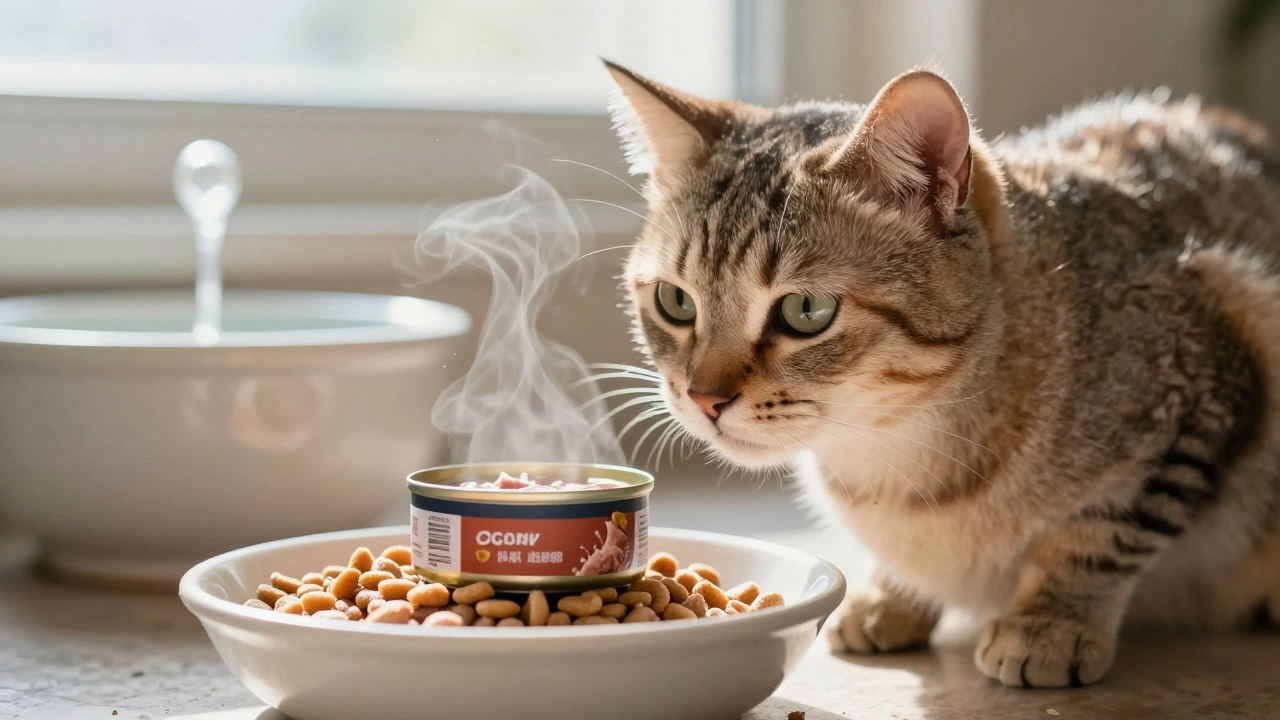
Vets recommend dry food not as a standalone solution, but often paired with strategies to boost hydration. This might mean adding water to the kibble, using a flowing fountain, or mixing in some wet food. If your cat has a history of urinary blockages or kidney issues, a vet will almost certainly lean toward wet food or a mixed diet. Always check your cat’s skin elasticity by gently pinching the scruff. If it snaps back slowly, they’re dehydrated, regardless of what they eat.
Convenience and Storage Logistics
Let’s be honest: life gets busy. Dry food wins on logistics. An unopened bag lasts months. Once opened, it stays fresh for weeks if stored properly. Wet food, once opened, spoils within 24-48 hours in the fridge. If you travel for a weekend, leaving a bowl of dry food is safe. Leaving a bowl of wet food invites mold and bacteria growth.
For multi-cat households, this matters even more. Monitoring who ate what is harder with shared bowls. Dry food allows for free-feeding schedules that fit human routines better than timed wet-food meals. Plus, the cost difference is significant. High-quality dry food costs roughly £1-£2 per month per cat, whereas premium wet food can run £15-£30 monthly. For many families, the budget factor is a legitimate health consideration, ensuring consistent access to quality nutrition rather than intermittent treats.
Quality Matters More Than Texture
Not all dry food is created equal. Cheap kibble is filled with fillers like corn, wheat, and soy, which cats digest poorly. These ingredients spike blood sugar and contribute to obesity. When vets recommend dry food, they mean high-protein, grain-free, or limited-ingredient formulas.
| Feature | Dry Food (Kibble) | Wet Food (Canned/Pouch) |
|---|---|---|
| Moisture Content | ~10% | ~75-80% |
| Carbohydrate Level | High (often 30-50%) | Low (often <5%) |
| Protein Source Clarity | Varies (check label) | Usually clearer |
| Dental Impact | Slight abrasive benefit | Can promote plaque |
| Cost Efficiency | High | Low |
| Shelf Life After Opening | Weeks | Days |
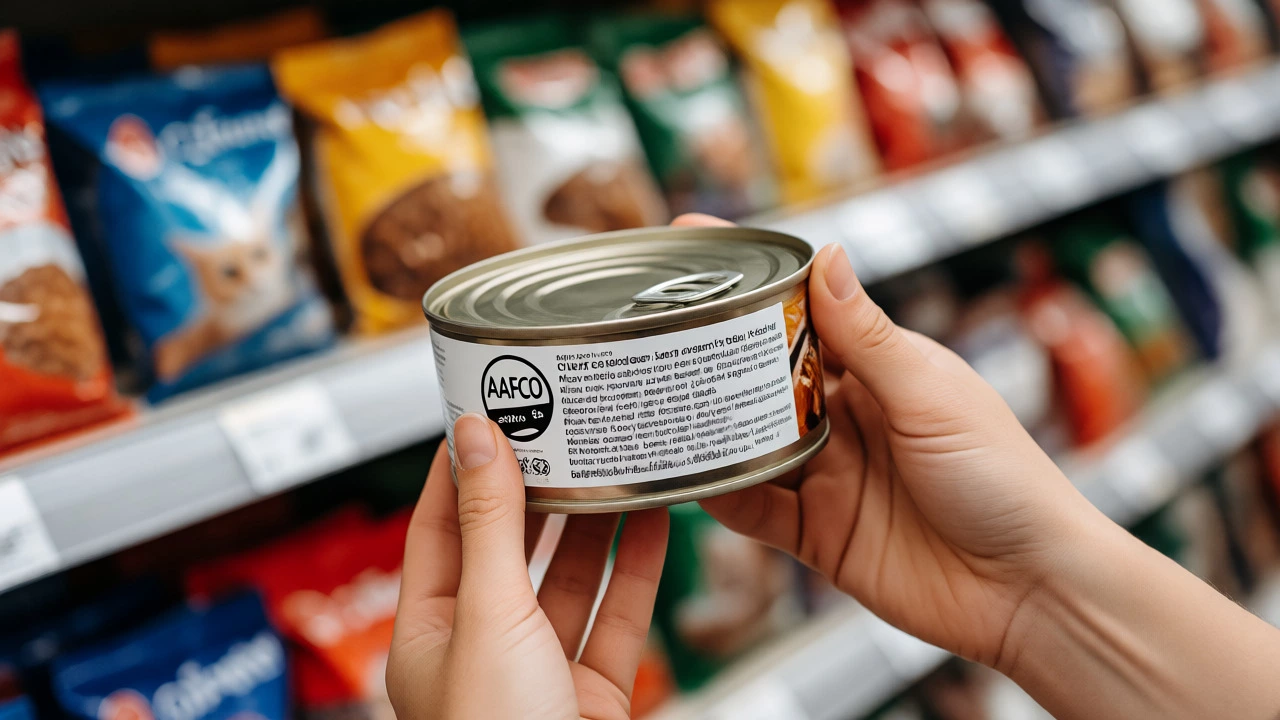
Look for named meat sources as the first ingredient (e.g., "chicken" not "meat meal"). Avoid artificial colors and preservatives like BHA/BHT. Brands like Royal Canin, Hill’s Science Diet, and Purina Pro Plan offer veterinary-grade dry formulas designed to support specific health conditions. Your vet’s recommendation is rarely about the texture alone-it’s about finding a balanced, bioavailable nutrient profile that fits your lifestyle.
When to Ignore the Dry Food Recommendation
If your cat is diabetic, senior, or prone to urinary issues, dry food might actually be the wrong choice. Diabetic cats benefit from high-moisture, low-carb diets to stabilize blood glucose. Senior cats often lose muscle mass and need higher protein absorption, which wet food provides more efficiently due to less processing heat damage.
Also, consider palatability. Some cats simply refuse dry food. Force-feeding a stressed cat causes digestive upset. If your cat turns its nose up at kibble, don’t fight it. Opt for a mixed feeding strategy: dry food during the day for convenience, wet food at night for bonding and hydration. This hybrid approach satisfies both the vet’s nutritional concerns and the cat’s preferences.
Is dry food bad for cats?
No, dry food is not inherently bad, but it requires careful selection. Low-quality dry food high in carbohydrates can lead to obesity and diabetes. High-quality, protein-rich dry food is safe and beneficial for many cats, provided they drink enough water.
How much water should my cat drink if eating dry food?
A cat eating dry food typically needs 50ml of water per kilogram of body weight daily. For a 4kg cat, that’s 200ml. Using a water fountain encourages drinking, as cats prefer moving water.
Can I mix dry and wet cat food?
Yes, mixing is often recommended. It balances convenience with hydration. Ensure the total calorie intake remains controlled to prevent weight gain.
Does dry food really clean cat teeth?
It helps slightly by reducing tartar accumulation through abrasion, but it is not a substitute for brushing or professional dental cleanings. Its effect is modest compared to dedicated dental chews or brushing.
What are signs my cat isn't getting enough water?
Signs include lethargy, dry gums, loss of skin elasticity, and concentrated urine. If you notice these, increase water sources or switch to wet food immediately.