Dog Grooming Cost Estimator
Understand why grooming costs vary. This tool estimates fair pricing based on time, equipment wear, and skill level required for your specific dog.
Estimated Fair Price Range
Cost Breakdown Analysis
Select options and click "Estimate Cost" to see how labor, materials, and overhead contribute to the price.
You walk out of the salon with a fluffy, smelling-like-lavender pup and hand over £60 for what felt like a thirty-minute wash. Your brain does the math: "That’s more than I pay for my own haircut." It’s a common reaction. But here is the thing most people miss: you aren’t just paying for a bath. You are paying for hours of skilled labour, specialised equipment that costs thousands, and the physical toll on a human being who spends all day wrestling wet, squirming animals.
If you have ever wondered why professional dog grooming is significantly more expensive than DIY washing or even human hairdressing, this breakdown will show you exactly where your money goes. We are not talking about vague "overhead" excuses. We are looking at the specific time, tools, and training required to keep your dog safe and healthy.
The Time Commitment Is Hidden
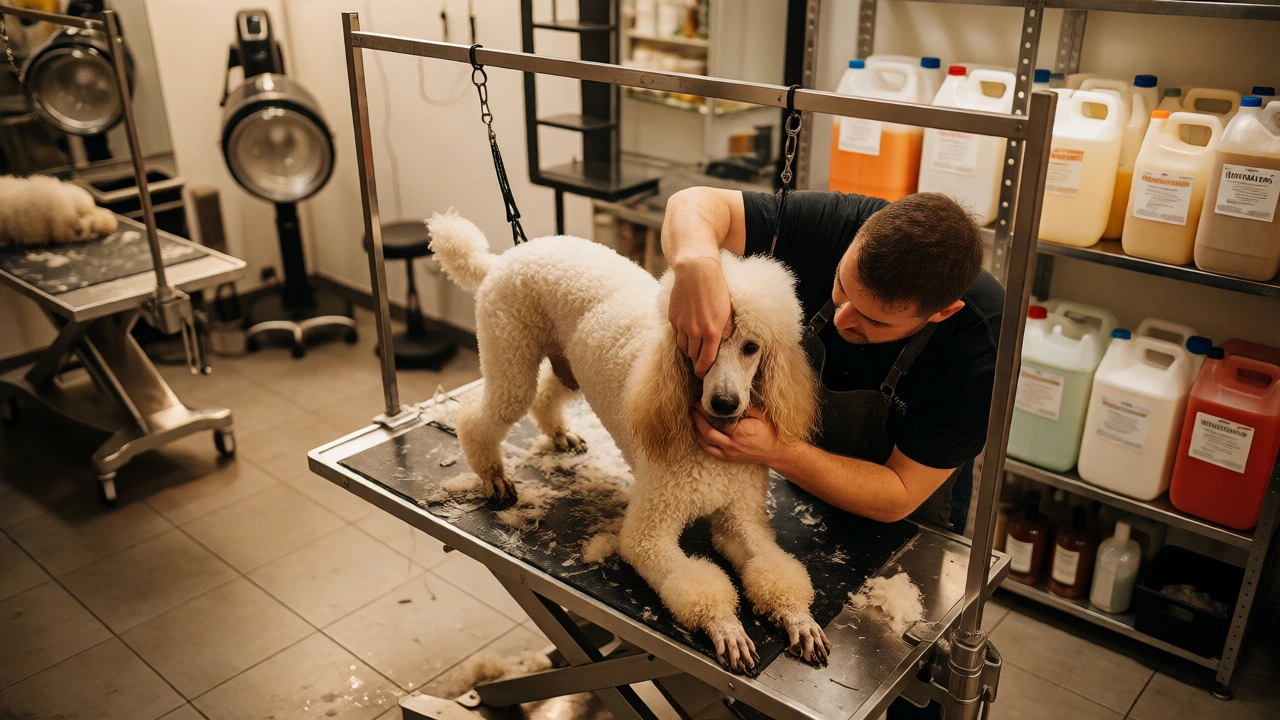
The biggest misconception is that grooming is quick. For a standard poodle or a shih tzu, a full groom-bath, dry, cut, nail trim, ear clean-takes between two and three hours. That is uninterrupted focus. Unlike a human client who sits still, dogs move. They shake. They get anxious. A groomer cannot simply rush; if they do, they risk nicks, burns from dryers, or creating matting that hurts the dog later.
Think about it this way: if a barber charges £20 for a 30-minute cut, that works out to £40 an hour. If a groomer charges £70 for a 2-hour job, that is £35 an hour. But wait-the barber doesn’t spend 20 minutes cleaning up hair from the floor after every client. They don’t spend 15 minutes disinfecting tables between every single appointment to prevent parvovirus or kennel cough spread. When you factor in prep and cleanup time, the actual billable rate for a groomer often drops below minimum wage unless prices are kept high.
Specialised Equipment Costs More Than You Think
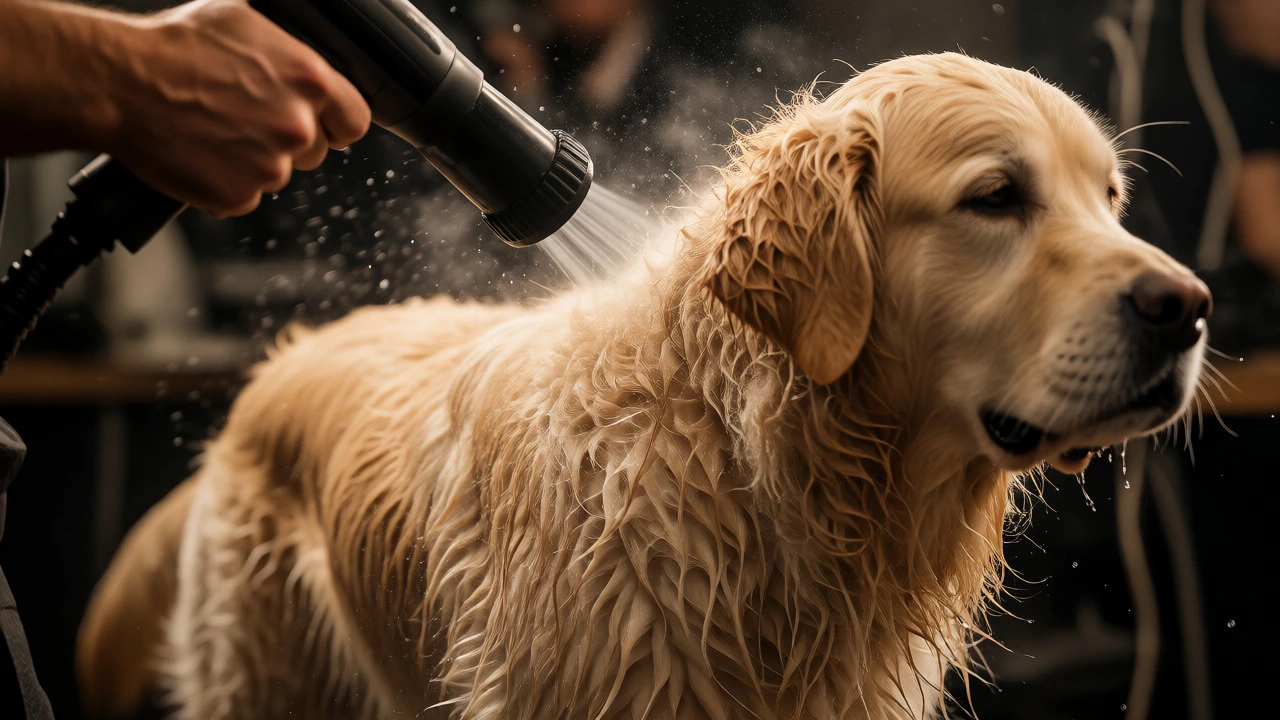
You might think a vacuum cleaner and some scissors are enough. They aren’t. Professional grooming requires industrial-grade machinery designed for heavy use. A high-velocity dryer, which blows water off the coat rather than evaporating it with heat, can cost between £300 and £800. These machines run loud and hot, wearing out motors quickly.
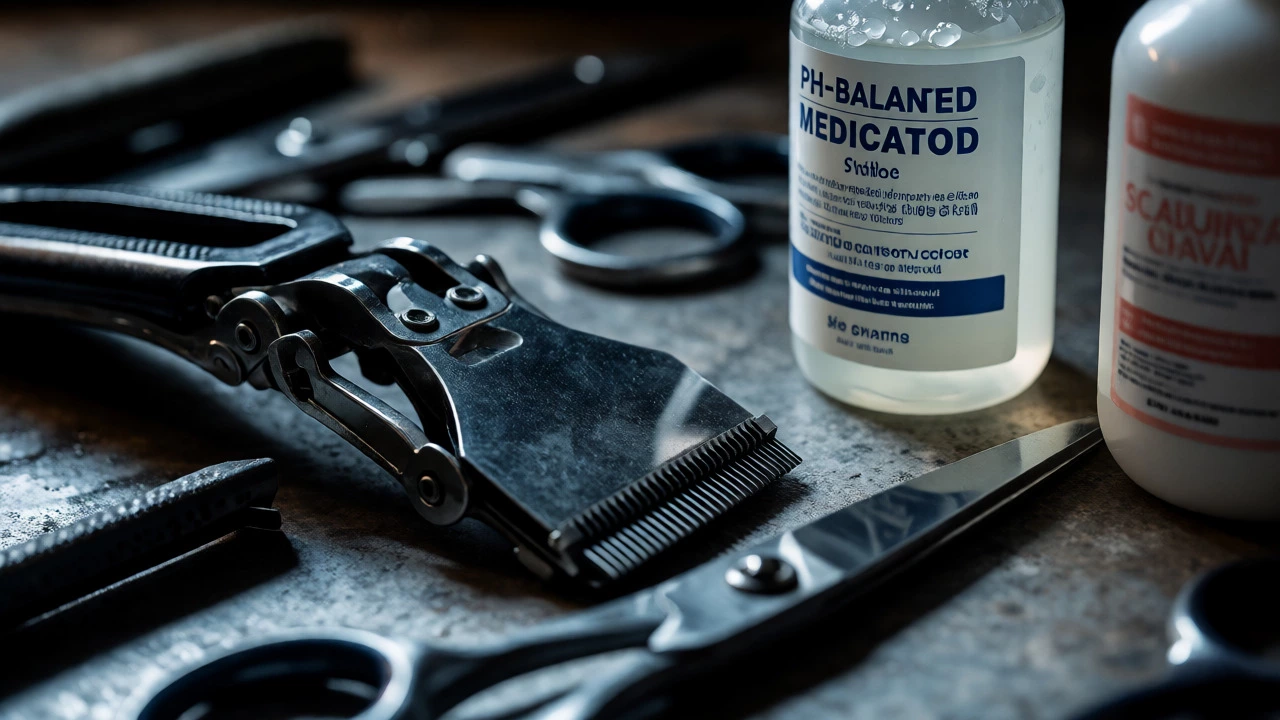
Then there are the consumables. High-quality shampoo isn't the same as the bottle under your kitchen sink. Dogs have a different skin pH (around 7.0) compared to humans (around 5.5). Using human products can cause irritation. Groomers buy bulk containers of medicated, hypoallergenic, or de-shedding shampoos that cost £40-£60 per litre. Add in conditioner, detangler sprays, paw balm, and ear solution, and the product cost per dog can easily hit £5-£10 before the first snip of the scissors.
| Item | Professional Grade Cost | Home/DIY Equivalent | Why It Matters |
|---|---|---|---|
| High-Velocity Dryer | £400 - £800 | £50 - £100 | Dries coats 3x faster, reduces stress and noise exposure. |
| Grooming Table | £200 - £500 | N/A (Floor/Bathtub) | Ergonomic height prevents back strain; non-slip surface keeps dogs safe. |
| Clippers & Blades | £150 - £300 (set) | £30 - £50 | Pro clippers stay cooler and sharper longer, preventing coat damage. |
| Shampoo (per litre) | £40 - £60 | £5 - £10 | pH-balanced for canine skin; removes oils without stripping protection. |
| Insurance | £300 - £600/year | £0 | Covers bites, kicks, and accidental injuries during handling. |
Skill, Training, and Safety Risks
Canine anatomy knowledge is critical for avoiding injury during grooming. A groomer needs to know where major blood vessels run near the nails (the "quick") to avoid bleeding. They need to understand how different breeds' coats grow so they don't shave a double-coated Husky down to the skin, which can permanently damage their ability to regulate temperature.
This expertise comes from years of apprenticeship and continuing education. In the UK, many groomers are members of organisations like the British Association of Master Groomers which sets standards for hygiene and technique. They aren't just cutting hair; they are performing a health check. Often, a groomer spots lumps, skin infections, or dental issues before the vet does because they handle the dog intimately.
There is also physical risk involved. Being kicked by a 30kg dog, bitten by a nervous rescue, or suffering repetitive strain injury from holding arms up for hours is part of the job. Insurance premiums reflect this danger. If a dog bites a groomer, the groomer's insurance covers the medical bills and lost wages. This liability is baked into the price.
Small Business Economics
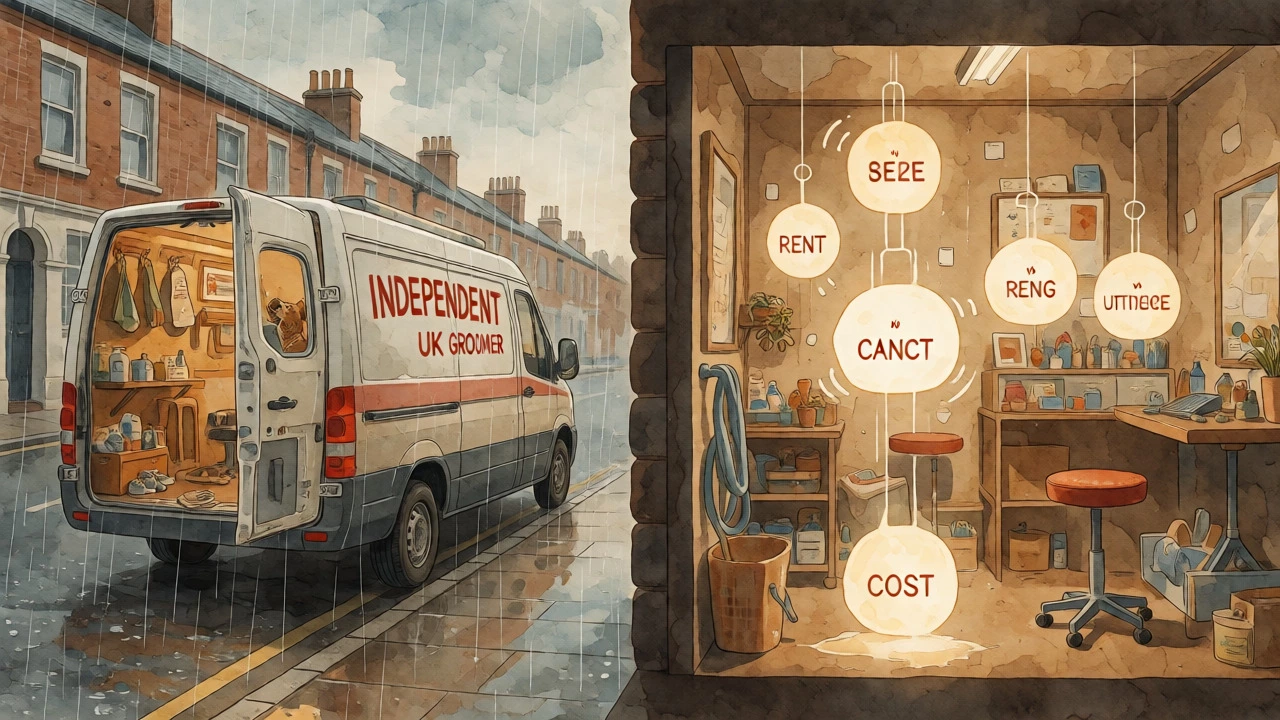
Most independent groomers operate on thin margins. Let’s look at a typical scenario in Bristol. Rent for a small shop unit might be £1,200 a month. Utilities (water, electricity for heaters and dryers) can hit £300. Insurance is £50 a month. Supplies are £200. That’s nearly £1,800 in fixed costs before the groomer pays themselves a penny.
If a groomer charges £60 per dog and can realistically see 6 dogs a day (accounting for breaks and admin), they make £360 a day. Over a 5-day week, that’s £1,800. After covering those fixed costs, the profit is zero. To make a living wage, they either need to charge more, work weekends, or increase efficiency (which is hard when safety is priority #1).
Mobile groomers add another layer of cost: vehicle fuel, maintenance, and insurance for a van fitted with plumbing and power generators. While convenient for you, these overheads are significant. A mobile setup can cost £15,000-£25,000 to build properly.
Why Not Just Do It Yourself?
You can, but consider the trade-offs. Washing a large dog at home takes time, uses your hot water, and creates a mess. Drying them with a household hairdryer takes ages and often leaves damp fur underneath, leading to hot spots or fungal infections. Cutting mats incorrectly can pull skin or leave jagged edges that snag.
For short-haired breeds like Labradors or Boxers, DIY is manageable. For Poodles, Cockapoos, Terriers, or any breed with curly or dense fur, professional help is usually worth the cost to maintain coat health. Matting isn't just cosmetic; tight mats pull on the skin, causing pain and restricting movement. Removing severe mats often requires shaving, which can take extra time and cost more.
How to Save Without Sacrificing Quality
You don't have to stop using groomers, but you can manage costs:
- Maintain between visits: Brush your dog daily. This prevents mats, keeping appointments shorter and cheaper.
- Choose the right frequency: Talk to your groomer. Some breeds need cuts every 6 weeks; others can stretch to 8 or 10.
- Book full grooms: Partial grooms (just bath and nails) often take almost as much time as a full groom due to setup/cleanup. Full grooms offer better value per minute.
- Be honest about behaviour: If your dog is difficult, tell the groomer beforehand. They may need to book extra time, and knowing this upfront avoids surprise charges.
Is it really cheaper to groom my dog at home?
Not always. Once you buy a decent dryer, clippers, and quality shampoo, you've spent £200+. Plus, you're investing several hours of your time per session. For long-haired breeds, mistakes can lead to costly vet visits for skin issues or painful mat removal.
Why do groomers charge extra for matted dogs?
Mats require careful teasing out with combs or shaving close to the skin, which takes significantly longer than a standard cut. Severe matting can also hide skin problems, requiring extra inspection time. It's physically demanding work for the groomer and uncomfortable for the dog.
Do all groomers use the same shampoos?
No. Reputable groomers use pH-balanced, professional brands tailored to coat type (e.g., whitening for white coats, moisturising for dry skin). Cheap supermarket shampoos can strip natural oils, leaving coats dull and itchy within days.
What should I ask about pricing before booking?
Ask for a quote based on your dog's current condition. Inquire if nail trims, ear cleaning, or anal gland expression are included. Ask if there are surcharges for anxiety or behavioural challenges. Transparency prevents surprises.
Are mobile groomers more expensive?
Usually, yes. Mobile groomers charge for travel time, fuel, and vehicle maintenance. However, for anxious dogs or owners without transport, the convenience and reduced stress for the animal often justify the premium.