Dog Fish Oil Selector
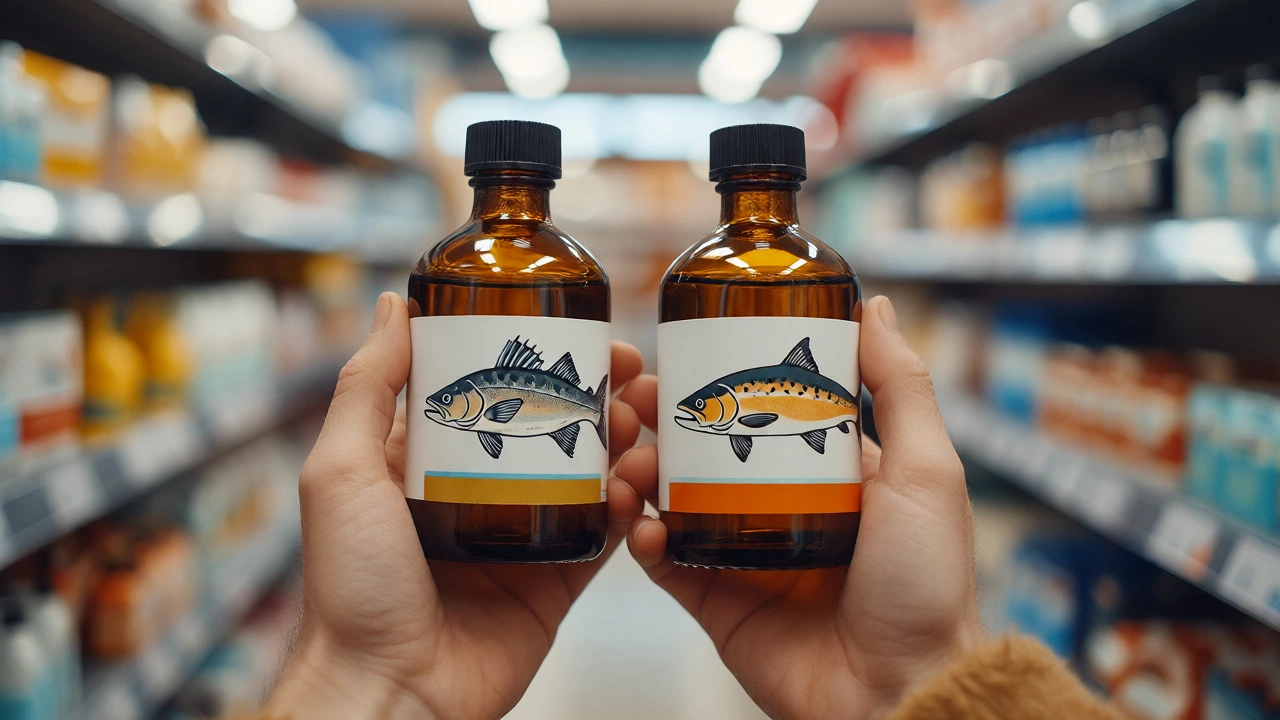
You’re standing in the pet aisle, holding two bottles of fish oil, and you’re stuck. One says Cod Liver Oil, the other says Salmon Oil. They both promise shiny coats, happy joints, and better brains. But are they actually the same thing? Spoiler alert: they aren’t. Choosing the wrong one could mean missing out on key nutrients or, worse, giving your dog too much of something that builds up over time.
Here’s the quick reality check before we get into the details:
- Salmon Oil is a pure source of Omega-3s (EPA and DHA). It’s safe to give daily without worrying about vitamin toxicity.
- Cod Liver Oil contains Omega-3s but is also packed with Vitamins A and D. This makes it potent, but you have to watch the dosage carefully.
- Best for Coat & Joints? Salmon Oil. You can dose it higher safely.
- Best for Immunity & Bone Health? Cod Liver Oil, if your vet approves it.
What Exactly Are These Oils?
Let’s clear up the confusion right away. Both oils come from fish, but they come from different parts of different fish, which changes their chemical profile entirely.
Salmon Oil is extracted from the tissue of salmon (usually wild-caught Atlantic or Pacific salmon). It is primarily valued for its high concentration of Omega-3 fatty acids, specifically EPA (eicosapentaenoic acid) and DHA (docosahexaenoic acid). Think of it as a specialized fuel for inflammation control and brain function. Because it comes from the muscle meat, it doesn’t carry significant levels of fat-soluble vitamins like A or D.
Cod Liver Oil comes from the liver of the codfish. The liver is where the fish stores energy and fat-soluble vitamins. Consequently, this oil is rich in Omega-3s but also naturally contains high levels of Vitamin A and Vitamin D. Historically, people gave cod liver oil to children to prevent rickets (due to Vitamin D) and boost immunity. For dogs, it serves a similar dual purpose, but with higher risks if overdosed.
The Nutritional Breakdown: Why It Matters
If you look at the label, you’ll see numbers for EPA and DHA. That’s the good stuff for reducing inflammation. But the invisible difference is the vitamin content. This is where most owners make mistakes.
Vitamins A and D are fat-soluble. Unlike Vitamin C, which flushes out of the body if you take too much, Vitamins A and D get stored in the liver and fat tissues. If you feed your dog cod liver oil thinking "more is better," you might accidentally push them into hypervitaminosis A or D. Symptoms include bone pain, stiffness, and digestive upset.
Salmon oil doesn’t have this risk because it lacks these vitamins. You can double the dose of salmon oil for a dog with severe arthritis without fearing vitamin toxicity. Try doubling the cod liver oil, and you might need a trip to the vet.
| Feature | Cod Liver Oil | Salmon Oil |
|---|---|---|
| Primary Benefit | Immune support, bone health, anti-inflammatory | Anti-inflammatory, skin/coat health, brain development |
| Vitamin A Content | High (Retinol) | Negligible |
| Vitamin D Content | High (D3) | Negligible |
| EPA/DHA Levels | Moderate | High |
| Toxicity Risk | Higher (if overdosed) | Very Low |
| Taste/Acceptance | Stronger, fishier taste | Milder, often more palatable |
When to Choose Salmon Oil
For the vast majority of dogs, salmon oil is the safer, more versatile starting point. Here is why you should reach for this bottle first:
- Itchy Skin and Allergies: If your dog is scratching constantly, has hot spots, or dry, flaky skin, salmon oil is your best friend. The high levels of EPA and DHA help restore the lipid barrier in the skin, locking in moisture and keeping irritants out.
- Joint Pain in Senior Dogs: Older dogs often suffer from osteoarthritis. Studies suggest that consistent Omega-3 supplementation can reduce the production of inflammatory cytokines. Because you can dose salmon oil aggressively (under guidance), you get faster relief without vitamin overload.
- Puppy Brain Development: DHA is critical for neurological development in puppies. Since puppies are still growing, adding extra Vitamin A and D from cod liver oil might interfere with proper bone growth rates unless precisely calculated. Salmon oil provides the DHA they need for smart, trainable pups without the hormonal complexity.
A practical tip: Look for salmon oil that lists "molecularly distilled" on the label. This process removes mercury and PCBs, which can accumulate in large predatory fish like salmon. Wild-caught Alaskan salmon is generally considered cleaner than farmed Atlantic salmon.
When Cod Liver Oil Makes Sense
So, is cod liver oil bad? No. It’s just specific. You should consider cod liver oil if your dog has needs beyond just coat and joints.
- Immune System Support: Vitamin A is crucial for maintaining healthy mucous membranes (eyes, respiratory tract, gut lining). If your dog gets frequent eye infections or respiratory issues, the retinol in cod liver oil supports those defenses.
- Vitamin D Deficiency: Some dogs, especially those living indoors with limited sun exposure or certain breeds prone to metabolic issues, may benefit from natural Vitamin D sources. However, always confirm deficiency via blood work before supplementing.
- Cost Efficiency: Sometimes cod liver oil is cheaper per ounce. If you are looking for a general maintenance supplement for a healthy adult dog and want to keep costs low, a small daily amount of cod liver oil covers multiple bases (Omega-3s + vitamins).
Warning: Do not give cod liver oil to pregnant dogs without veterinary supervision. Excess Vitamin A can cause birth defects in developing fetuses.
Dosing Guidelines: How Much Is Too Much?
This is where things get tricky. Manufacturers’ labels vary wildly. Instead of guessing, use these rules of thumb based on current veterinary nutrition standards.
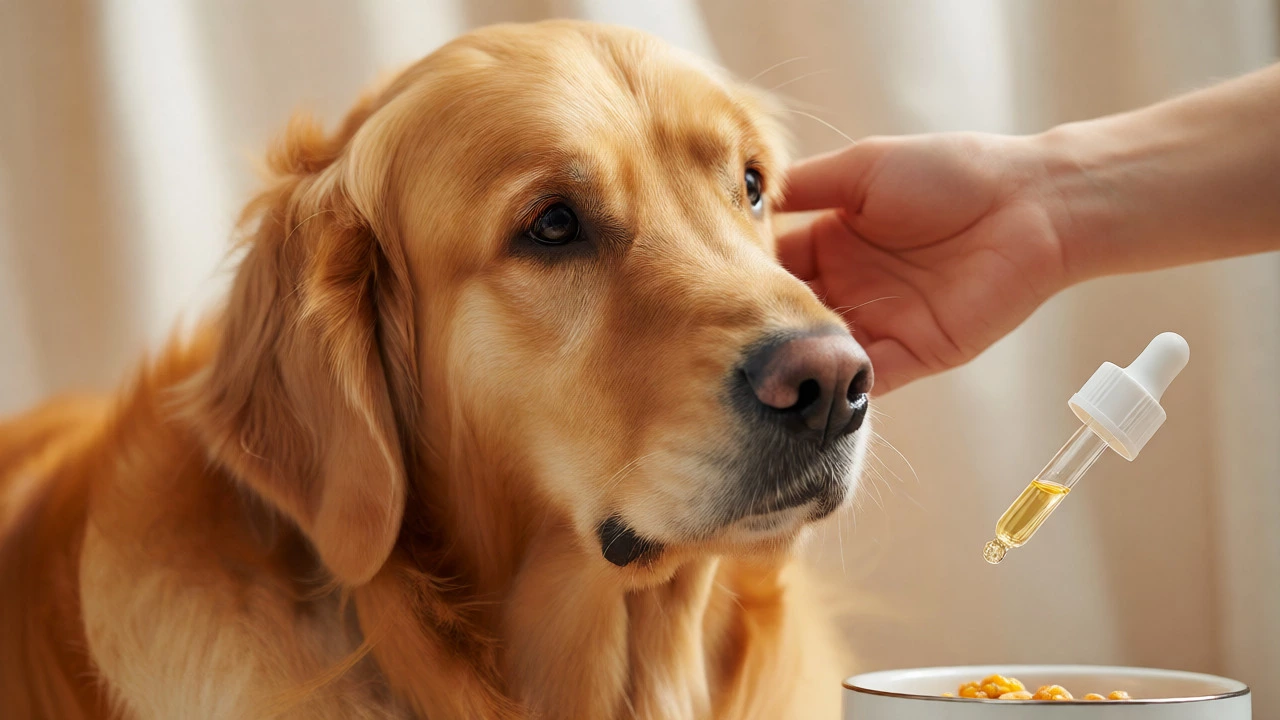
For Salmon Oil, aim for 50-75 mg of combined EPA and DHA per kilogram of body weight. For a 10kg (22lb) dog, that’s roughly 500-750 mg of combined EPA/DHA. Most liquid pumps deliver about 100-200 mg per pump, so read the label carefully.
For Cod Liver Oil, do not calculate by weight alone. Calculate by Vitamin A limits. The upper safe limit for Vitamin A is approximately 5,000 IU per day for an average-sized dog. Check your bottle: if one teaspoon has 4,000 IU of Vitamin A, you cannot give two teaspoons. Stick to the manufacturer's recommended serving size strictly.

Quality Control: Avoiding Rancid Oil
Fish oil goes bad fast. Once oxidized, it becomes pro-inflammatory-the exact opposite of what you want. A rancid oil tastes terrible and smells awful, but some dogs will still eat it mixed with food.
- Check the Date: Buy the newest batch possible. Store bottles in the refrigerator after opening.
- Look for Antioxidants: Good brands add Vitamin E (tocopherols) or rosemary extract to preserve freshness.
- The Smell Test: Open the bottle. It should smell fresh and ocean-like, not like old gym socks or paint thinner. If it smells sharp or pungent, throw it away.
- Certifications: Look for IFOS (International Fish Oil Standards) certification. This third-party testing ensures purity and potency.
Can You Give Both?
Yes, but be careful. If you want the benefits of both, you can rotate them or combine them, provided you track the total Vitamin A intake. A common strategy is using salmon oil for daily maintenance and adding cod liver oil only during winter months when sunlight is scarce and immune challenges are higher. Always consult your vet before stacking supplements.
Is cod liver oil safe for all dogs?
Generally yes, but with caution. It is not suitable for dogs with existing Vitamin A toxicity or kidney disease. Pregnant dogs should avoid it due to potential birth defects from excess Vitamin A. Always start with half the recommended dose to monitor tolerance.
Which oil helps with allergies better?
Salmon oil is typically preferred for allergies. Its higher concentration of EPA allows for therapeutic dosing to reduce systemic inflammation without the risk of vitamin overdose. Cod liver oil works, but you are limited by the Vitamin A cap.
How long until I see results?
Digestive improvements may appear within a week. Skin and coat changes usually take 4 to 6 weeks. Joint mobility improvements in senior dogs can take up to 8 to 12 weeks of consistent use.
Does fish oil cause bad breath?
Sometimes. Fresh, high-quality oil rarely causes noticeable odor. Rancid oil definitely does. To minimize breath issues, choose molecularly distilled oils and store them in the fridge. Mixing it thoroughly into wet food can also mask the scent.
Can I use human fish oil for my dog?
Yes, if it is plain fish oil without added flavors like lemon or mint, and no xylitol sweeteners. However, human capsules are often larger than needed for small dogs. Liquid versions designed for pets are easier to dose accurately.