Dog Grooming Method Selector
Find the ideal cutting technique based on your dog's breed and coat type.
Key Takeaways for Pet Owners
- Dry Cutting: Best for curly, wavy, or thick coats to see the actual shape and prevent "shrinkage."
- Wet Cutting: Ideal for long, straight hair and removing bulk, but risky for precision.
- The Golden Rule: Never cut a curly coat wet if you want a predictable length.
- Tool Choice: Use shears for dry work and clippers for wet bulk removal.
The Science of the "Shrinkage" Effect
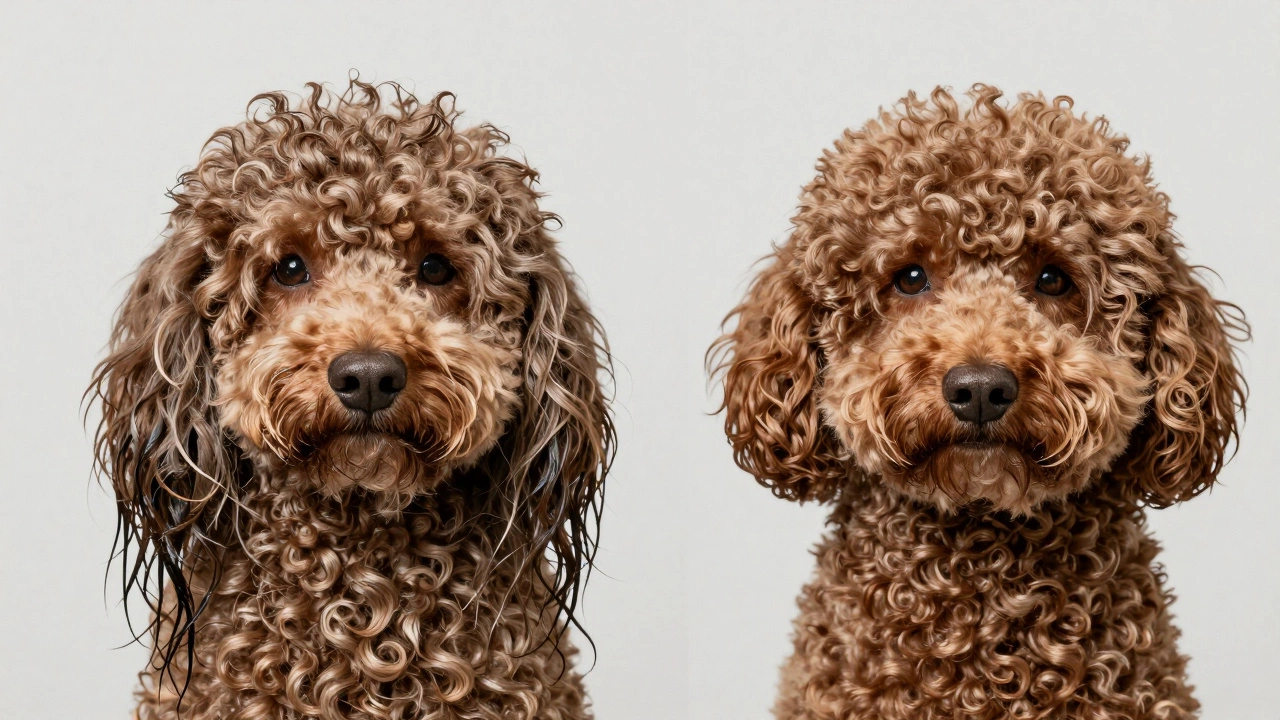
If you've ever cut your dog's hair while it was damp only to find it's suddenly two inches shorter once dry, you've experienced the shrinkage effect. Dog Hair is the keratin-based filament that grows from the follicles of a canine's skin. Unlike human hair, many dog breeds have coats that act like springs. When water hits a curly coat-think Poodles or Bichons-the weight of the water stretches the curl out. You cut it to a length that looks perfect while wet, but as the water evaporates, the hair snaps back into its natural coil. This can leave your dog looking choppy or uneven.
This is why professional groomers often use a technique called a "rough cut" while wet to remove excess bulk, but they always perform the final "finish work" on a dry coat. If you are cutting dog hair at home, skipping the wet phase for curly breeds ensures you don't accidentally give your pup a buzz cut when you only wanted a trim.
When to Choose Dry Grooming
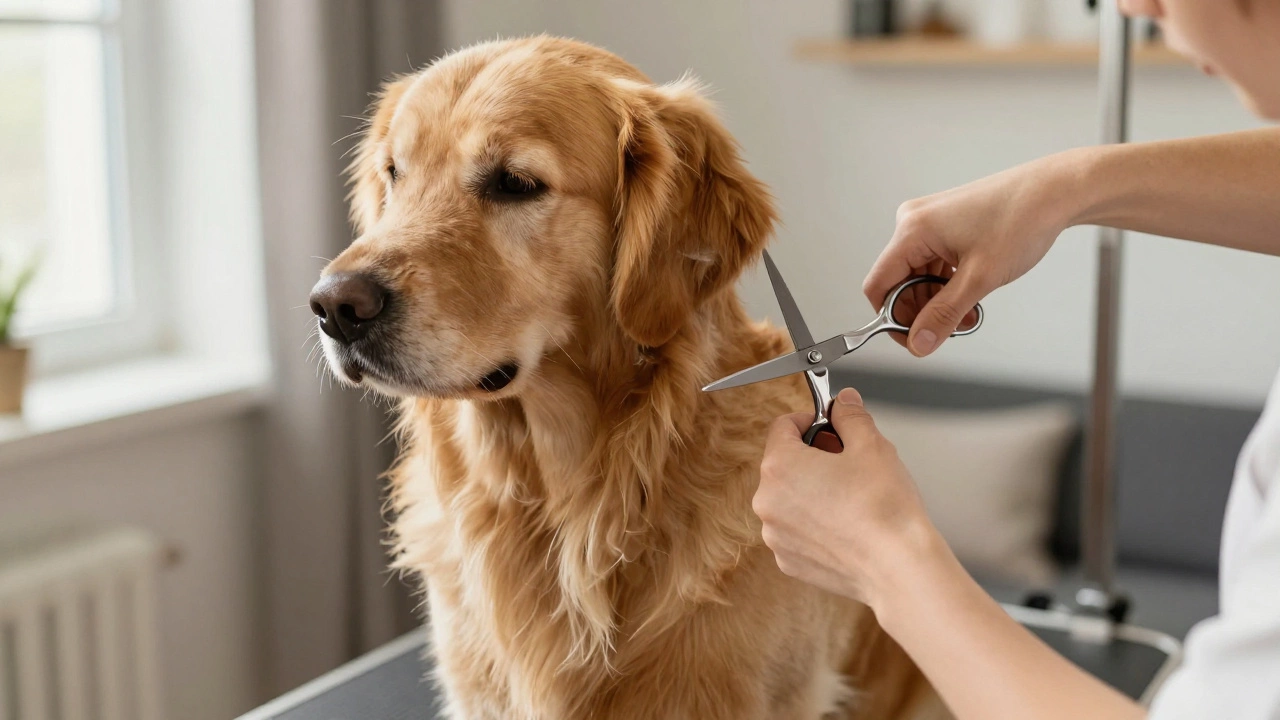
Dry grooming is the gold standard for precision. When the hair is dry, it sits in its natural position. You can see exactly where the bulk is and how the coat falls over the dog's shoulders or paws. This is essential for breeds with a Double Coat is a coat consisting of a soft, insulating undercoat and a coarser outer guard hair , such as Huskies or Labradors. Attempting to cut these coats wet can mat the undercoat and lead to painful skin pulling.
Dry cutting is also a lifesaver for dogs that get anxious. Many pups hate the bath and the loud noise of a high-velocity dryer. If your dog is trembling, trying to hold them still with wet, slippery hair is nearly impossible. By grooming them dry, you can keep the session shorter and more relaxed. Just make sure the dog is brushed thoroughly first; cutting through mats in dry hair is like trying to cut through a felt rug-it just doesn't work.
The Benefits of Wet Grooming
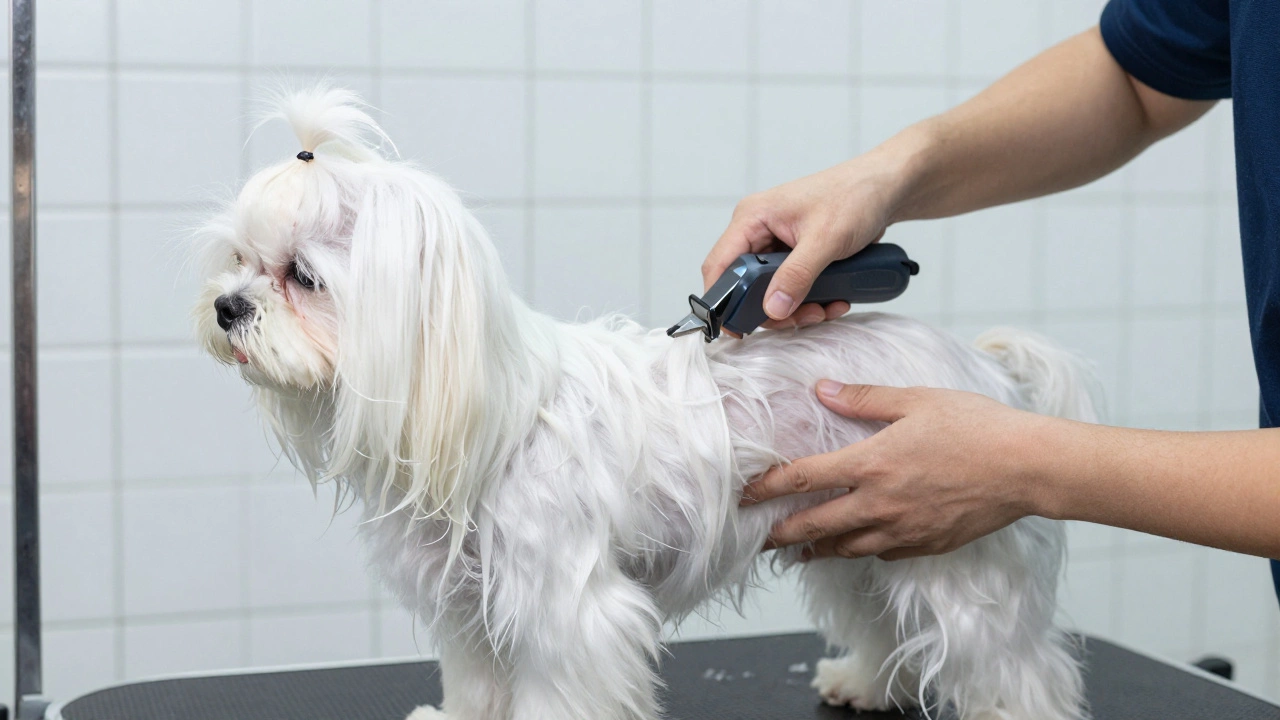
So, when does water actually help? Wet grooming is fantastic for long-haired, straight-coated breeds like Maltese or Yorkies. When the hair is wet, it clumps together into "locks." This allows you to see the overall silhouette of the dog and remove huge amounts of hair quickly without the fluff getting in your way. It's much easier to create a clean line along the belly or the sanitary areas when the hair is weighed down by water.
Furthermore, Clippers (the electric tools used for shearing) generally perform better on damp hair for certain styles. Wet hair is more pliable, and the blades can glide through thick mats or dense areas more efficiently than they would on dry, brittle hair. However, be careful: using clippers on a soaking wet dog can sometimes lead to "clipper burn" if the skin is too soft or if the blades get too hot against the damp skin.
Comparing the Two Approaches
| Feature | Wet Cutting | Dry Cutting |
|---|---|---|
| Precision | Low (due to shrinkage) | High (natural fall) |
| Speed | Fast for bulk removal | Slower, more detailed |
| Best Coat Type | Straight, long hair | Curly, wavy, double coat |
| Dog Stress | Higher (bath/dryer) | Lower (generally) |
| Tool Use | Clippers/Rough shears | Detail shears/Thinners |
Step-by-Step Guide for the Perfect Trim
If you're not sure which method to use, the best approach is a hybrid method. This is how the pros do it to get that perfectly rounded, fluffy look. Follow these steps to avoid the common pitfalls of home grooming:
- The Pre-Bath Brush: Never let water hit a matted coat. Use a slicker brush to remove all tangles. If you wet a mat, you effectively "lock" it into place, making it a permanent knot.
- The Bath: Use a shampoo suitable for your dog's skin type. Make sure you rinse thoroughly; leftover soap makes the hair sticky and hard to cut.
- The Rough Cut: While the dog is damp (towel-dried, not dripping), use your clippers to remove the bulk from the legs and belly. Don't worry about perfect lines yet.
- The Proper Dry: Use a High-Velocity Dryer is a powerful grooming tool that blows water and loose hair off the coat using a concentrated stream of air or a fluffy towel. You want the hair to be 100% dry and "fluffed out."
- The Finish Work: Now, use your grooming shears. Cut the hair while it's in its natural, dry state. This is where you shape the paws and trim the face.
Common Pitfalls to Avoid
One of the biggest mistakes owners make is using kitchen scissors. These aren't sharp enough for dog hair and often "chew" through the strand, leading to split ends and jagged edges. Invest in a pair of professional grooming shears; they are designed to slice cleanly through the hair without pulling.
Another danger is ignoring the skin. When hair is wet, it can cling to the body, making it hard to tell where the skin ends and the hair begins. If you're using clippers on a wet dog, use your free hand to pull the skin taut. This prevents the blades from catching a fold of skin, which can cause a nasty nick. If you're cutting dry, be mindful of the "invisible" skin hidden under a thick, fluffy coat.
Matching the Method to the Breed
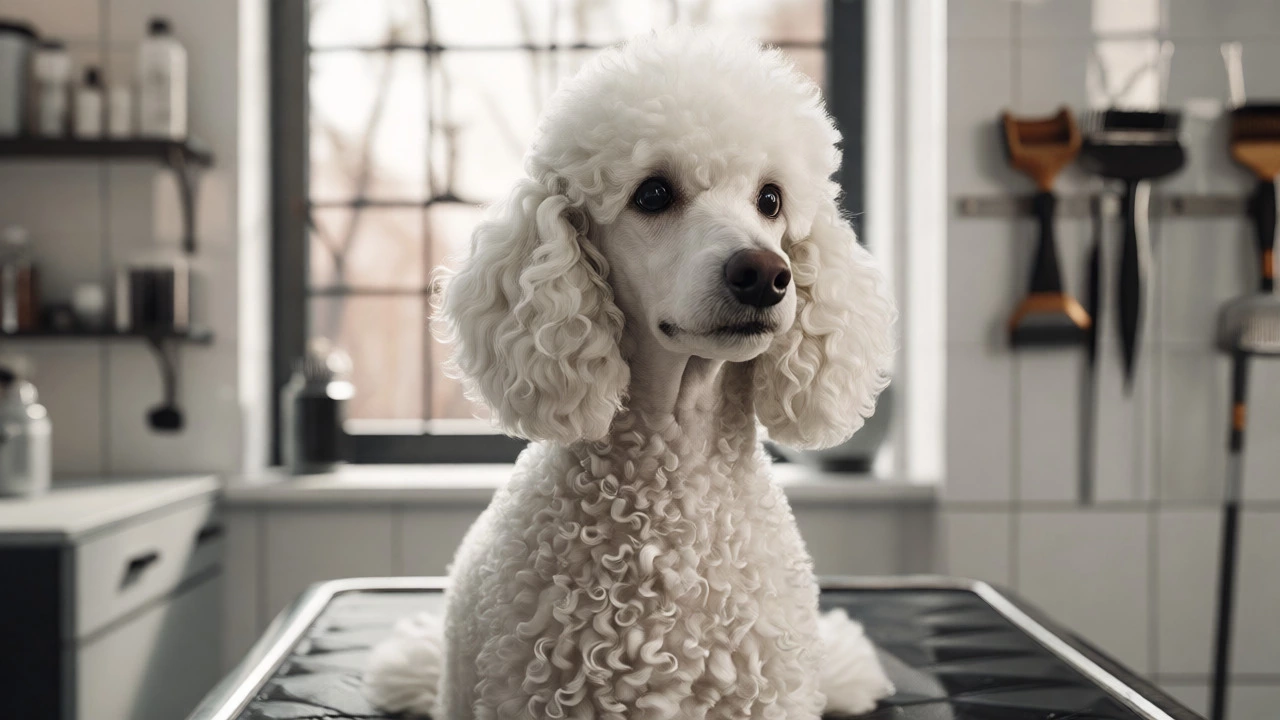
To make it simple, let's look at a few common scenarios. If you have a Poodle is a breed known for its curly, hypoallergenic coat that requires regular professional grooming , lean heavily toward dry cutting for any visible areas. If you try to trim a Poodle's top-knot while wet, you'll likely end up with a hole in the hair once it dries.
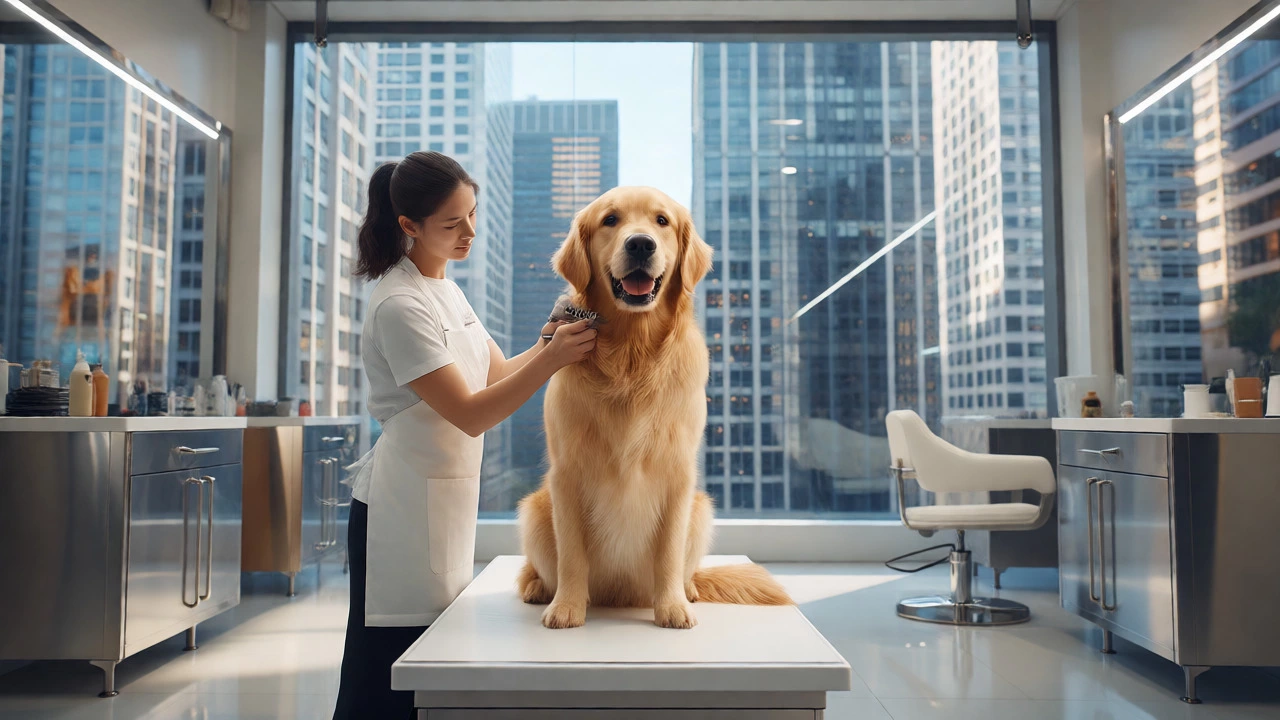
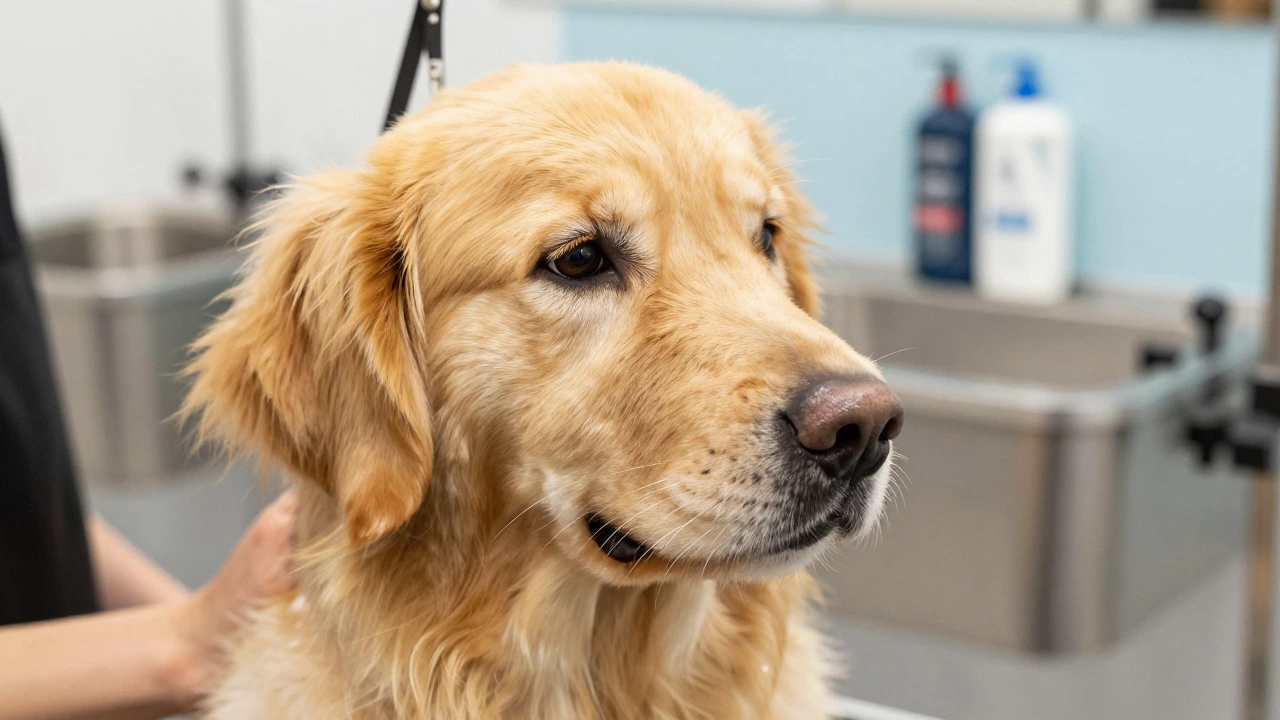
For a Golden Retriever is a sturdy, friendly breed with a dense, water-repellent double coat , dry grooming is non-negotiable. Their coats are designed to repel water, so wetting them doesn't actually "smooth" the hair; it just makes it a heavy, soggy mess that's hard to manage.
On the other hand, a Maltese is a small toy breed with long, silky white hair can handle wet grooming quite well. Because their hair is more like human hair, it doesn't snap back as violently as a Poodle's curl does, making the wet-to-dry transition much more predictable.
Can I cut my dog's hair wet if I don't have a blow dryer?
You can, but you must be very cautious with length. If your dog has curly or wavy hair, leave the hair significantly longer than your desired final length. The hair will shrink as it air-dries. For straight-haired dogs, air-drying is fine, but avoid precision trimming until the coat is completely dry to ensure the lines are straight.
Why do professional groomers always bathe dogs first?
Bathing removes dirt, oils, and dander that can dull the blades of clippers and shears. More importantly, it allows the groomer to uncover mats and tangles. If they cut a dry, matted coat, they might miss hidden knots that only become apparent once the dog is bathed and brushed out.
Will cutting hair wet cause my dog's coat to mat more?
Not necessarily, but if you don't brush the hair out properly after the bath and before the final trim, you can certainly create new mats. Water can cause some hair types to clump; if you trim around these clumps without brushing them out, you leave the rest of the coat prone to tangling.
Is it safe to use electric clippers on wet hair?
Yes, provided the clippers are designed for it and the dog is not soaking wet (which could cause the tool to slip). Many professional clippers are used on damp coats for bulk removal. Just ensure the blades are clean and you're using a guard if you're not an experienced groomer.
What should I do if I accidentally cut too much while the hair was wet?
Unfortunately, there's no way to "put it back." The best solution is to dry the dog completely and then use your shears to blend the short area into the rest of the coat. Focus on rounding the edges so the mistake looks like an intentional style choice rather than a jagged patch.
Next Steps for Home Groomers
If you're new to this, start with a "dry run." Spend a few sessions just brushing your dog and getting them used to the sound of the clippers without actually cutting anything. If you decide to try the wet-then-dry hybrid method, make sure you have a safe space to dry the dog where they won't get cold or stressed.
For those with high-maintenance breeds, consider scheduling a professional groom every 6-8 weeks and using your home sessions only for "maintenance trims" around the paws and eyes. This keeps your dog looking sharp without the risk of a home-grooming mishap. If you notice your dog's skin is irritated or has red patches after a wet groom, switch to dry grooming or consult a vet to see if they have a skin allergy to your shampoo.
Popular posts