Rachael Ray Nutrish Suitability Checker
Not sure if this brand fits your pup? Answer the questions below to get a personalized assessment based on veterinary concerns regarding legume-heavy diets and nutritional profiles.
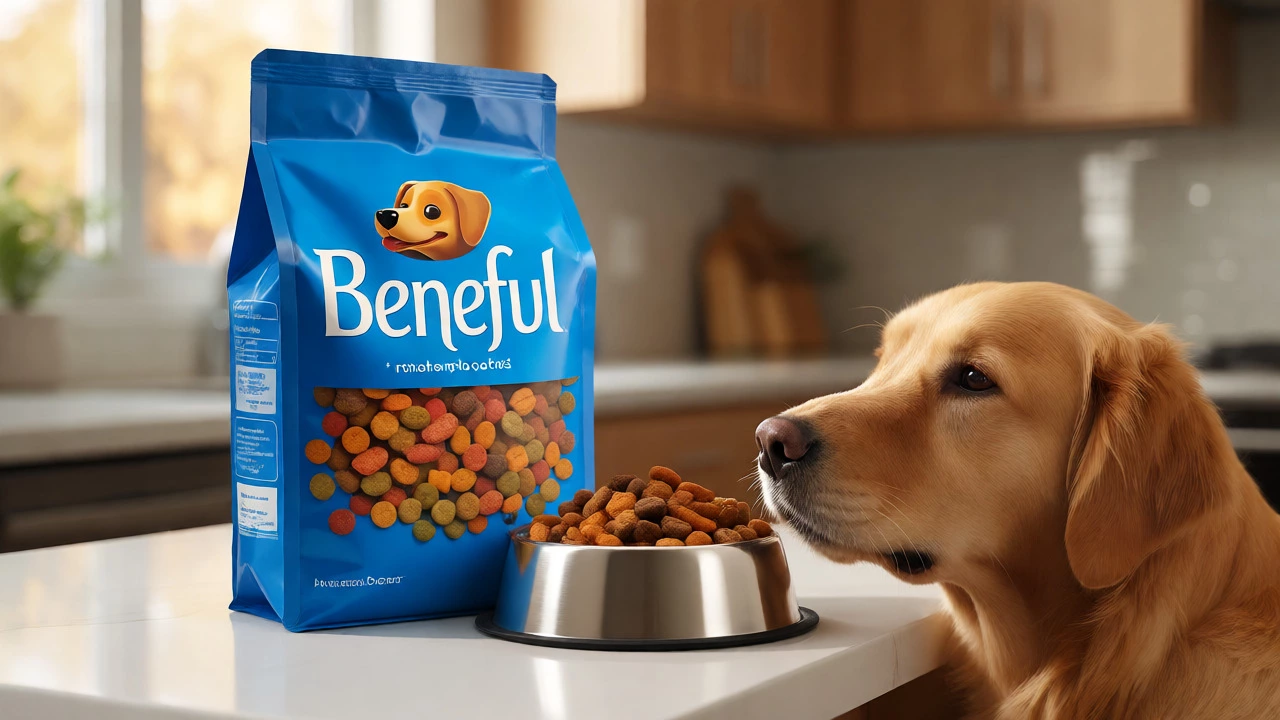
You see the face on the bag. It’s familiar, friendly, and promises that your pup will eat like royalty. Rachael Ray Nutrish is a pet food brand co-founded by celebrity chef Rachael Ray, focusing on natural ingredients and simple recipes for dogs. But does the packaging match the nutrition inside? If you’re standing in the aisle wondering if this is a premium choice or just good marketing, you aren’t alone.
The short answer? It’s decent for healthy adult dogs with no specific dietary sensitivities, but it has some significant drawbacks for others. Let’s break down exactly what’s in the bowl so you can decide if it fits your dog’s needs.
What Is Actually Inside the Bag?
Nutrish markets itself on "simple ingredients." For many owners, that sounds great. Who wants mystery meat? The brand offers dry kibble, wet food, and treats. The core promise is real chicken as the first ingredient (in most formulas) and no corn, wheat, or soy fillers.
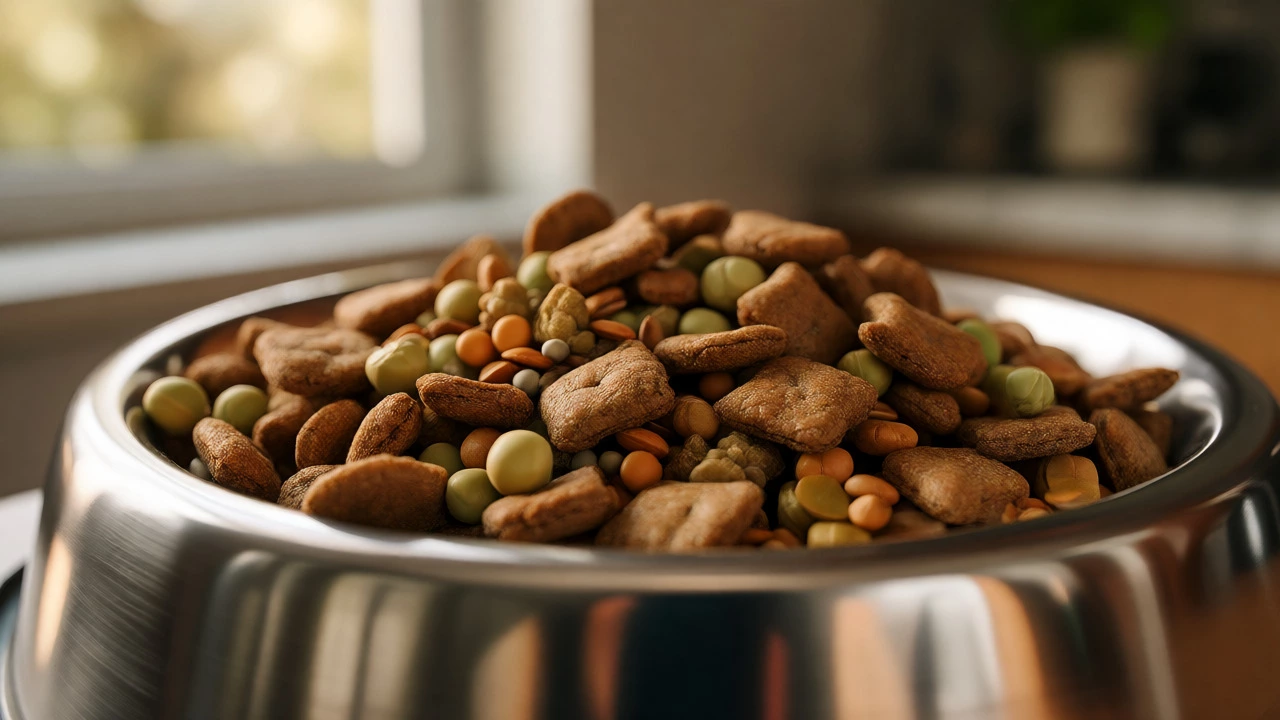
But "no fillers" doesn’t automatically mean "high protein." Many Nutrish formulas rely heavily on legumes-peas, lentils, and chickpeas-to bulk up the carb count. This matters because recent FDA investigations have linked high concentrations of these ingredients to Dilated Cardiomyopathy (DCM) in certain breeds, particularly Golden Retrievers and Boxers. While the link isn’t fully proven, it’s a risk factor worth knowing about.
Here is a quick look at the typical nutritional profile for their standard Chicken & Veggies recipe:
| Nutrient | Minimum/Maximum % | Why It Matters |
|---|---|---|
| Crude Protein | Min 24% | Adequate for maintenance, low for active working dogs. |
| Crude Fat | Min 13% | Moderate energy source; watch weight if your dog is sedentary. |
| Crude Fiber | Max 5% | Standard level; helps with digestion but not high-fiber therapeutic. |
| Moisture | Max 10% | Standard for dry kibble. |
| Taurine | Not Guaranteed | Critical concern given the legume-heavy base. |
The Wet Food Exception
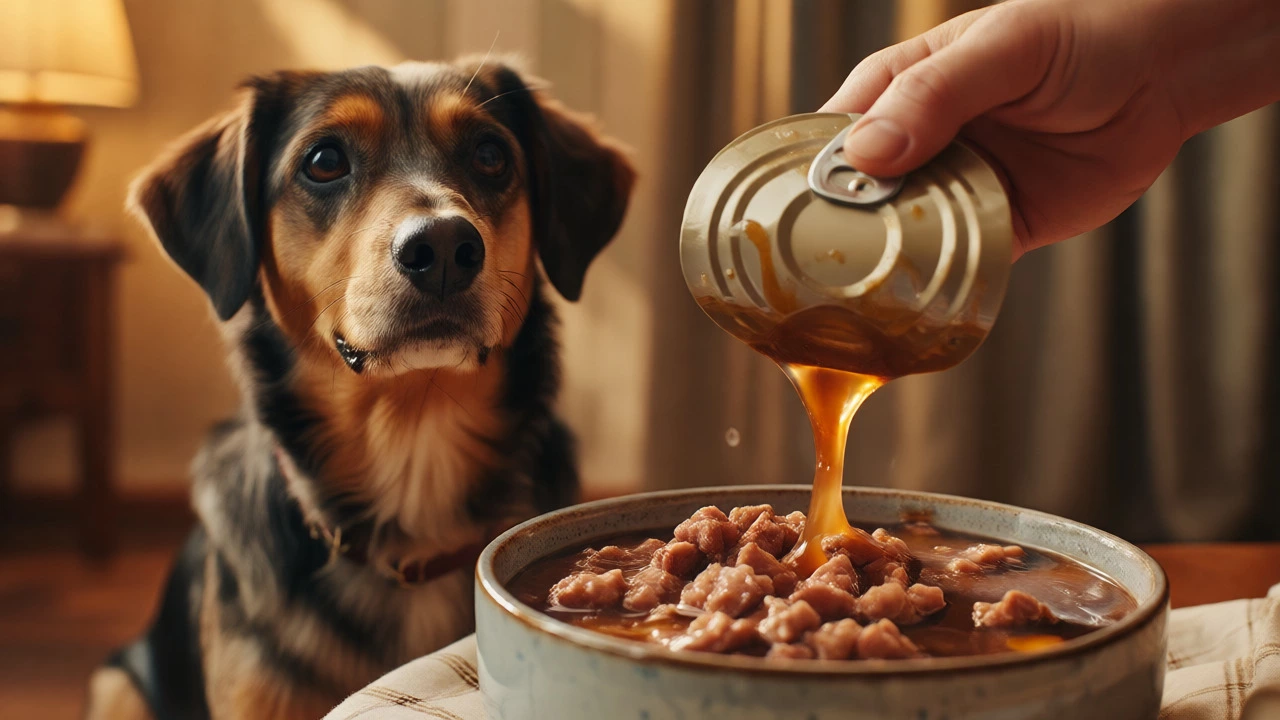
If you’ve tried Nutrish dry kibble and found it lacking, the wet food might surprise you. Their "Superfood Blends" and classic canned options are often rated higher than their dry counterparts. Why? Because they tend to use more actual meat broth and fewer plant-based binders.
For picky eaters, mixing a little Nutrish wet food into a higher-quality dry kibble can be a game-changer. It adds moisture, which is great for kidney health, especially in older dogs. Just be aware that the calorie density is different. You’ll need to adjust portions so you don’t accidentally overfeed.
Who Should Avoid Rachael Ray Nutrish?
This brand isn’t one-size-fits-all. In fact, for some dogs, it could cause more harm than good.
- Dogs with Grain Allergies: While Nutrish avoids corn and wheat, it uses peas and lentils. These are legumes, not grains, but they are common allergens for some sensitive stomachs. If your dog gets gassy or itchy after switching, check the label.
- Puppies: Most Nutrish formulas are labeled "All Life Stages," but they often lack the precise DHA levels needed for optimal brain development compared to specialized puppy foods from Purina Pro Plan or Royal Canin.
- Dogs with Kidney Disease: The phosphorus content in many grain-free kibble options can be too high for dogs managing chronic kidney disease. Always consult your vet before switching if your dog has renal issues.
Price vs. Value: Is It Worth It?
Let’s talk money. Nutrish sits in the mid-tier. It’s cheaper than Orijen or Acana but more expensive than Purina One or Iams. You’re paying partly for the brand recognition and the "clean label" appeal.
Is the value there? If your dog thrives on it, yes. The ingredients are transparent, and the sourcing is generally reputable. However, if you compare cost-per-nutrient, you might find better deals. For example, Blue Buffalo Life Protection Formula is a widely available natural dog food brand offering similar protein levels often at a slightly lower price point per pound. Blue Buffalo also provides guaranteed taurine levels, addressing one of Nutrish’s weak spots.
Real Owner Experiences
I’ve spoken with dozens of dog owners in Bristol who have tried this brand. The consensus splits neatly into two camps:
- The "It Works" Camp: Owners of medium-sized, healthy mixed-breed dogs report shiny coats and good energy. They love that the kibble isn’t coated in artificial colors or heavy oils. One owner noted her rescue lab stopped scratching within three weeks of switching.
- The "Stomach Upset" Camp: Several owners reported loose stools during the transition period. This is common with any diet change, but the high fiber from legumes seems to trigger it more frequently here than with rice-based diets.

How to Transition Safely
Don’t just dump new food in the bowl. Your dog’s gut bacteria need time to adapt. Follow this 7-day schedule to minimize digestive drama:
- Days 1-2: 75% old food, 25% Nutrish.
- Days 3-4: 50% old food, 50% Nutrish.
- Days 5-6: 25% old food, 75% Nutrish.
- Day 7: 100% Nutrish.
If you see vomiting or diarrhea lasting more than 48 hours, stop the transition. Go back to the previous ratio and slow down, or consider a different brand entirely.
Final Verdict: Buy or Skip?
So, is Rachael Ray Nutrish good for dogs? It depends on your definition of "good." If you want a natural, accessible option without exotic proteins, it’s a solid B-grade choice. It beats grocery store generics hands down.
However, if you have a breed prone to heart issues, a dog with strict medical dietary needs, or a puppy needing intensive growth support, you might want to look elsewhere. There are plenty of other options that offer guaranteed taurine levels and clearer veterinary backing.
Does Rachael Ray Nutrish contain taurine?
Most Rachael Ray Nutrish dry food formulas do not list taurine as a guaranteed nutrient on the label. Taurine is an amino acid critical for heart health, and its absence is a primary concern for veterinarians recommending against grain-free, legume-heavy diets for susceptible breeds.
Is Rachael Ray Nutrish grain-free?
Yes, most of their popular dry kibble lines are grain-free. They avoid corn, wheat, and soy. Instead, they use alternative carbohydrate sources like peas, lentils, and sweet potatoes. Note that "grain-free" does not necessarily mean "low-carb" or "better," as legumes can still cause digestive issues in some dogs.
Where is Rachael Ray Nutrish made?
The majority of Rachael Ray Nutrish products are manufactured in the United States. The brand partners with various US-based facilities to produce their kibble and wet food, ensuring compliance with American Association of Feed Control Officials (AAFCO) standards.
Can puppies eat Rachael Ray Nutrish?
Many formulas are labeled for "all life stages," meaning they meet minimum requirements for puppies. However, specialized puppy foods usually offer higher levels of DHA and calcium specifically calibrated for bone and brain development. For large-breed puppies, a dedicated large-breed formula is often safer to prevent rapid growth issues.
Why is my dog itching after eating Nutrish?
If your dog experiences increased itching, it could be a sensitivity to the primary protein (usually chicken) or the high concentration of legumes like peas and lentils. Some dogs react to the specific plant proteins used as fillers in grain-free diets. Try an elimination diet with a novel protein source to identify the culprit.