

Wag UK Earnings Estimator
Estimate your take-home pay based on location, walk duration, and travel time. Remember, Wag takes a ~20% commission.
Walk Details
Monthly Projection
You’re scrolling through your phone, maybe waiting for a bus or sitting on the sofa after work, and you see an ad: "Walk dogs, make money." It sounds too good to be true. You love dogs, you have some free time, and you live in a city like Bristol where people are always working late. But is Wag actually worth your time, or is it just another gig economy trap?
I’ve looked at the numbers, talked to walkers across the UK, and tested the app myself. The short answer? Yes, it can be a decent side hustle, but only if you treat it like a business, not a lottery ticket. If you expect to quit your job next month, you’ll be disappointed. If you want £100-£300 extra a month with minimal commitment, it’s solid.
The Reality of Earnings: What You Actually Get Paid
Let’s cut through the marketing fluff. When you sign up for Wag, you don’t set your own prices. The platform does. This is the biggest point of friction for many freelancers. You might think, "I’m skilled, I have references, why should I take £12 for an hour?" Because that’s what the market currently pays on this specific app.
In the UK, typical rates for a 30-minute walk range from £8 to £15, depending on your location. London and major cities like Manchester or Edinburgh tend to pay slightly higher due to demand. In places like Bristol or Bath, you might see offers closer to £10-£12. Remember, Wag takes a commission-usually around 20%-so if a client pays £15, you get about £12.
| Location | Avg Gross Rate (30 mins) | Wag Commission (~20%) | Your Net Pay | Effective Hourly Rate |
|---|---|---|---|---|
| London | £14 - £18 | £2.80 - £3.60 | £11.20 - £14.40 | £22.40 - £28.80 |
| Bristol/Bath | £10 - £14 | £2.00 - £2.80 | £8.00 - £11.20 | £16.00 - £22.40 |
| Rural/Suburbs | £8 - £12 | £1.60 - £2.40 | £6.40 - £9.60 | £12.80 - £19.20 |
Notice the "Effective Hourly Rate." That assumes you get back-to-back walks. In reality, you’re driving or walking between appointments. If you spend 20 minutes traveling for a 30-minute walk, your hourly rate drops significantly. Always factor in travel time when deciding if a job is worth accepting.
Time Commitment: Flexibility vs. Reliability
The main selling point of Wag is flexibility. You open the app, see available walks nearby, and accept them. No boss breathing down your neck. No fixed shifts. You can do one walk on Tuesday morning and none until Friday evening. For students, parents, or people with erratic work schedules, this freedom is gold.
But here’s the catch: reliability matters more than you think. Clients hire you because they trust you with their family member. If you cancel last minute, your rating drops. Low ratings mean fewer invites. High-paying clients often filter out walkers with ratings below 4.5 stars. So while you can choose when to work, you can’t really choose whether to show up once you’ve accepted a job.
Also, consider the "warm-up" period. New users rarely get instant access to high-value clients. You might start with shorter walks or less desirable timeslots. Building a reputation takes weeks, sometimes months. Don’t judge the platform’s potential based on your first week.
Safety and Insurance: Are You Covered?
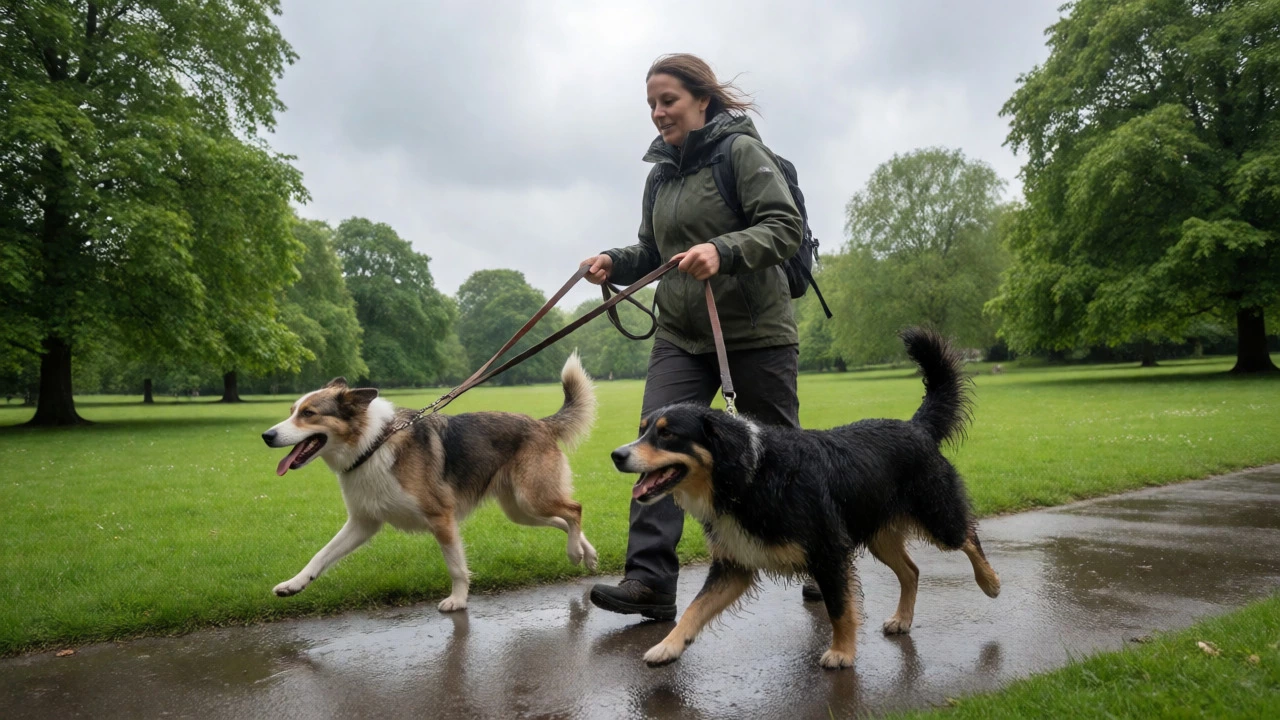
Dog walking isn’t risk-free. Dogs pull, trip, or get into fights. Owners worry about liability. You worry about getting bitten or sued. Wag addresses this by providing insurance coverage during active walks. This is a huge plus compared to private arrangements where you’d need your own public liability insurance.
However, read the fine print. The insurance typically covers incidents that happen while you are actively walking the dog and using the app to track the route. If you step off the path to buy coffee and the dog runs into traffic, you might be outside the coverage window. Always keep the app active and stay focused. Never leave the dog unattended, even for a minute.
Another safety aspect is vetting. Wag performs background checks on walkers. This reassures owners but also means you need to pass these checks initially. Provide accurate information and be prepared for a slight delay before you can start accepting jobs.
Client Interaction: Handling Expectations
Not all clients are easy. Some want detailed photo updates every five minutes. Others don’t care as long as the dog comes home happy. Wag’s messaging system lets you communicate before, during, and after the walk. Use it wisely.
Pro tip: Send a quick photo within the first 5 minutes of starting the walk. It builds immediate trust. At the end, send a summary: "Had a great walk! He loved the park and ate his treats." Small touches lead to repeat bookings. Repeat clients are the secret to making Wag profitable. Chasing new one-off walks is exhausting and low-yield.
Be clear about boundaries. If you don’t offer poop scooping beyond standard cleanup, say so upfront. If you won’t handle medication, state it in your profile. Misaligned expectations lead to bad reviews, which hurt your future earnings.
Alternatives: Should You Stick with Wag?
Wag isn’t the only player. Rover is its biggest competitor, especially in the US, but has a growing presence in the UK. Petbacker is another option popular in certain regions.
Here’s how they stack up:
- Wag: Best for quick, on-demand walks. Lower barrier to entry. Higher turnover of clients. Less control over pricing.
- Rover: Better for building long-term relationships. Allows you to set your own rates (in supported areas). More emphasis on profiles and reviews. Slower to start earning.
- Private Clients: Highest profit margin (no commission). Requires marketing effort. No built-in insurance or payment protection.
If you hate managing invoices and finding clients, stick with apps. If you’re entrepreneurial and want to maximize profit, use Wag to fill gaps in your schedule while you build a private client base.
Is It Right for You? A Quick Checklist
Before downloading the app, ask yourself these questions:
- Do you live in a dense area? Rural walkers struggle with low volume. City dwellers have more options.
- Can you handle unpredictable weather? Rain, wind, and cold don’t stop the app. You need proper gear.
- Are you patient with animals? Not all dogs are well-behaved. You’ll meet reactive pups and stubborn rescues.
- Do you have reliable transport? Walking between appointments works in compact cities. Suburbs require a car or bike.
If you checked yes to most of these, Wag is a viable side hustle. It won’t replace a full-time salary, but it turns spare hours into cash without the stress of running a full business.
How much can I realistically earn on Wag in the UK?
Most part-time walkers in urban areas earn between £100 and £300 per month. Full-time walkers in high-demand cities like London can make £1,000+, but this requires treating it as a primary job with strict scheduling.
Does Wag cover insurance for dog bites or injuries?
Yes, Wag provides insurance coverage for accidents that occur during active walks tracked via the app. However, exclusions apply for negligence or activities outside the agreed scope, so always follow app guidelines.
Can I set my own prices on Wag?
No, Wag sets standard rates for different types of services (walks, drop-ins) based on location and market demand. Walkers cannot negotiate individual prices directly with clients within the app.
What happens if a dog gets sick or injured during my walk?
Contact the owner immediately via the app. Wag’s support team can assist with emergency protocols. Your insurance may cover veterinary costs if the incident is deemed accidental and covered under policy terms.
Is Wag better than Rover for beginners?
Wag is generally easier for beginners because it handles matching and payments automatically. Rover requires more self-marketing but offers higher earning potential once you establish a loyal client base.