
Dog Ownership Cost Estimator
Estimated Annual Total
$0
Excludes emergency medical events
| Location | Avg. Monthly Food | Avg. Grooming Visit | Avg. Vet Checkup | Est. Annual Base* |
|---|
*Base estimate assumes standard care levels. Use the calculator above for personalized results.
You love your dog. They’re family. But have you ever looked at your monthly budget and wondered why keeping them happy costs so much more than it did last year? It’s not just inflation hitting the grocery store; it’s specific to where you live. If you’re in California or New York, your wallet feels the pinch differently than if you’re in Ohio or Texas. The biggest culprit isn’t usually the food bag-it’s the services. Dog grooming alone can vary by hundreds of dollars depending on your zip code.
Let’s break down exactly which states hit dog owners hardest and why. We aren’t guessing here. We’re looking at real data from veterinary associations, grooming industry reports, and state tax codes. By the end of this read, you’ll know if you’re overpaying or if your high bills are just the cost of doing business in a high-cost-of-living area.
The Top Tier: Where Your Wallet Hurts Most
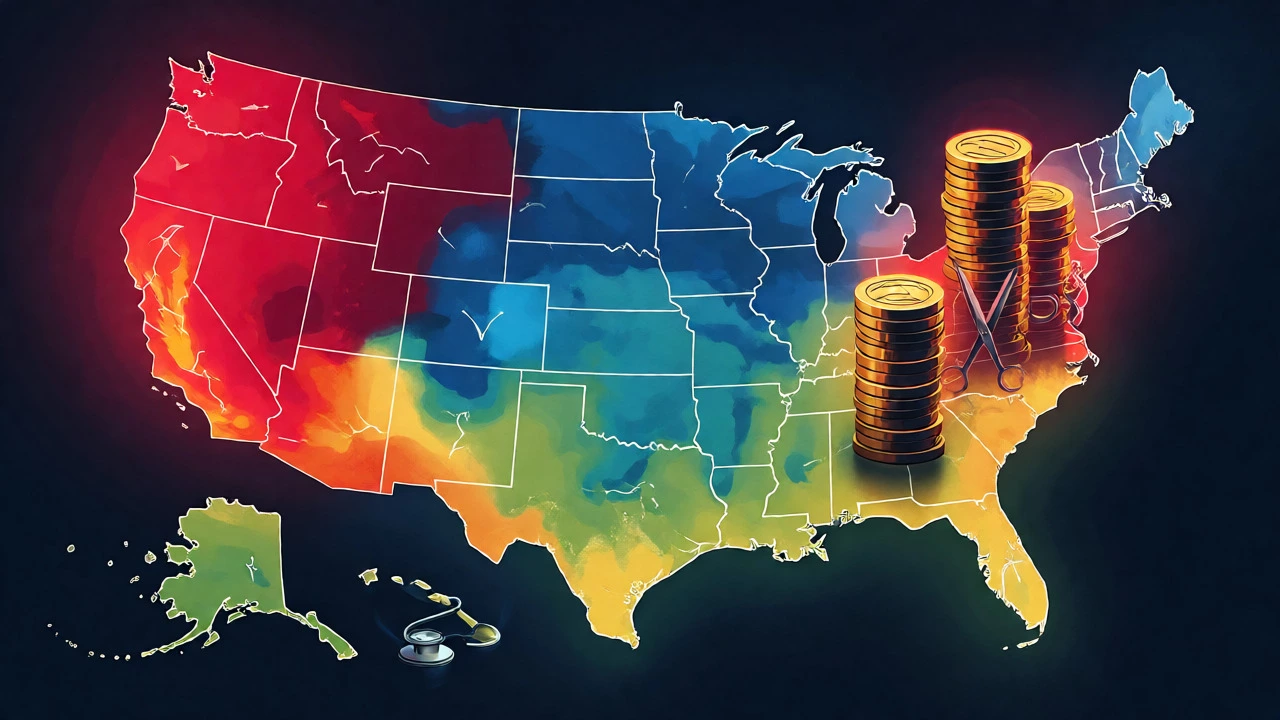
If you think living in a major city is expensive, try adding a Golden Retriever to the mix. According to recent data from WalletHub and the American Pet Products Association, Hawaii consistently ranks as the most expensive state to own a dog. Why? It’s an island. Everything has to be shipped in. That drives up the price of kibble, toys, and even the shampoo used at the groomer.
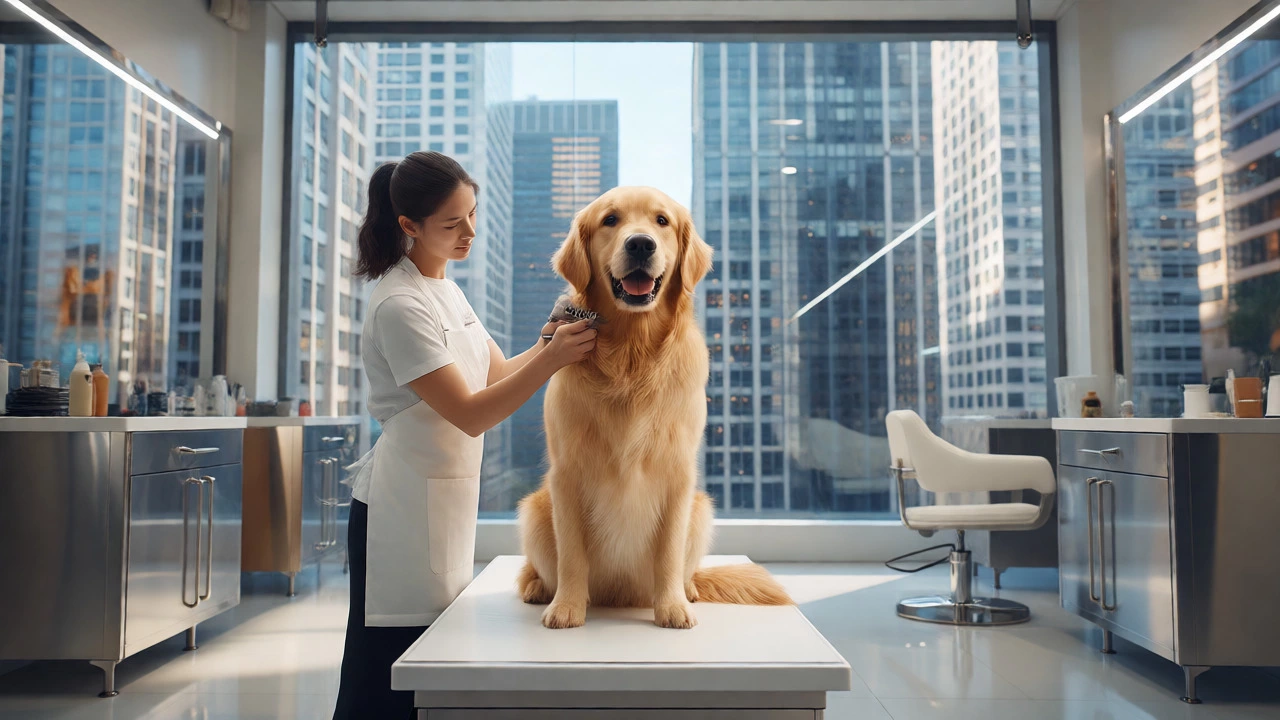
Right behind Hawaii are California, New York, and Massachusetts. These states share a few common traits: high minimum wages, strict labor laws, and dense urban populations. When the minimum wage goes up, the cost of a haircut goes up. A basic bath and brush that might cost $40 in rural Kansas could easily run $85 to $120 in San Francisco or Boston. It’s not because the groomer is working harder; it’s because their rent and insurance are higher.
| State | Avg. Monthly Food Cost | Avg. Grooming Visit | Avg. Vet Checkup | Est. Annual Total* |
|---|---|---|---|---|
| Hawaii | $65 - $90 | $90 - $130 | $250 - $350 | $3,500+ |
| California | $55 - $80 | $75 - $110 | $220 - $300 | $3,200+ |
| New York | $50 - $75 | $80 - $120 | $240 - $320 | $3,100+ |
| Massachusetts | $50 - $70 | $70 - $100 | $210 - $290 | $2,900+ |
| Average US | $40 - $60 | $50 - $80 | $180 - $250 | $2,100+ |
Why Grooming Prices Spike in Certain Regions
You might ask, "Why does grooming cost double in some places?" It comes down to three things: labor, regulation, and demand. In states like Washington and Oregon, there are stricter regulations on animal welfare facilities. This means groomers need better ventilation, larger crates, and more staff per animal. Those costs get passed to you.
Then there’s the skill gap. In coastal cities, there’s a higher concentration of specialty breeds-Poodles, Shih Tzus, Doodles-that require complex cuts. A groomer in Manhattan spends two hours on a Poodle cut. A groomer in a suburban town might do a simple trim in thirty minutes. You’re paying for time and expertise. If you have a low-maintenance breed like a Labrador, you won’t see the same price jump as someone with a Maltese.
Also, consider the supply chain. Premium shampoos, conditioners, and treats often come from specialized brands. Shipping these goods to remote areas or islands adds a surcharge. In Hawaii, a bottle of premium oatmeal shampoo might cost 30% more than in Nevada due to freight costs.
Veterinary Care: The Hidden Budget Killer
Grooming is annoying, but vet bills are scary. Veterinary costs follow the same geographic trends as grooming. Cities with higher salaries for veterinarians charge more. The average starting salary for a veterinarian in San Jose, California, is significantly higher than in rural Alabama. To cover those salaries, clinics raise their rates for exams, vaccines, and diagnostics.
In expensive states, a simple ear infection treatment can cost $200 more than the national average. Add in diagnostic blood work, and you’re looking at a $500 bill for something minor. This is why pet insurance is almost mandatory in states like New York and California. Without it, one broken leg can wipe out your savings.
Be careful with "urgent care" clinics. In dense urban areas, these pop-up clinics charge a premium for convenience. Always call ahead for estimates. Many vets will give you a range over the phone if you describe the symptoms. Don’t let them surprise you at checkout.
Food and Supplies: The Daily Grind
You buy dog food every month. In expensive states, this line item creeps up faster than you notice. High-end brands like Orijen or Acana cost more everywhere, but the markup is steeper in high-rent districts. Local pet boutiques in trendy neighborhoods charge a premium for the "experience." You’re paying for the nice lighting and the curated selection.
Compare this to big-box stores like Costco or Chewy. Even in expensive states, buying in bulk online can save you 15-20%. However, shipping heavy bags of food to Alaska or Hawaii can negate those savings. If you live in these regions, look for local co-ops or farms that produce fresh food. Sometimes, local sourcing beats imported premium brands on price and quality.
Toys and accessories also fluctuate. A standard leash might be $15 nationally but $25 in a tourist-heavy area like Aspen or Maui. Retailers know tourists and wealthy locals don’t haggle. Buy your basics online, and keep the local shopping for occasional treats.
Taxes and Licensing: The Paper Trail
Did you know some states tax pet services? Yes, really. In several jurisdictions, grooming and boarding services are subject to sales tax. In others, they’re exempt. For example, in parts of Pennsylvania and Connecticut, you pay sales tax on grooming. In other states, you don’t. This seems small, but if you groom your dog monthly, that 6-8% tax adds up to nearly $100 a year.
Licensing fees also vary wildly. Some counties charge a flat fee of $20. Others base it on whether your dog is spayed/neutered. In Los Angeles County, fees can exceed $100 annually for unaltered dogs. Check your local county clerk’s website. It’s free money if you forget to renew, and fines for non-compliance can reach $500.

How to Cut Costs Without Cutting Corners
Living in an expensive state doesn’t mean you have to go broke. Here’s how smart owners manage their budgets:
- Batch your grooming: Instead of monthly full grooms, alternate with at-home baths. Use professional groomers only for trims and nail clips. This can cut grooming costs by 40%.
- Buy generic vet meds: Ask your vet if there’s a generic version of flea/tick preventatives. Bravecto and Nexgard have competitors that cost half as much but use similar active ingredients.
- Shop around for labs: You don’t always need to get blood work done at your primary vet. Independent labs often charge 50% less for the same tests. Ask your vet to write a requisition form instead of running the test in-house.
- Use loyalty programs: Many grooming chains offer punch cards. Ten visits, one free. Track your spending. If you spend $1,000 a year on grooming, that free visit saves you $100.
Another tip: Move to a cheaper metro area nearby. If you live in Brooklyn, maybe you can find a good vet in Queens or even Newark, NJ. Prices drop as soon as you cross state lines or borough boundaries. It’s worth the drive if it saves you 20% on every service.
Is It Worth Moving?
If you’re planning a move, factor in pet costs. Moving from Texas to Colorado might seem neutral, but Colorado has seen a spike in vet costs due to population growth. Conversely, moving from California to Arizona can save you thousands annually. Just remember, lower costs often mean fewer specialists. If your dog has chronic health issues, access to top-tier specialists might matter more than saving $50 on a haircut.
Ultimately, the "most expensive" state is relative to your income. In Hawaii, a median household income is high, but so are expenses. In West Virginia, costs are low, but incomes are too. Look at the percentage of income spent on pet care, not just the dollar amount. If pet care eats up more than 5% of your disposable income, you might need to adjust your strategy.
Which state is truly the cheapest for dog owners?
West Virginia, Mississippi, and Arkansas typically rank as the cheapest states. Lower labor costs, lower real estate prices, and less demand for luxury pet services drive down the price of grooming, vet care, and boarding. However, access to specialized veterinary care may be more limited compared to coastal hubs.
Does having a purebred dog increase costs in expensive states?
Yes. Purebreds often have genetic predispositions to certain health issues (like hip dysplasia in German Shepherds or breathing problems in Bulldogs). In expensive states, specialist consultations and surgeries cost significantly more. Additionally, many purebreds require regular professional grooming, which is priced higher in high-cost-of-living areas.
Are pet insurance premiums higher in expensive states?
Generally, yes. Insurance companies calculate premiums based on the average cost of veterinary care in your zip code. Since vet bills are higher in states like California and New York, your monthly premium will be higher to reflect the potential payout for claims. Always compare quotes from multiple providers, as some specialize in regional pricing models.
Can I avoid sales tax on dog services?
It depends on your location. Some states exempt essential animal services from sales tax, while others treat them like any other retail service. Check your state's department of revenue website. If you live near a border, you might legally purchase supplies or services in a neighboring state with different tax rules, though you must adhere to residency and usage laws.
Do apartment complexes charge extra for dogs in expensive cities?
Absolutely. In cities like San Francisco, Seattle, and New York, "pet rent" can range from $25 to $100+ per month, plus a non-refundable deposit or refundable pet bond. This is separate from your actual pet care costs. When calculating total ownership expense, include this recurring housing fee, as it can add $1,200+ to your annual budget.