
Dog Protein Safety & Transition Planner
Determine the safest protein source for your specific dog and get a step-by-step transition plan to avoid digestive upset.
Select your dog's profile on the left to see personalized recommendations.
Imagine your dog suddenly scratching their ears and licking their paws until they're raw. You check the label, and there it is: chicken. It’s one of the most common ingredients in commercial dog food, yet for many pets, it’s also a top trigger for allergic reactions. When you’re standing in the pet aisle or scrolling through online reviews, the question isn’t just about what’s “healthy,” but what is actually safe for your specific dog’s biology.
There is no single “safest” protein that works for every dog on Earth. Safety depends heavily on your dog’s age, weight, existing medical conditions, and whether they have a history of sensitivities. A protein that is perfect for a healthy adult Labrador might be dangerous for a senior dog with kidney issues or a puppy with an underdeveloped immune system. Let’s break down the real-world safety profiles of the most common proteins so you can make a decision based on facts, not marketing hype.
Understanding Protein Sensitivities vs. Allergies
Before picking a bag, you need to know the difference between a sensitivity and a true allergy. This distinction changes everything about how you choose a safe source.
- Protein Sensitivity: This is often a digestive issue. The dog might have trouble breaking down certain complex proteins, leading to gas, soft stools, or bloating. It’s usually manageable by switching to a simpler, more digestible protein source.
- True Food Allergy: This involves the immune system. Your dog’s body attacks the protein as if it were a virus. Symptoms include chronic itching, ear infections, skin rashes, and sometimes vomiting. If your dog has this, even a tiny amount of the allergen can cause a reaction.
If your dog has a confirmed allergy, the safest path is often a novel protein (one they’ve never eaten before) or a hydrolyzed diet. For simple sensitivities, high-quality, easily digestible animal proteins are usually sufficient.
The Big Three: Chicken, Beef, and Lamb
These three make up the bulk of the global dog food market. Here is how they stack up in terms of safety and digestibility.
| Protein Source | Allergen Risk | Digestibility | Best For |
|---|---|---|---|
| Chicken | High (Top allergen) | Moderate | Healthy adults without known allergies |
| Beef | Medium-High | Moderate | Active dogs needing muscle maintenance |
| Lamb | Low-Medium | High | Dogs with mild sensitivities |
Chicken is the most widely used protein in dog food due to its low cost and high availability. While it provides excellent amino acid profiles, it is statistically the number one cause of food allergies in dogs. If your dog has never had a reaction, it is generally safe. However, if you are introducing a new food and your dog has a history of skin issues, chicken might be the first thing to suspect.
Beef is a robust protein source rich in iron and B vitamins, popular for working breeds. It is slightly less likely to cause allergies than chicken but still ranks in the top three offenders. One major safety concern with beef is sourcing. Look for brands that specify the country of origin to avoid potential contamination risks associated with imported meat.
Lamb is often marketed as a hypoallergenic option because it is less common in standard diets. It is highly digestible and gentle on the stomach. However, lamb fat can be higher in saturated fats, so watch out if your dog is prone to pancreatitis or needs to lose weight.
Fish: The Underestimated Safe Option
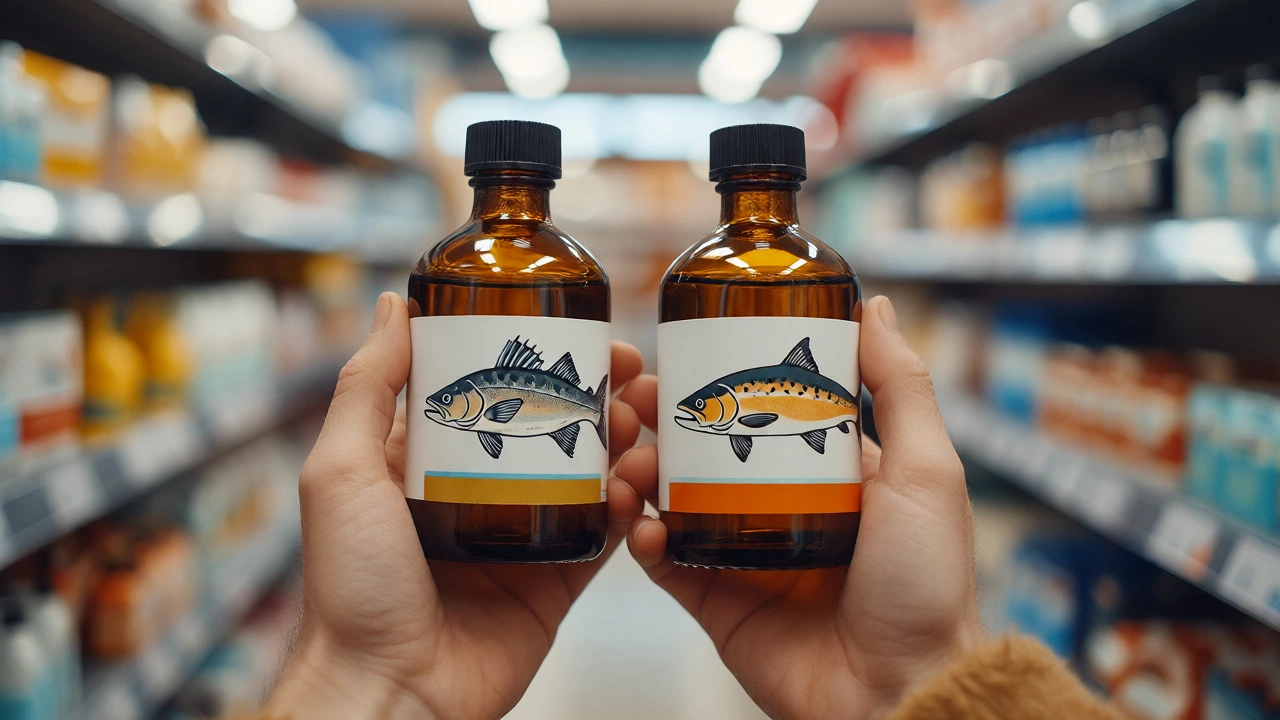
When people think of safe proteins, they forget fish. In reality, fish like salmon and whitefish are among the safest options for many dogs, especially those with skin and coat issues.
Salmon is packed with Omega-3 fatty acids, which reduce inflammation and support joint health. For dogs with dry, flaky skin, switching to a salmon-based diet often shows visible improvement within six weeks. Whitefish, such as cod or pollock, is leaner and easier to digest, making it a great choice for overweight dogs or seniors.
The main safety risk with fish is mercury accumulation, particularly in larger predatory fish. Stick to smaller fish species like sardines, herring, or whitefish to minimize this risk. Also, ensure the fish is cooked or properly processed; raw fish can carry parasites like Anisakis, which are harmful to dogs.
Novel Proteins: Venison, Rabbit, and Duck
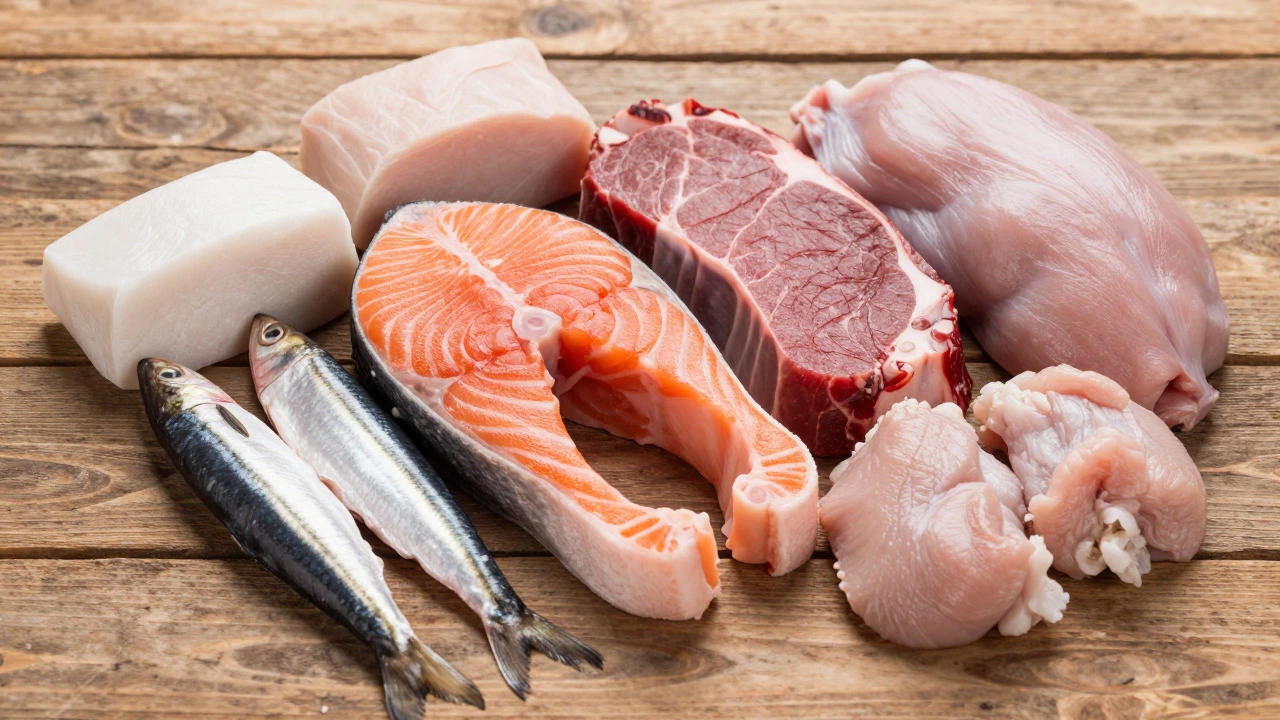
If your dog is allergic to chicken, beef, and lamb, you move into the realm of novel proteins. These are meats that most dogs have never encountered in their lives, reducing the chance of an immune response.
- Venison: Lean, low-fat, and highly digestible. Great for sensitive stomachs.
- Rabbit: Often considered the gold standard for hypoallergenic diets. It is very light on the digestive tract.
- Duck: Higher in fat than rabbit or venison, providing good energy for active dogs. Some dogs react to duck, so introduce it slowly.
Novel proteins aren’t inherently “healthier” than chicken, but they are safer for dogs with established allergies. The key is consistency. Once you find a novel protein that works, stick with it. Rotating too many different meats can confuse a sensitive gut.
Hydrolyzed Diets: The Ultimate Safety Net
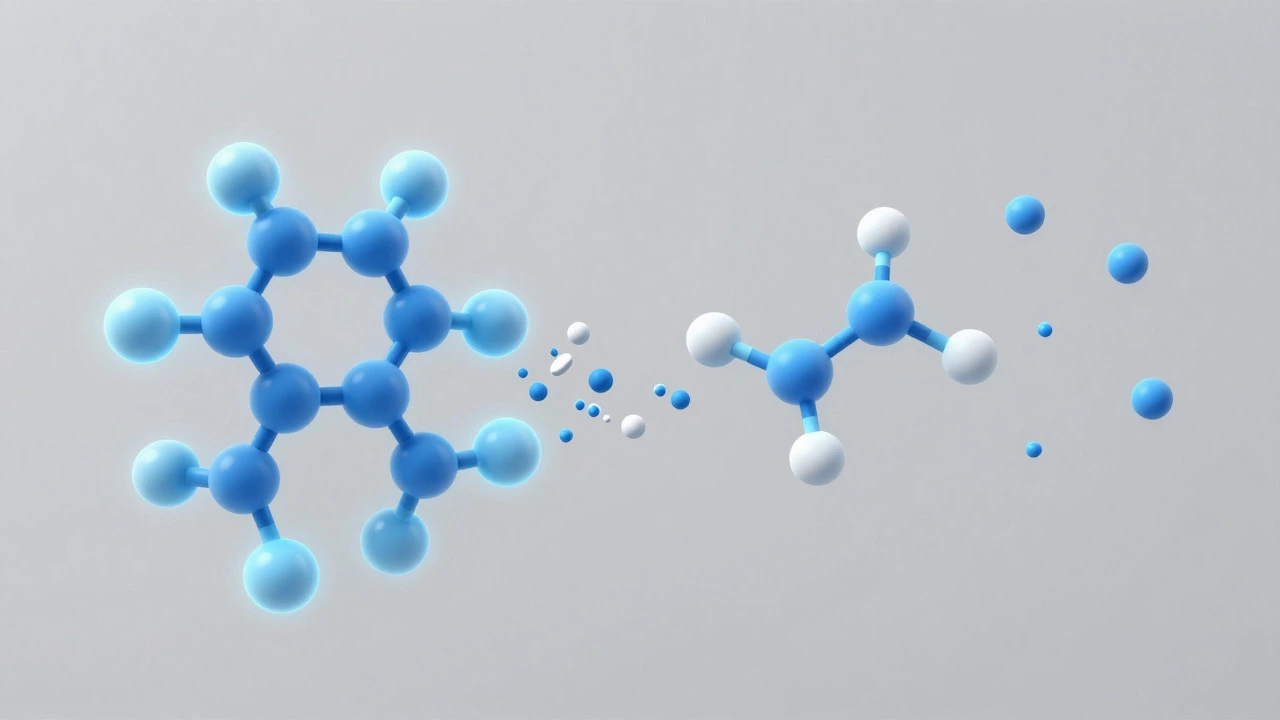
What happens when your dog is allergic to *everything*? This is where hydrolyzed protein comes in. Hydrolysis is a process that breaks down large protein molecules into tiny peptides. These pieces are so small that the dog’s immune system doesn’t recognize them as threats.
These diets are typically prescribed by veterinarians for severe cases. They are expensive, but for a dog suffering from chronic dermatitis or gastrointestinal distress, they are life-changing. If you are considering a hydrolyzed diet, don’t buy it off the shelf without consulting your vet. These formulas are designed to be complete and balanced, but they require careful monitoring to ensure your dog is getting enough nutrients over time.
Raw Feeding: Is It Safer?
Many owners believe raw diets are the safest because they are “natural.” The reality is more complicated. Raw feeding carries unique risks that kibble does not.
- Bacterial Contamination: Raw meat can contain Salmonella, E. coli, and Campylobacter. While dogs handle these bacteria better than humans, immunocompromised dogs (puppies, seniors, or those on steroids) are at higher risk.
- Nutritional Imbalance: Unless formulated by a veterinary nutritionist, homemade raw diets often lack essential vitamins and minerals. Calcium-to-phosphorus ratios are notoriously difficult to get right without supplements.
- Parasites: Raw meat can harbor tapeworms and other parasites, requiring strict deworming protocols.
If you want to go raw, use commercially prepared raw foods that have been freeze-dried or dehydrated to kill pathogens, or work closely with a vet to formulate a balanced plan. Don’t just throw raw chicken and bones into a bowl and call it a day.
How to Introduce a New Protein Safely
Even the safest protein can cause an upset stomach if introduced too quickly. Here is a simple transition protocol to protect your dog’s gut.
- Day 1-3: Mix 25% new food with 75% old food. Monitor stool quality.
- Day 4-6: Increase to 50% new food. Watch for any signs of itching or vomiting.
- Day 7-9: Move to 75% new food. By now, you should see normal digestion.
- Day 10+: Full switch to the new protein. Continue monitoring for two weeks to rule out delayed allergic reactions.
During this period, keep everything else constant. No new treats, no new toys, and no changes in exercise routine. You want to isolate the variable so you know exactly what is causing any reaction.
Red Flags to Watch For
Safety isn’t just about choosing the right ingredient; it’s about recognizing when something is going wrong. Keep an eye out for these signs after switching proteins:
- Persistent diarrhea or constipation lasting more than 48 hours.
- Increased scratching, redness, or hair loss.
- Bad breath that doesn’t improve with dental care.
- Lethargy or refusal to eat.
If you see any of these, pause the transition and consult your veterinarian. Sometimes, the “safest” protein is the one your dog already tolerates well, rather than the one that sounds best on the label.
Is chicken really that bad for dogs?
Not necessarily. Chicken is a high-quality protein for most healthy dogs. It only becomes problematic if your dog has a specific allergy or sensitivity. If your dog has eaten chicken for years without issue, there is no need to stop. However, if you are diagnosing an allergy, chicken should be eliminated first.
What is the best protein for puppies?
Puppies need highly digestible proteins to support rapid growth. Chicken, turkey, and dairy (if tolerated) are common choices. Avoid novel proteins unless necessary, as puppies benefit from familiar, well-studied ingredients. Ensure the food is labeled "complete and balanced for all life stages" or specifically for puppies.
Can I feed my dog plant-based protein instead?
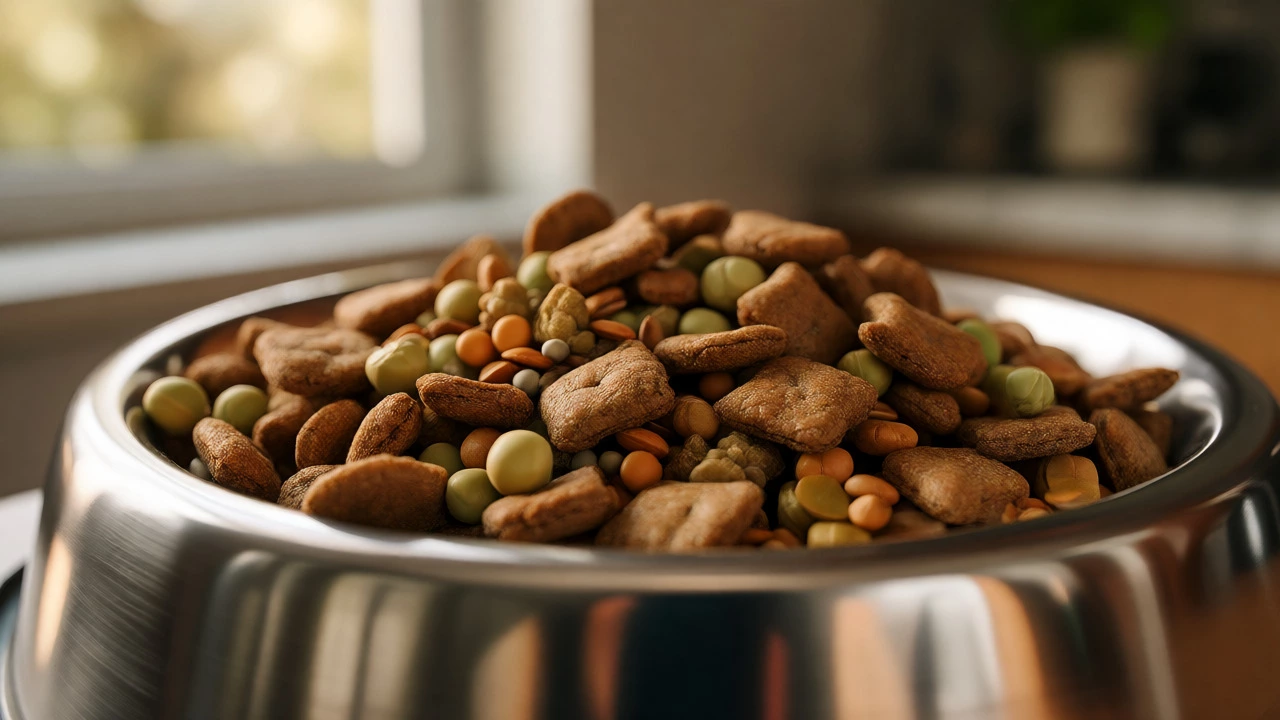
Yes, but with caution. Pea, lentil, and potato proteins are increasingly common. While safe for many dogs, some have shown links to dilated cardiomyopathy (DCM) in certain breeds. If switching to a plant-based diet, monitor your dog's heart health and consult your vet regularly.
How long does it take to know if a protein is causing an allergy?
It can take anywhere from 2 weeks to 3 months for symptoms to fully resolve after removing an allergen. Conversely, it can take up to 8 weeks for a new allergy to develop. Patience is key during elimination diets. Do not rush back to previous foods before confirming the new protein is safe.
Is hydrolyzed protein worth the extra cost?
If your dog has severe, uncontrolled allergies, yes. The cost is justified by the reduction in medication and vet visits. For mild sensitivities, a novel protein like rabbit or venison may be a more affordable long-term solution that still provides relief.