Dog Sleep Environment Optimizer
Answer a few questions about your dog to get a recommended lighting and bedding setup.
Recommended Setup
The Truth About Canine Vision in the Dark
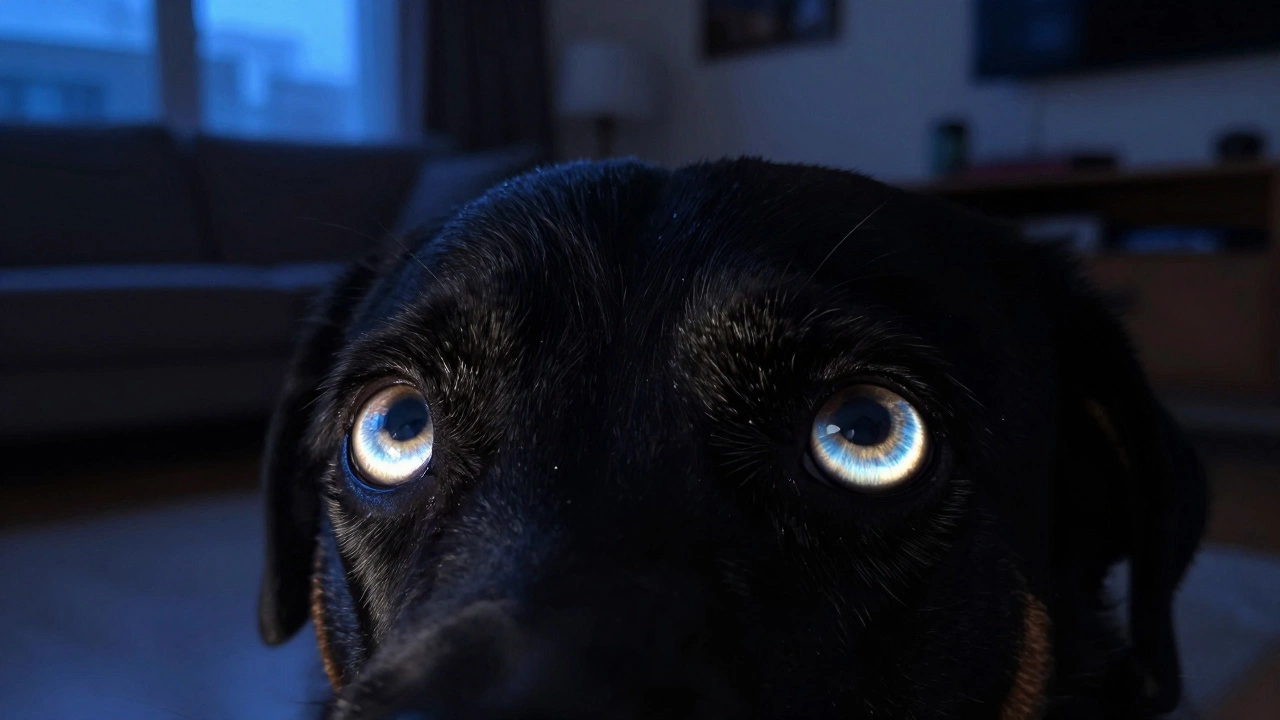
First, let's clear up a common myth: dogs can't see in total darkness. They don't have infrared vision. However, they are significantly better at it than we are. Canine Vision is a specialized visual system that allows dogs to detect movement and shapes in low-light conditions far better than humans. This is thanks to a high concentration of rods in their retinas and a reflective layer called the Tapetum Lucidum, which is why their eyes glow when you hit them with a flashlight.
Because they can navigate a dim room with ease, a "dark" room to you is actually quite visible to them. But total pitch-blackness can still be disorienting, especially for senior dogs. If your dog has cataracts or is suffering from Canine Cognitive Dysfunction, which is essentially dog dementia, the dark can lead to "sundowning." This is where they become confused, anxious, and wander aimlessly as the light fades.
How Light Affects the Canine Circadian Rhythm
Just like humans, dogs have a Circadian Rhythm, which is the internal 24-hour biological clock that regulates sleep-wake cycles. This rhythm is heavily influenced by light exposure. When light hits the retina, it tells the brain to stop producing Melatonin, the hormone responsible for sleep.
If your dog sleeps in a room with constant, bright artificial light, their body might not trigger that melatonin release. This leads to fragmented sleep. You'll notice this when your dog wakes up every hour or seems irritable in the morning. On the flip side, a completely dark environment is usually ideal for the deep, REM stage of sleep where their muscles twitch and they "run" in their dreams. The goal isn't absolute darkness, but a gradual transition from day to night that mimics the natural world.
Dealing with Nighttime Anxiety and Fear
For some dogs, the dark is a psychological battle. Separation anxiety often peaks at night. When the lights go out, the visual cues that tell them "my human is right here" disappear. This is why some dogs insist on sleeping in the bedroom or right against your leg.
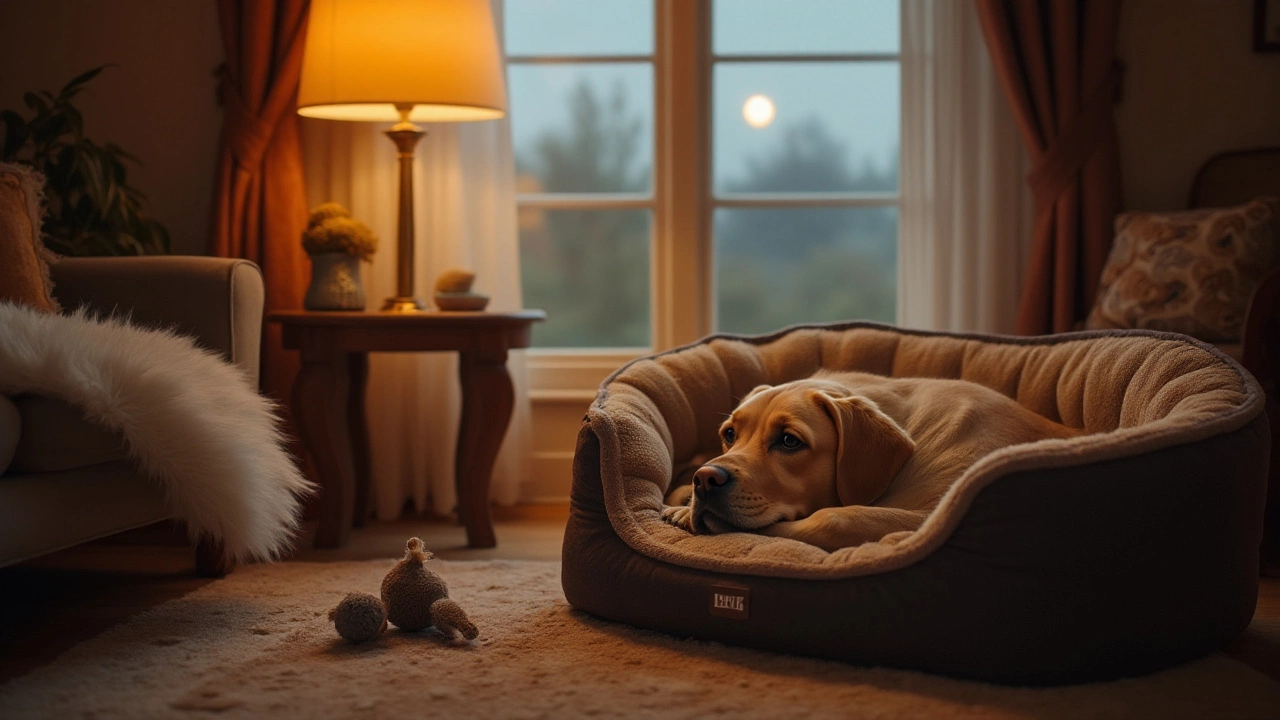
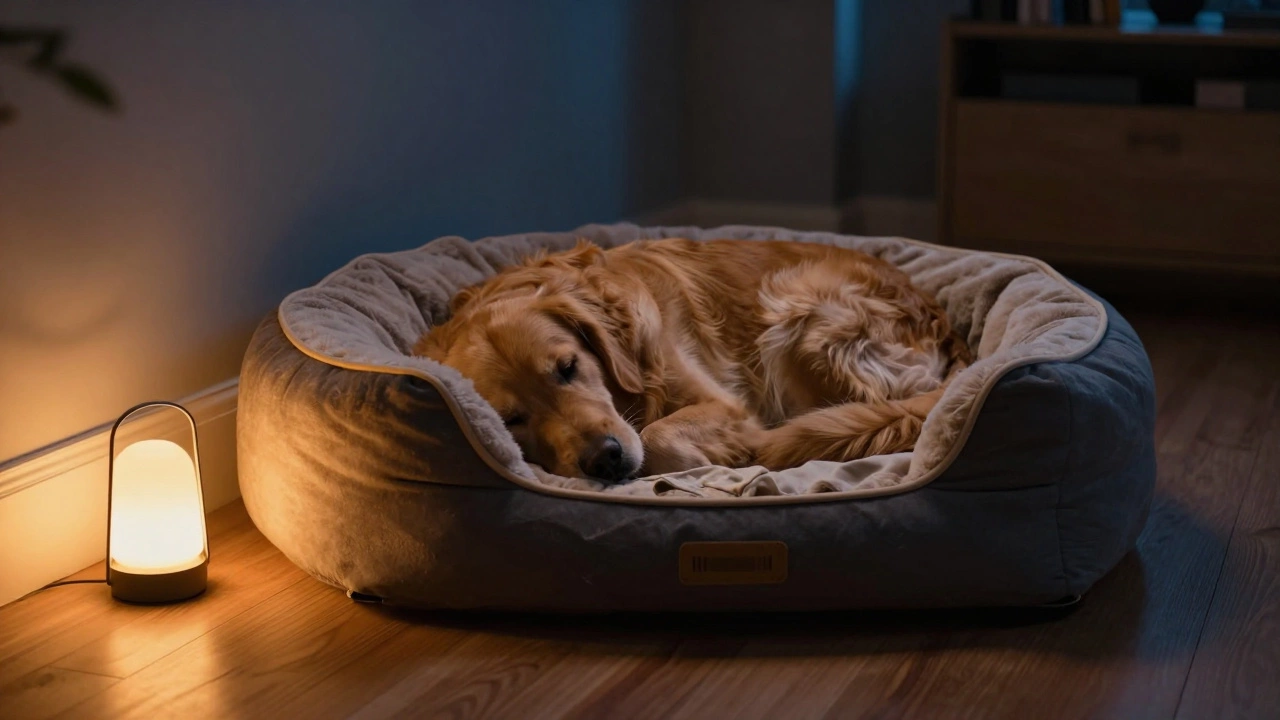
If your dog is terrified of the dark, forcing them to sleep in a pitch-black laundry room or basement can spike their cortisol levels, making them more prone to stress-related illnesses. A soft, warm glow from a night light can be a game-changer. It provides enough visual confirmation that their environment is safe without being bright enough to disrupt their sleep cycle.
Choosing the Right Sleep Setup
Where your dog sleeps is just as important as the lighting. If a dog feels exposed in the dark, they will naturally seek out a "den." In the wild, canines burrowed into the earth or tucked themselves into crevices for protection. This is why a high-quality dog sleep environment starts with the right bed. A bed with raised edges or a "donut" shape mimics this denning instinct, making them feel secure even when the lights are off.
| Bed Type | Best For | Psychological Effect | Lighting Pairing |
|---|---|---|---|
| Bolster/Orthopedic | Senior dogs / Joint pain | Support and stability | Dim night light for navigation |
| Cave/Hut Bed | Anxious dogs / Small breeds | Maximum security (Denning) | Complete darkness (inside) |
| Flat Mat | Overheating dogs | Openness and cooling | Natural moonlight/dim room |
Practical Tips for a Better Night's Sleep
If you're wondering whether you should leave a light on or keep it dark, try these specific adjustments based on your dog's behavior:
- The "Golden Hour" Transition: Instead of flipping a switch from bright to black, dim the lights 30 minutes before bed. This signals to their brain that it's time to wind down.
- The Night Light Test: If your dog paws at the door or whines in the dark, place a low-wattage, warm-toned LED night light near their bed. Avoid blue-toned lights, as these mimic daylight and can suppress melatonin.
- Scent Comfort: Since dogs rely more on smell than sight in the dark, place a t-shirt you've worn in their bed. The scent of their owner acts as a "visual' guide" for their brain, reducing anxiety.
- Consistent Placement: Keep the bed in the same spot. A dog who knows exactly where their "safe zone" is won't feel the need to wander or freak out when the lights go out.
When to Be Concerned About Nighttime Behavior
Not all nighttime restlessness is about lighting. If your dog suddenly starts fearing the dark or can't seem to settle regardless of the light level, it could be a medical issue. For example, dogs with Osteoarthritis can find it painful to get up and move in the dark, leading to whining. Similarly, a dog that suddenly develops a fear of the dark might be experiencing a decline in vision, making the environment feel more threatening than it actually is.
Watch for "pacing"-where the dog walks in circles or back and forth along a wall. This is a classic sign of cognitive decline in older dogs. In these cases, a moderate amount of light throughout the night isn't just a luxury; it's a necessity to keep them from becoming distressed.
Do dogs get scared of the dark?
While dogs don't fear the dark in the same way humans do (since they can see much better in low light), they can experience anxiety. This is usually not about the absence of light, but about the feeling of isolation or the inability to see their owner, which triggers separation anxiety.
Should I leave a light on for my puppy?
Yes, a very dim night light can help a puppy feel more secure in a new environment. It prevents them from feeling completely isolated, which can reduce nighttime crying and help them transition to sleeping alone more quickly.
Can too much light ruin a dog's sleep?
Absolutely. Bright lights-especially those with blue wavelengths from TVs or LED strips-can inhibit the production of melatonin. This can lead to insomnia or poor quality sleep, leaving your dog restless and cranky the next day.
Why does my old dog wander at night?
This is often a symptom of Canine Cognitive Dysfunction (CCD). The dog loses their sense of orientation, and the darkness exacerbates this confusion. Providing low-level lighting can help them find their bed and feel more grounded.
Do dogs prefer sleeping in a crate or a bed in the dark?
Many dogs prefer a crate or a covered bed because it creates a physical barrier that mimics a den. This sense of enclosure makes them feel safe from "predators" (even if there are none), which allows them to relax more deeply in the dark.
Next Steps for Your Dog's Sleep Routine
If your dog is currently struggling with nighttime, don't make a massive change overnight. Start by observing them: do they shiver, pace, or simply stare at you? If they are anxious, introduce a warm-toned night light and a bed with a high wall to make them feel tucked in. For senior dogs, ensure the path from their bed to the water bowl is dimly lit to prevent accidents and confusion. By tweaking the lighting and the physical space, you're not just giving them a place to sleep-you're giving them a sense of security.