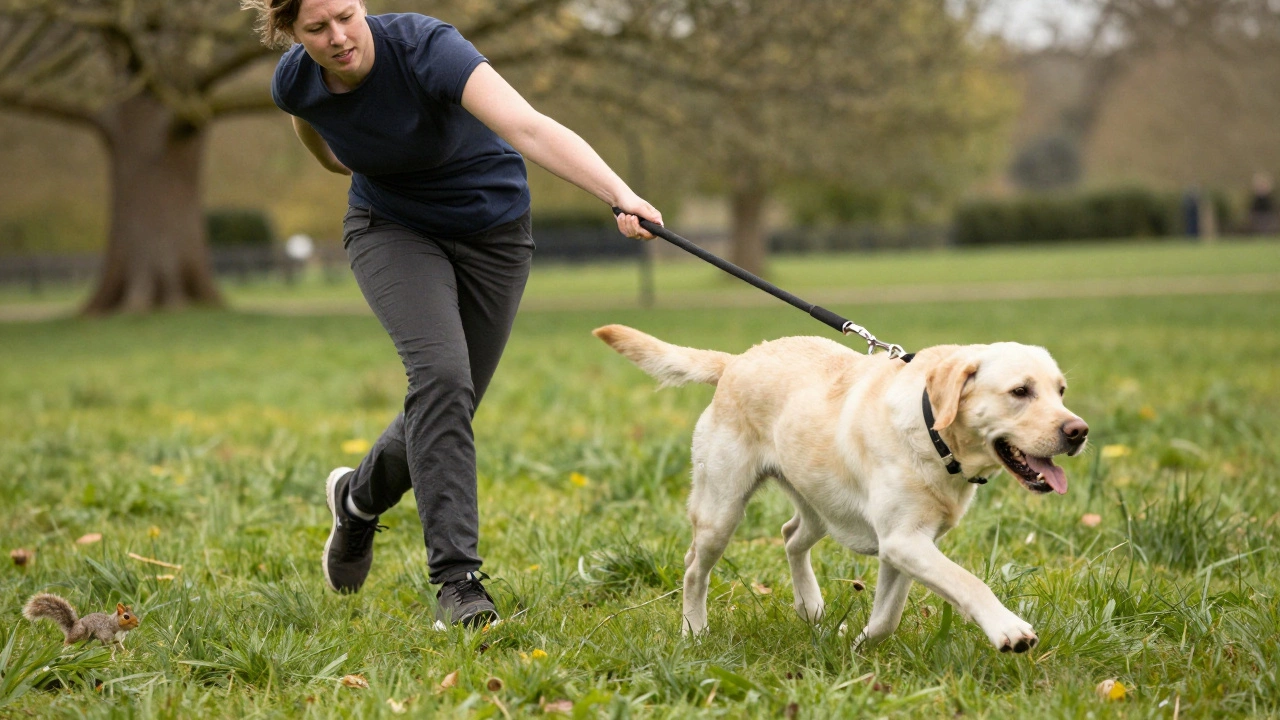
Puppy Routine: What Works, What Doesn’t, and How to Get It Right
When you bring home a new puppy, the biggest question isn’t what toy to buy or what food to feed—it’s puppy routine, a consistent daily structure that helps a young dog feel safe, learn boundaries, and grow into a balanced adult. Without it, even the sweetest pup can turn into a chewer, barker, or bathroom accident machine. A good puppy routine isn’t about being strict—it’s about being predictable. Dogs don’t think in abstracts. They thrive on knowing what comes next: when they eat, when they go out, when they sleep.
That routine needs to include a few non-negotiables: puppy feeding schedule, a set time for meals that matches their age and energy, puppy bedtime routine, a calm wind-down ritual that tells them it’s time to rest, and puppy house training, a system of frequent outdoor breaks tied to eating, playing, and waking up. Missing any of these creates confusion. If you feed at random times, your puppy won’t know when to hold it. If bedtime is chaotic, they’ll cry, pace, or chew the baseboard. And if you don’t take them out right after meals or naps, accidents become the norm—not the exception.
It’s not just about potty breaks and meals. Your puppy’s day needs structure around play, rest, and training. Short sessions—five to ten minutes—are enough. Teaching them to sit before eating, to wait before going out the door, or to settle on a mat builds impulse control. That’s the real foundation of good behavior, not just tricks. And yes, they’ll need downtime. Puppies burn through energy fast. If they’re not napping between playtimes, they’ll crash or act out. A tired puppy is a well-behaved puppy.
You’ll find posts here that cover every part of this. How to handle the first night without creating anxiety. What to do when your pup acts weird after grooming. When to feed them—morning or evening. How to train them without shock collars or yelling. Why protein shakes are dangerous and what to feed instead. These aren’t random tips. They’re all pieces of the same puzzle: building a life with your puppy that’s calm, healthy, and full of trust. No magic formulas. No overnight fixes. Just clear, practical steps you can start today.
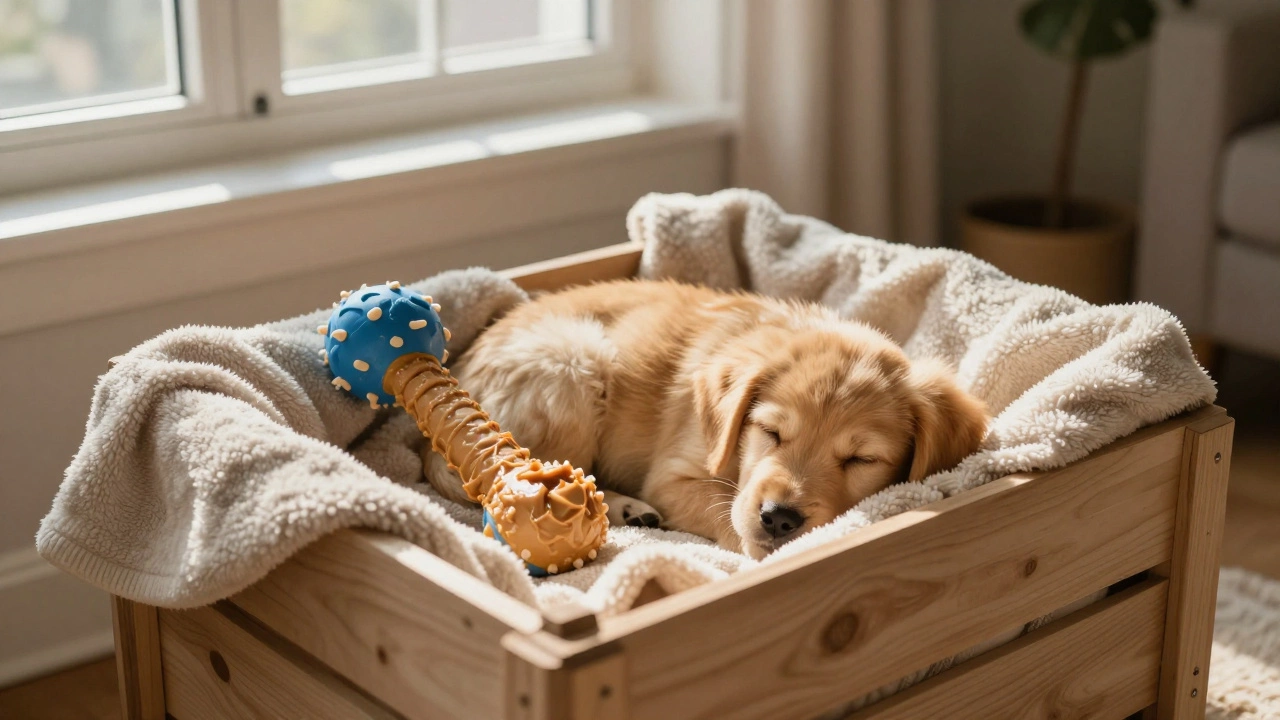
What to Do With Your Puppy When You Go to Work
Learn how to keep your puppy safe, calm, and entertained while you're at work. From puppy toys to crate training and separation anxiety tips, this guide helps you build a routine that works for both you and your pup.
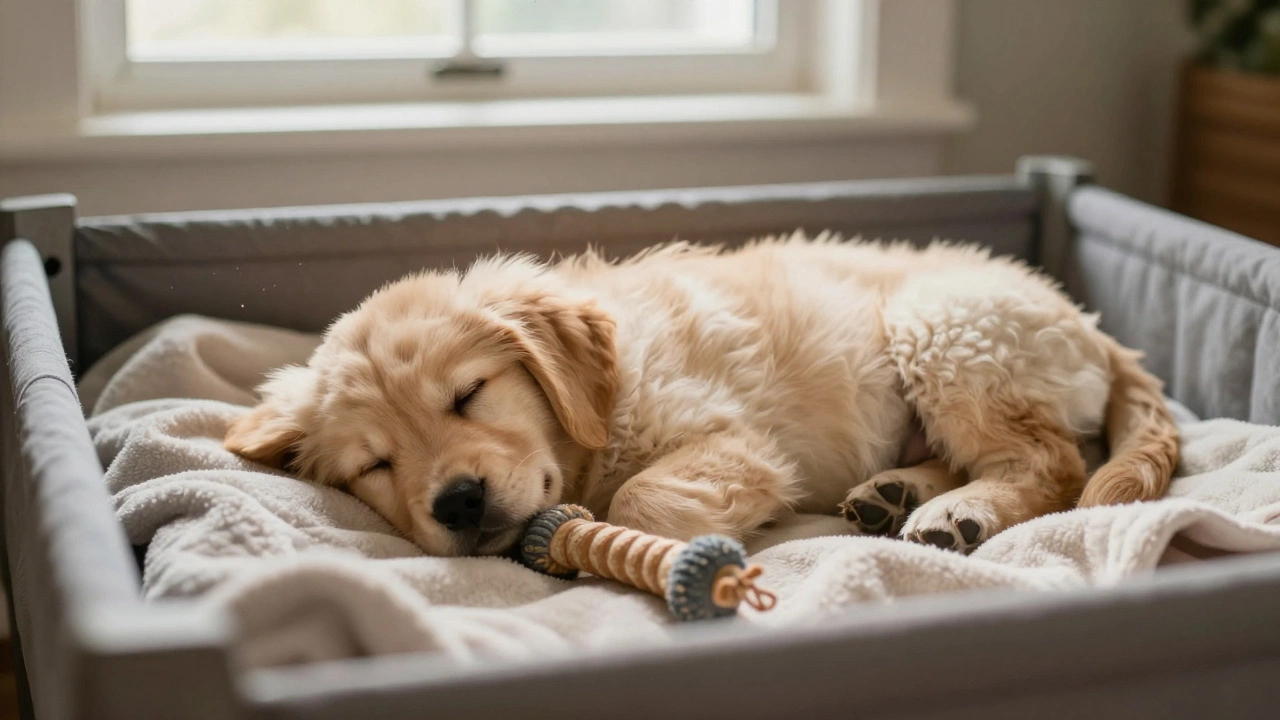
What Is a Good Schedule for an 8-Week-Old Puppy?
A good schedule for an 8-week-old puppy includes feeding three times a day, frequent potty breaks, 18-20 hours of sleep, short training sessions, and calm socialization. Consistency builds confidence and prevents accidents.
Popular posts