Dog Food Ingredient Analyzer
Paste the ingredient list from any dog food bag below. Our analyzer checks for red flags warned about by veterinarians in 2026.
Analysis Results
Overall Safety Score
Verdict
Analysis summary will appear here.
⚠️Red Flags Found
No major issues detected.
⚡Points of Caution
No cautions detected.
✅Positive Attributes
No positive attributes identified yet.
What We Check For
- ! Grain-free legumes linked to heart disease (DCM)
- ! Vague meat by-products and undefined proteins
- ! Artificial colors, flavors, and synthetic preservatives
- ? Excessive fillers and low-quality carbohydrates
- ✓ Named protein sources and wholesome grains
Quick Tips
Veterinarians recommend looking for these qualities:
- • Named meat meals (chicken meal, beef meal)
- • Whole grains like brown rice or oats
- • Natural preservatives (mixed tocopherols)
- • AAFCO statement for life stage
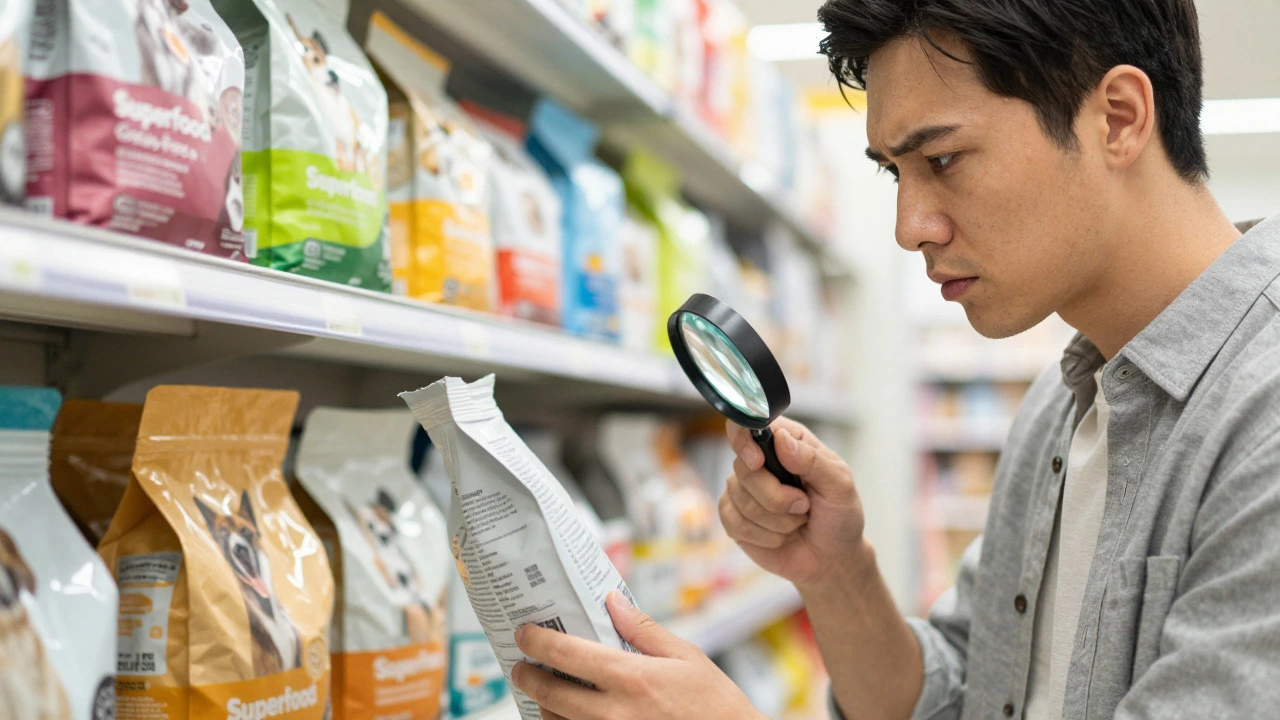
You stand in the aisle, staring at rows of colorful bags promising 'superfood' blends and 'ancestral recipes.' It’s easy to feel overwhelmed. You just want what is best for your dog. But here is a hard truth: not everything that looks healthy on the label actually is. In fact, some popular trends are actively discouraged by veterinary nutritionists.
Veterinarians don’t usually publish a list of banned brands because regulations vary, but they do consistently warn against specific ingredients, marketing gimmicks, and dietary patterns that pose real health risks. Understanding what vets advise you to skip can save your dog from chronic illness and save you money on vet bills down the road.
The Grain-Free Myth and Heart Disease Risk
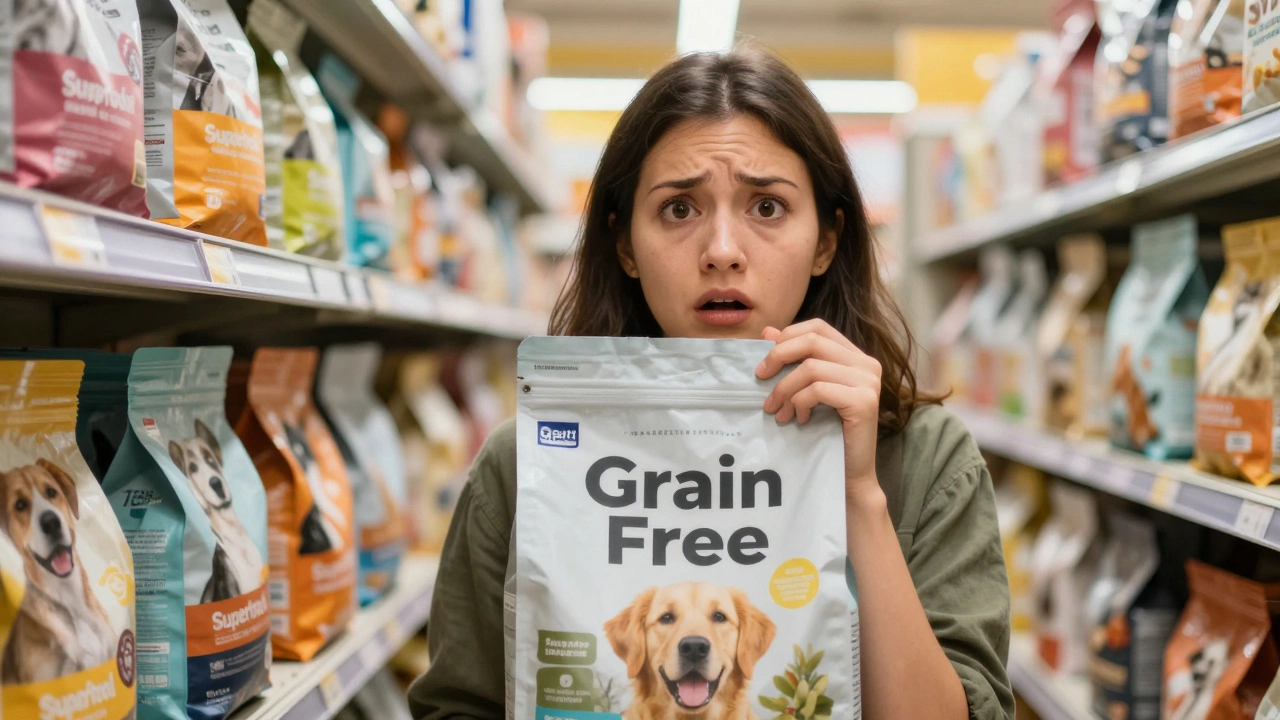
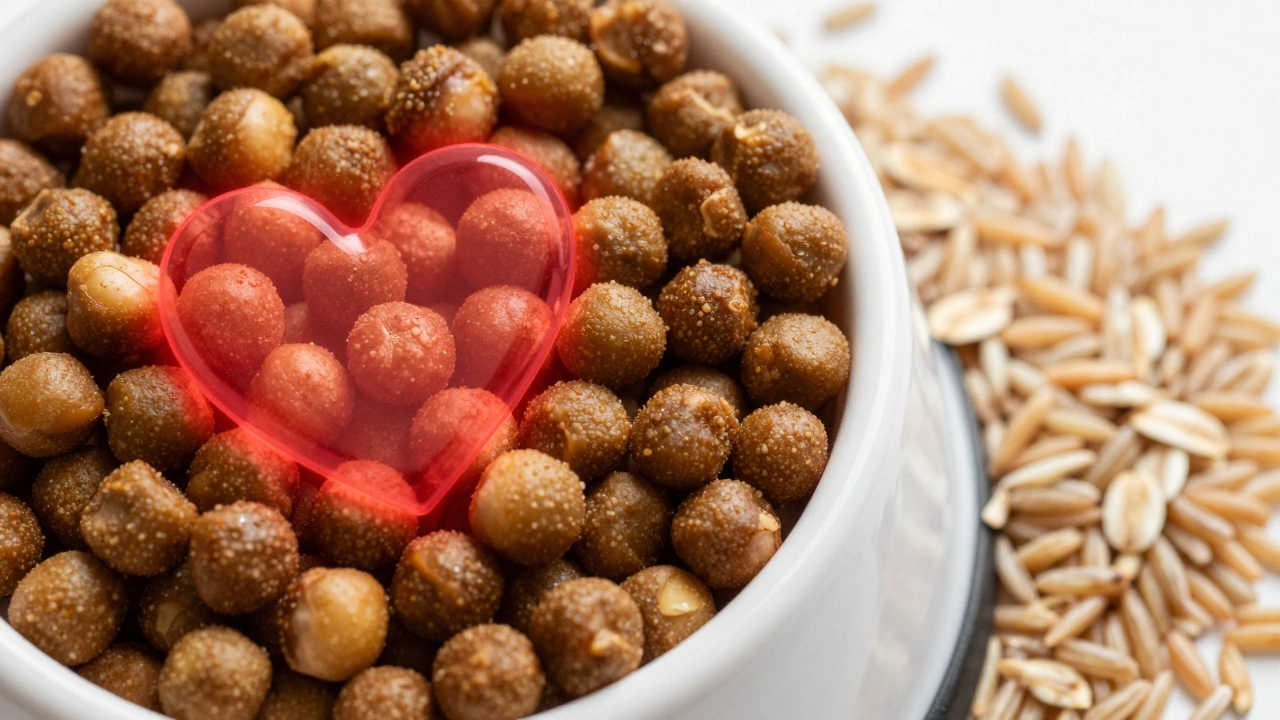
A few years ago, grain-free diets became the gold standard for dogs with allergies. The logic seemed sound: dogs are carnivores, so why feed them corn or wheat? However, this trend has backfired spectacularly. In recent years, the FDA and veterinary cardiologists have linked certain grain-free diets to Dilated Cardiomyopathy (DCM), a serious heart condition where the heart muscle weakens and cannot pump blood effectively.
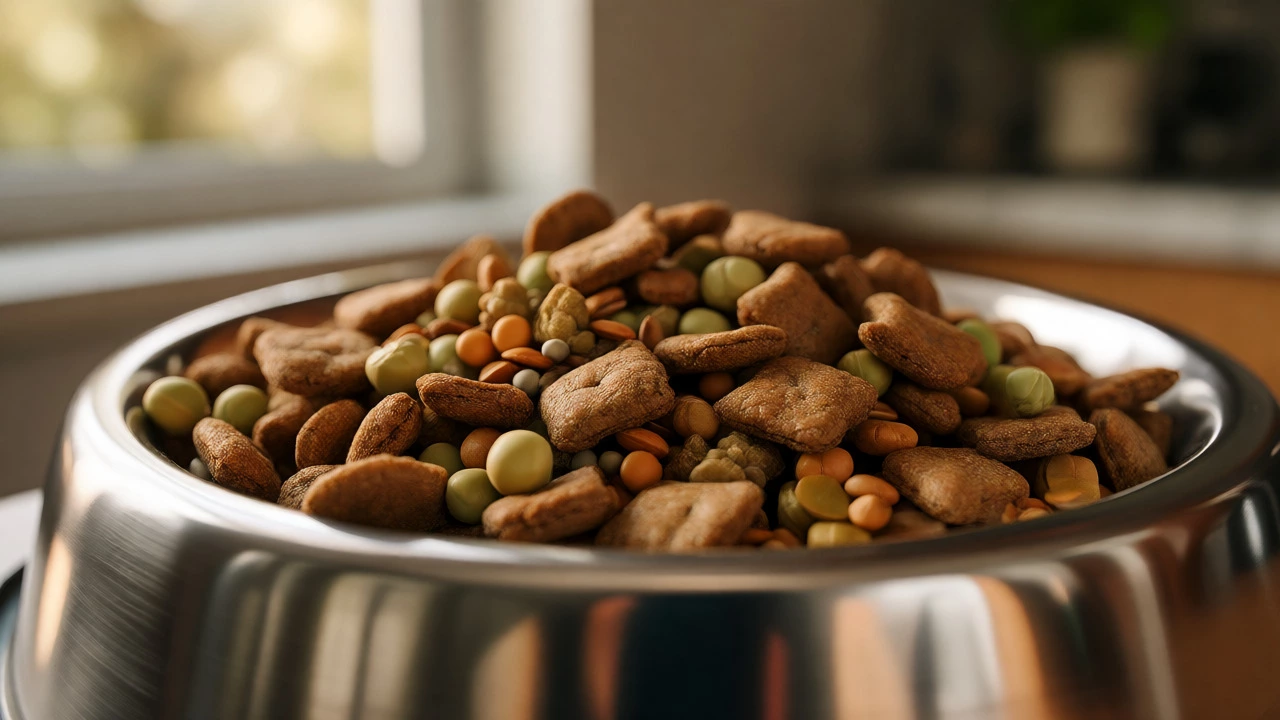
The issue isn't necessarily all grains, but rather the ingredients used to replace them. Many grain-free formulas rely heavily on legumes like peas, lentils, chickpeas, and potatoes as primary carbohydrate sources. High levels of these pulses may interfere with the absorption of taurine, an amino acid crucial for heart function, even in breeds that typically produce enough of it naturally.
If your dog does not have a diagnosed gluten allergy (which is rare in dogs; most 'grain allergies' are actually protein sensitivities), vets generally recommend avoiding grain-free foods unless specifically prescribed. Stick to diets with named whole grains like brown rice, oats, or barley. They provide steady energy and fiber without the cardiac risk associated with high-pulse formulations.
Is grain-free dog food safe?
For most dogs, no. While safe for those with specific grain allergies, grain-free diets high in legumes (peas, lentils) are linked to DCM. Consult your vet before switching.
Red Meat By-Products and Meal Quality
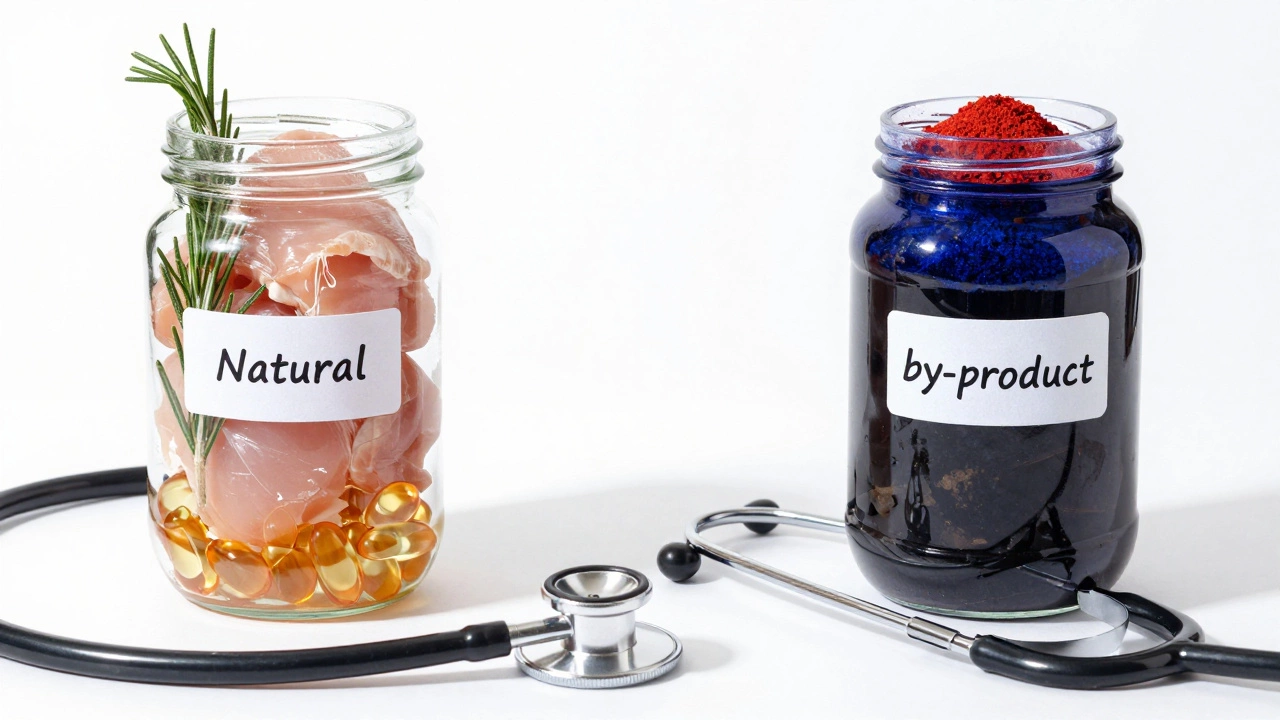
Marketing teams love words like 'human-grade' and 'real meat.' Conversely, they fear terms like 'by-product' or 'meal.' But let’s look at what is actually in the bag. 'Meat by-products' is a vague term that can include lungs, spleen, brains, and stomachs. While some organs are nutritious, others offer little value and can carry higher toxin loads if sourced poorly.
Vets often discourage foods that list 'meat by-products' as a primary ingredient without specifying the source. Instead, look for named meals like 'chicken meal,' 'beef meal,' or 'salmon meal.' These are concentrated sources of protein made by cooking fresh meat to remove water and fat. They are stable, digestible, and nutritionally dense. If the label says 'animal digest' or 'poultry by-product meal,' it is often a sign of lower quality control and inconsistent nutritional profiles.
Furthermore, be wary of 'fresh meat' listed first. Because fresh meat contains up to 70% water, it loses its weight advantage during processing. A food listing 'chicken' first might end up with less actual protein than a food listing 'chicken meal' second. Always check the guaranteed analysis for crude protein percentages, not just the ingredient order.
Artificial Additives: Colors, Flavors, and Preservatives
Your dog doesn't care if their kibble is bright red or blue. Humans do, which is why manufacturers add artificial colors like Red 40, Yellow 5, and Blue 2. These dyes serve no nutritional purpose and have been linked to hyperactivity and allergic reactions in sensitive dogs. Vets universally agree: there is no reason to feed your dog food dyed to look appealing to you.
Similarly, artificial flavors such as ethyl maltol or browning agents are used to make the food smell enticing to picky eaters. This creates a cycle where your dog refuses natural-tasting, healthier options because they are accustomed to the intense, unnatural aroma of processed additives. Over time, this can lead to obesity as owners overfeed to get their pets to eat.
Preservatives are another area of concern. While BHA, BHT, and ethoxyquin are common synthetic preservatives that extend shelf life, many vets prefer foods preserved with mixed tocopherols (Vitamin E) or rosemary extract. Synthetic preservatives have raised concerns about long-term toxicity and cancer risk, although regulatory bodies still deem them safe in small amounts. When given the choice, opt for natural preservation methods.
| Additive Type | Common Names | Why Vets Discourage |
|---|---|---|
| Artificial Colors | Red 40, Yellow 5, Blue 2 | No nutritional value; linked to allergies/hyperactivity |
| Synthetic Preservatives | BHA, BHT, Ethoxyquin | Potential long-term toxicity; natural alternatives exist |
| Artificial Flavors | Ethyl Maltol, Propylene Glycol | Masks low-quality ingredients; encourages picky eating |
Filler Carbohydrates and Low-Protein Diets
Dogs are omnivores with a carnivorous bias. They need protein, but they also need some carbohydrates for energy and gut health. However, many budget-friendly dog foods fill out the volume with cheap, highly processed carbs like corn gluten meal, wheat middlings, and soybean hulls. These ingredients are difficult for dogs to digest and can cause gastrointestinal upset, gas, and loose stools.
Vets often see clients feeding large volumes of low-protein, high-carb food, leading to obesity and related issues like diabetes and joint stress. Look for foods where the first three ingredients are recognizable proteins and wholesome fats. If you see 'corn syrup,' 'sugar,' or 'molasses' anywhere in the ingredient list, put the bag back. Dogs do not need added sugars, and these ingredients contribute to tooth decay and weight gain.
Also, watch out for 'novel proteins' marketed as hypoallergenic unless your dog has a confirmed allergy. Exotic meats like kangaroo or venison are expensive and unnecessary for most dogs. Chicken, turkey, beef, and fish are complete proteins that have been safely fed to dogs for decades. Save the exotic diets for diagnosed cases only.
Raw and Homemade Diets Without Veterinary Supervision
This is perhaps the most controversial topic. Raw food diets (BARF) and homemade meals are popular among pet owners who want full control over ingredients. However, veterinary associations strongly caution against these unless formulated by a board-certified veterinary nutritionist. Most homemade diets are unbalanced, lacking essential minerals like calcium, phosphorus, and zinc, or having incorrect ratios of these nutrients.
Raw diets carry significant risks of bacterial contamination (Salmonella, E. coli) which can affect both the dog and the human household. Studies show that raw-fed dogs are more likely to shed these pathogens. Additionally, bones in raw diets can cause dental fractures or intestinal blockages. If you choose to cook for your dog, use a scientifically balanced recipe, not one found on a blog.
How to Read Labels Like a Vet
To avoid the pitfalls above, you need to become a label detective. Here is a quick checklist:
- Check the AAFCO Statement: Ensure the food meets Association of American Feed Control Officials standards for your dog's life stage (growth, maintenance, or all life stages).
- Identify the Protein Source: Named meats (chicken, beef) are better than generic 'meat' or 'by-products.'
- Scan for Fillers: Avoid excessive corn, wheat, or soy unless your dog tolerates them well.
- Look for Natural Preservation: Mixed tocopherols are preferable to BHA/BHT.
- Avoid Marketing Buzzwords: Terms like 'premium,' 'gourmet,' and 'natural' are not regulated and mean nothing legally.
Remember, the best food is the one your dog thrives on. Monitor their coat, energy levels, stool quality, and weight. If you notice changes, consult your vet before making drastic switches. Slow transitions over 7-10 days prevent digestive upset.
What is the safest dog food brand according to vets?
There is no single 'best' brand. Vets recommend looking for brands that employ PhD veterinary nutritionists, conduct feeding trials, and meet AAFCO standards. Brands like Royal Canin, Hill's Science Diet, and Purina Pro Plan are frequently cited for their rigorous research, though premium holistic brands can also be suitable if balanced correctly.
Are grain-free diets bad for all dogs?
Not necessarily 'bad' for every single dog, but risky. Dogs with no grain allergies should generally stick to grain-inclusive diets to reduce the risk of DCM. Only use grain-free if prescribed by a vet for a specific medical reason.
Can I feed my dog table scraps?
Occasionally, yes, but be careful. Avoid onions, garlic, grapes, raisins, chocolate, and xylitol. Even safe foods like cheese or bread should be limited to prevent obesity and pancreatitis. Table scraps should not exceed 10% of daily caloric intake.
What does 'human-grade' mean on dog food?
It means the ingredients could be sold for human consumption, but it does not guarantee the final product is nutritionally complete for dogs. Many 'human-grade' foods lack essential supplements needed for canine health. Always check for AAFCO compliance regardless of the 'human-grade' claim.
How often should I change my dog's food?
Only when necessary. Frequent changes can upset your dog's gut microbiome. Switch foods if your dog develops allergies, loses/gains weight significantly, or shows signs of intolerance. Otherwise, consistency is key for digestive health.