
Daily Dog Calorie Calculator
Daily Nutritional Needs
Energy needed just to keep the body functioning at rest.
Adjust portions based on your dog's body condition score.
- Protein Tip: Ensure high-quality protein sources like chicken or beef are listed first.
- Treat Limit: Keep treats under 10% of total calories (0 kcal).
Walking down the pet food aisle feels like stepping into a maze. You’ve got bags promising 'ancestral diets,' cans touting 'veterinarian formulated,' and bowls of kibble that cost more than your weekly grocery shop. It’s easy to feel overwhelmed. You just want what’s best for your dog, but how do you separate marketing hype from actual nutritional science?
The truth is, there isn’t one single "best" food for every dog. What works wonders for a high-energy Border Collie might cause digestive upset in a sedentary Bulldog. However, understanding the core principles of canine nutrition is the study of nutrients required by dogs for health, growth, and disease prevention gives you the power to make informed choices. Whether you choose premium kibble, fresh-cooked meals, or a raw diet, the goal remains the same: balanced, digestible, and safe fuel for your companion.
Understanding the Basics of Dog Nutrition
Dogs are biologically classified as omnivores with carnivorous tendencies. This means their bodies are designed to derive significant energy from meat, but they also thrive on plant-based carbohydrates and fibers. Unlike cats, which are obligate carnivores requiring strict meat-only diets, dogs have evolved alongside humans to digest a wider variety of foods. This evolutionary adaptability is why a well-formulated dry kibble can be just as healthy as a bowl of raw meat, provided the nutrient ratios are correct.
To evaluate any dog food, you need to look at six primary nutrient groups:
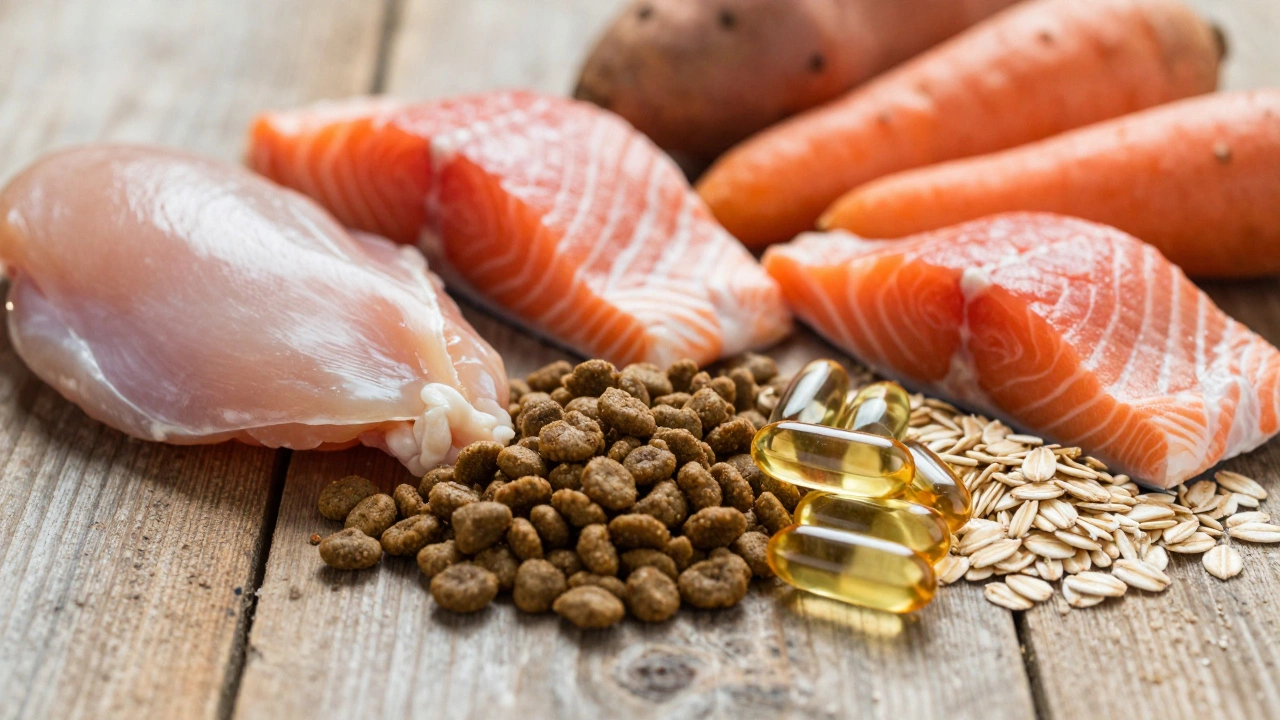
- Protein: The building block for muscles, organs, and immune function. High-quality sources include chicken, beef, fish, and eggs.
- Fats: The primary energy source and essential for skin and coat health. Look for named animal fats or specific oils like fish oil.
- Carbohydrates: Provide energy and fiber. Sources like rice, sweet potatoes, and oats are common and beneficial for digestion.
- Vitamins and Minerals: Micronutrients that regulate bodily functions. Calcium and phosphorus are critical for bone health.
- Fiber: Supports gut health and regular bowel movements.
- Water: Often overlooked, hydration is vital for all metabolic processes.
A common mistake owners make is focusing solely on protein percentage. While protein is important, the balance between calcium and phosphorus, and the inclusion of essential fatty acids, matters just as much. An imbalanced diet, even if it looks delicious, can lead to long-term health issues like kidney strain or skeletal deformities in growing puppies.
Kibble vs. Wet Food: Making the Right Choice
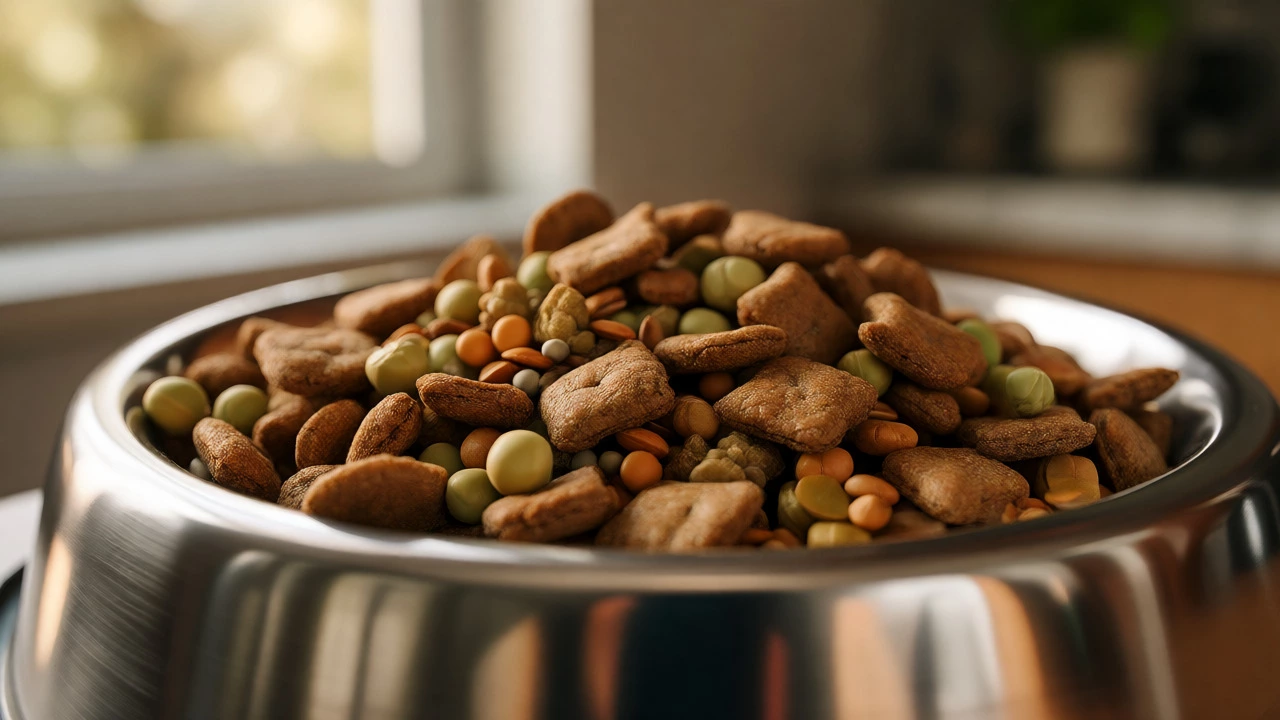
The debate between dry kibble and wet canned food is one of the most persistent in the pet community. Both formats have distinct advantages and drawbacks, and the "best" choice often depends on your dog’s lifestyle, dental health, and your budget.
| Feature | Dry Kibble | Wet/Canned Food |
|---|---|---|
| Moisture Content | 10-12% | 75-80% |
| Dental Health | May help reduce plaque through mechanical abrasion | No dental benefit; may require more brushing |
| Cost per Calorie | Generally lower | Generally higher |
| Palatability | Moderate; varies by brand | High; strong aroma and soft texture |
| Convenience | Easy to store and free-feed | Requires refrigeration after opening |
Dry kibble is convenient and cost-effective. Its low moisture content allows for longer shelf life and easier portion control. For many dogs, the act of chewing hard kibble provides some mechanical cleaning of teeth, though it is no substitute for regular brushing. On the other hand, wet food offers superior hydration. Dogs with kidney issues, urinary tract problems, or those who simply don’t drink enough water can benefit significantly from the extra moisture in canned meals. Wet food is also often more palatable, making it a great option for picky eaters or senior dogs with dental pain.
You don’t have to choose just one. Many owners find success with a mixed feeding approach, combining kibble and wet food to get the benefits of both. Just ensure the combined portions meet your dog’s daily caloric needs to avoid obesity.
The Rise of Fresh and Raw Diets
In recent years, fresh-cooked and raw diets have surged in popularity. These options aim to mimic what dogs might eat in the wild or provide human-grade ingredients without the processing heat that can degrade some nutrients. Brands offering fresh, human-grade food deliver pre-portioned meals that are cooked gently to preserve nutrients, then frozen or refrigerated for delivery.
Raw feeding is a diet consisting of uncooked meat, bones, fruits, and vegetables, often referred to as BARF (Biologically Appropriate Raw Food). Proponents argue that raw diets result in shinier coats, smaller stools, and higher energy levels. However, this method carries significant risks. Handling raw meat increases the risk of bacterial contamination like Salmonella and E. coli, not just for the dog but for the entire household. Additionally, formulating a nutritionally complete raw diet at home is extremely difficult. Without precise supplementation, dogs can develop severe deficiencies in calcium, iodine, and other micronutrients.
If you choose a commercial raw or fresh diet, opt for brands that employ veterinary nutritionists and follow strict safety protocols, such as pressure-assisted thermal processing (PATS) to kill pathogens while maintaining freshness. Always consult your vet before switching to these diets, especially if your dog has underlying health conditions.
Reading Labels Like a Pro
Packaging labels can be misleading. A bag might feature a picture of a whole chicken on the front, but that doesn’t mean chicken is the main ingredient. To truly understand what you’re buying, you need to decode the label using guidelines set by regulatory bodies like the Association of American Feed Control Officials (AAFCO).
First, look for the AAFCO statement. This ensures the food meets minimum nutritional profiles for your dog’s life stage (e.g., growth, maintenance, or all life stages). Next, examine the ingredient list. Ingredients are listed by weight before cooking. Since meat loses water during processing, a meat product listed first might end up contributing less final weight than a carbohydrate listed second. Look for named protein sources (like "chicken meal" or "salmon") rather than vague terms like "meat by-products."
Be wary of marketing buzzwords like "grain-free," "holistic," or "natural." These terms are largely unregulated and do not guarantee better nutrition. In fact, the FDA has investigated a potential link between grain-free diets and dilated cardiomyopathy (DCM) in dogs, suggesting that certain legumes and peas used as grain substitutes may interfere with taurine absorption. Unless your dog has a diagnosed grain allergy, which is rare, grains like rice and wheat are safe and nutritious.
Tailoring Diet to Life Stage and Breed
A puppy’s nutritional needs differ drastically from an adult dog’s. Puppies require higher levels of protein, fat, calcium, and phosphorus to support rapid growth. Feeding an adult maintenance formula to a puppy can stunt their development. Conversely, feeding puppy food to an adult large-breed dog can cause them to grow too fast, leading to joint issues.
Breed size also plays a role. Large and giant breeds (like Great Danes or German Shepherds) need controlled calcium and phosphorus levels to prevent skeletal abnormalities. Small breeds have faster metabolisms and often require smaller kibble sizes to encourage proper chewing. Senior dogs, typically those over seven years old, may benefit from reduced calories to prevent weight gain and added joint supplements like glucosamine and chondroitin.
Activity level is another key factor. A working farm dog or an agility competitor burns far more calories than a couch-potato Pug. Adjusting portion sizes based on activity helps maintain a healthy body condition score. If you can’t feel your dog’s ribs easily, they may be overweight, increasing the risk of diabetes, arthritis, and heart disease.

Common Mistakes to Avoid
Even well-meaning owners make dietary errors that can harm their pets. One major pitfall is sudden diet changes. Switching food abruptly can cause gastrointestinal upset, including diarrhea and vomiting. Always transition slowly over 7-10 days, mixing increasing amounts of the new food with decreasing amounts of the old.
Another common error is over-supplementing. Most high-quality commercial dog foods are complete and balanced. Adding extra vitamins, minerals, or probiotics without veterinary advice can lead to toxicities or imbalances. For example, excessive vitamin D can cause kidney failure, and too much calcium can disrupt bone growth.
Finally, beware of human treats. Table scraps often contain ingredients toxic to dogs, such as onions, garlic, chocolate, grapes, and xylitol (an artificial sweetener). Even seemingly harmless foods like bread or cheese can contribute to unnecessary calorie intake and obesity. Stick to dog-specific treats and limit them to no more than 10% of your dog’s daily caloric intake.
When to Consult a Veterinary Nutritionist
If your dog has chronic health issues like kidney disease, pancreatitis, or severe allergies, over-the-counter foods may not suffice. In these cases, a board-certified veterinary nutritionist can formulate a prescription diet or a custom homemade plan. They consider blood work, medical history, and specific nutrient restrictions to create a tailored solution. Don’t hesitate to seek professional guidance when your dog’s health is at stake.
Is grain-free dog food better for my dog?
Not necessarily. Grain-free diets are only necessary if your dog has a diagnosed grain allergy, which is rare. Recent studies suggest a potential link between grain-free diets high in legumes and heart disease (DCM) in dogs. Unless advised by a vet, grain-inclusive foods are generally safer and more balanced.
How often should I feed my dog?
Most adult dogs do well with two meals per day. Puppies under six months usually need three to four smaller meals. Consistent feeding times help regulate digestion and allow you to monitor appetite changes, which can be an early sign of illness.
Can I cook food for my dog at home?
Yes, but it requires careful planning. Homemade diets must be balanced with precise amounts of proteins, fats, carbohydrates, and supplements. Working with a veterinary nutritionist is highly recommended to avoid deficiencies or excesses that could harm your dog's health.
What are the signs of a bad dog food?
Signs include dull coat, chronic itching, loose stools, excessive gas, lethargy, and weight loss or gain despite consistent portions. If you notice these symptoms, review the ingredient list for allergens and consider switching to a more digestible or hypoallergenic formula.
Is expensive dog food always better?
Not always. Price often reflects marketing, packaging, and exotic ingredients rather than nutritional quality. Look for foods that meet AAFCO standards, use named protein sources, and have transparent manufacturing practices. Mid-range brands often offer excellent value and rigorous quality control.