Dog Sleep Location Advisor
Answer these questions to find the best sleeping arrangement for your dog and household.
Ever walked into your bedroom and found your dog staring up at you with those big, pleading eyes? You’re not alone. The question of where a dog should sleep at night is one of the most common debates among pet owners. Some swear by letting their dogs jump on the bed, while others insist on keeping them in a separate room or a crate is a secure enclosure used for safe confinement and house training.. There’s no single right answer, but there is a best answer for *your* specific situation.
Getting this wrong can lead to sleepless nights for both you and your pup. It can also trigger behavioral issues like separation anxiety or destructive chewing. Getting it right means better health, a calmer home, and a stronger bond. Let’s break down the options so you can make a choice that works for your lifestyle and your dog’s needs.
The Case for Sleeping Together: Pros and Cons
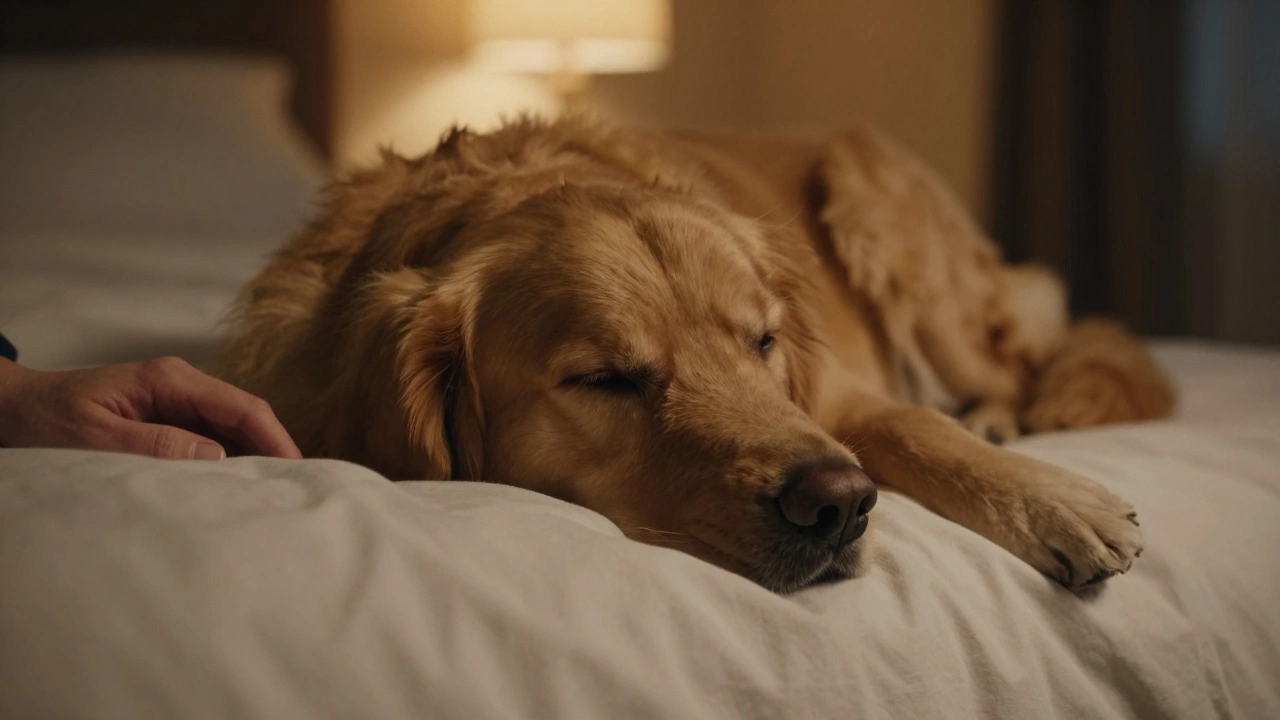
Sleeping with your dog in your bed is incredibly popular. Studies show that many owners report feeling safer and more relaxed when their canine companion is nearby. For some dogs, especially rescue dogs or those with high anxiety, physical closeness provides a sense of security that reduces stress hormones.
However, this arrangement isn’t without its drawbacks. If your dog snores, kicks in their sleep, or takes up half the mattress, your quality of rest might suffer. Poor sleep for you can lead to irritability and fatigue, which indirectly affects how well you care for your pet during the day. Additionally, if you have allergies, sharing a bed can exacerbate symptoms due to dander and saliva.
Before deciding to let your dog join you, consider these factors:
- Size matters: A Chihuahua fits easily on a twin bed; a Great Dane does not.
- Behavioral history: Does your dog respect boundaries, or do they treat the bed as a throne?
- Allergies: Are you sensitive to pet hair or dander?
If you choose this route, set clear rules early. Decide if they are allowed on the pillows or only at the foot of the bed. Consistency prevents confusion and ensures everyone gets a good night’s sleep.
The Floor Bed Option: Independence and Comfort
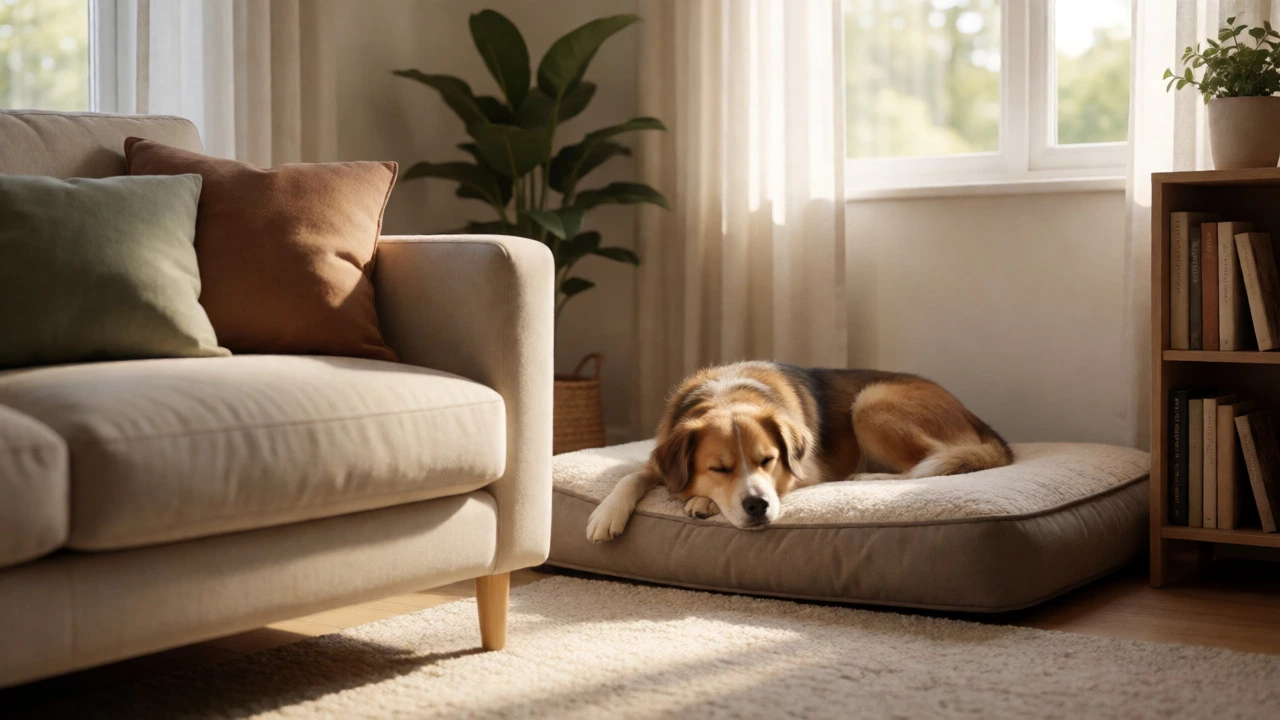
Placing a dedicated dog bed is a comfortable resting place designed specifically for canine anatomy. on the floor in your bedroom is a great middle ground. Your dog is close enough to smell you and hear you, providing comfort, but they have their own defined space. This helps reinforce the idea that they have their own territory, which can reduce resource guarding behaviors later on.
This setup is ideal for older dogs who need joint support but still want to be near their humans. Look for orthopedic beds with memory foam if your dog has arthritis or hip dysplasia. These beds provide pressure relief that regular mattresses often lack. Place the bed against a wall or in a corner to create a den-like feel, which many dogs find reassuring.
One benefit of this approach is hygiene. Dogs shed everywhere, but confining their shedding to one washable bed makes cleaning easier than dealing with fur embedded in your sheets. It also keeps nails and paws off your clean linens.
Crate Training: Safety and Security
A crate is not a prison; it’s a safe haven. In the wild, dogs seek out dens for protection. A properly sized crate mimics this instinctual need for a confined, secure space. Crate training is particularly effective for puppies because it aids in housebreaking. Dogs naturally avoid soiling their sleeping area, so a crate helps them learn bladder control.
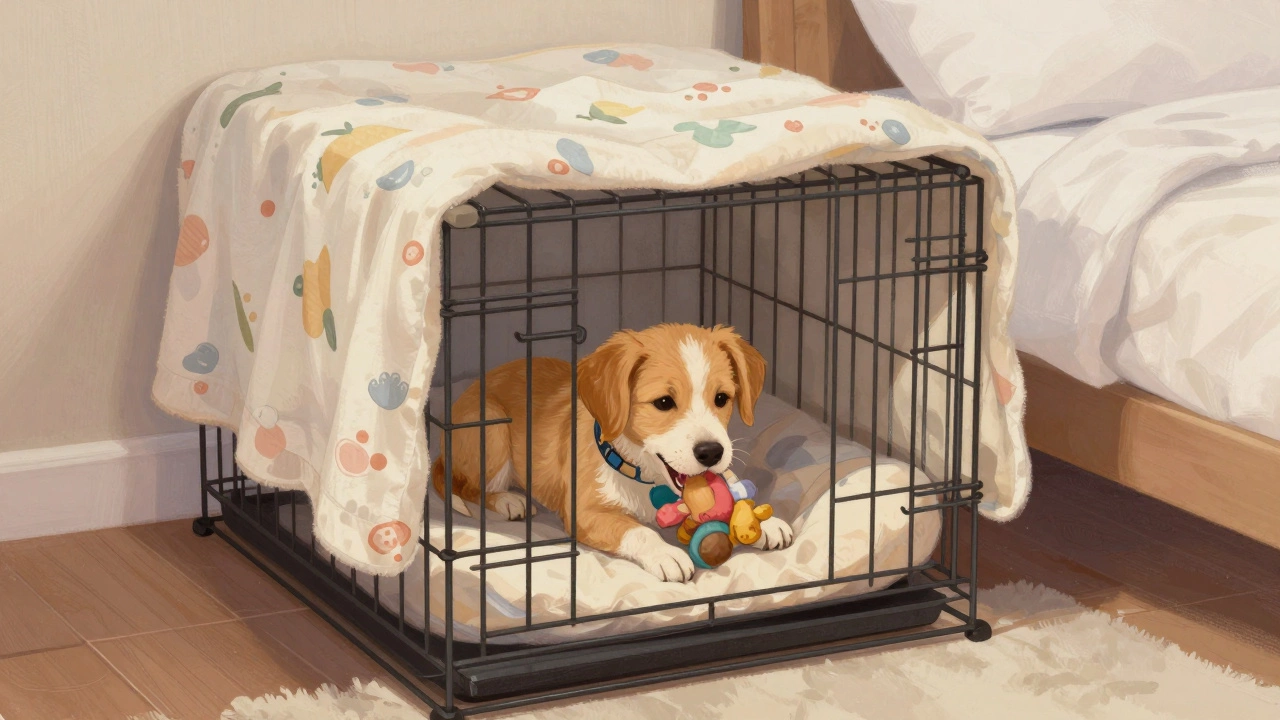
To make crate training successful, the crate must be the right size. It should be large enough for your dog to stand up, turn around, and lie down comfortably, but not so large that they can use one end as a bathroom. Covering the crate with a breathable blanket can enhance the den effect, reducing visual stimuli that might cause anxiety.
Never use a crate as punishment. Associate it with positive experiences like treats, meals, and chew toys. When your dog sees the crate as a reward rather than a timeout, they will willingly go inside to sleep. Many adult dogs prefer their crates over open floors because it offers predictability and safety.
Separate Room Considerations
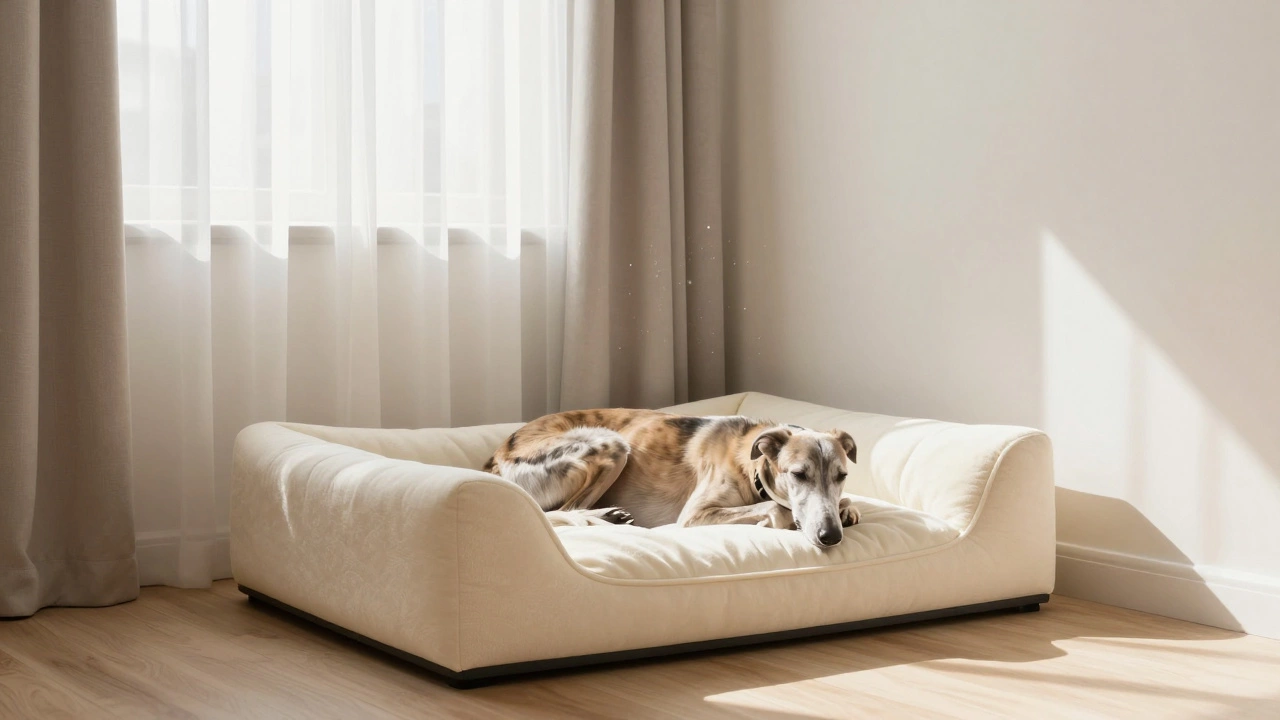
Some households opt to keep dogs in a separate room, such as a living room or spare bedroom. This works well for independent breeds or dogs that sleep deeply and aren’t disturbed by household noises. It also gives owners privacy and uninterrupted sleep.
However, isolation can be detrimental for social animals. Dogs are pack creatures, and being completely cut off from family members can lead to loneliness and separation anxiety. If you choose this option, ensure the room is comfortable, quiet, and free from drafts. Provide plenty of mental stimulation during the day so your dog doesn’t associate the night with boredom.
Monitor your dog’s behavior closely. Signs of distress include excessive barking, whining, or scratching at the door. If you notice these signs, reconsider the location. Gradually moving the bed closer to your room over time can help transition your dog if they seem uneasy.
Factors Influencing the Decision
Choosing the right sleeping spot depends on several variables. Here’s a quick checklist to guide your decision:
| Factor | Consideration | Recommendation |
|---|---|---|
| Age | Puppies vs. Seniors | Puppies need proximity for reassurance; seniors may need easy access to you. |
| Anxiety Level | High vs. Low | High anxiety benefits from closeness; low anxiety handles distance well. |
| Household Size | Single vs. Family | Families may prefer separate spaces to avoid tripping hazards. |
| Temperature | Hot vs. Cold | Ensure the sleeping area is draft-free and temperature-controlled. |
Also consider your home layout. If you live in a small apartment, a separate room might not be feasible. In larger homes, noise levels can vary significantly between rooms. Choose a spot away from direct sunlight, heating vents, or noisy appliances like washing machines.
Common Mistakes to Avoid
Many owners make the mistake of changing locations frequently. Dogs thrive on routine. If you move their bed from the bedroom to the living room every few days, it creates uncertainty. Pick a spot and stick with it for at least a few weeks to establish a habit.
Another error is ignoring comfort. A hard floor or an unsupportive cushion can lead to long-term joint issues. Invest in a quality bed that supports your dog’s weight and breed-specific needs. Regularly wash the bedding to prevent mites and odors, which can disrupt sleep.
Finally, don’t force a solution that doesn’t work. If your dog refuses to sleep in their crate, try covering it or adding a favorite toy. If they won’t stay on their floor bed, bring it closer to yours. Flexibility within consistency is key.
Next Steps for Better Sleep
Start by observing your dog’s current habits. Do they follow you around the house? Do they curl up in corners? Use these clues to determine their preference. Experiment with different locations for a week each, noting any changes in behavior or sleep quality.
If you’re introducing a new puppy, start with a crate next to your bed. As they mature, you can gradually move the crate further away. For adult dogs, assess their anxiety levels and adjust accordingly. Remember, the goal is mutual rest. If either of you is tired, the relationship suffers.
Consult with a veterinarian if your dog shows signs of chronic insomnia or extreme anxiety. Underlying medical issues like pain or thyroid problems can affect sleep patterns. Addressing health concerns first ensures that environmental changes are effective.
Is it bad to let my dog sleep in my bed?
Not necessarily. It depends on your dog’s behavior and your personal preferences. While it can strengthen bonding, it may disrupt sleep if your dog moves around a lot or if you have allergies. Ensure your dog respects boundaries before allowing this.
Should I put my dog’s bed in the same room as mine?
Yes, for most dogs, having their bed in the same room provides comfort and security without the intimacy of sharing a bed. It’s a good compromise for owners who want closeness but value personal space.
How do I stop my dog from sleeping under the bed?
Dogs often seek enclosed spaces for security. Try placing a cozy bed in a similar enclosed spot, like a crate covered with a blanket, or a corner with walls on two sides. Reward them for using the designated spot with treats and praise.
Can sleeping separately cause separation anxiety?
It can, especially if the dog is not accustomed to being alone. Gradually increase the distance between you and your dog’s sleeping area over time. Never leave a dog alone for extended periods without proper training and exercise.
What is the best type of bed for senior dogs?
Orthopedic beds with memory foam are best for senior dogs. They provide joint support and alleviate pressure points, making it easier for older dogs to get comfortable and stay asleep through the night.