Indoor Cat Calorie & Food Quality Estimator
Enter your cat's details to determine their daily caloric needs and check if their current food matches the nutritional profile recommended for indoor cats.
Daily Target:
Vet Tip for Indoor Cats
Indoor cats are prone to dehydration. If feeding dry food, consider adding a water fountain or mixing in some wet food to boost moisture intake, which helps prevent urinary tract issues and kidney disease.
Indoor cats live longer than their outdoor counterparts, often reaching 15 to 20 years. But that safety comes with a hidden cost: boredom and low activity levels. Without the constant hunt of mice or birds, your housecat burns far fewer calories, making them prone to obesity, diabetes, and urinary issues. Choosing the healthiest cat food isn't just about picking a fancy brand; it's about matching fuel to lifestyle. You need a diet that keeps them full without packing on pounds.
Why Indoor Cats Have Different Nutritional Needs
Think of an indoor cat like a human working a desk job who also skipped the gym. Their metabolism slows down because they aren't running, jumping, and climbing all day. The Association of American Feed Control Officials (AAFCO) sets minimum standards, but those are baselines for survival, not optimal health for a sedentary animal. Most standard adult cat foods have too many carbohydrates and fats for a cat that spends 16 hours a day napping on the sofa.
The biggest risk here is weight gain. A cat that is even 10% overweight faces higher risks of arthritis and heart disease. Unlike dogs, cats are obligate carnivores. This means they require meat-based proteins to thrive. They cannot efficiently process plant-based carbs. When you feed an indoor cat a kibble heavy in corn or wheat fillers, you're essentially feeding them junk food that turns straight into fat.
Key Ingredients to Look For (And Avoid)
When you flip over a bag of cat food, ignore the marketing fluff on the front. Read the ingredient list on the back. The first five ingredients matter most. Here is what you want to see:
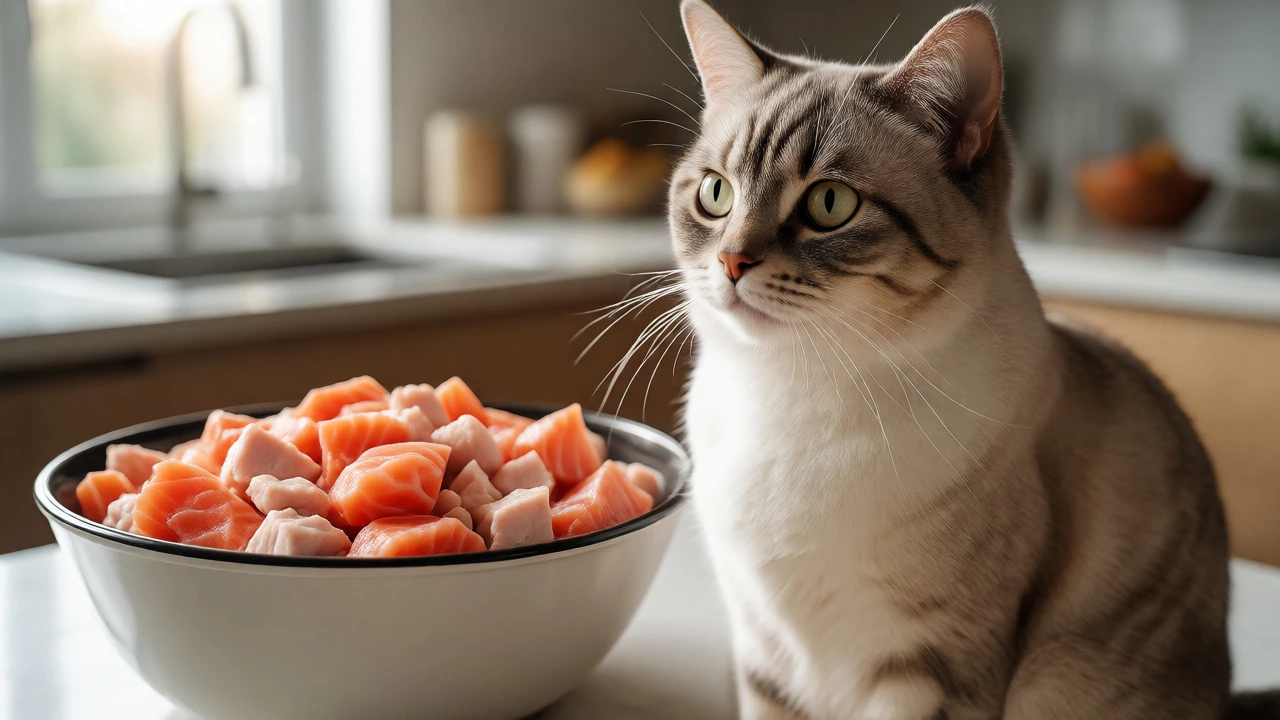
- Named Meat Sources: Chicken, turkey, salmon, or beef should be the first ingredient. "Meat by-products" can be okay if specified (like chicken liver), but vague terms like "animal digest" are red flags.
- Taurine: This amino acid is critical for heart and eye health. Cats cannot make enough taurine themselves, so it must be in their food. Deficiency leads to blindness and heart failure.
- Moderate Fat Content: Look for 9-12% fat on a dry matter basis. Too little, and their coat looks dull. Too much, and they gain weight.
- Low Carbohydrates: Ideally under 10-15%. Cats lack the enzymes to break down large amounts of starch.
Avoid these common pitfalls:
- Artificial Preservatives: BHA, BHT, and ethoxyquin are cheap preservatives linked to long-term health concerns.
- Fillers: Corn, soy, and wheat add bulk and carbs but offer little nutritional value to a carnivore.
- Sugar Molasses: Often added to dry kibble for taste, this is unnecessary and harmful for cats.
Wet vs. Dry Food: The Hydration Factor
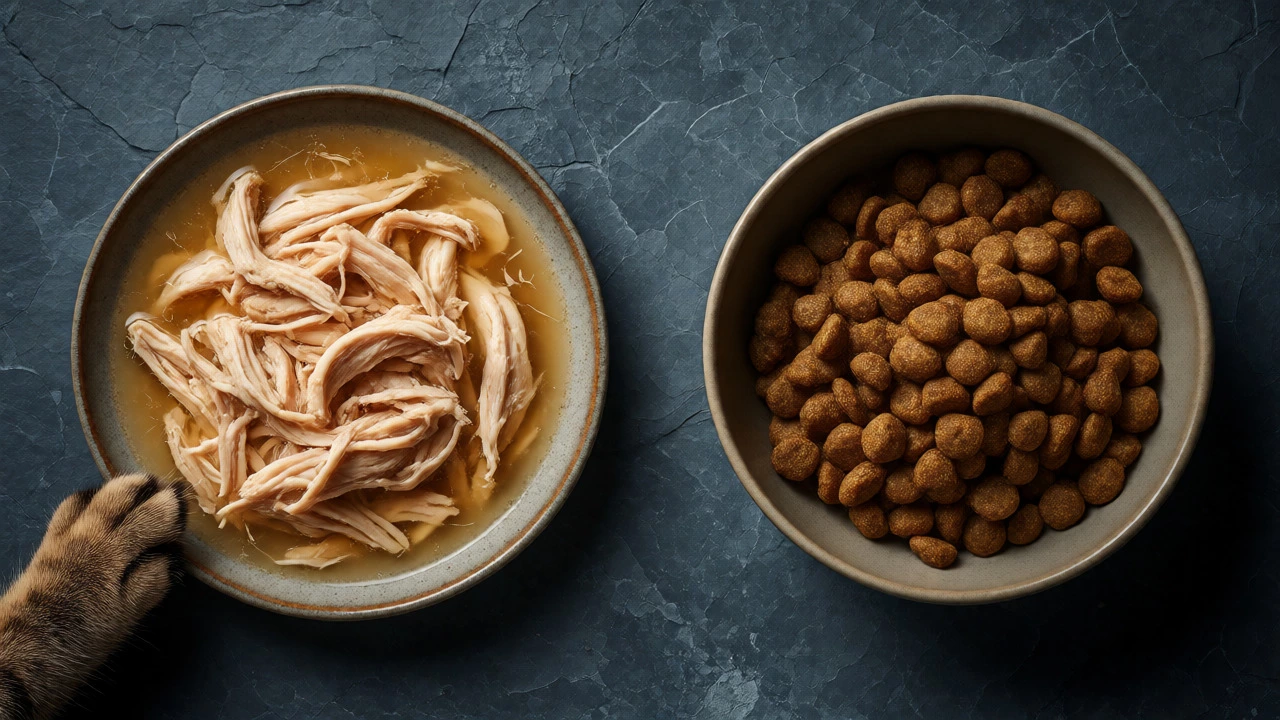
This is the big debate. Many vets lean toward wet food for indoor cats, and here’s why: hydration. In the wild, cats get most of their water from prey. Domestic cats often have poor thirst drives. Feeding only dry kibble (which is about 10% moisture) forces them to drink more water, which they often fail to do. Chronic mild dehydration contributes to kidney disease and lower urinary tract diseases (FLUTD), both common killers in older indoor cats.
Wet canned food typically contains 70-80% moisture. It also tends to have higher protein and lower carbs than dry kibble. However, wet food spoils quickly once opened, and some owners find it expensive. If you stick with dry food, consider adding a water fountain to encourage drinking. Some cats prefer the crunch of dry food, which can help reduce plaque buildup, though brushing teeth remains the gold standard for dental health.
| Feature | Wet/Canned Food | Dry/Kibble Food |
|---|---|---|
| Moisture Content | High (70-80%) | Low (5-10%) |
| Carbohydrate Level | Generally Lower | Generally Higher |
| Calorie Density | Lower per gram | Higher per gram |
| Dental Health | Neutral/Negative | Potentially Positive |
| Convenience | Requires refrigeration after opening | Shelf-stable, easy to leave out |
Managing Weight and Portion Control
Even the healthiest food will cause obesity if you free-feed. Free-feeding-leaving a bowl out all day-is a disaster for indoor cats. They graze out of boredom, not hunger. Instead, measure portions. Use a kitchen scale for accuracy; scoops vary wildly depending on how you pack them.
A typical 10-pound indoor cat needs about 200-240 calories per day to maintain weight. If your cat is already overweight, cut this by 10-15% and consult your vet for a safe plan. Rapid weight loss in cats is dangerous and can lead to hepatic lipidosis (fatty liver disease). Slow and steady wins the race.
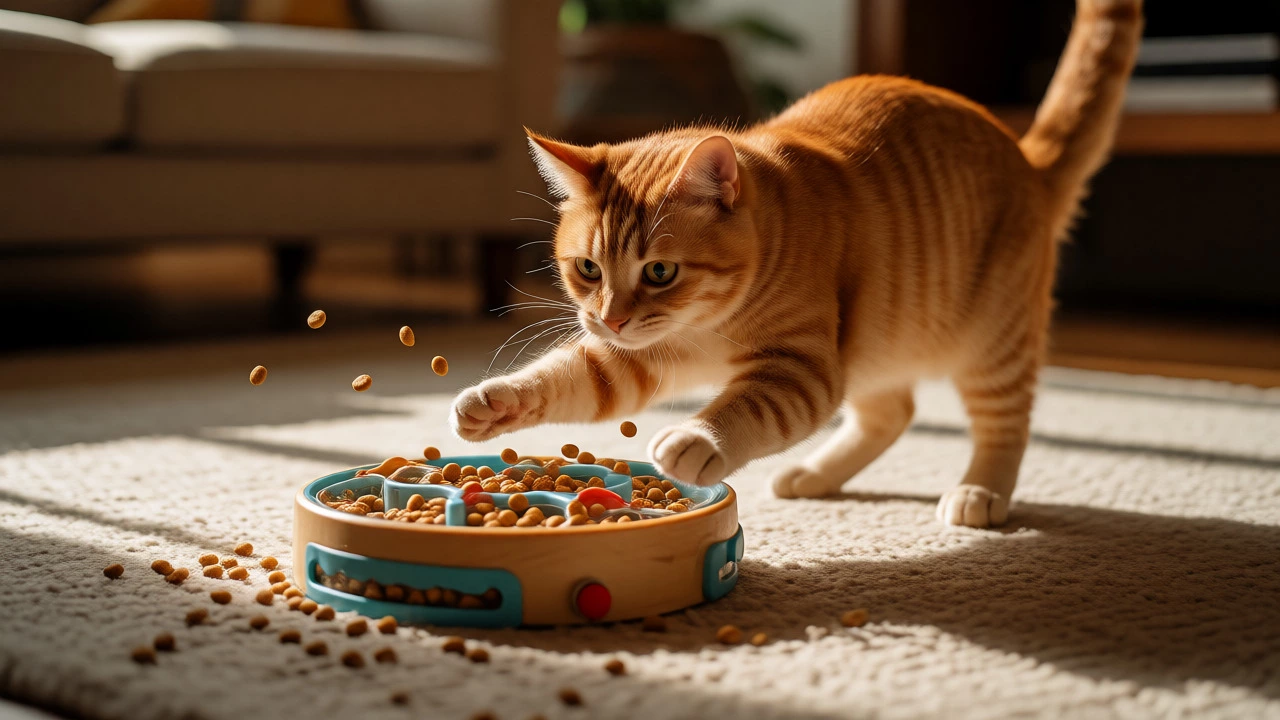
Try puzzle feeders. These toys force your cat to work for their kibble. It mimics hunting, slows down eating, and provides mental stimulation. A cat chasing a ball of kibble through a maze burns calories and stays engaged, reducing the urge to raid the pantry at 3 AM.
Special Diets for Specific Health Issues
Not all indoor cats are healthy. As they age, specific conditions pop up. Here is how to adjust their diet:
- Urinary Tract Health: If your cat has crystals or stones, look for diets formulated to control magnesium and phosphorus levels. Prescription diets like Hill’s c/d or Royal Canin Urinary SO are clinically proven to dissolve struvite stones.
- Diabetes Management: High-protein, low-carb diets are essential. Brands like Purina Pro Plan Veterinary Diets DM focus on minimizing blood sugar spikes.
- Hairballs: Indoor cats groom constantly. Look for foods with added fiber (psyllium or beet pulp) to help move hair through the digestive tract. Regular grooming helps too.
- Sensitive Stomachs: Limited ingredient diets with novel proteins (like venison or duck) can help if your cat reacts to common allergens like chicken.
Top Picks for Healthy Indoor Cat Food
You don't need to buy the most expensive food, but you do need quality. Based on ingredient profiles and veterinary feedback, these categories stand out:
High-Protein Grain-Free Options
Brands like Orijen and Acana offer biologically appropriate diets with fresh meats and organs. They are pricey but nutrient-dense, meaning you feed less volume. Ensure your cat tolerates the richness; some sensitive stomachs struggle with very high protein loads initially.
Veterinary Recommended Lines
Hill’s Science Diet and Royal Canin dominate the vet clinic shelves. They invest heavily in research. While they sometimes use more fillers than boutique brands, their consistency and clinical backing make them safe choices, especially for prescription needs.
Budget-Friendly Quality
Purina Pro Plan is often cited as the best balance of price and performance. It uses real meat as the first ingredient and avoids excessive fillers. It’s widely available and generally well-tolerated by most cats.
How to Transition Your Cat’s Diet
Cats hate change. Switching food abruptly can cause vomiting or diarrhea. Follow the 7-day rule:
- Days 1-3: Mix 75% old food with 25% new food.
- Days 4-6: Mix 50% old food with 50% new food.
- Day 7+: 100% new food.
If your cat refuses the new food, slow down the transition. Warm the wet food slightly to enhance the aroma. Never mix medications into food unless directed, as the cat may associate the bad taste with the meal and stop eating altogether.
Is grain-free always better for indoor cats?
Not necessarily. While cats don't need grains, "grain-free" doesn't automatically mean healthy. Some grain-free foods replace corn with potatoes or peas, which are still high in carbohydrates. Focus on high meat content and low total carbs rather than just the absence of grain.
Can I feed my indoor cat dog food?
No. Dog food lacks sufficient taurine, vitamin A, and arachidonic acid, all of which are essential for cats. Long-term consumption of dog food can lead to severe health issues, including heart problems and vision loss.
How much water should an indoor cat drink?
A general rule is 50ml of water per kilogram of body weight daily. For a 5kg cat, that's about 250ml. If your cat eats mostly dry food, they need to drink more. Monitor litter box habits; fewer clumps may indicate dehydration.
Are treats okay for indoor cats?
Yes, but limit them to 10% of daily caloric intake. Choose meat-based treats over crunchy biscuits, which are often high in carbs. Use treats for training or medication administration rather than boredom relief.
Do indoor cats need special vitamins?
If you feed a complete and balanced AAFCO-approved diet, supplements are usually unnecessary. Adding extra calcium or vitamins can actually cause imbalances. Only supplement if recommended by a vet based on blood tests.