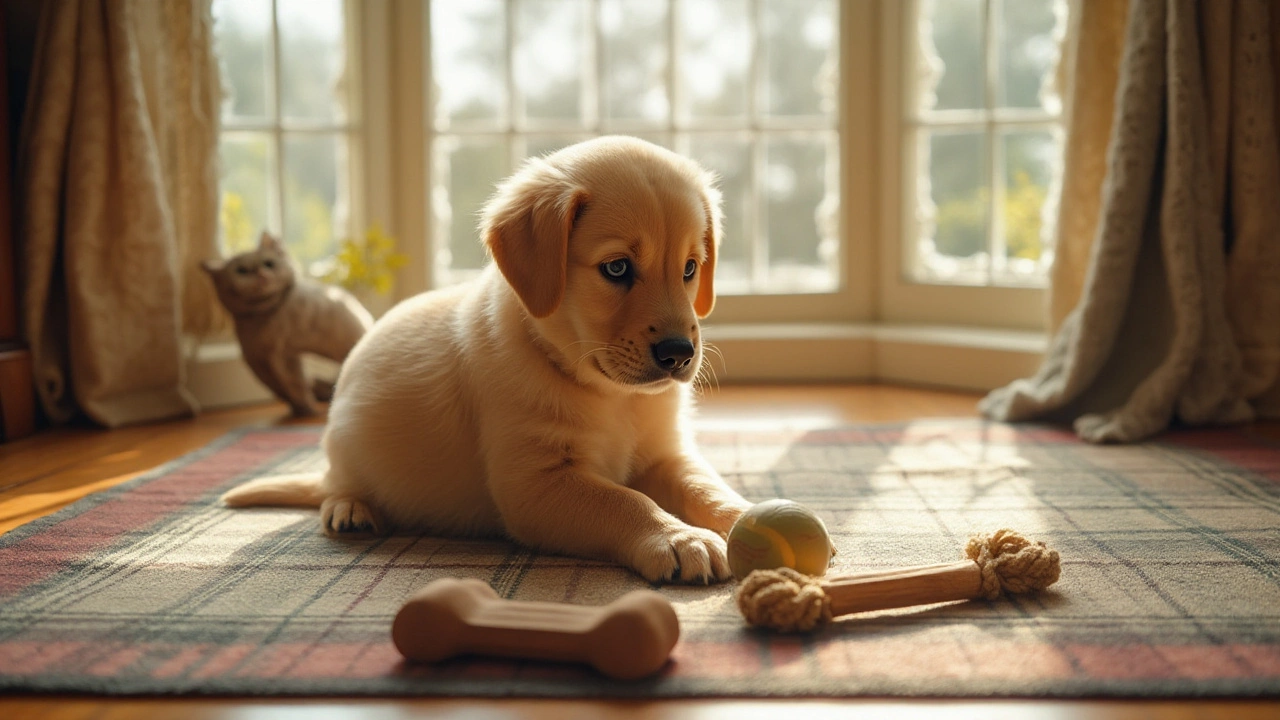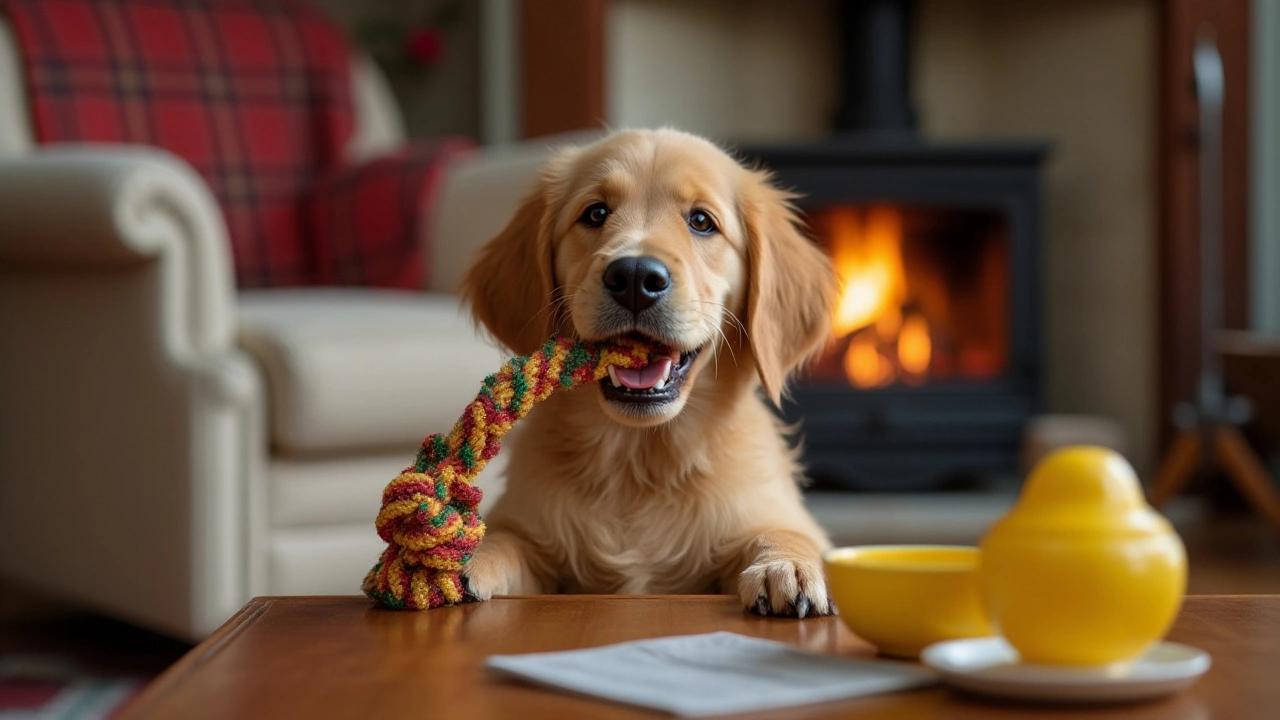
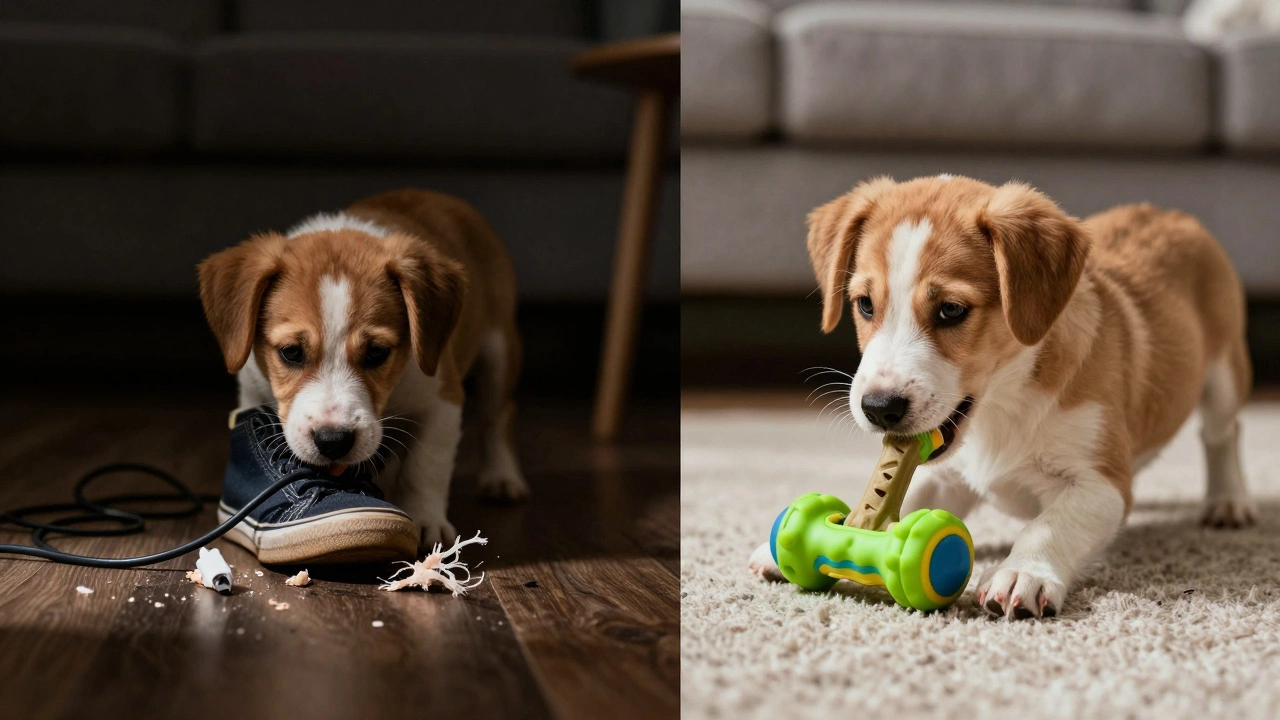
Every new puppy owner knows the feeling: you come home, set down your keys, turn your back for five seconds, and suddenly-your favorite pair of shoes is shredded. Or worse, the couch leg is now a chew toy. It’s not that your puppy is being bad. It’s biology. Puppies chew because they’re teething, exploring the world, and burning off energy. The real question isn’t whether they’ll chew-it’s what you give them to chew on.
Why Puppies Chew
Puppies have 28 baby teeth that start coming in around 3 to 4 weeks old. By 6 months, those are gone, replaced by 42 adult teeth. That’s a lot of pressure building in their jaws. Chewing relieves the discomfort, just like a baby sucks on a rattle. But it’s not just about teething. Puppies use their mouths to learn. They sniff, lick, and bite everything to understand textures, tastes, and boundaries. Left with nothing safe, they’ll pick up whatever’s nearby-socks, remote controls, even electrical cords. That’s not mischief. It’s instinct.What Not to Give Your Puppy
Before you grab anything from the shelf, know what to avoid. Some things seem harmless but can be dangerous-or even deadly.- Rawhide: Often treated with chemicals and can splinter or cause blockages. Many vets now advise against it.
- Hard plastic bones: These can crack teeth, especially in small breeds or puppies with delicate jaws.
- Sticks and branches: They splinter easily and can get stuck in the throat or digestive tract.
- Household items: Shoes, books, remote controls, and wires aren’t toys. They’re hazards.
- Coconut shells or antlers: Too hard. These can break teeth or cause internal injuries if swallowed.
Even if something looks natural or organic, it doesn’t mean it’s safe. A deer antler might seem like a good choice, but it’s denser than your puppy’s teeth. That’s a recipe for a cracked canine.
Best Chew Options for Puppies
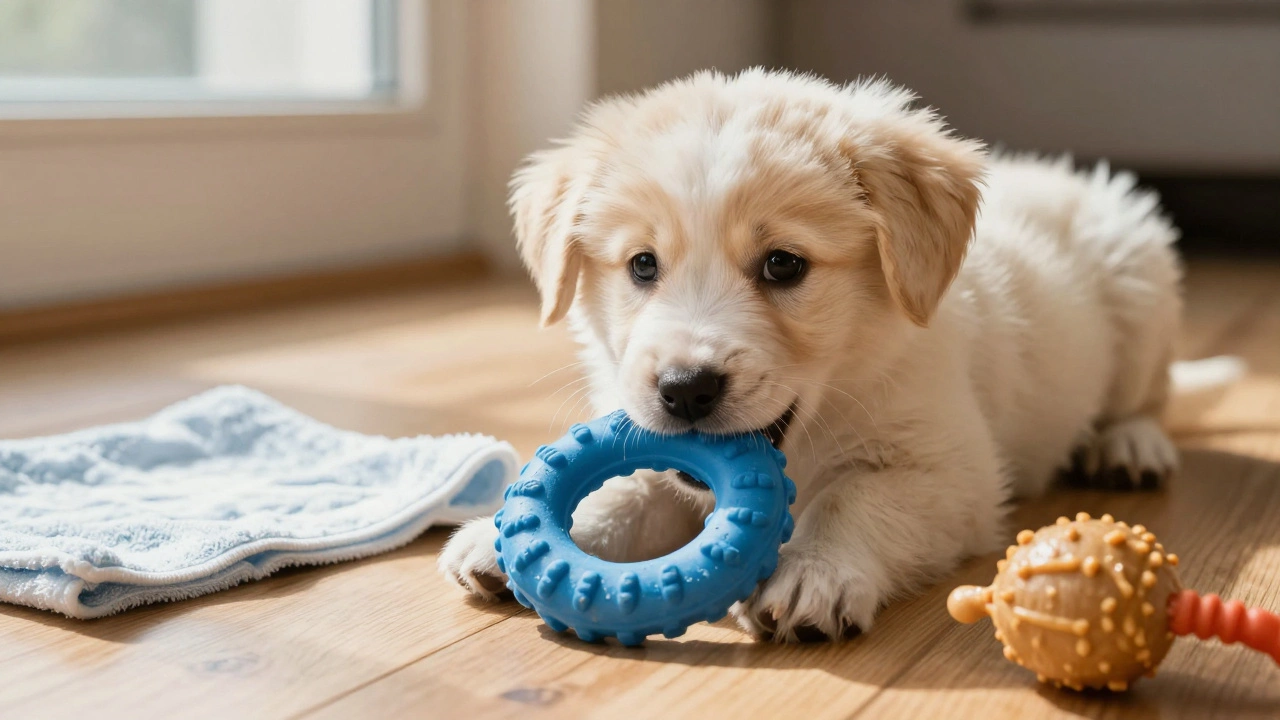
You want something durable, safe, and satisfying. Here are the top choices backed by vet recommendations and real-world use.- Soft rubber toys: Brands like KONG Puppy and Nylabone Puppy Teething Rings are designed with softer rubber for growing teeth. They’re flexible enough not to damage gums but tough enough to last. You can even freeze them with peanut butter or low-sodium broth for extra soothing relief.
- Edible chew treats: Look for puppy-specific dental chews like Greenies Dental Treats for Puppies or VetIQ Dental Bites. These are made to digest safely and help clean teeth as your pup gnaws.
- Textured nylon bones: Nylabone’s DuraChew line for puppies has ridges and bumps that massage gums. They’re non-splintering and come in different sizes based on breed.
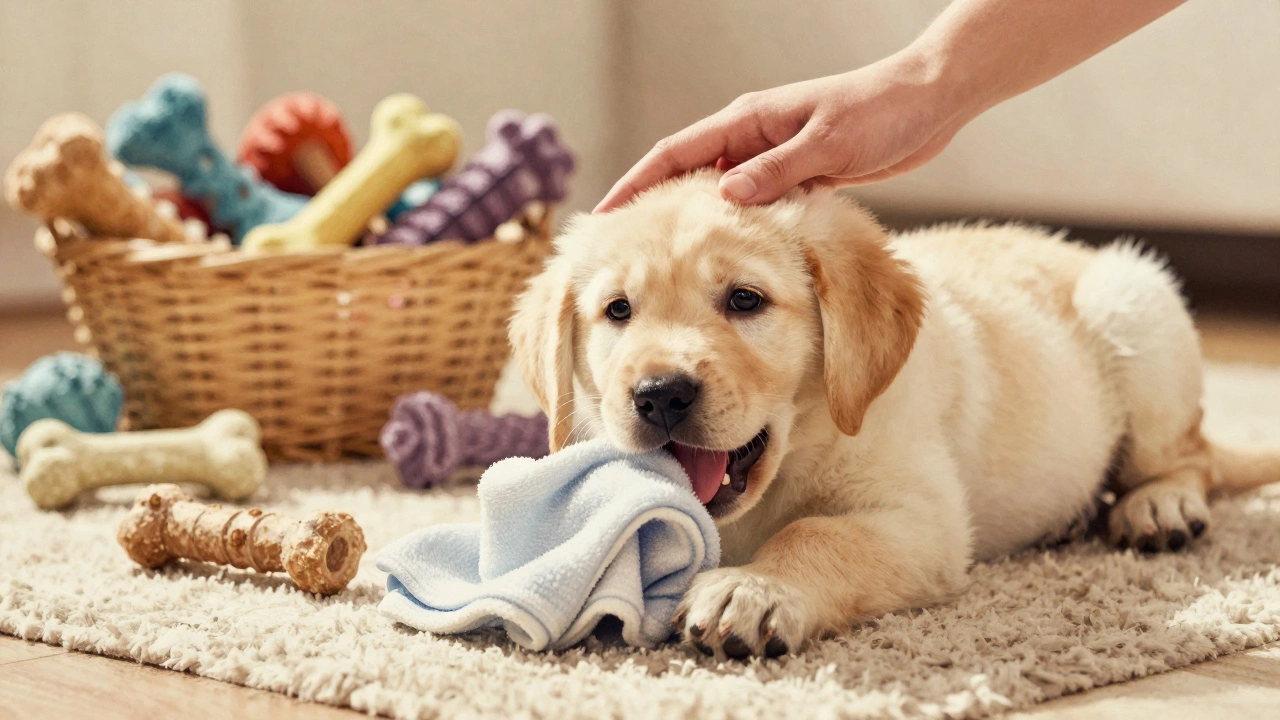
- Frozen washcloths: A simple trick: soak a clean washcloth in water, wring it out, and freeze it. The cold helps numb sore gums. Many puppies love this-especially during peak teething weeks.
- Interactive puzzle toys: Toys like the Outward Hound Hide-A-Squirrel Puzzle or Nina Ottosson Dog Brick keep your puppy mentally engaged. Chewing is part of the fun, but the challenge distracts them from destructive habits.
When choosing, always match the size and strength to your puppy’s breed. A Chihuahua doesn’t need the same chew as a Labrador. Check packaging for weight and age recommendations. If it says "for puppies under 6 months," that’s your sweet spot.
How to Choose the Right Chew
Not all chews are created equal. Here’s how to pick one that works:- Size matters: If the chew is small enough to swallow whole, it’s too small. Your puppy’s mouth should have to work to get a grip.
- Texture test: Press your fingernail into it. If it leaves a dent, it’s soft enough. If it’s rock-hard, skip it.
- Non-toxic ingredients: Look for products labeled "made in the USA" or "EU-compliant." Avoid artificial colors, flavors, and preservatives like BHA/BHT.
- Supervise the first few sessions: Watch how your puppy interacts with the chew. If they’re biting off large chunks, it’s not the right fit.
- Replace when worn: Frayed edges, cracks, or pieces missing? Toss it. A damaged chew is a hazard.
Teething Timeline and What to Expect
Knowing when your puppy will be most stubborn helps you prepare.- 3-6 weeks: Baby teeth start appearing. Minimal chewing.
- 8-12 weeks: More chewing as more teeth come in. This is when you should start introducing safe chews.
- 12-16 weeks: Peak teething. Your puppy may drool, whine, or even have mild diarrhea. This is normal. Keep cool, soft chews handy.
- 4-6 months: Baby teeth fall out. Adult teeth push through. This phase lasts 2-3 months. Chewing spikes again.
- 6-8 months: Most puppies are done teething. Chewing should slow down-but not stop. Always provide something appropriate.
Many owners think chewing stops after 6 months. It doesn’t. Dogs keep chewing for life. It’s stress relief, mental stimulation, and just plain fun. The goal isn’t to stop chewing-it’s to redirect it.
What to Do If Your Puppy Chews Something Bad
Accidents happen. If you catch your puppy chewing something dangerous:- Don’t yell. It teaches them to hide, not stop.
- Trade it. Offer a safe chew. Say "drop it" calmly, then give the replacement. Reward with praise.
- Remove temptation. Keep shoes, cables, and trash out of reach. Use baby gates or crates when unsupervised.
- Watch for signs of trouble: Vomiting, lethargy, loss of appetite, or straining to poop? Call your vet immediately. A swallowed toy piece can be life-threatening.
Pro Tips from Dog Trainers
Veterinary behaviorists and professional trainers in the UK agree on a few key habits:- Rotate chews: Give your puppy 2-3 different chews and switch them out every few days. Novelty keeps them interested.
- Use scent: Rub a little chicken broth or peanut butter on a chew to make it irresistible. Just make sure it’s xylitol-free.
- Positive reinforcement: When your pup chooses a toy over your shoe, praise them loudly. "Good job!" goes a long way.
- Exercise first: A tired puppy is a quiet puppy. A 20-minute walk or play session before you leave the house can reduce destructive chewing.
When to See a Vet
Most chewing is normal. But if your puppy is:- Chewing non-stop for hours
- Swallowing pieces of toys
- Showing signs of pain (drooling, refusing food, whining)
- Chewing on walls or furniture despite having toys
It could signal anxiety, boredom, or a medical issue like pica (eating non-food items). A vet can rule out nutritional deficiencies or behavioral disorders. Don’t wait.
Final Thought: It’s About Choice, Not Control
You can’t stop your puppy from chewing. But you can give them better options. The right chew isn’t just a toy-it’s a tool. It keeps them safe, healthy, and happy. Start early, stay consistent, and remember: every chew you give them now is a step toward a well-behaved adult dog.Can I give my puppy a bone?
Avoid real bones, especially cooked ones. They splinter and can puncture the stomach or throat. If you want to give a bone-like chew, choose a nylon or rubber toy shaped like a bone, made specifically for puppies. Always supervise.
How long should my puppy chew on a toy?
There’s no set time, but 10-20 minutes per session is ideal. Longer than that can lead to jaw fatigue or tooth wear. Rotate toys so your puppy doesn’t get bored. If they’re still chewing after 30 minutes, take it away and try again later.
Are rope toys safe for puppies?
Rope toys can be risky. Puppies may swallow strands, which can cause intestinal blockages. If you use them, only under supervision, and throw them away if frayed. Better alternatives include rubber or nylon chews for teething.
What if my puppy doesn’t like any chew toys?
Try different textures and scents. Some puppies prefer soft rubber, others like crunchy treats. Rubbing a little peanut butter (xylitol-free) or chicken broth on a toy can spark interest. If they still ignore all toys, check for dental pain or anxiety. A vet visit can help identify the cause.
Can I use human toothpaste on my puppy’s teeth?
Never. Human toothpaste contains fluoride and xylitol, both toxic to dogs. Always use dog-specific toothpaste, which is safe to swallow and comes in flavors like poultry or peanut butter. Brushing once a week helps keep gums healthy during teething.