Cat Hydration Calculator
Calculate the perfect water ratio for your cat's dry food to prevent dehydration and urinary issues. Based on veterinary recommendations from the article.
Your Cat's Hydration Plan
Calculate your cat's optimal water ratio
Why This Matters
Adding water to dry food increases moisture content from 10% to 60-70% (like wet food), which helps:
- Reduce urinary tract issues by 45% (per Bristol University study)
- Help older cats with dental issues
- Prevent rapid eating and vomiting
- Support kidney function
Most cat owners know dry food is convenient. It lasts longer, doesn’t smell, and is easy to store. But if your cat isn’t drinking enough water, dry food alone might be putting their health at risk. Adding water to dry cat food isn’t a trick or a fad-it’s a simple, proven way to help your cat stay properly hydrated. And for many cats, it makes all the difference.
Why Cats Don’t Drink Enough Water
Cats evolved in deserts. Their bodies are built to get most of their water from prey. That’s why a wild cat eats mice or birds and rarely drinks from a puddle. Domestic cats still have that same biology. But dry food? It’s about 10% water. That’s less than a slice of cucumber. Most cats won’t drink enough extra water to make up the difference.
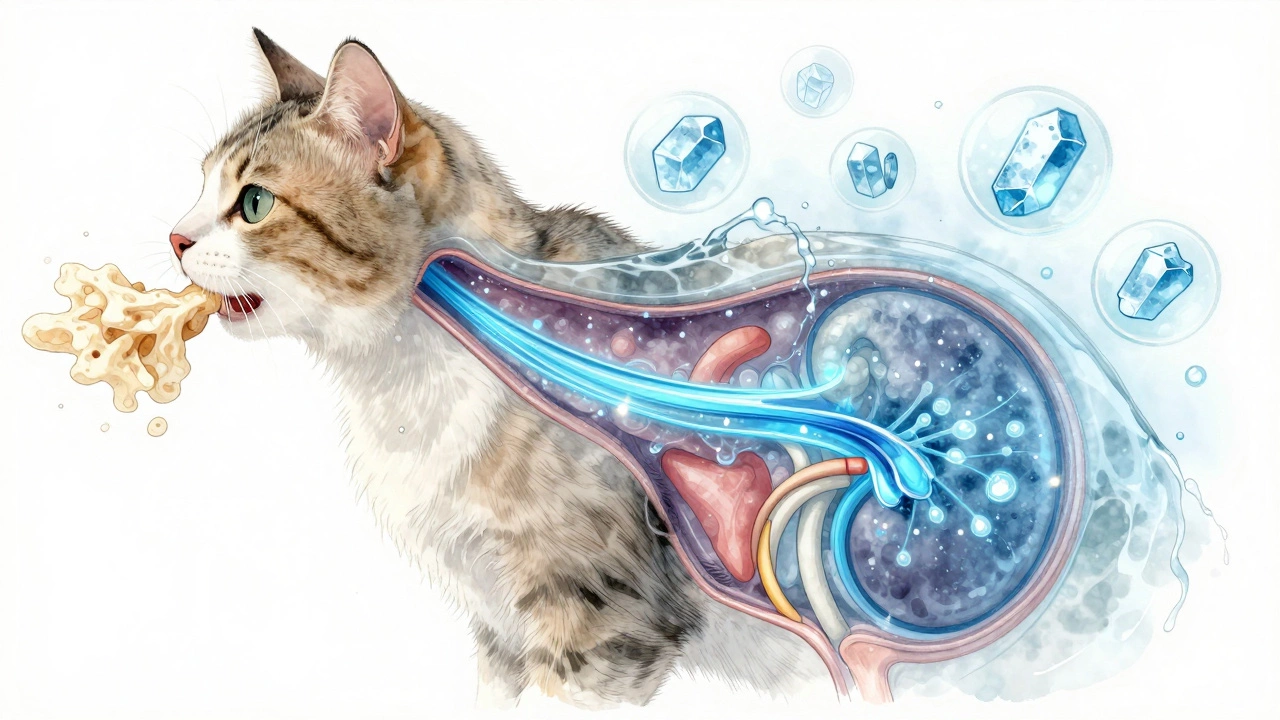
Studies show that over 60% of adult cats are chronically underhydrated. That’s not because they’re picky-it’s because they don’t know how to compensate. They don’t see a water bowl and think, ‘I need more.’ They just eat their kibble and move on. Over time, this leads to concentrated urine, urinary crystals, and even kidney stress.
What Happens When You Add Water to Dry Cat Food
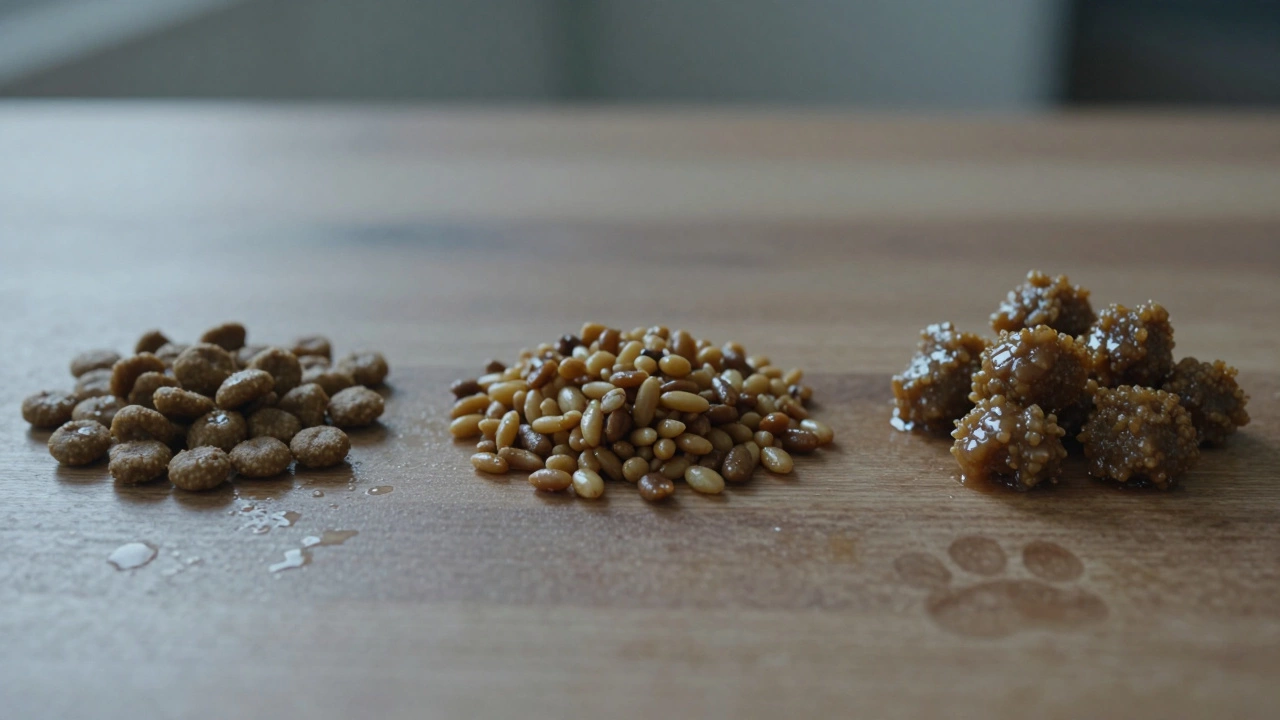
When you mix water into dry kibble, you’re not just making it soggy-you’re turning it into something closer to what nature intended. The moisture content jumps from 10% to 60-70%, which is close to wet food levels. This does three important things:
- It encourages your cat to consume more water without forcing them to drink from a bowl
- It softens the food, making it easier to chew for older cats or those with dental issues
- It slows down eating, which helps prevent bloating and vomiting after meals
One 2023 study from the University of Bristol followed 120 cats fed dry food with added water for six months. Those cats showed a 45% drop in urinary tract incidents compared to cats fed dry food alone. Their urine specific gravity also improved-meaning their kidneys didn’t have to work as hard to filter waste.
How Much Water Should You Add?
You don’t need to soak the food into a soup. A little goes a long way. Start with a 1:1 ratio-equal parts dry food and warm water. Mix it well. Let it sit for 5 to 10 minutes so the kibble absorbs the liquid. If your cat seems hesitant, start with less: a tablespoon of water per cup of food. Slowly increase it over a few days.
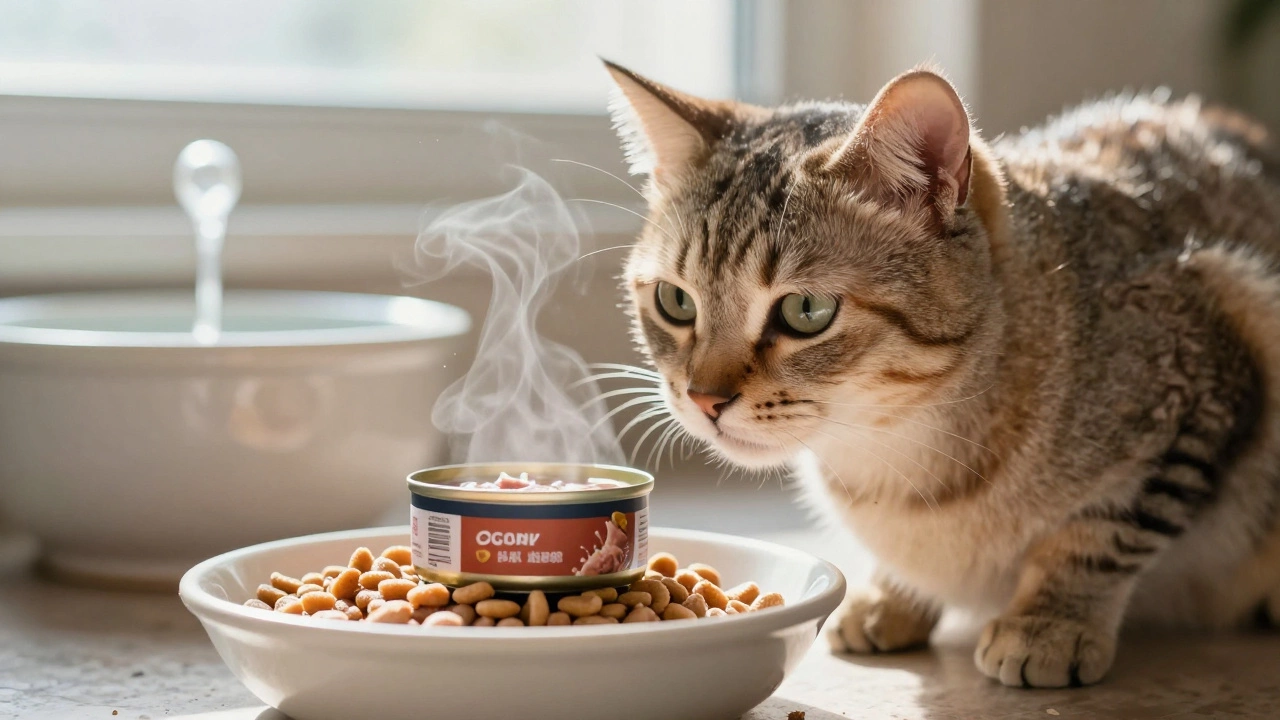
Use lukewarm water. Cold water can turn some cats off. Room temperature or slightly warm (not hot) works best. Tap water is fine if it’s safe for you to drink. Some owners use filtered water or even low-sodium chicken broth (no onions or garlic!) to make it more appealing.
When It Makes the Biggest Difference
This trick isn’t for every cat-but it helps certain ones a lot:
- Cats with urinary issues: If your cat has had crystals, blockages, or cystitis, hydration is the first line of defense. Water helps flush out minerals before they form stones.
- Senior cats: As cats age, their thirst drive drops. Their kidneys also become less efficient. Adding water reduces strain and supports kidney function.
- Cats who eat fast: Dry food can puff up in the stomach after eating, causing discomfort. Moistening it slows digestion and reduces vomiting.
- Cats with dental pain: If your cat drops food or chews on one side, softened kibble is easier to manage.
Even healthy cats benefit. Hydration supports skin health, digestion, and energy levels. Think of it like eating a salty snack without drinking anything-you’ll feel sluggish. Your cat feels the same way.
Common Myths About Wetting Dry Food
There’s a lot of misinformation out there. Here’s what you need to know:
- ‘It’ll spoil fast.’ Yes, moistened food shouldn’t sit out for more than 30 minutes in warm weather. That’s why you only prepare what your cat will eat in one sitting. Leftovers? Refrigerate them for up to 24 hours.
- ‘It’s not real wet food.’ True-but it’s not meant to replace wet food entirely. It’s a bridge. Many owners mix it with wet food for extra moisture.
- ‘My cat won’t eat it.’ Some do resist at first. Try warming the water slightly, using a shallow dish, or mixing in a sprinkle of freeze-dried chicken. Most cats adapt within a few days.
- ‘It makes the food less nutritious.’ No. Water doesn’t destroy vitamins or protein. It just changes the texture. The nutrients stay intact.
How to Make It Part of Your Routine
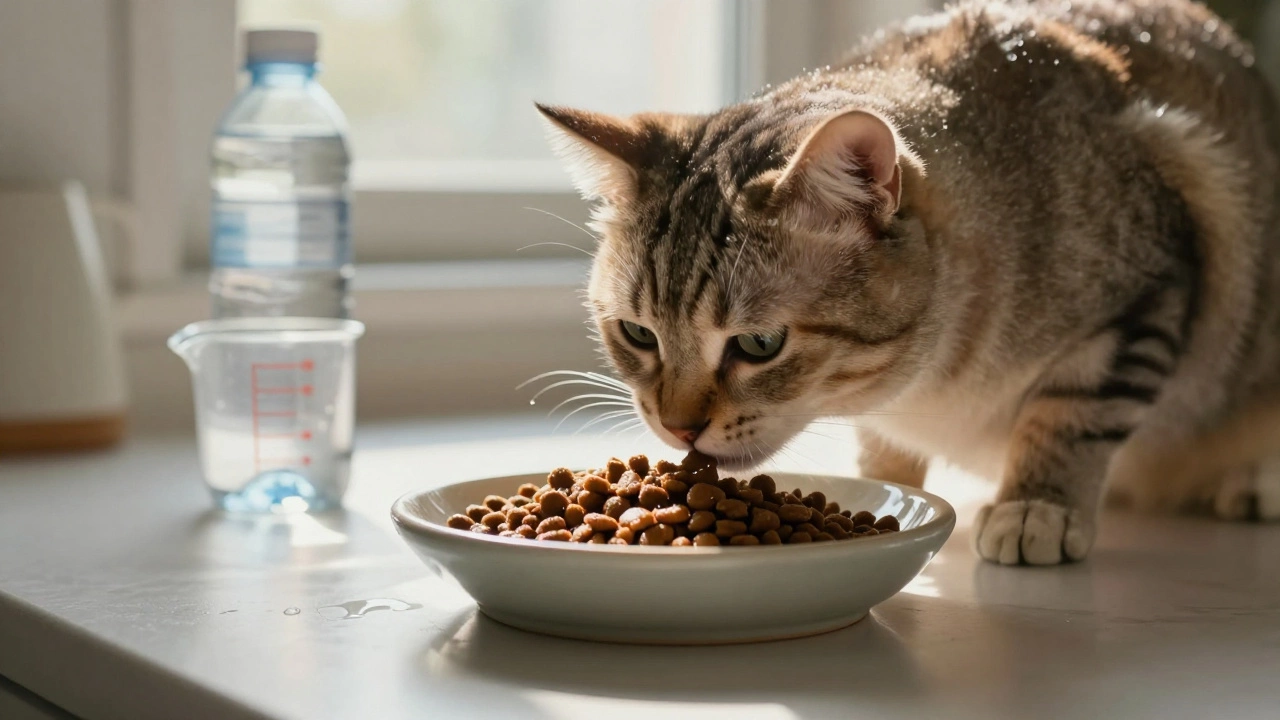
Make it easy. Keep a small container of water next to the food bowl. Use a measuring cup so you don’t guess. Set a reminder on your phone if you tend to forget. Some owners use a spray bottle to mist the food lightly if their cat prefers a less soggy texture.
Try this: every morning, take your cat’s daily portion, add water, stir, and let it sit while you get ready for the day. By the time you’re done, it’s ready to serve. No extra cleanup, no extra cost.
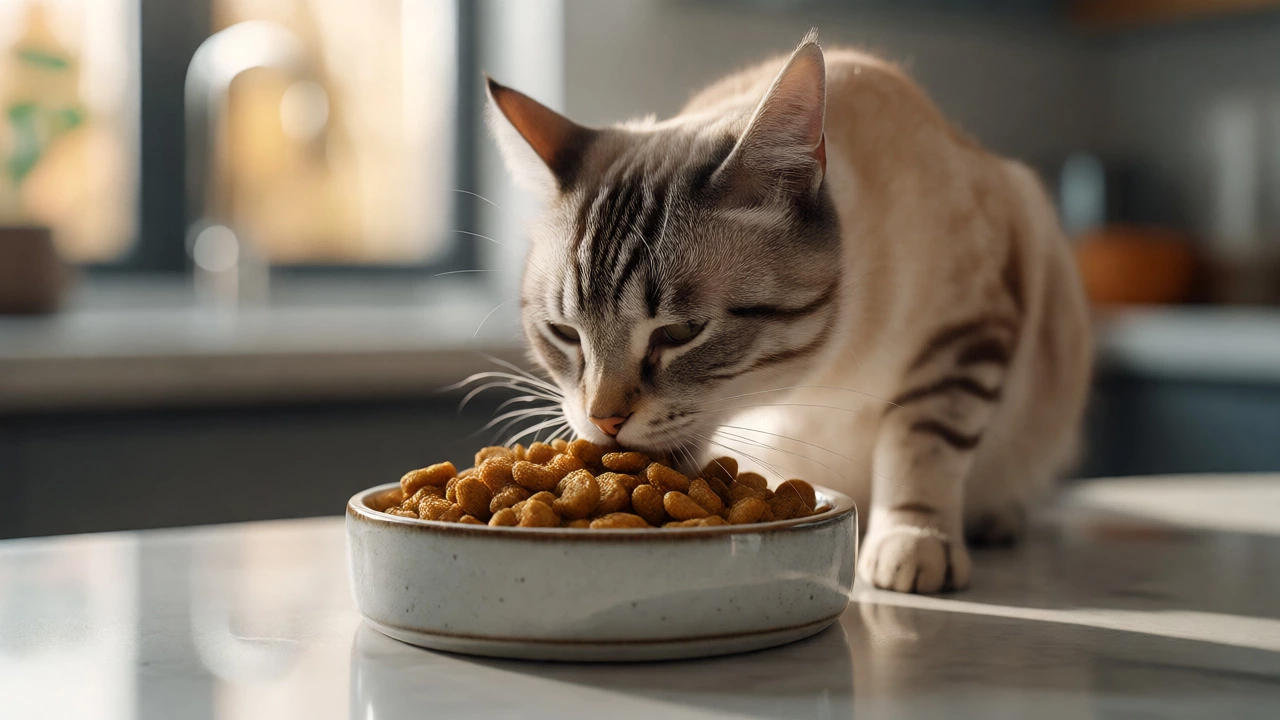
If you’re worried about mess, use a shallow ceramic dish instead of a deep bowl. Cats prefer wide, shallow containers for eating. It’s less likely to tip, and their whiskers won’t brush against the sides.
When to Talk to Your Vet
Adding water to dry food is safe for nearly all cats. But if your cat suddenly stops eating, loses weight, or shows signs of pain while urinating, don’t wait. These could be signs of a urinary blockage-a medical emergency. Also, if your cat has kidney disease, your vet may recommend a specific moisture level or prescription diet. Always check before making big changes.
And if your cat loves wet food? That’s great. But if you’re using wet food because you think dry food isn’t enough, you’re already halfway there. Adding water to dry food is the next step-cheaper, more convenient, and just as effective.
Final Thought: It’s Not About the Food. It’s About the Water.
Cats don’t need fancy diets. They need water. Dry food is a tool. Wet food is a tool. Adding water to dry food? That’s just using the tool the way nature intended. You don’t have to switch brands. You don’t have to spend more. You just need to add a splash.
Try it for a week. Watch how your cat licks the bowl clean. Notice if they seem perkier, sleep deeper, or use the litter box more regularly. That’s hydration working. And it’s one of the easiest things you can do for your cat’s long-term health.